
.png?width=48&height=48&name=Group%201%20(3).png)























26 January, 2026

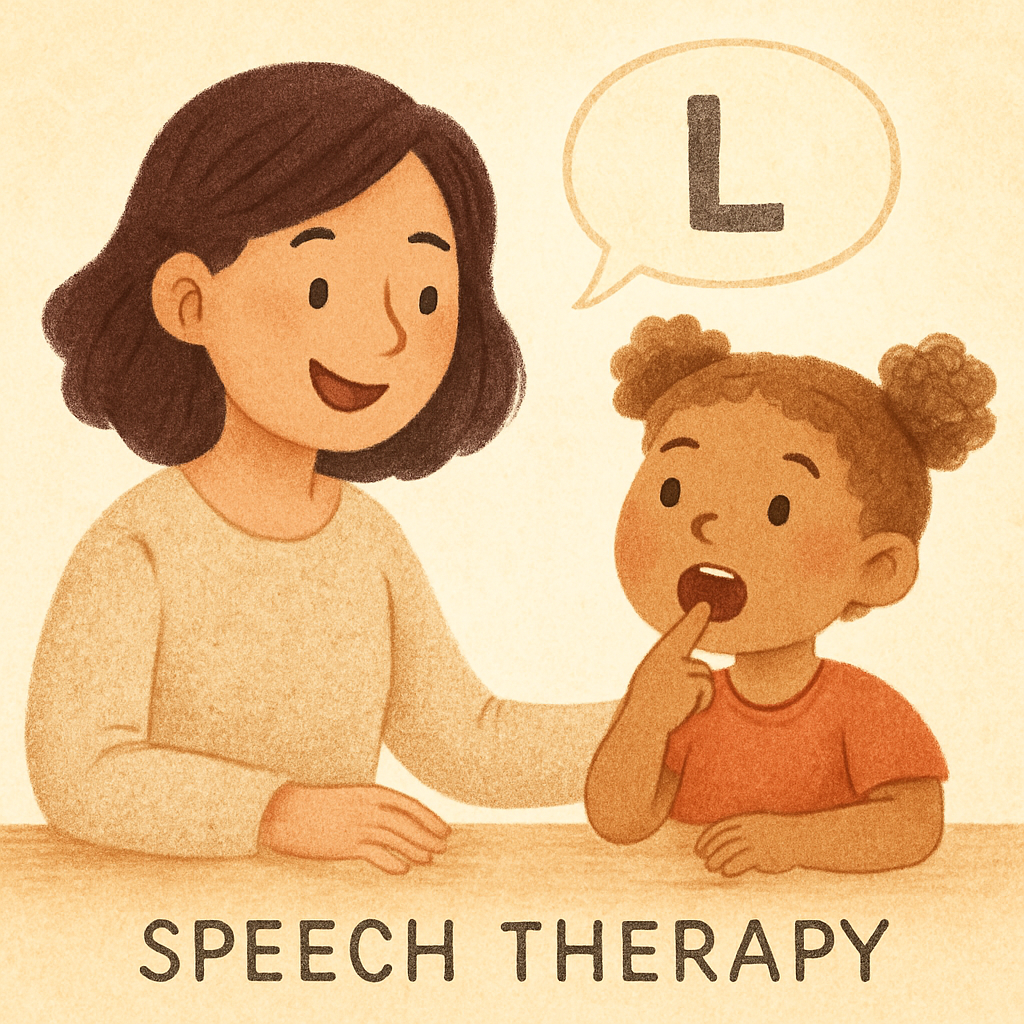
Pediatric Speech Therapy Canterbury: What You Need to Know
Introduction
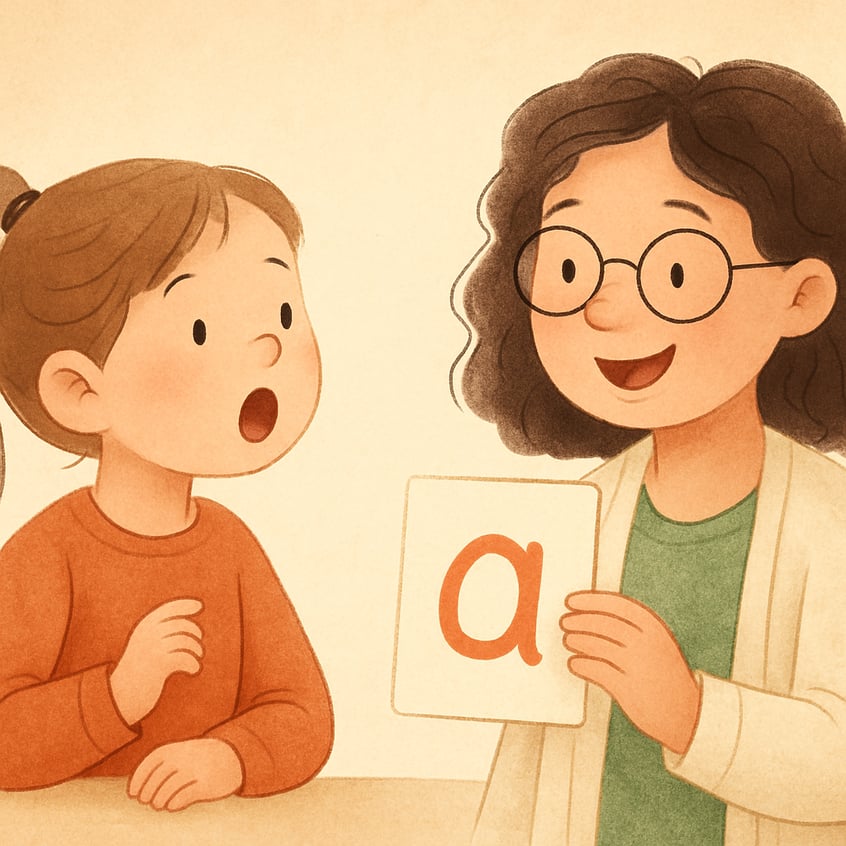
Watching your child grow is a journey filled with milestones, and language development is one of the most exciting. But what if your child faces hurdles in communicating? You are not alone. Many children experience communication disorders that can affect their ability to express themselves and connect with others. This is where speech pathology comes in. This specialized field provides the support and tools necessary to help children overcome these challenges, building confidence and fostering clearer communication for a brighter future.
Key Highlights
-
Pediatric speech therapy helps children in Canterbury overcome a wide range of communication challenges.
-
Early intervention is crucial for addressing speech and language disorders to support a child's development.
-
A qualified speech therapist assesses a child's unique needs to create a personalized treatment plan.
-
Therapy improves more than just speech; it enhances overall communication skills and confidence.
-
Sessions focus on making learning fun and engaging to promote effective communication.
-
Support is available for various conditions, ensuring your child can build a strong foundation for the future.
Who Can Benefit from Pediatric Speech Therapy?
You might wonder if speech therapy is right for your family. While the field supports people of all ages, pediatric speech therapy is specifically designed for children with communication difficulties. It provides targeted support to help little ones overcome speech disorders and build essential language skills.
If you have concerns about your child’s ability to speak clearly, understand others, or interact socially, a speech therapist can help. They are trained to evaluate your child's specific communication needs and create a plan that supports their growth and development, making a significant difference in their daily life. While both speech therapy and speech pathology focus on improving communication skills, speech therapy refers to the actual treatment and exercises that help individuals overcome speech and language challenges. Speech pathology, on the other hand, is the broader scientific study and diagnosis of speech, language, and communication disorders. Speech pathologists are professionals who conduct both assessments and therapy, making them integral to a child's progress.
Children with Speech and Language Delays
Children develop speech at different rates, but some need extra support. Speech and language delays are common and can make communication difficult for both you and your child. These delays may involve trouble forming words, making sentences, or understanding others. If you are seeking help, there are several online and community resources for speech therapy support. Many organizations offer virtual consultations, local support groups, and educational materials to guide parents and caregivers through speech and language development.
Speech therapy targets these issues directly. Therapists use proven techniques and engaging activities to improve pronunciation, vocabulary, and overall communication skills.
Early intervention is key. Addressing speech challenges early helps prevent future social and academic difficulties. With a speech therapist’s support, your child can overcome barriers and thrive.
Addressing Social Communication Challenges
Communication is more than just words; it’s also about how we interact with others. Social communication involves the unwritten rules of conversation that help us build relationships. Some children find these social skills tricky, which can lead to communication challenges in settings like school or playdates.
Speech therapy can significantly improve a child's social communication abilities. Therapists work on helping children understand and use the social aspects of language for more effective communication. This is especially helpful for children with autism spectrum disorder or those who feel anxious in social situations. Speech therapy can also be effective for adults with communication difficulties, as therapists use tailored strategies to address social communication challenges across all age groups, helping adults develop the skills they need for more successful interactions.
Therapy sessions might focus on key areas to boost these skills, such as:
-
Understanding non-verbal cues like facial expressions and body language.
-
Learning to take turns in a conversation.
-
Staying on topic and asking relevant questions.
-
Building meaningful friendships through positive social interaction.
Common Speech and Communication Conditions Treated
Speech pathology addresses a wide variety of communication disorders. It's a common misconception that speech therapy services are only for stutters or lisps. In reality, therapists are equipped to help with many conditions that affect how we speak, understand, and interact.
From language disorders that impact comprehension to physical difficulties in producing sounds, a speech pathologist can diagnose the issue and provide a targeted treatment plan. Below, we’ll look at some of the specific conditions that can be improved with professional support.
Language Disorders and Speech Sound Disorders
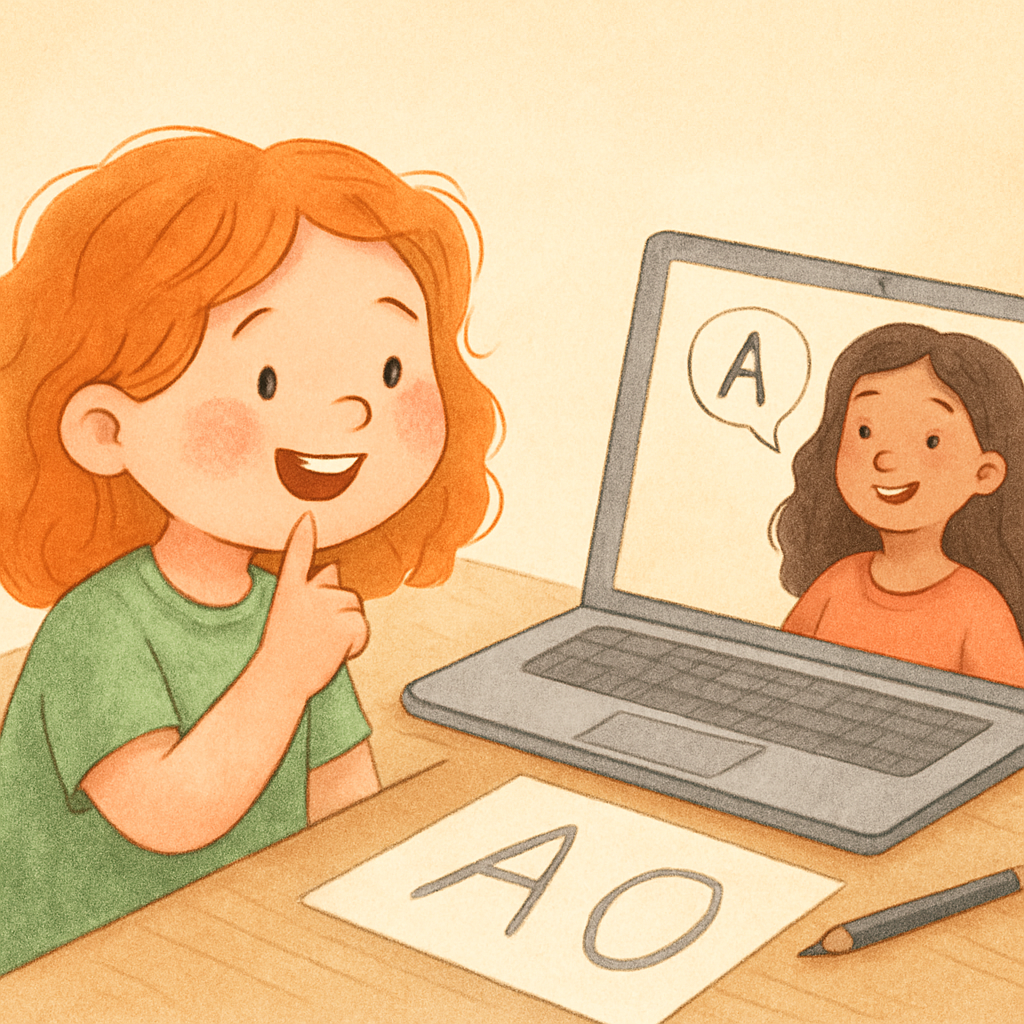
Two of the most common issues treated in pediatric speech therapy are language disorders and speech sound disorders. While they both affect communication, they are different. Language disorders involve problems with understanding others (receptive language) or sharing thoughts (expressive language). This can make it hard for a child to build their vocabulary or form complete sentences.
On the other hand, speech sound disorders relate to the mechanics of speaking. These include articulation disorders, where a child has trouble making specific sounds, and phonological disorders, which involve patterns of sound errors. These speech impediments can make a child’s speech difficult for others to understand.
Improving these language skills is key to building confidence. A therapist can identify the root cause of the issue and provide targeted exercises to improve clarity and comprehension.
|
Condition |
Description |
|---|---|
|
Language Disorders |
Difficulty understanding what is said or expressing thoughts, ideas, and feelings. |
|
Speech Sound Disorders |
Trouble with the pronunciation of specific sounds (articulation) or patterns of sound errors (phonological). |
Fluency Issues and Childhood Apraxia of Speech
Speech therapists are essential for treating fluency issues like stuttering, which disrupt speech with repetitions, prolongations, or blocks. These difficulties can lead to frustration and anxiety in children. Therapy teaches strategies to manage these disruptions and improve speech flow.
Childhood apraxia of speech (CAS) is a rare but complex disorder where the brain struggles to coordinate the muscle movements needed for speech. Children with CAS know what they want to say, but their brains have trouble sending the right signals to their mouths.
Both conditions require specialized support. A speech therapist provides frequent, intensive sessions to help children produce sounds and words more consistently. With proper guidance, kids can make significant progress in overcoming these challenges.
How Pediatric Speech Therapy Works for Children
So, what does the pediatric speech therapy process look like? It all starts with understanding your child's unique strengths and challenges. The first step is always a comprehensive assessment to identify the specific areas where your child needs support. This evaluation is the foundation for creating an effective treatment plan.
Based on the assessment, the therapist designs therapy services tailored to your child. They use a variety of engaging speech therapy techniques to make learning feel like play. This positive and supportive environment helps children build skills and gain confidence in their ability to communicate.
Assessment and Individualized Treatment Planning
The process starts with a thorough assessment by a qualified speech pathologist to identify your child's specific needs and the root of their communication challenges. The therapist observes, interacts, and may use standardized tests to get a complete understanding.
Based on this evaluation, the pathologist creates an individualized treatment plan with clear, achievable goals tailored to your child. This plan ensures each session is focused and productive.
The planning is collaborative and considers all areas of your child’s development. Key steps include:
-
Pinpointing main concerns (articulation, language, social skills)
-
Setting short- and long-term goals
-
Selecting effective therapy methods
-
Involving you and your family to support progress at home
Techniques Used in Speech Therapy Sessions
A speech therapist’s toolkit includes a range of proven techniques tailored to your child's age, interests, and goals. Each session is designed to be fun and productive, building skills naturally and encouraging progress.
For language therapy, therapists use games, storytelling, and picture books to boost vocabulary and sentence structure. Articulation therapy teaches correct tongue and lip placement for clearer pronunciation.
Common approaches include:
-
Voice therapy: Exercises for better pitch and volume control.
-
Fluency strategies: Techniques to reduce stuttering and improve speech flow.
-
Play-based activities: Toys and games for practicing communication in an enjoyable way.
-
AAC (Augmentative and Alternative Communication): Tools like picture boards or speech-generating devices for children with significant communication challenges.
Conclusion
In conclusion, pediatric speech therapy is a vital resource for children facing communication challenges. By addressing speech and language delays, social communication issues, and various disorders, therapists can make a significant difference in a child's development. With tailored assessments and engaging techniques, each child receives the support they need to thrive. If you suspect your child may benefit from speech therapy, don’t hesitate to reach out.
Start your journey towards better communication by scheduling a consultation or call daar at 02 9133 2500 with a specialist today!
Frequently Asked Questions
How do I know if my child needs speech therapy?
If your child struggles to be understood, has a limited vocabulary for their age, or faces social communication challenges, it may be time to consult a speech therapist. Early intervention is key. An assessment can determine their specific needs and whether speech therapy services would be beneficial for their development.
What happens during a typical pediatric speech therapy session?
Typical therapy sessions are designed to be fun and engaging, often feeling like playtime. After an initial assessment, a therapist will use games and activities to work on language skills, correct speech sounds, and build confidence. Family members are often involved to help practice new skills at home.
Can speech therapy also help with social communication skills?
Yes, absolutely. Speech therapy is highly effective for improving social communication skills. Therapists work on social interaction in different social settings, teaching children how to understand non-verbal cues and engage in conversations. This is particularly helpful for children with communication disorders that affect their ability to form friendships.
.svg)




.svg)