
.png?width=48&height=48&name=Group%201%20(3).png)























7 January, 2026

The Importance of Early Intervention in Child Development
Introduction
The early years of life are a time of incredible growth, but sometimes you might worry that your child isn’t meeting their milestones. If you have concerns about your child’s development, early intervention support can make a significant difference. During early childhood, addressing developmental or behavioural challenges as soon as they arise helps build a strong foundation for learning and emotional well-being. This guide will explore the importance of early intervention in child development and how it helps your child thrive.
Key Highlights
-
Early intervention services are crucial for a child’s development, especially in the first few years of life.
-
Addressing a developmental delay early can lead to significant long-term positive outcomes.
-
Intervention helps improve a child’s social skills, communication, and emotional development.
-
Services like speech therapy and occupational therapy can support children with specific challenges.
-
Early support focuses on teaching positive behaviour and new skills.
-
Family involvement is a key component of successful early intervention.
Understanding Early Intervention in Child Development
Early intervention is a system of services designed to help babies and toddlers who have developmental delays or disabilities. The goal is to support your child’s growth right from the start, focusing on skills related to physical, cognitive, and emotional development. During early childhood, a child's brain develops rapidly, making this the ideal time to introduce extra support.
By addressing concerns early, you can prevent challenges from becoming more difficult to manage later on. We will look closer at what early intervention involves, the age groups it targets, and how it fosters positive behaviours.
Definition and Scope of Early Intervention
Early intervention is a support system for infants and toddlers with developmental delays or disabilities. It helps children develop essential skills—physical, cognitive, communication, social-emotional, and self-help—typically acquired in the first three years. Services are tailored to each child’s needs.
This approach promotes overall development by teaching new skills early and preventing challenges from becoming harder to manage. By addressing issues promptly, early intervention gives your child the best possible start.
Age Groups Targeted by Early Childhood Intervention
Early childhood intervention targets the most critical developmental period—birth to age three—when the brain is most receptive to learning and change. Services are designed for infants and toddlers with diagnosed medical conditions or developmental delays, making intervention highly effective.
While core programs focus on children from birth to three, some extend support up to age nine for those with behavioural challenges. These programs offer personalized strategies for development and behaviour management.
|
Age Group |
Focus of Intervention |
|---|---|
|
Birth to 3 |
Building foundational skills in physical, cognitive, communication, social, and adaptive development. |
|
3 to 9 |
Ongoing support with tailored therapies, family resources, and educational strategies. |
The Role of Early Intervention in Positive Behaviour Development
Early intervention helps prevent challenging behaviours from becoming habits by addressing their root causes. Instead of just reacting, behaviour support practitioners uncover why a child acts out and teach positive ways to communicate and manage emotions.
Skill-building and positive reinforcement improve emotional development, helping children better regulate feelings and reduce tantrums. This leads to a calmer home and greater confidence for your child.
Strong emotional skills are vital for school success. Key benefits include:
-
Better emotional regulation and coping
-
Improved communication of needs
-
Positive social interactions
Why Early Intervention Is Critical for Children
Acting early is one of the most powerful things you can do to influence your child’s life. When a child is facing developmental challenges or has developmental disabilities, intervention can dramatically improve their long-term quality of life. The brain’s high plasticity in the early years means it's the best time to build crucial skills.
This proactive approach helps prevent minor issues from escalating into more significant problems as a child gets older. In the following sections, we’ll explore the specific impacts on children with disabilities, the broader benefits, and how approaches differ for younger kids.
Impact on Children with Developmental Delays or Disabilities
Early intervention is crucial for children with developmental delays or disabilities. By addressing needs as soon as they are identified, early support improves development and often reduces the need for intensive special education later.
Services like speech, occupational, and physical therapy help children develop key communication, daily living, and motor skills. For example, speech therapy enables children to express themselves, minimizing frustration and behavioural issues.
Overall, early intervention empowers children to live more independently, engage with their communities, and reach their full potential.
Social, Emotional, and Academic Benefits
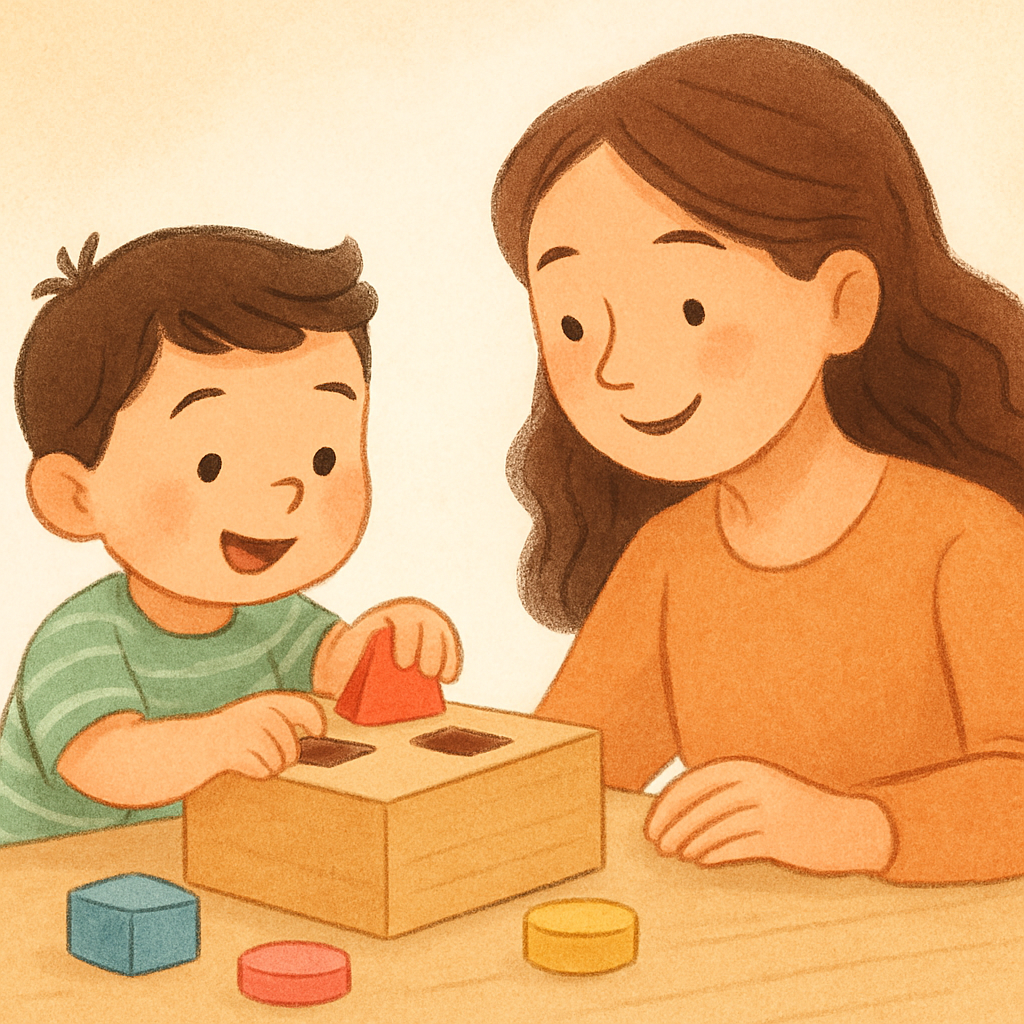
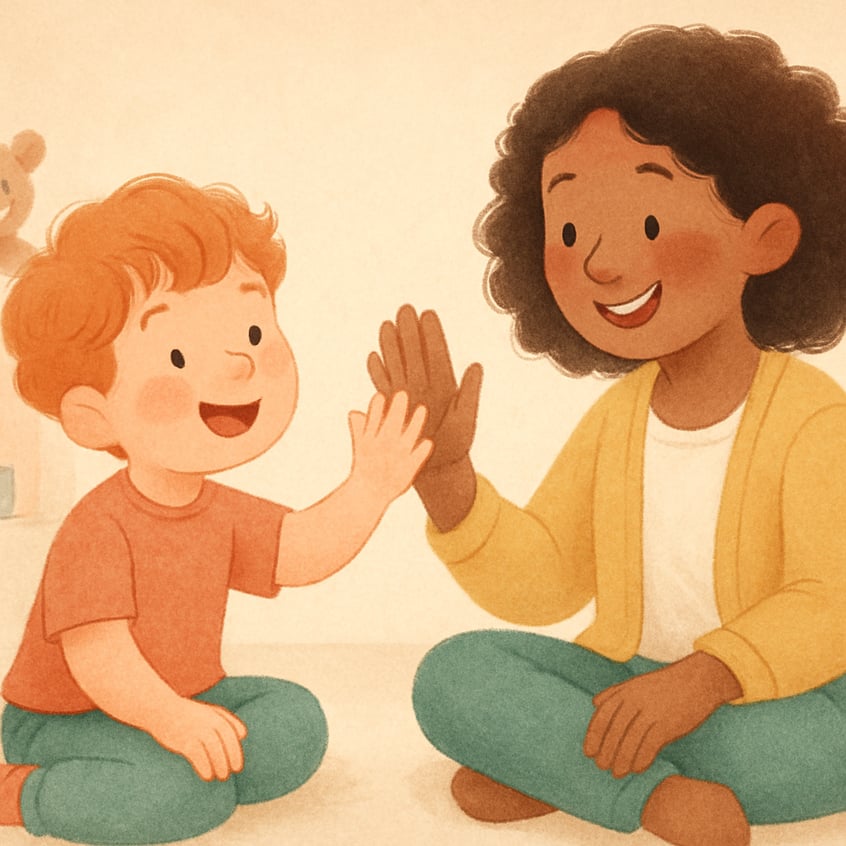
Early intervention lays the groundwork for lifelong success by improving social skills and emotional regulation. Children learn to interact, understand social cues, and build relationships—key to emotional development. Programs also help children manage feelings, follow instructions, take turns, and join group activities, all essential for school readiness.
Key benefits:
-
Greater Independence: Children gain self-care skills like dressing and eating, boosting confidence.
-
Enhanced School Readiness: Strong academic and social skills prepare children for a smooth transition into formal education.
Differences in Approaches for Children Under 9 Years Old
Early intervention strategies vary by age. For infants and toddlers (birth to three), programs focus on play-based learning and integrating therapy into daily routines, leveraging rapid brain development. These approaches are family-centered—therapists coach parents to support their child’s growth at home, ensuring consistency and empowering families.
As children approach school age (around nine), intervention becomes more structured, similar to special education settings. The emphasis shifts toward direct skill instruction for academic and social success. However, the main goal remains: address needs early for the best outcomes.
Identifying the Need for Early Childhood Intervention
As a parent, you know your child best, and trusting your instincts is important. If you feel something is off with your child’s development, it’s worth exploring. Recognizing when your child might need early intervention is the first step toward getting them the right support. Paying attention to developmental milestones is a helpful way to gauge their progress.
Sometimes, signs can be subtle, while other times they are more obvious. Below, we'll discuss common signs that may indicate a need for support and how to evaluate developmental milestones in these crucial early years.
Common Signs a Child May Benefit from Early Intervention
Spotting early signs that your child may need support is crucial. Delayed speech or language development—such as not using words or gestures appropriate for their age—may signal the need for an evaluation.
Persistent challenging behaviours, like frequent tantrums, aggression, or social withdrawal, can also indicate developmental delays or difficulty with emotional regulation. These behaviours often reflect a child’s need for help.
Other signs include:
-
Difficulty interacting with peers
-
Issues with routines, sleep, or eating
-
Strong resistance to change
If you’re concerned, a professional assessment can offer clarity and guidance.
Evaluating Developmental Milestones in Early Years
Developmental milestones are skills most children achieve by a certain age, helping track progress in key areas like physical and cognitive development.
Professionals assess five main areas: physical, cognitive, communication, social-emotional, and adaptive skills such as self-feeding. Delays in any area may signal the need for extra support.
If you're concerned your child isn't meeting milestones, consult your pediatrician. They can screen your child's development and recommend early intervention if needed.
Types of Early Intervention Services Available in Australia
In Australia, families can access support for early intervention services through various avenues, including the National Disability Insurance Scheme (NDIS). These services are designed to provide children with the therapy and support they need to thrive. The goal is to build skills and improve a child’s ability to participate in daily life.
The range of therapy services available is comprehensive and tailored to each child's unique needs. In the following sections, we will explore some of the common types of services, including behavioural support, different therapies, and individualized programs.
Behavioural Support Services and Specialist Roles
Behavioural support services are key to early intervention plans. Delivered by trained professionals, these services focus on understanding and addressing challenging behaviours through positive behaviour support, which teaches new skills.
Practitioners assess triggers and create personalized plans with strategies to encourage desirable behaviours and boost your child’s mental health. By working together—parents, practitioners, and other professionals—these strategies are applied consistently at home and in childcare, leading to lasting positive change, confidence, and better emotional regulation for your child.
Speech, Occupational, and Physical Therapy Options
Early intervention often includes a range of therapy services designed to target specific developmental areas. Speech therapy is one of the most common options. Speech pathologists work with children who have difficulty with communication, helping them to express themselves and understand others, which can reduce frustration.
Occupational therapy is another key service. Occupational therapists help children develop skills for daily living, known as "occupations." This can include self-care routines like dressing, fine motor skills for playing, and sensory processing skills. Physical therapy focuses on improving a child's physical development, including strength, balance, and motor skills like crawling or walking.
These therapies work together to create a holistic plan:
-
Speech Therapy: Improves speaking, listening, and understanding.
-
Occupational Therapy: Builds skills for self-care, play, and school activities. This multidisciplinary approach ensures that all of your child’s needs are addressed.
Tailored Early Intervention Programs for Individual Needs
Yes, early intervention programs are highly personalized. In the U.S., this is called an Individualized Family Service Plan (IFSP); Australia uses a similar approach. The plan details your child’s goals and services, tailored to your family’s unique needs.
A team—including you, a service coordinator, and specialists—develops and regularly reviews the plan to track progress and make adjustments. It addresses your family’s priorities to ensure support fits your daily life.
Besides therapies, programs may offer assistive technology for communication or mobility, along with support groups and parent training to help you and your child succeed.
Conclusion
In conclusion, early intervention is a vital component in promoting healthy child development. By recognizing and addressing developmental challenges at an early stage, children can experience significant benefits that enhance their social, emotional, and academic growth. Whether it's through behavioural support services or tailored therapy options, the right interventions can pave the way for a brighter future. It’s crucial to be aware of the signs that indicate a child may need support and to act promptly. By investing in early intervention, you are not only nurturing your child's potential but also creating a supportive environment that fosters their overall well-being.
If you're curious about how early intervention can benefit your child, feel free to reach out for a consultation or call daar at 02 9133 2500 today!
Frequently Asked Questions
How do behaviour support specialists contribute to early intervention?
Behaviour support practitioners are key team members in early intervention services. They use positive behaviour support strategies to identify the reasons behind challenging behaviours and teach new skills. These specialists work collaboratively with families to create personalized plans that address the child’s needs and promote long-term positive change.
Are early intervention programs modified for different ages?
Yes, early intervention programs are adapted for different ages. For eligible children in the first few years of life, the focus is on play-based learning to capitalize on rapid early childhood development. For older children with special needs, programs might become more structured to prepare them for school environments.
Can families access individualized intervention services locally?
Families can typically access support through their local early intervention system. These systems are designed to connect you with local services that can support children and meet the needs of your family. Contacting your local health service or a Child Find program is a great first step.
.svg)




.svg)