
.png?width=48&height=48&name=Group%201%20(3).png)























22 January, 2026

Speech Therapy Telehealth: Enhancing Access to Care
Introduction
Communication is a vital part of how we connect with the world. When you or a loved one faces challenges with speech, it can be frustrating. This is where speech therapy can make a difference. Speech therapy is a specialized treatment that helps improve your ability to talk, understand, and use language effectively. A speech pathologist creates a personalized plan during speech therapy sessions to address specific communication disorders. By focusing on language development, this therapy helps you express your thoughts and build confidence in your interactions.
Key Highlights
-
Speech therapy is a specialized treatment designed to help people of all ages improve their communication skills. It addresses a wide range of communication disorders, from articulation issues to language difficulties caused by neurological conditions. When choosing a speech therapist, look for qualifications such as a relevant degree, certification from recognized professional boards, and experience working with the specific communication disorders or neurological conditions you want addressed. It is also important to find someone with proven success in helping people of all ages improve their communication skills.
-
It addresses a wide range of communication disorders, from articulation issues to language difficulties caused by neurological conditions.
-
Early intervention in speech therapy is crucial for a child's language development and can lead to better long-term outcomes.
-
Speech therapy sessions are tailored to individual needs and may include exercises, interactive games, and other targeted activities.
-
Telehealth has made speech therapy more accessible, allowing you to receive care remotely.
Understanding Speech Therapy and Speech Pathology
Speech-language pathology is the healthcare discipline focused on evaluating and treating communication and swallowing disorders. The professional who practices in this field is known as a speech-language pathologist (SLP), though you may also hear the term speech therapist. They provide language intervention to help people overcome a wide range of communication difficulties.
While the terms are often used interchangeably, there can be subtle differences in how they are perceived. Both professionals are dedicated to providing speech therapy, but understanding their roles can help you know what to expect. Let's look closer at the distinctions.
Key Differences Between Speech Therapists and Speech Pathologists
In the U.S., “speech-language pathologist” (SLP) is the formal, licensed title for professionals with a master’s degree who assess, diagnose, and treat communication disorders. “Speech therapist” is a more general term that often emphasizes treatment. Both provide essential speech therapy and language intervention to improve communication.
Key differences:
|
Feature |
Speech Pathologist (SLP) |
Speech Therapist |
|---|---|---|
|
Scope |
Assessment, diagnosis, and treatment of diverse communication and swallowing disorders |
Focuses mainly on delivering therapy and treatment plans |
|
Common Usage |
Formal title requiring advanced education and licensure in the U.S. and Australia |
General term; sometimes used interchangeably with SLP |
The Role of Speech Therapy in Improving Communication
Speech therapy helps you communicate thoughts and ideas more clearly, boosting self-esteem and independence. A therapist creates a personalized plan with targeted goals to improve articulation, language comprehension, and fluency. Through focused exercises, you make meaningful progress in language skills. Whether refining pronunciation or rebuilding abilities after injury, speech therapy supports you throughout the process, leading to stronger relationships and greater confidence in daily life.
Common Conditions Supported by Speech Therapy
Speech therapy is not limited to treating lisps or stutters. It addresses a vast range of communication disorders that can affect people at any stage of life. These conditions can stem from developmental delays, hearing loss, brain injuries, or neurological disorders. Speech-language pathologists work in many different settings to provide care for various speech disorders and language disorders.
From helping children with social communication to assisting adults who have had a stroke, speech therapy offers targeted support for many different challenges. The following sections explore some of the specific conditions that can be improved with professional guidance.
Social Communication Disorders
Social communication disorders make it difficult to use verbal and nonverbal language in social situations. This can lead to challenges like understanding social cues, taking turns in conversation, or using appropriate language in different contexts. While common in autism spectrum disorder, these difficulties can affect others as well.
Speech therapy can greatly improve social skills by focusing on pragmatic language—the unwritten rules of communication. Therapists help you interpret body language and tone of voice, which are key for successful interactions.
Therapy may include:
-
Role-playing conversations in various social scenarios
-
Learning to recognize and use nonverbal cues like eye contact and gestures
-
Practicing how to start and maintain conversations
Speech and Language Delays in Children
Speech and language delays are common reasons young children need therapy. These delays may include trouble with speech sounds, limited vocabulary, or difficulty forming sentences. Receptive and expressive language disorders can affect learning and social skills.
Early intervention is crucial. Children who start speech therapy before age five often make the most progress. Therapists use play-based techniques to make sessions engaging and effective, helping kids build strong communication skills.
Public schools often provide assessments and therapy, while private clinics offer specialized care. Early support boosts a child’s confidence and sets the stage for future success.
Adult Speech and Swallowing Challenges
Speech therapy is vital for adults as well as children. Many adults face communication or swallowing difficulties due to health issues, which may occur suddenly after a medical event or progress with neurological conditions.
A speech-language pathologist can help adults manage these challenges. After a stroke or brain injury, therapy aids in regaining speech, reading, and writing abilities. For conditions like Parkinson’s disease or ALS, voice therapy helps maintain vocal strength and clarity.
Adults commonly seek speech therapy for:
-
Aphasia, dysarthria, or other communication issues after stroke or head injury
-
Voice changes due to disorders
-
Swallowing difficulties (dysphagia)
When to Seek Speech Therapy Services
Knowing when to seek help is the first step toward improving communication. If you notice persistent difficulties with speaking, understanding language, or even swallowing, it may be time to consult a professional. For children, early language intervention can be critical for their development, but it's never too late to seek speech therapy services.
Every person's communication needs are different, and a speech-language pathologist can assess your specific needs to determine the best course of action. The next sections will outline some common signs that indicate you or your child could benefit from language intervention.
Signs That Suggest Your Child May Benefit from Speech Therapy
As a parent, you may notice if your child's language development differs from that of their peers. While children develop at different rates, some signs suggest early intervention may help. Always start by ruling out hearing loss, as it can cause speech issues.
A common sign is an articulation disorder, where a child mispronounces sounds (e.g., saying "thith" for "this"). Other signs relate to understanding and using language.
Watch for these indicators:
-
Limited vocabulary or less frequent speech than peers
-
Difficulty following simple directions or lack of interest in conversations
-
Frustration when trying to express thoughts or feelings
How Adults Can Recognize the Need for Speech Pathology
For adults, the need for a speech pathologist often arises after a change in health, such as a stroke, brain injury, or neurological disease. These issues can impact both personal and professional life.
Common reasons to seek help include aphasia (difficulty speaking, writing, or understanding language) and dysarthria (slow or slurred speech from muscle weakness). Early recognition is important.
See a speech pathologist if you notice:
-
Sudden voice changes like ongoing hoarseness or low volume
-
Difficulty swallowing food or liquids
-
Trouble finding words or expressing your thoughts
Telehealth in Speech Therapy: Enhancing Access Across Australia
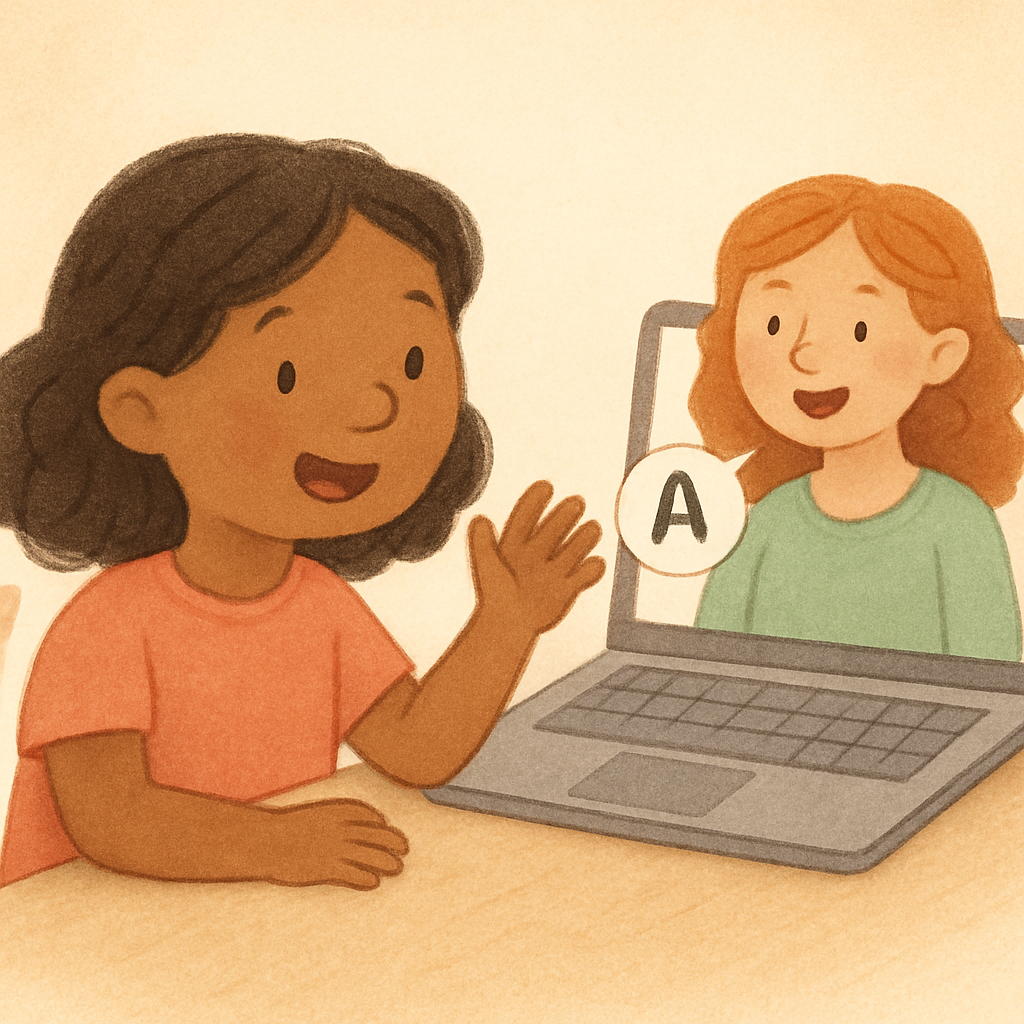
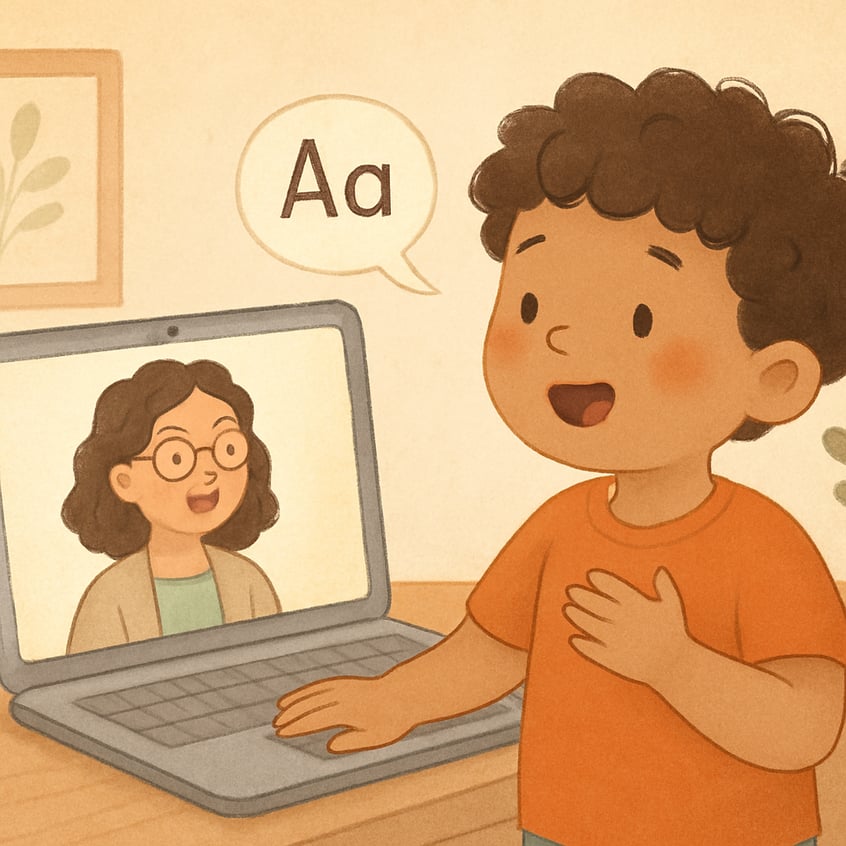
Technology has transformed how we access health services, and speech therapy is no exception. Telehealth, also known as online speech therapy, allows you to receive high-quality care from a speech-language pathologist through video conferencing. This model provides remote access to speech therapy services, breaking down geographical barriers and making it easier to get consistent support.
This approach is particularly beneficial for those living in remote areas or who have difficulty traveling. You can connect with a qualified professional from the comfort of your own home, ensuring that distance is no longer an obstacle to improving your communication.
Effectiveness of Online Speech Therapy and Finding Services Like Speech Therapy Liverpool
Wondering if online speech therapy is as effective as in-person sessions? Research shows that telehealth delivers highly effective speech pathology services, offering personalized care and targeted intervention to help you achieve your communication goals. Many people also appreciate the convenience and comfort of at-home sessions.
Finding online services is easier than ever. Search for local clinics—like “speech therapy Liverpool”—as many now offer telehealth options. Professional organizations such as Speech Pathology Australia provide directories of qualified providers.
To find a therapist:
-
Ask your healthcare provider for a referral.
-
Search online for private practices specializing in telehealth.
-
Check with professional associations for certified speech pathologists.
Conclusion
In conclusion, speech therapy telehealth is transforming access to care across Australia. It connects therapists and clients anywhere, making support available regardless of location. Online sessions offer flexibility and can improve treatment effectiveness. Understanding when to seek help is key to better communication skills.
If you’d like to learn more or find the right services, contact us for a consultation or call daar at 02 9133 2500!
Frequently Asked Questions
What are the benefits of using telehealth for speech therapy compared to in-person sessions?
Telehealth for speech therapy offers flexibility, convenience, and access to a wider range of specialists. Patients can attend sessions from their homes, reducing travel time and associated costs while still receiving high-quality care tailored to their needs.
How can I determine if telehealth speech therapy is right for me or my child?
To decide if telehealth speech therapy suits you or your child, consider factors like comfort with technology, the nature of speech issues, access to local services, and recommendations from healthcare professionals. Evaluating these aspects will help in making an informed choice.
What technology do I need to participate in speech therapy via telehealth?
To participate in speech therapy via telehealth, you'll need a reliable internet connection, a computer or tablet equipped with a webcam and microphone, and appropriate software like Zoom or Telehealth platforms. Ensure your device is updated for the best experience.
.svg)




.svg)