
.png?width=48&height=48&name=Group%201%20(3).png)























27 January, 2026

Early Intervention for Speech Delay: Why It Matters
Introduction
As a parent, you eagerly await your child's first words and sentences. While every child develops at their own pace, you might have concerns if their speech seems behind that of their peers. Understanding the signs of a potential speech delay is the first step toward getting your child the support they need. This guide explores why early intervention is so important for your child's long-term language development and how you can help them find their voice, ensuring they have the tools to communicate effectively.
Key Highlights
-
Recognizing a speech delay early is crucial for your child’s development.
-
Speech delay involves difficulty producing sounds, while language delay relates to understanding and communicating.
-
Causes can range from hearing loss and oral-motor problems to environmental factors.
-
Untreated delays can affect a child’s learning, social skills, and emotional well-being.
-
Early intervention, like speech therapy, can significantly improve a child’s communication skills.
-
Parents play a key role by creating a language-rich environment at home and seeking timely professional help.
Understanding Speech Delay and Its Types
A speech delay occurs when a child doesn’t reach expected speech milestones for their age. Signs in toddlers include not babbling by 9 months, not saying single words by 16 months, or not combining two words by age two. They may also use gestures more than sounds to communicate.
Speech delays are common, affecting about 1 in 5 children. Some kids catch up on their own, while others may have underlying developmental issues. Understanding the differences between types of delays and specific speech disorders can help you better support your child.
Differentiating Between Speech Delay, Language Delay, and Late Talkers
Speech and language delays are different. A speech delay involves difficulty producing clear sounds and words, making a child to be understood. A language delay affects understanding and using language, so a child may speak clearly but struggle with sentences or following directions.
"Late talkers" are young children with smaller vocabularies who otherwise develop normally; most catch up without help. However, if a child is far behind or shows other warning signs, it could indicate a more serious delay needing professional support.
Overview of Common Speech Disorders: Cluttering, Dysarthria, Apraxia of Speech, and Stuttering
Certain speech disorders can affect a child’s ability to communicate, often due to muscle weakness or disrupted brain pathways. Oral-motor problems create physical barriers to forming words.
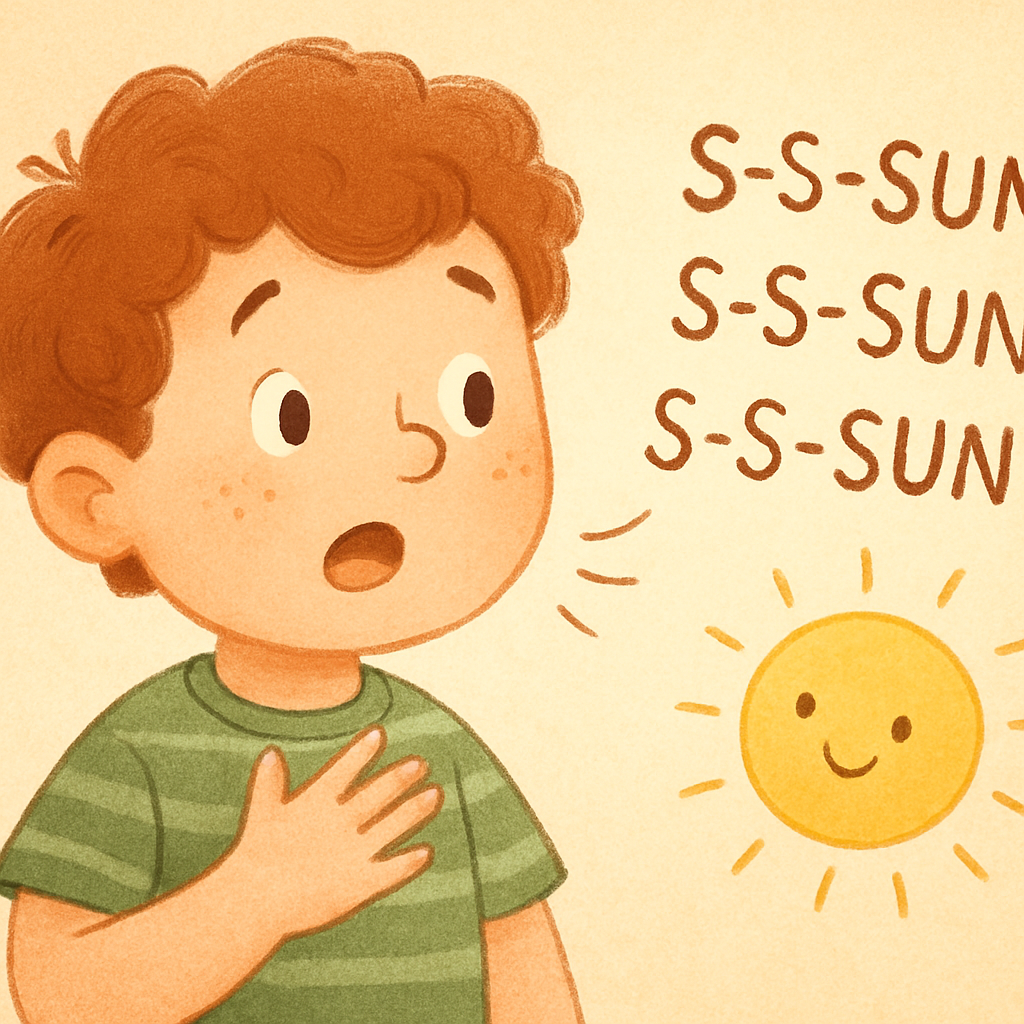
Childhood apraxia of speech is a motor disorder where the brain has trouble coordinating muscle movements for speech. Dysarthria results from weak tongue or palate muscles, causing slurred or mumbled speech. Stuttering involves repeated sounds, syllables, or words, interrupting the flow of speech.
Identifying the specific disorder is essential for effective treatment.
|
Disorder |
Description |
|---|---|
|
Dysarthria |
Muscle weakness causes slurred or slow speech. |
|
Childhood Apraxia of Speech |
Difficulty coordinating movements for speech sounds. |
|
Stuttering |
Repetitions disrupt fluent speech. |
|
Articulation Disorder |
Trouble producing certain sounds makes speech hard to understand. |
Why Early Intervention is Essential for Speech Delay
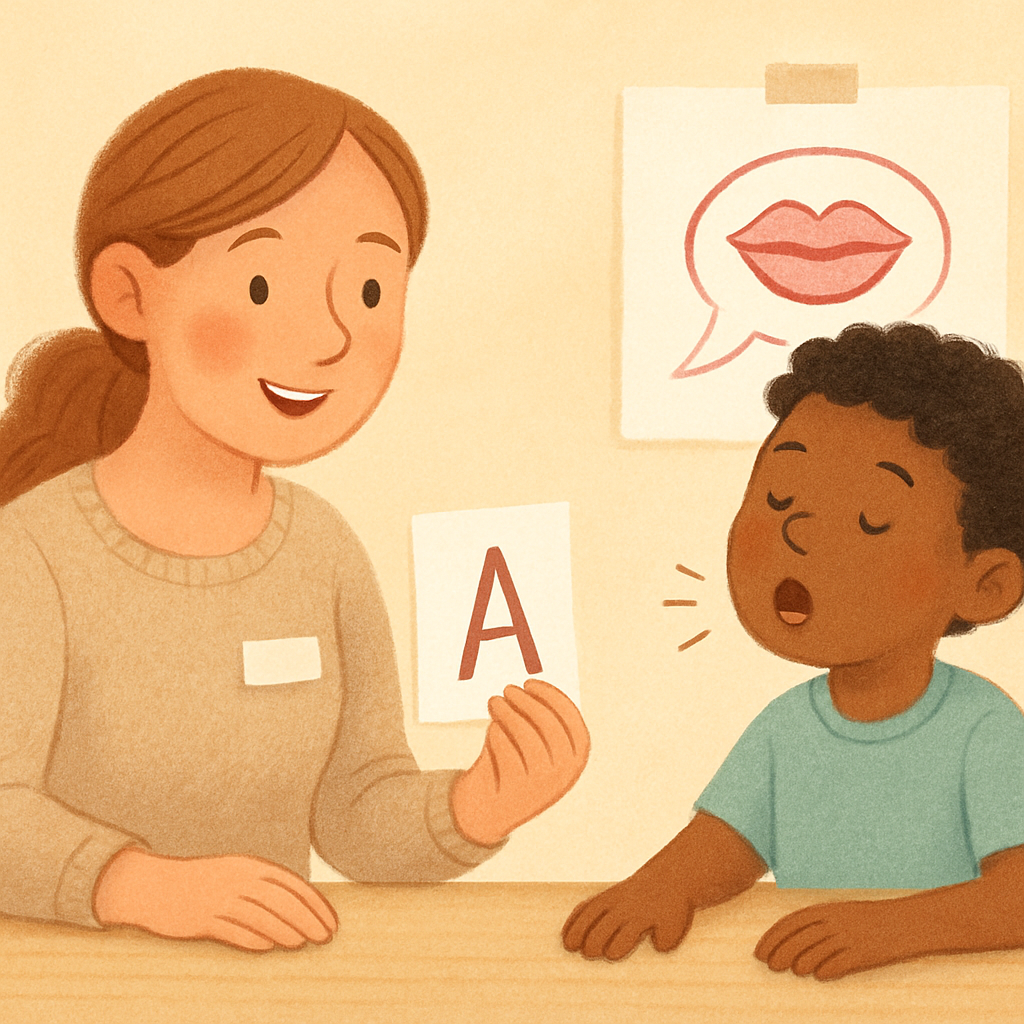
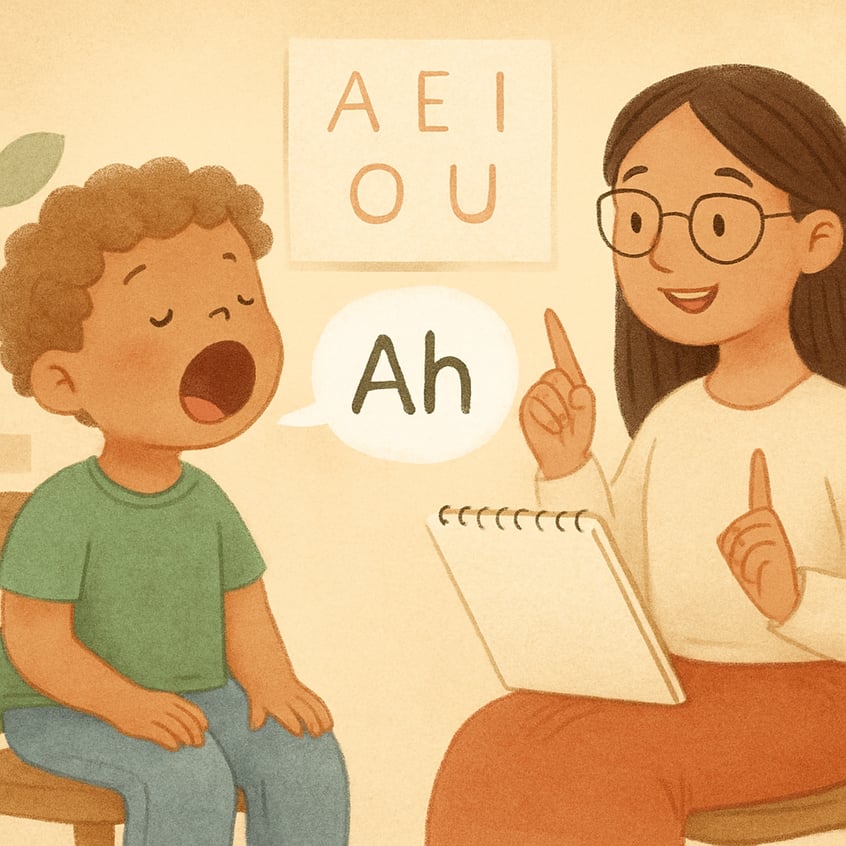
Early action is crucial when you spot signs of speech delay. Speech therapy can help your child build essential language skills for communication, learning, and socializing. If your child misses milestones or shows red flags, seeking professional help can set them on the right path.
Treatment usually starts with a full evaluation, including a hearing test. A speech-language pathologist then creates a tailored plan. Knowing the impact of delays and the benefits of early support helps you make informed choices for your child.
Impact on Learning Abilities, Social Skills, and Emotional Well-Being
A speech delay affects more than just talking—it can impact your child's learning, social life, and emotional well-being. Communication skills are essential for academic success; untreated speech issues increase the risk of learning disabilities, especially in reading and spelling.
Socially, speech delays make it harder for children to interact, make friends, and join group activities, often leading to frustration and isolation. Emotionally, struggling to express needs can harm their well-being.
Without support, children with speech delays may experience:
-
Behavior problems from frustration
-
Difficulty adjusting socially
-
Possible cognitive delays if issues aren't addressed
How Timely Support Can Improve Outcomes for Children
Early intervention significantly improves outcomes for children with speech delays. Professionals diagnose delays through screenings, case histories, observation, and formal assessments. Once identified, language therapy addresses specific challenges to help your child meet developmental milestones.
At home, you play a vital role. Narrate daily activities, read together, and sing songs to model language. Expand on your child’s words—for example, if they say "car," respond with "Yes, a big blue car!" Offer choices like "Do you want milk or juice?" to encourage talking.
Consistent use of these strategies creates a supportive environment. Early intervention combined with home support gives your child the best chance for strong communication skills.
Conclusion
Early intervention for speech delay is vital for a child's development. Prompt action enhances learning, social skills, and emotional well-being. Recognizing signs early empowers caregivers to seek support, laying the groundwork for growth and confidence. If you’re concerned about your child’s speech, seek guidance—early action can make a lasting difference.
Contact daar for a consultation or call at 02 9133 2500 for local professional speech therapy!
Frequently Asked Questions
Are speech delay and language delay the same thing?
No, they are different. A speech delay relates to the physical production of sounds and words, making a child's speech hard to understand. A language delay involves difficulty understanding others (receptive language) or sharing thoughts and ideas (expression of language), which affects overall communication skills and meeting developmental milestones.
Can a speech delay affect my child’s learning or social skills?
Yes, a speech delay can significantly impact learning and social skills. Delayed speech makes it harder for a child to express themselves, understand others, and participate in classroom activities. This can affect their ability to form friendships and may lead to challenges with academic skills that rely on strong language development.
At what age should I worry if my child isn’t talking yet?
You should talk to your pediatrician if your child is missing key milestones. For example, be concerned if there are no gestures like pointing by 12 months, no intelligible single words by 16 months, or no spontaneous two-word phrases by 24 months. Your pediatrician can assess their speech development and provide a referral if needed.
.svg)




.svg)