
.png?width=48&height=48&name=Group%201%20(3).png)























8 January, 2026

Speech Pathology: Overcoming Communication Barriers
Introduction
Effective communication is the cornerstone of our daily lives, allowing us to connect, learn, and express ourselves. But for many, communication barriers can create significant challenges. Have you ever wondered how people overcome these obstacles? This is where the field of speech pathology comes in. It provides the tools and support necessary for individuals to break through these barriers, find their voice, and engage more fully with the world around them. To become a speech pathologist, individuals typically need to earn a master's degree in speech-language pathology in Liverpool, complete supervised clinical experience, and pass a national examination. Let's explore this vital healthcare profession.
Key Highlights
-
A speech pathologist helps people of all ages overcome communication barriers, from children with developmental delays to adults recovering from a stroke.
-
They diagnose and treat a wide range of communication disorders, including issues with speech, language, voice, and even swallowing.
-
Improving communication skills through speech pathology can significantly enhance a person's quality of life and daily interactions.
-
Early intervention is crucial for young children with language disorders, as it can prevent more significant challenges later on.
-
Family involvement is a key component of successful speech therapy, creating a supportive environment for progress.
-
The terms speech pathologist and speech therapist are often used interchangeably, though speech-language pathologist is the preferred professional title.
Understanding Speech Pathology and Speech Therapy
Speech pathology is a specialized healthcare field focused on evaluating, diagnosing, and treating a wide range of communication and swallowing disorders. Professionals in this field, known as speech pathologists or speech therapists, are experts in helping people who struggle to communicate effectively. In Australia, university courses are available for those interested in studying speech pathology, providing the necessary education and training to become a qualified speech therapist.
So, what does a speech pathologist do, and who can benefit from their help? They work with clients to address everything from stuttering and voice problems to language difficulties following a brain injury. Their goal is to improve their patients' ability to speak, understand, and be understood.
Defining the Roles: Speech Pathologist vs. Speech Therapist
The terms "speech pathologist" and "speech therapist" are often used interchangeably, but the formal and preferred title is "speech-language pathologist" (SLP), reflecting their broad expertise.
SLPs are trained in communication sciences and provide comprehensive care. Their work goes beyond correcting speech sounds—they address complex language, cognitive-communication, and swallowing disorders. They assess patients, develop treatment plans, and guide therapy.
Regardless of the title used, SLPs help individuals overcome communication challenges across all ages, from infants with feeding issues to adults needing voice therapy. They are vital members of the healthcare team.
The Importance of Communication in Daily Life
Consider how often you communicate each day—from ordering coffee to chatting with a friend. Strong communication skills shape your quality of life, affecting relationships, education, and career.
For those with communication disorders, everyday interactions can be frustrating and isolating. Tasks become harder, impacting confidence and social life. This is especially challenging for children, as clear communication is essential for language development and making friends.
Speech pathologists in Liverpool help children overcome these difficulties through targeted interventions. Their support improves self-expression, boosts social engagement, and enhances academic success—setting children up for a brighter future.
Key Differences Between Speech Therapy and Speech Pathology
What is the difference between speech therapy and speech pathology? While often used interchangeably, there is a subtle distinction. Speech pathology is the broader field of study and the profession itself, encompassing the science of communication and its disorders.
Speech therapy, on the other hand, refers to the actual treatment and services provided by a speech pathologist. It is the practical application of the principles of speech pathology. Think of it this way: a pathologist practices therapy. They are two sides of the same coin, working together to address communication disorders.
While many use the terms synonymously, understanding this small difference can clarify their relationship. Language therapists and speech pathologists are dedicated to improving their clients' lives through targeted interventions.
|
Aspect |
Speech Pathology |
Speech Therapy |
|---|---|---|
|
Definition |
The broad healthcare field dedicated to communication sciences and disorders. |
The clinical services and treatment provided to address these disorders. |
|
Focus |
Diagnosis, assessment, and the scientific study of communication. |
The hands-on intervention, exercises, and strategies for improvement. |
Main Communication Disorders Treated by Speech Pathologists
A speech pathologist is equipped to handle a vast array of communication disorders. These conditions can affect anyone, from young children to older adults, and stem from various causes like developmental delays, brain injury, or neurological conditions. These healthcare professionals work to improve not just speech, but overall communication skills.
The following sections will explore some of the primary conditions that speech pathologists treat. We will look at specific language disorders, articulation issues, and the impact of social communication difficulties, giving you a clearer picture of their important work.
Language Disorders in Children and Adults
Language disorders affect how a person understands and uses words—not the physical act of speaking, but processing language. These disorders can occur at any age and are generally categorized as receptive or expressive.
Receptive language disorders make it hard to understand others, such as following directions or grasping conversations. Expressive language disorders involve difficulty sharing thoughts, forming sentences, or finding the right words.
Speech pathologists diagnose these challenges and create strategies to improve comprehension and expression. Their support is vital for building confidence and enabling meaningful communication in daily life.
Articulation and Pronunciation Issues
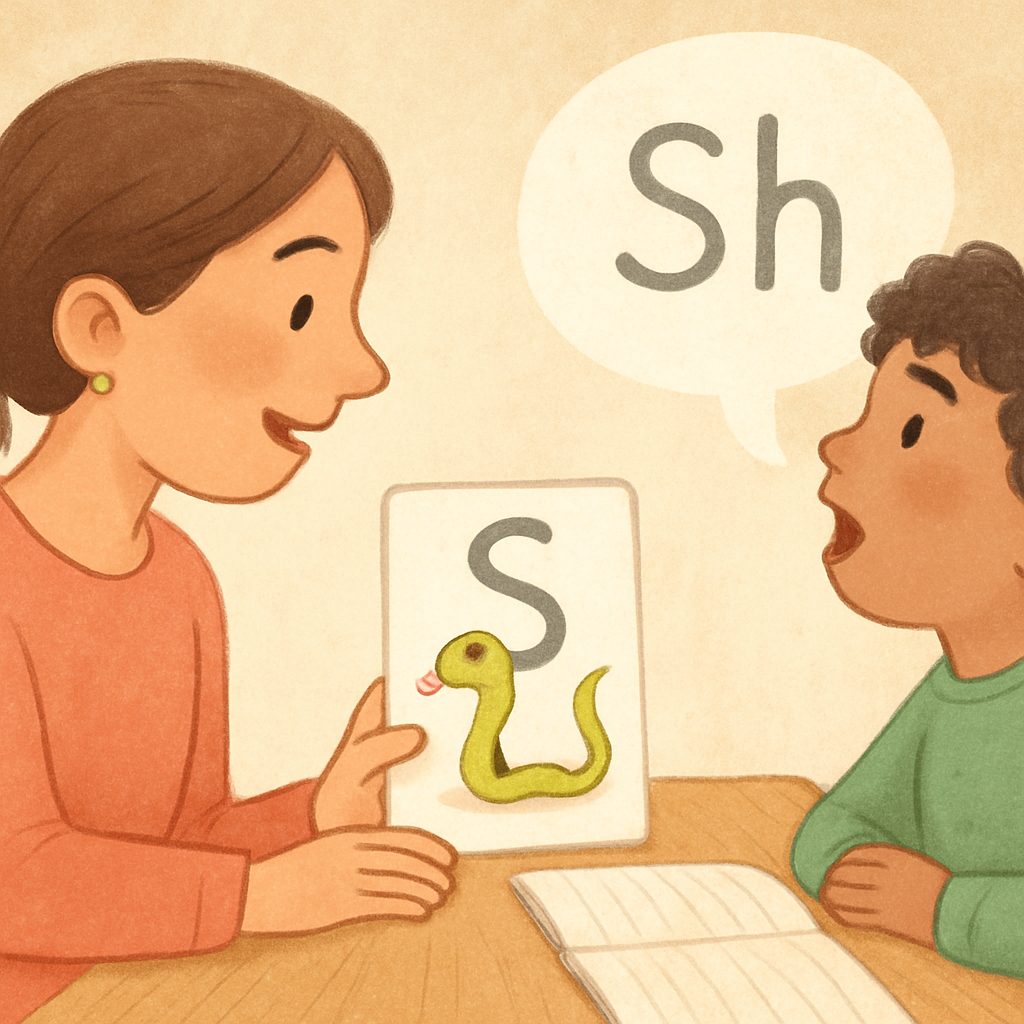
Trouble understanding someone may stem from an articulation disorder, which is difficulty physically producing speech sounds. It involves precise movements of the lips, tongue, and jaw to form clear sounds.
These disorders can cause substitutions or distortions of sounds, such as trouble pronouncing “r.” Phonological disorders are similar but affect patterns of sound errors rather than individual sounds.
A speech pathologist can diagnose these issues and use targeted therapy to teach correct mouth positioning, improving speech clarity and making communication easier.
Social Communication Disorders and Their Impact
Social communication is the use of verbal and nonverbal cues to interact with others. It includes understanding conversation rules—like turn-taking, staying on topic, and reading body language—which are essential for building relationships.
Problems in this area, called social communication disorders, can greatly affect daily life. People with autism or brain injuries often face these challenges—they may have trouble understanding sarcasm, making friends, or handling social situations, which can lead to isolation and impact mental health.
Speech pathologists help by teaching practical social skills, such as:
-
Practicing conversations in a supportive setting
-
Interpreting facial expressions and body language
-
Recognizing different tones of voice
The Role of Family and Caregivers in Speech Therapy
Success in speech therapy isn't just about what happens during a session; it extends into the home and daily life. The support of family and caregivers is incredibly important. Family involvement helps reinforce the techniques and strategies learned in therapy, creating a consistent environment for practice and growth.
When family members actively participate, they become partners in the therapeutic process. This collaborative approach can accelerate progress and provide emotional support for the individual facing communication problems. The following sections will discuss how therapy is tailored to individual needs and what resources are available to families.
Tailoring Speech Therapy Techniques to Individual Needs
Speech therapy begins with a thorough assessment by a speech pathologist to identify your specific needs. Based on this, they create a personalized treatment plan. For children, sessions may use play-based activities; for adults, especially those recovering from stroke, therapy focuses on practical communication skills.
Techniques are tailored to be age-appropriate and engaging, such as:
-
Using augmentative communication devices for nonverbal individuals
-
Exercises to strengthen swallowing muscles
-
Practicing social scenarios to build confidence
Each session is customized to help you make meaningful progress.
Resources for Families: Navigating Speech Therapy Support Options
Finding the right support for a loved one can feel overwhelming, but there are many resources available to help you navigate speech therapy services. In Australia, a great starting point is Speech Pathology Australia, the national body for the profession. They can help you find qualified professionals in your area.
Many families find help through private practices, which often offer specialized services and flexible scheduling. Your family doctor or other healthcare professionals can also provide referrals. Additionally, the Australian government may offer funding or programs to help cover the costs of therapy, especially for children with developmental delays.
Don't hesitate to reach out and explore your options. Finding the right support system is a critical step in the journey. Here are some places to look for help:
-
Speech Pathology Australia's directory.
-
Local community health centers.
-
Referrals from pediatricians or occupational therapists.
-
University clinics that offer speech pathology services.
Conclusion
In conclusion, speech pathology plays a crucial role in overcoming communication barriers that can significantly impact individuals' daily lives. By understanding the various disorders treated and the importance of tailored therapy techniques, families and caregivers can better support those in need. Effective communication is essential for personal and professional relationships and addressing these issues early can lead to improved outcomes. If you or a loved one is struggling with communication challenges, don’t hesitate to seek guidance from a qualified speech pathologist in Liverpool or Canterbury.
Book for a consultation or call daar at 02 9133 2500 today. Your journey toward clearer communication starts today!
Frequently Asked Questions
When Should Parents Seek Help from a Speech Pathologist for Their Child?
Parents should consider seeing a speech pathologist if they notice developmental delays in their child's speech or language. If your young child has communication difficulties, isn't meeting milestones, or is hard to understand, seeking help is a good idea. Early intervention is key to addressing issues before they become more significant.
How Do You Find a Qualified Speech Pathologist in Australia?
To find a qualified speech pathologist in Australia, start by visiting the Speech Pathology Australia website, which has a directory of certified professionals. You can also ask for referrals from other healthcare professionals, such as your GP, or search for local private practices that offer speech therapy services.
What are the common communication disorders that speech pathologists help with?
Speech pathologists treat a variety of communication disorders. These commonly include language disorders (both expressive and receptive), speech disorders like stuttering and articulation issues, and challenges associated with conditions like autism spectrum disorder, stroke, brain injuries, and hearing loss. They also work with voice and swallowing problems.
.svg)




.svg)