
.png?width=48&height=48&name=Group%201%20(3).png)























13 January, 2026

The Importance of Speech Therapy in Early Childhood
Introduction
Communication is at the heart of how we connect with the world. It allows you to share ideas, express feelings, and build relationships. For many, however, speech and language challenges can create significant barriers. This is where speech therapy can make a profound difference. It is a powerful tool designed to help individuals of all ages overcome these obstacles, fostering effective communication and supporting healthy language development for a more fulfilling life.
Key Highlights
-
Speech therapy is a specialized treatment that improves communication skills for people of all ages.
-
Early intervention is crucial for children, as therapy before age five often leads to faster progress in language development.
-
Therapy addresses various speech and language disorders, from articulation issues to challenges from brain injuries or autism.
-
A qualified speech therapist creates personalized plans to meet your specific needs.
-
Effective speech therapy can boost confidence, improve social interactions, and enhance your overall quality of life.
Who Can Benefit from Pediatric Speech Therapy?
Pediatric speech therapy supports children with various communication needs—not just those with major language disorders. It also helps kids with mild speech or social difficulties. If a child has trouble expressing themselves or understanding others, therapy offers targeted assistance.
Treatment is personalized to each child, and early intervention leads to better results. The next sections discuss which children may need support and how therapy is tailored by age group.
Identifying Children Who May Need Support
It can be hard to tell if your child’s language challenges are part of normal development or a potential concern. Certain signs may indicate they should see a speech pathologist, such as delays in talking or specific speech issues.
Watch your child’s communication compared to peers. If they seem to struggle more, it may be time to seek professional advice.
Consider getting support if your child:
-
Talks less than other children their age
-
Gets frustrated trying to communicate
-
Has trouble following simple directions
-
Misses key speech milestones for their age
Age Groups and Early Intervention Opportunities
Early speech therapy is crucial for young children. Research shows that starting before age five leads to faster progress and better long-term outcomes, as the brain is most adaptable in early years.
For toddlers and preschoolers, therapy often uses play-based activities to make learning fun while building vocabulary, sentence structure, and social skills.
Beginning therapy early gives your child the best chance for academic success and positive social experiences. It boosts confidence and reduces frustration from communication challenges.
Common Conditions and Challenges Managed Through Speech Therapy
Speech therapy is designed to help with a wide range of conditions that affect communication abilities. From developmental speech disorders in children to acquired language challenges in adults after a stroke, a therapist can provide targeted support. These issues can include articulation problems, stuttering, voice disorders, and difficulties with understanding or using language.
By identifying the specific speech or language challenges, a therapist can create a plan to improve clarity, fluency, and overall communication, which can greatly enhance a person's quality of life. Let’s look at some of these areas more closely.
Addressing Speech and Language Delays in Young Children
Language delays in young children can impact their ability to express needs and connect with others. Speech therapy addresses these challenges by building a strong language foundation through engaging activities that expand vocabulary and sentence formation.
Therapists also improve speech clarity with articulation exercises, helping children pronounce sounds correctly. This makes them easier to understand and boosts their confidence.
Early intervention is crucial. Prompt support prevents delays from worsening and promotes better social and academic outcomes.
Supporting Social Communication Skills and Development
Effective communication goes beyond speaking clearly—it requires understanding social cues. For many children, especially those with autism, this can be challenging. Speech therapy helps build these social skills.
Therapists teach children to engage in conversations, take turns, and read non-verbal signals like facial expressions and body language. These skills help them form friendships and manage social situations better. While speech therapy focuses on sound production, speech pathology also covers how language is used socially.
Therapy strategies include:
-
Using pictures to discuss social scenarios
-
Role-playing conversations
-
Modeling correct grammar and vocabulary
-
Teaching how to interpret gestures and tone of voice
Inside a Pediatric Speech Therapy Session
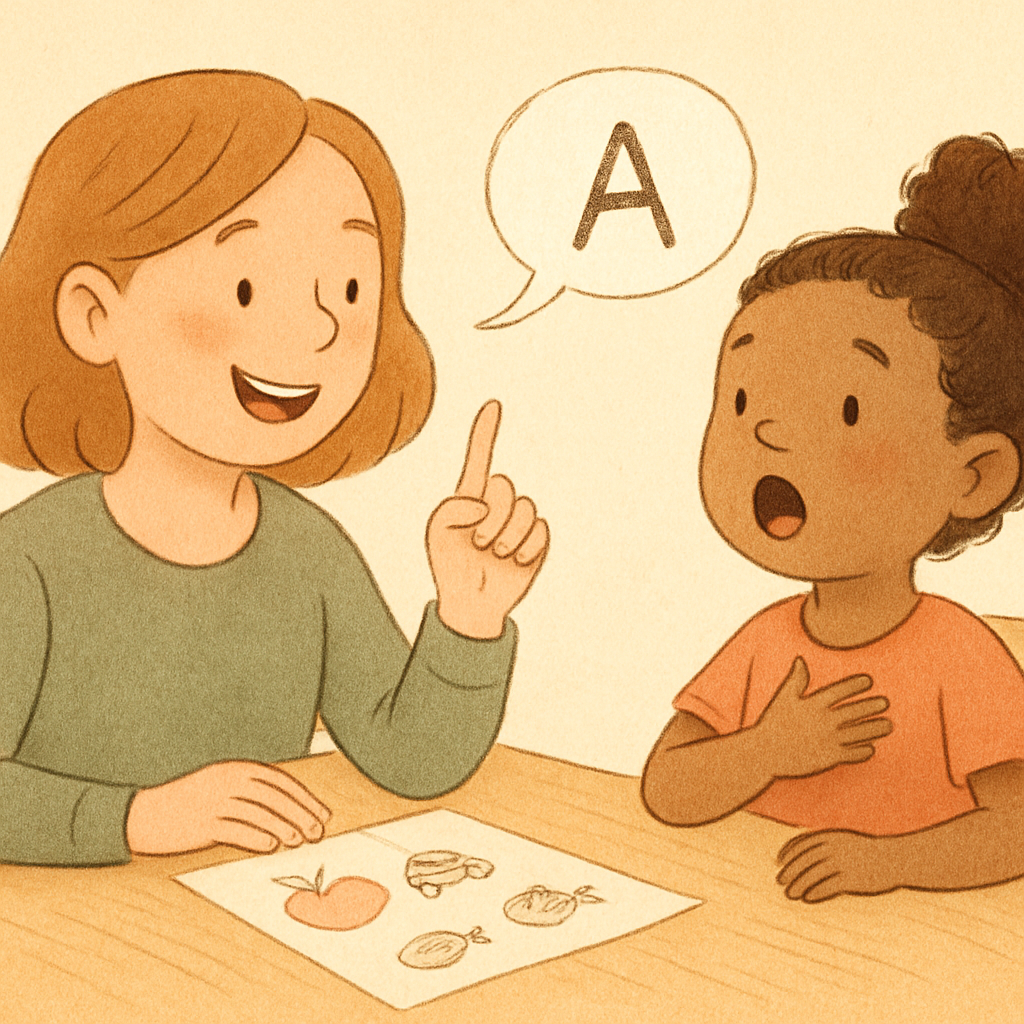
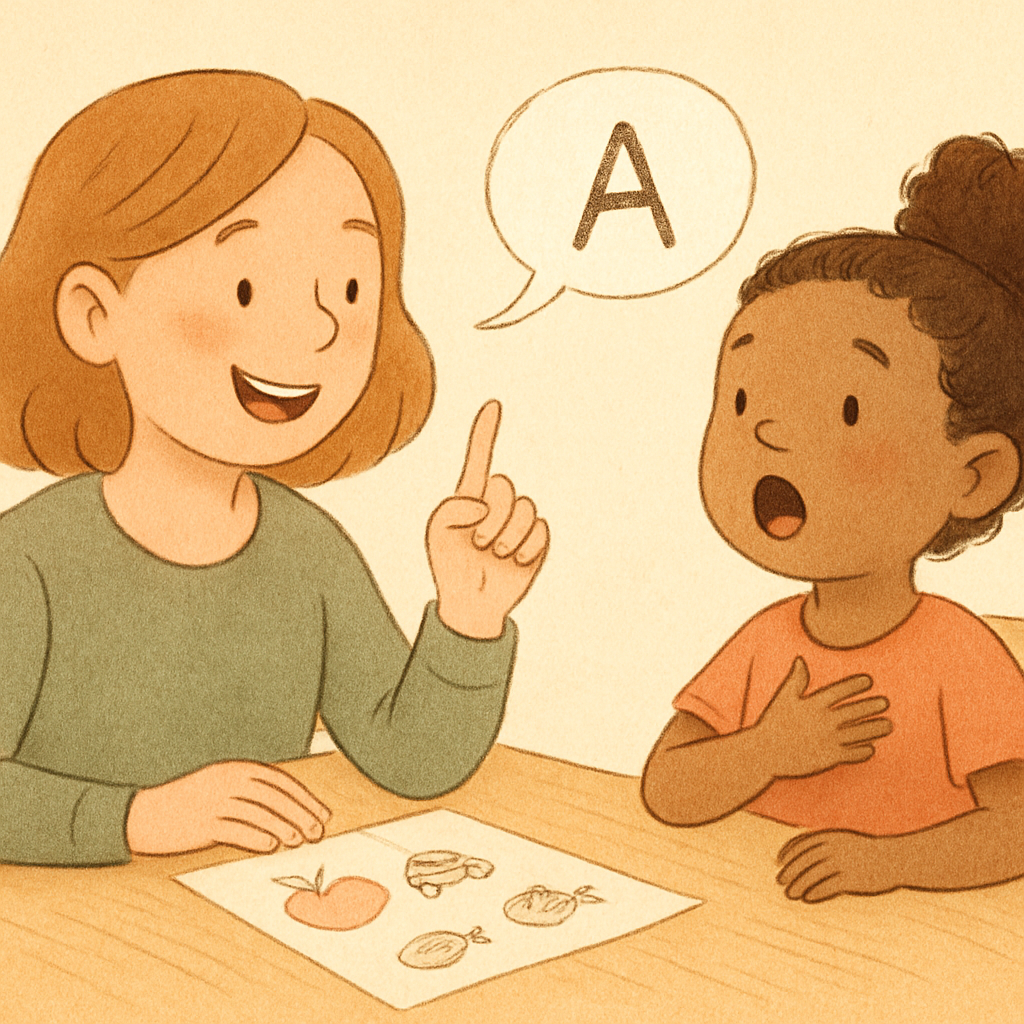
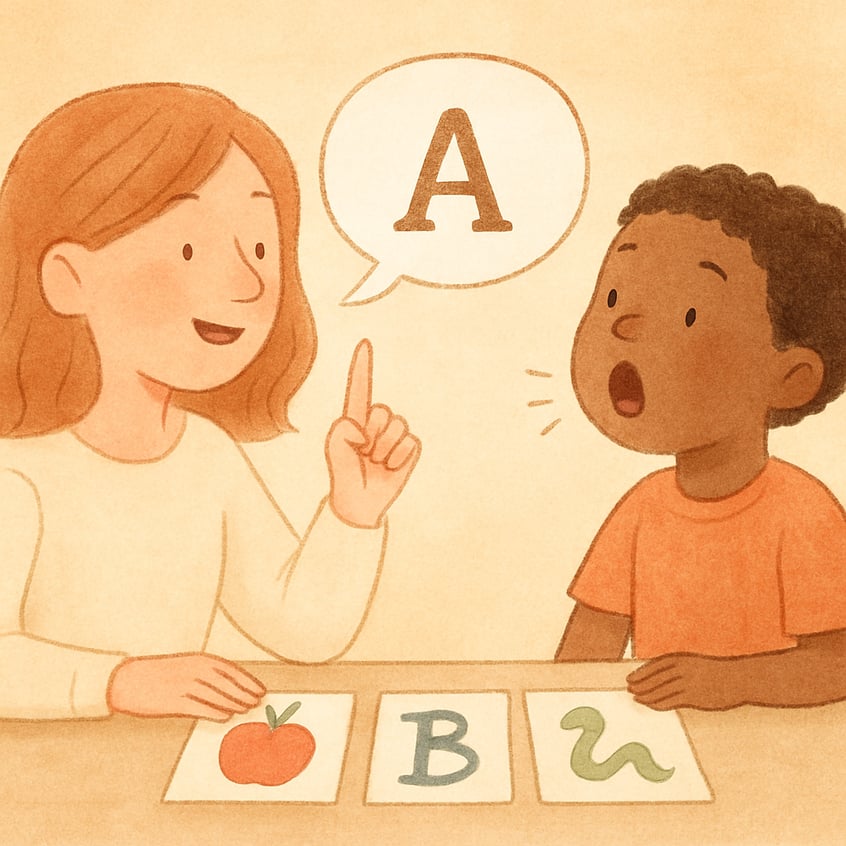
If you’re new to speech therapy, you might wonder what happens during a session. Each appointment is carefully planned by a speech therapist to address the individual needs of your child. The process usually begins with an assessment to identify specific challenges and set clear goals.
From there, therapy sessions involve a variety of engaging language intervention activities designed to be both fun and effective. The environment is supportive and encouraging to help your child feel comfortable. The following sections will detail the assessment process and what you can expect from local services.
Assessment, Goal Setting, and Evidence-Based Techniques
The therapy process begins with a comprehensive assessment conducted by a speech therapist. This first step is designed to understand your child's unique communication strengths and challenges. The therapist may use a combination of standardized tests, observation, and interviews with you to gather information.
Based on the assessment, the speech therapist will collaborate with you on goal setting. These goals are tailored to your child's specific needs and are designed to be achievable. The therapy sessions that follow will use evidence-based techniques, such as articulation therapy or language-building games, to work toward these goals.
The therapy process is structured to ensure progress is made in a logical and supportive way. Here is a simple breakdown of what to expect:
|
Stage of Therapy Process |
What It Involves |
|---|---|
|
Initial Assessment |
The therapist evaluates speech, language, and communication skills. |
|
Goal Setting |
You and the therapist collaborate to set personalized, achievable goals. |
|
Therapy Sessions |
The therapist uses targeted activities and exercises to work on goals. |
|
Home Practice |
You receive strategies to reinforce skills between sessions. |
What to Expect in Liverpool and Canterbury Speech Therapy Services
When seeking speech therapy in Liverpool or Canterbury, you’ll receive professional, personalized care. A qualified speech pathologist works with you and your child to address specific needs through engaging and motivating sessions.
Therapists use play-based activities for young children and more structured exercises for older ones, while also offering guidance for families to practice at home—a key part of progress.
In Australia, funding is often available through programs like the National Disability Insurance Scheme (NDIS), depending on eligibility. Discuss funding options with your provider.
Conclusion
Speech therapy is vital for early childhood development, boosting communication skills and confidence. Early intervention improves social interactions and academic success. If you’re unsure about your child’s needs or finding services, reach out for help. Effective communication starts with the right support—explore options and consider a consultation to see how speech therapy can help.
Book for a consultation or call daar at 02 9133 2500 to learn more about how we can help.
Frequently Asked Questions
How do I know if my child should see a speech pathologist?
You should consider seeing a speech pathologist if your child shows signs of communication difficulties, such as falling behind in language development or having unclear speech. If they get frustrated trying to talk or struggle to follow directions, early intervention can help address potential speech disorders and support their growth.
Are speech therapy services, like those offered in Liverpool and Canterbury, covered by NDIS?
Yes, speech therapy services are often funded by the NDIS if your child has a disability with specific needs related to communication. A registered speech pathologist can help you determine if your child is eligible and guide you through accessing NDIS funding to improve their skills and quality of life.
How can I find a qualified speech therapist or speech pathology service in my Australian area?
To find a qualified speech therapist, you can start by asking your doctor for a referral or searching the directory on the Speech Pathology Australia website. This ensures the professional is certified and follows best practices for addressing communication needs and promoting effective communication. Look for a therapist who specializes in your child’s age group.
.svg)




.svg)