
.png?width=48&height=48&name=Group%201%20(3).png)























5 January, 2026

Exploring Speech Pathology: What You Need to Know

Introduction
Have you ever wondered what speech pathology is all about? It’s a specialized field focused on helping people overcome communication disorders. A speech pathologist, or speech therapist, is an allied health professional trained to diagnose and treat issues with speech language, listening, writing, and even swallowing. In places like Australia, speech pathology plays a crucial role in helping individuals express themselves clearly and connect with the world around them, significantly improving their daily lives.
Key Highlights
-
Speech pathology services help people of all ages improve their communication skills and address swallowing issues.
-
A speech pathologist is a trained health professional who diagnoses and treats a wide range of communication disorders.
-
Speech therapy services can assist children with developmental delays and adults recovering from a brain injury or stroke. Common conditions treated include stuttering, language disorders, and problems with voice or swallowing. To become a speech pathologist, individuals typically need a master's degree in speech-language pathology, supervised clinical experience, and state licensure; certification requirements may vary by location.
-
Common conditions treated include stuttering, language disorders, and problems with voice or swallowing.
-
Therapy involves an initial assessment, goal setting, and personalized exercises to improve your quality of life.
Who Can Benefit from Speech Pathology Services
A speech pathologist is a university-trained professional who helps people of all ages with communication issues. They support children learning to speak, adults facing new challenges, and those with swallowing difficulties. Their work covers developmental delays, language disorders, and more. By diagnosing and treating these problems, speech pathologists help individuals communicate better. We will explore how they assist children and adults and address social communication needs. If you are interested in becoming a speech pathologist in Australia, there are university courses available that offer accredited training in speech pathology. These programs equip students with the knowledge and skills necessary to work in this rewarding field.
Support for Children with Communication Difficulties
Developing language skills is crucial for young children. When challenges arise, a speech pathologist provides vital support, helping with developmental delays, hearing loss, or autism spectrum disorder. Early intervention can greatly impact a child’s success.
Speech pathologists assist children by:
-
Improving speech, language, and communication
-
Addressing swallowing difficulties
-
Helping children with delays catch up to peers
Therapists use play-based activities and engaging exercises to make learning enjoyable. These personalized strategies build confidence and prepare children for social interaction and school. Early support lays a strong foundation for future learning and relationships.
Assisting Adults with Speech and Swallowing Challenges
Adults may need a speech pathologist due to neurological conditions or injuries, such as stroke or brain trauma, which can impact speech, language comprehension, or swallowing. Speech therapists play a crucial role in recovery, helping restore lost abilities and improve quality of life.
Speech therapy for adults addresses:
-
Communication difficulties from stroke, brain injury, or dementia
-
Voice problems needing specialized treatment
-
Swallowing issues that affect eating and drinking
The aim is to restore communication skills and develop strategies for ongoing challenges. By strengthening speech and swallowing muscles, therapists help adults regain independence and confidence.
Addressing Social Communication Needs Across Age Groups
Social communication goes beyond words; it involves understanding social cues, taking turns, and connecting with others. People with communication disorders or certain mental health conditions often struggle in these areas. Speech pathologists help individuals of all ages overcome these challenges.
Therapists teach key social skills essential for relationships, including:
-
Interpreting and using nonverbal cues like body language
-
Practicing conversation skills, such as asking questions and staying on topic
-
Seeing situations from another person's perspective
Building these skills enables fuller participation in social settings at school, work, and home. Improved social communication reduces frustration and anxiety, leading to stronger relationships and better well-being.
Main Conditions Treated by Speech Pathologists
Speech pathologists diagnose and treat a wide range of communication disorders, from sound production issues to language difficulties. Whether caused by development or injury, they have the expertise to help.
They address speech and language disorders, as well as voice and swallowing problems. Key conditions include speech sound issues, language disorders, stuttering, and voice or swallowing difficulties.
Language Disorders and Speech Sound Issues
Language disorders affect how people understand and use words. Receptive disorders make it hard to comprehend language, while expressive disorders cause difficulty forming sentences. Speech pathologists build vocabulary and improve sentence structure.
Speech sound disorders are also common. Articulation disorders involve trouble making certain sounds, like saying "wed" instead of "red." Phonological disorders mean using correct sounds in the wrong patterns.
Speech pathologists teach language rules and speech patterns. Through targeted exercises, they help you communicate more clearly and understand others better.
Fluency Disorders such as Stuttering
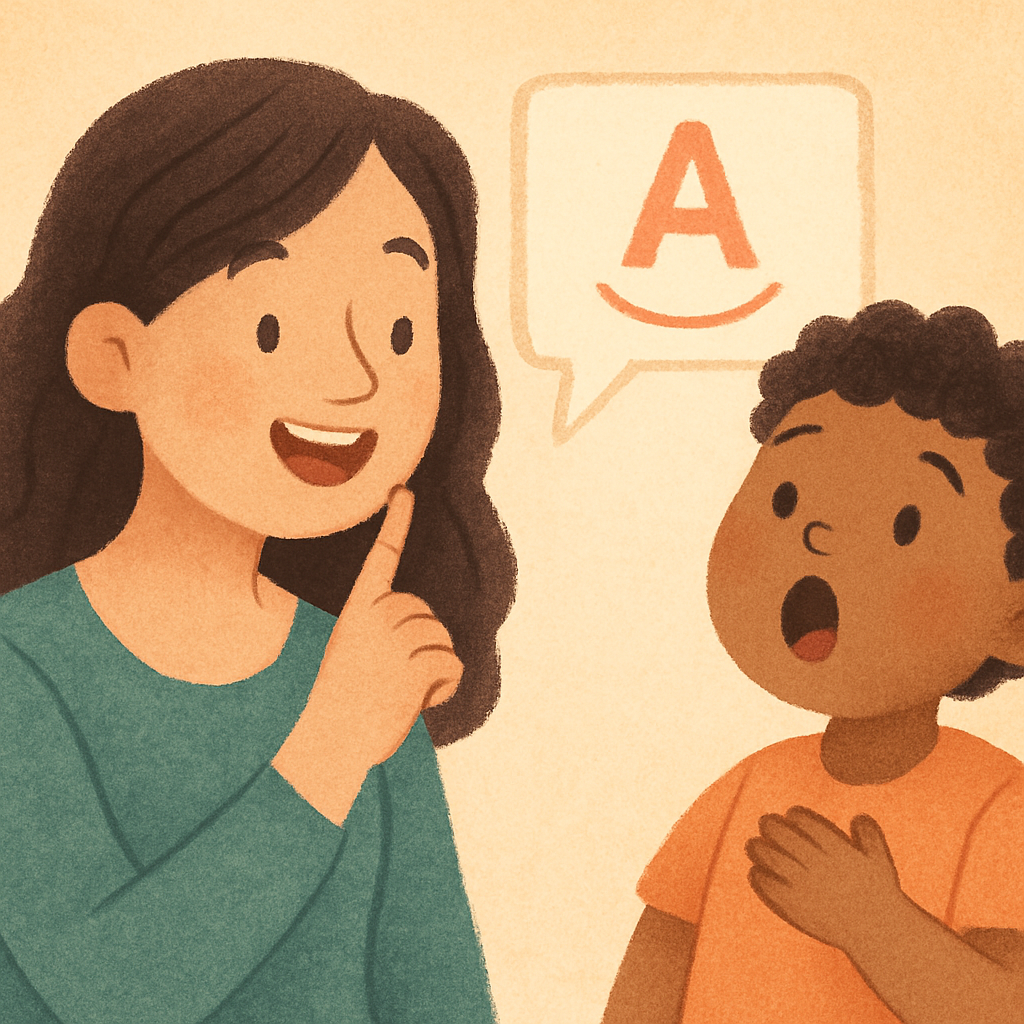
Fluency disorders disrupt the natural flow, speed, and rhythm of speech. The most well-known fluency disorder is stuttering, where speech may be blocked or interrupted by repeated sounds or words. Another type is cluttering, which involves speaking very fast and merging words, making speech difficult to understand.
These communication disorders can affect a person's confidence and willingness to speak. A speech pathologist can provide strategies to manage these challenges and improve speech fluency. The goal is not always to eliminate the stutter completely but to help you speak more easily and comfortably.
Therapy for fluency disorders often focuses on techniques to control breathing and slow the rate of speech. By working on the physical aspects of speech language and addressing any anxiety related to speaking, a speech pathologist can help you communicate more effectively and with greater confidence.
Voice and Swallowing Problems
Struggling with your voice? Voice disorders (dysphonia) can make your voice hoarse, weak, or raspy. Resonance disorders also affect how you sound, often due to issues like a cleft palate or swollen tonsils disrupting airflow. Speech pathologists use voice therapy to improve vocal quality.
They also treat swallowing disorders (dysphagia), which make eating, drinking, or taking medication unsafe—often after strokes, brain injuries, or neurological conditions.
A speech pathologist will assess your swallowing and recommend exercises or strategies for safer eating and drinking, such as muscle strengthening or modifying food textures to reduce choking risk.
How Speech Therapy Works: What to Expect
Starting speech therapy services can feel like a big step, but understanding the process can make it easier. Speech therapists begin by getting to know you and your specific challenges. Your first appointment usually involves an assessment to understand the nature of your difficulties.
From there, your therapist will create a personalized plan to help you achieve your goals. Each therapy session is designed to build your skills through targeted exercises and activities. The following sections will explain the assessment process, typical techniques used, and what happens in a session.
Assessments and Setting Goals
Your speech therapy journey starts with a comprehensive assessment. In the first session, the therapist will discuss your communication challenges and general health to understand your needs. They may use simple tests or observe you in familiar settings like home or school.
This evaluation identifies your strengths and areas for improvement. Based on the results, you and your speech pathologist will set clear, achievable goals to guide therapy and track progress.
Sometimes, your speech pathologist may work with other professionals, such as occupational or language therapists, to provide holistic care. This team approach supports your overall well-being and leads to better outcomes.
Typical Techniques Used in Speech Therapy
Speech therapy uses proven techniques tailored to your needs and goals to improve communication. Therapy may include physical exercises, cognitive activities, or technology.
For articulation issues, therapists guide you through tongue and mouth exercises. Accent modification focuses on pronunciation and intonation. Voice therapy enhances vocal quality, while augmentative systems provide alternative ways to communicate if speaking is difficult.
You’ll also get activities to practice at home for continued progress.
|
Technique |
What It Helps With |
|---|---|
|
Tongue and Mouth Exercises |
Clearer speech through stronger muscles |
|
Reading Aloud |
Better brain–mouth connection |
|
Word and Memory Games |
Improved thinking and memory skills |
|
Voice Therapy |
Stronger voice and less strain |
What Happens in a Speech Therapy Session
A typical therapy session is collaborative and supportive. Your speech pathologist guides you through targeted exercises for your communication needs. For children, sessions often use games and play; for adults, they focus on rebuilding specific skills.
You might work on pronunciation or understanding nonverbal cues like body language. Your pathologist offers feedback and adjusts activities as you progress. Sessions can be one-on-one or in groups, based on your needs.
The number of sessions depends on your progress and the complexity of your challenges. Your therapist will explain the plan clearly and keep you informed, ensuring you feel comfortable throughout your journey.
Conclusion
In conclusion, speech pathology plays a crucial role in improving communication and swallowing for people of all ages. Whether helping children with developmental issues or adults with speech disorders, its benefits are significant. Understanding therapy methods and conditions treated can guide you or your loved one toward the right support. Finding a qualified speech pathologist is essential for achieving your goals. Ready to take the next step?
Contact us for a consultation or call daar at 02 9133 2500 and begin your journey to better communication today!
Frequently Asked Questions
How do I find a qualified speech pathologist locally?
You can find a qualified speech pathologist through resources like Speech Pathology Australia, which offers a "Find a speech pathologist" service to locate members. Many speech therapists also work in private practices, hospitals, and schools. Checking these local options is a great way to find speech therapy services near you.
What types of disorders do speech pathologists typically treat?
Speech pathologists treat a wide range of communication disorders. This includes speech disorders (like articulation issues), language disorders (trouble understanding or using words), fluency disorders (such as stuttering), and voice disorders. They also assist with cognitive-communication and swallowing problems, helping people communicate and eat safely.
What role does technology play in modern speech therapy practices?
Technology is a key part of modern speech therapy. Telepractice, or online therapy, allows you to receive services from home. For those with limited speech, augmentative communication devices provide a way to express thoughts. This technology helps make speech therapy more accessible and enhances communication skills for many individuals.
.svg)




.svg)