
.png?width=48&height=48&name=Group%201%20(3).png)























3 December, 2025

Introduction
Every parent wants to give their child the best possible start in life. Sometimes, a child may face challenges with their behaviour or development that require extra help. This is where early intervention comes in. It is a proactive approach designed to support young children and their families during the crucial early childhood years. By identifying and addressing potential issues early, you can foster positive growth and significantly improve your child’s development, paving the way for future success.
Key Highlights
-
Early intervention provides timely support to children at risk of poor outcomes, helping manage challenging behaviours.
-
The focus is on a child’s development during early childhood, using positive behaviour strategies to prevent issues from escalating.
-
This proactive approach builds foundational skills in communication, social interaction, and emotional regulation.
-
Behaviour support is tailored to the needs of each child and family, promoting greater independence.
-
Effective early intervention improves a child’s long-term quality of life and sets them up for a brighter future.
What Is Early Intervention Behaviour Support?
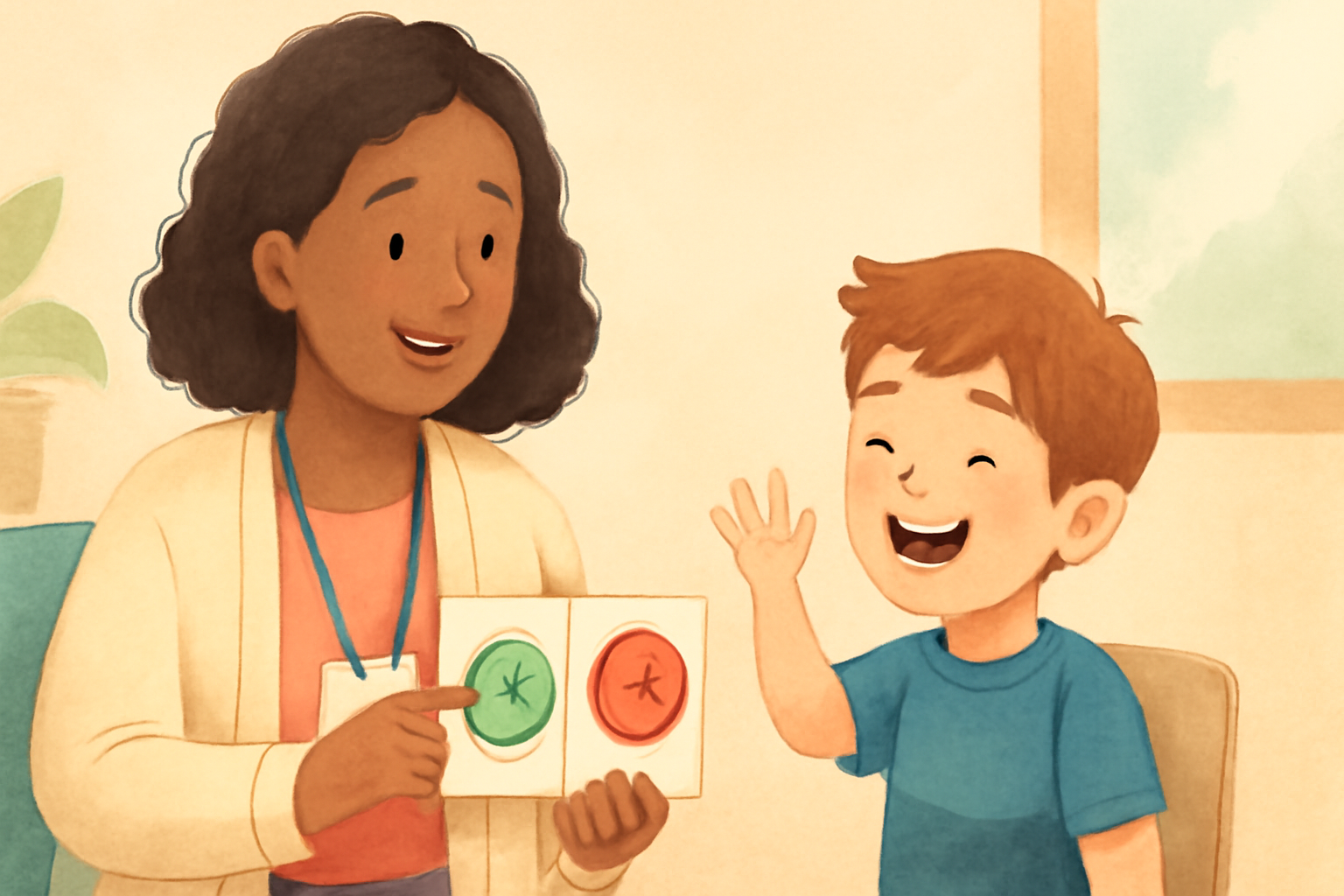
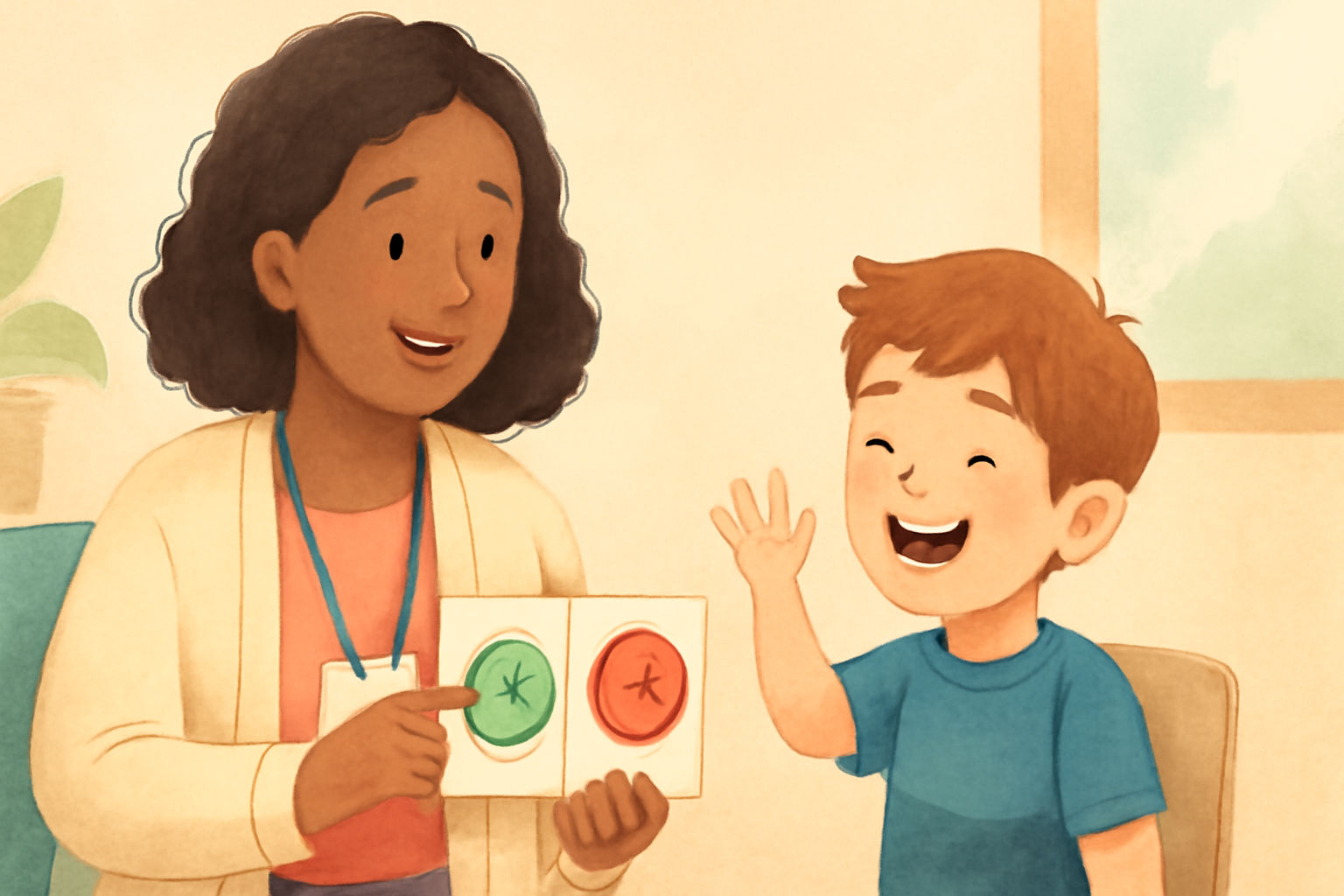
Early intervention behaviour support refers to timely strategies designed to help young children with challenging behaviours. It focuses on identifying specific needs and implementing tailored interventions that promote positive outcomes, improving their ability to learn and interact effectively in various environments. In Australia, early intervention behaviour support services are provided by a range of professionals and organizations, including registered NDIS providers, government-funded early childhood intervention services, private therapists, and specialized behaviour support teams.
Key Principles of Early Intervention for Children
Effective early intervention hinges on several key principles that guide the support provided to children. Individualized approaches are paramount, ensuring that early intervention programs cater to the unique needs of each child. By recognizing the root causes of challenging behaviours, practitioners can develop tailored behaviour support plans that promote positive behaviour and encourage emotional regulation. Additionally, there are specific communication milestones linked to early behaviour support. Monitoring and supporting these communication milestones can help practitioners address underlying needs, prevent challenging behaviours, and foster stronger social and emotional development.
Collaboration among caregivers, educators, and therapists is vital, fostering a strong support network that enhances children's development across multiple domains. Additionally, incorporating positive reinforcement not only boosts motivation but also solidifies the child’s ability to engage with their environment. This holistic framework paves the way for improving social skills, enhancing communication, and facilitating greater independence, ultimately leading to a brighter future for children with developmental disabilities.
Why Early Intervention Is Crucial for Young Kids
The first few years of life are a period of incredible brain development. A child’s brain is most adaptable during early childhood, making it easier to learn new skills and change behaviour patterns. Intervening early takes advantage of this critical window.
When you address challenges early, you can prevent them from becoming more ingrained and difficult to manage later on. Early intervention helps tackle problems like aggression, social withdrawal, or difficulties with routines before they escalate, giving your child the best possible start.
Ultimately, this proactive approach builds a strong foundation for learning and future success. It helps your child develop essential skills in communication, social interaction, and emotional regulation. The benefits of early intervention are long-lasting, promoting better academic outcomes and overall well-being.
Common Strategies Used in Early Childhood Behaviour Support
When it comes to early childhood behaviour support, several effective strategies are used to help children thrive. These methods are designed to be positive and empowering, focusing on teaching new skills rather than just correcting behaviour. Early intervention programs often use a combination of approaches to create a comprehensive support plan.
One of the most common strategies is positive reinforcement, which rewards desirable behaviours to encourage your child to repeat them. Specialists also develop personalized plans that address the root causes of challenging behaviours. Understanding these common strategies can help you see how early intervention works to support your child’s growth.
Positive Behaviour Support Approaches
Positive Behaviour Support (PBS) is a proactive approach that focuses on preventing or reducing behaviours of concern. It operates on the idea that all behaviour is a form of communication. By understanding what a child is trying to convey, a behaviour support plan can be developed to teach them more appropriate ways to express their needs.
This method helps improve an individual's ability to manage their own actions in different settings, such as at home or school. The support is often delivered in tiers, depending on the child's needs.
-
Level 1: Focuses on prevention and foundational skills for all children.
-
Level 2: For children showing early signs of concern, such as outbursts or social withdrawal.
-
Level 3: Specialist support for children with more complex or chronic behaviour issues.
The main goal of PBS is not just to manage difficult moments but to enhance a child's overall quality of life by building their skills and confidence.
Applied Behaviour Analysis (ABA) in Early Intervention
Applied Behaviour Analysis (ABA) is a well-researched therapy used in early intervention to help children with developmental disabilities, including those on the autism spectrum. It is a systematic approach that teaches skills by breaking them down into small, manageable steps.
ABA therapy uses positive reinforcement to encourage desired behaviours. When a child completes a task or demonstrates a positive behaviour, they receive a reward that is meaningful to them. This makes learning a fun and motivating experience.
This method helps address various challenging behaviours, such as tantrums or inflexibility, by teaching alternative skills. The focus is on increasing helpful behaviours and decreasing those that are harmful or interfere with learning. ABA is a key component in many behaviour support plans, helping children reach their full potential.
Enhancing Communication and Social Skills in Young Children

Communication and social skills are fundamental to a child’s development and are often a key focus of behaviour support. Many challenging behaviours arise from a child’s inability to express their needs or understand social cues. Early intervention can make a huge difference in these areas.
Services like speech therapy can significantly boost language development, giving children the tools they need to communicate effectively. For children with autism spectrum disorders, developing these skills is especially vital for building positive relationships. The following sections explore how daily routines and home activities can further support this growth.
Focusing on Daily Living Skills and Routine Building
Daily living skills and routine building are fundamental in shaping a child’s development and fostering greater independence. Routine offers a structured environment where children can thrive, enhancing their emotional and cognitive growth. Incorporating daily tasks such as personal hygiene, meal preparation, and basic chores not only promotes self-sufficiency but also reinforces positive behaviour through repetition and practice.
Establishing consistent schedules aids in emotional regulation and helps children with developmental disabilities, including autism spectrum disorders, to better manage their responses to various situations. By prioritizing these essential skills, parents can support their child's overall well-being, reinforcing positive relationships and laying the groundwork for successful school readiness. This focus on daily living skills truly serves as a building block for a brighter future.
Activities That Encourage Positive Behaviour at Home
Creating a supportive home environment is one of the most powerful ways to encourage positive behaviour. Simple, everyday activities can reinforce the strategies learned in therapy and help your child practice new skills. Parent training can provide you with the tools to turn these moments into learning opportunities.
Engaging in structured play or joining a supported playgroup helps your child develop social skills in a fun and natural setting. Even reading together can be beneficial, as many stories teach valuable lessons about empathy, kindness, and problem-solving. If you feel you need additional support, you are not alone.
Here are a few activities you can try at home:
-
Structured Play: Set up games that encourage taking turns and sharing.
-
Story Time: Choose books that discuss emotions and positive social interactions.
-
Creative Arts: Use drawing or crafts to help your child express their feelings.
-
Helper Tasks: Assign simple chores to build a sense of responsibility.
Conclusion
Understanding early intervention behaviour support is essential for nurturing the development of young children. By implementing strategies such as Positive Behaviour Support and Applied Behaviour Analysis, caregivers can effectively enhance communication, social skills, and daily living abilities. Early intervention not only addresses behavioural challenges but also fosters a supportive environment that promotes positive behaviours at home and in various settings. As parents and caregivers, being proactive in identifying the need for support can lead to significant improvements in a child's growth and overall well-being.
If you need assistance, book your consultation now or call daar at 02 9133 2500! Remember, the sooner you engage with early intervention resources, the better the outcomes for your child.
Frequently Asked Questions
What is early intervention behaviour support, and how does it work for kids?
Early intervention behaviour support provides services to young children to aid their development and manage challenging behaviours. It works by identifying a child's unique needs during their early years and using tailored strategies to build positive skills, improving their long-term outcomes and well-being.
What are some common behaviours that early intervention behaviour support addresses?
This type of behaviour support addresses challenging behaviours like aggression, tantrums, social withdrawal, and inflexibility with routines. It also helps with developmental delay in areas like communication and emotional development, which is crucial for building school readiness and forming positive relationships.
How can parents identify if their child needs early intervention behaviour support?
Parents can identify the need for early intervention by noticing persistent developmental delays or a pattern of challenging behaviour, such as frequent tantrums or difficulty socializing. If you have concerns about your child's behaviour, consulting a professional can help determine the root causes and the right support.
.svg)




.svg)