
.png?width=48&height=48&name=Group%201%20(3).png)























15 December, 2025

Understanding Speech Pathology in Education Settings

Key Highlights
-
Speech pathology is essential in education settings, helping students overcome communication challenges.
-
Targeted speech therapy can significantly improve a child's talking, understanding, and social skills.
-
Speech-language pathologists address a variety of conditions, from developmental delays to autism.
-
Effective therapy uses evidence-based techniques and often involves collaboration with other health professionals.
-
Access to these services can improve a student's confidence and overall quality of life.
-
Funding for speech pathology may be available for eligible students through the NDIS.
Introduction
An essential component of educational success, speech pathology plays a crucial role in addressing communication disorders that affect learners at various levels, including those with neurological conditions. By providing tailored interventions, practitioners help students navigate hurdles related to articulation, fluency, and social communication skills. These targeted services are vital for improving not just academic performance, but also quality of life. With the support of qualified speech pathologists, children gain vital communication skills, paving the way for more effective interactions in both their daily and educational experiences.
Understanding Speech Pathology in Education
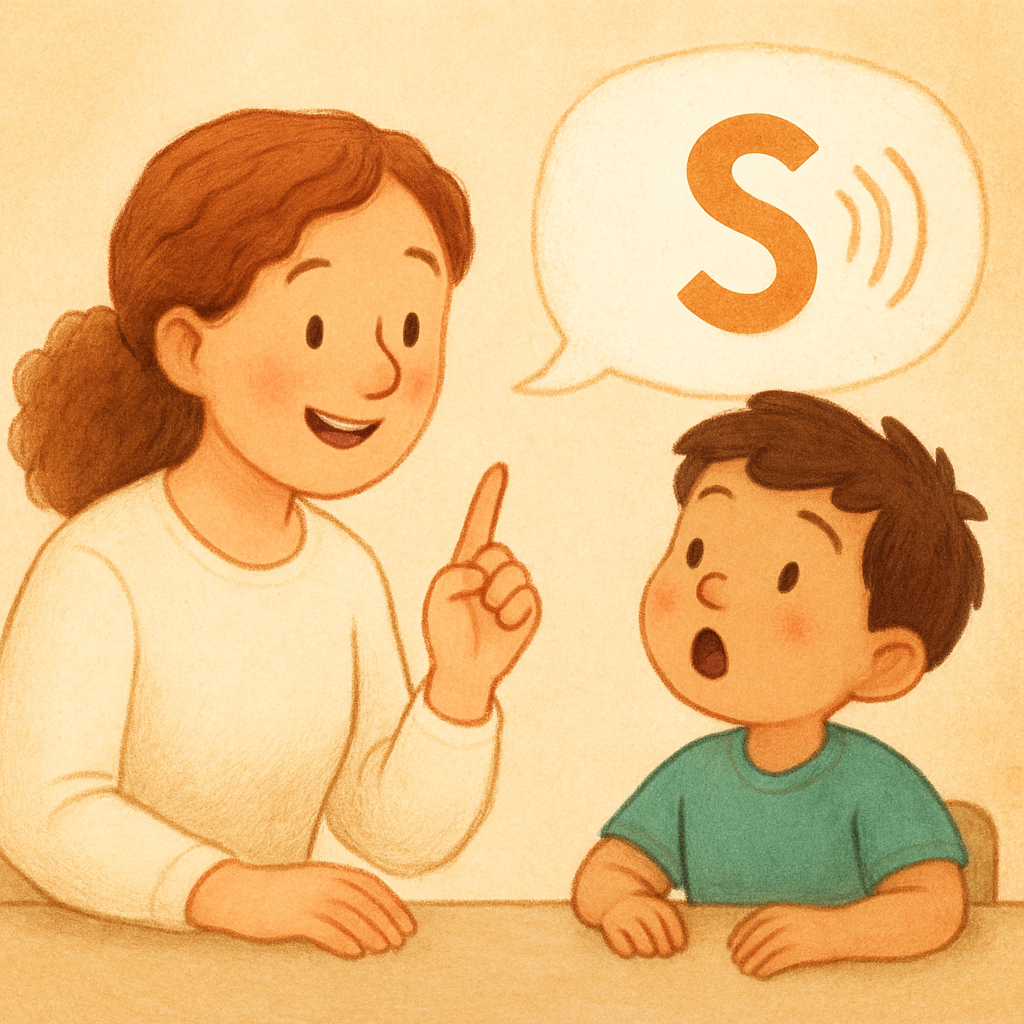
Speech pathology is a specialized healthcare field focused on diagnosing and treating a wide range of communication and swallowing disorders. The bachelor of speech pathology provides support to people of all ages, helping them improve their ability to speak, listen, read, and write. In a school environment, this support is invaluable for students whose learning and social interactions are impacted by communication difficulties.
You may hear the terms speech pathology and speech–language pathology used, and wonder if they mean the same thing. Let’s explore the definition of this field, clarify the terminology, and identify the common conditions that are addressed in schools, including the impact of tuition fees on students pursuing this career.
Definition and Scope of Speech Pathology
Speech pathology is an area of allied health in the United States where trained professionals, known as speech therapists or speech-language pathologists, help people with communication disorders. These university-trained experts diagnose and treat a broad spectrum of issues, including problems with speaking, using one's voice, listening, reading, writing, and developing social skills.
The scope of this field, including communication sciences, is extensive. Speech therapists work with individuals who stutter, have difficulty articulating certain sounds, or struggle to understand language. Their primary goal is to make everyday conversations and interactions easier, helping people build confidence and express their needs and wants more effectively.
Beyond verbal communication, speech pathology Australia also addresses challenges with swallowing and eating safely. By working with a speech therapist, children and adults can develop crucial skills that enhance their independence and overall quality of life.
Differences Between Speech Pathology and Speech–Language Pathology
Have you ever wondered about the difference between "speech pathology" and "speech-language pathology"? In practice, the two terms are almost always used interchangeably. They both refer to the profession dedicated to diagnosing and treating communication and swallowing disorders, including various chronic conditions, and the professionals are formally known as speech-language pathologists (SLPs).
The term "speech-language pathology" is often preferred as it more accurately captures the full scope of the practice, including resonance disorders. It clarifies that these professionals work with both "speech" disorders, which relate to the physical production of sounds, and "language" disorders, which involve difficulties understanding or using words to form meaningful sentences.
Ultimately, whether you refer to it as speech pathology or speech–language pathology, the mission remains the same in health sciences. The focus is on helping individuals overcome communication disorders so they can better connect with the world around them.
Common Conditions Addressed in School Environments
Within a school, speech pathologists assist students with various communication disorders that can affect their academic performance and social well-being, including essential language skills. These professionals are skilled at identifying and supporting children with a wide range of conditions, creating personalized therapy plans for each student's specific needs.
Some of these communication disorders, including cognitive communication disorders, are developmental, while others may stem from an underlying health condition or injury. The support from a speech pathologist is critical for helping students participate in class and build positive relationships with their peers.
Here are some common conditions addressed in school environments:
-
Articulation and Fluency Disorders: This includes difficulty producing specific sounds correctly and issues with the flow of speech, such as stuttering.
-
Language Disorders: These involve challenges with understanding language (receptive) or expressing thoughts and ideas (expressive).
-
Autism Spectrum Disorder: Support often focuses on improving social communication skills, like starting conversations and understanding non-verbal cues.
-
Childhood Apraxia of Speech: A motor speech disorder where the brain struggles to coordinate the muscle movements needed for speech.
Therapy Techniques in Educational Speech Pathology
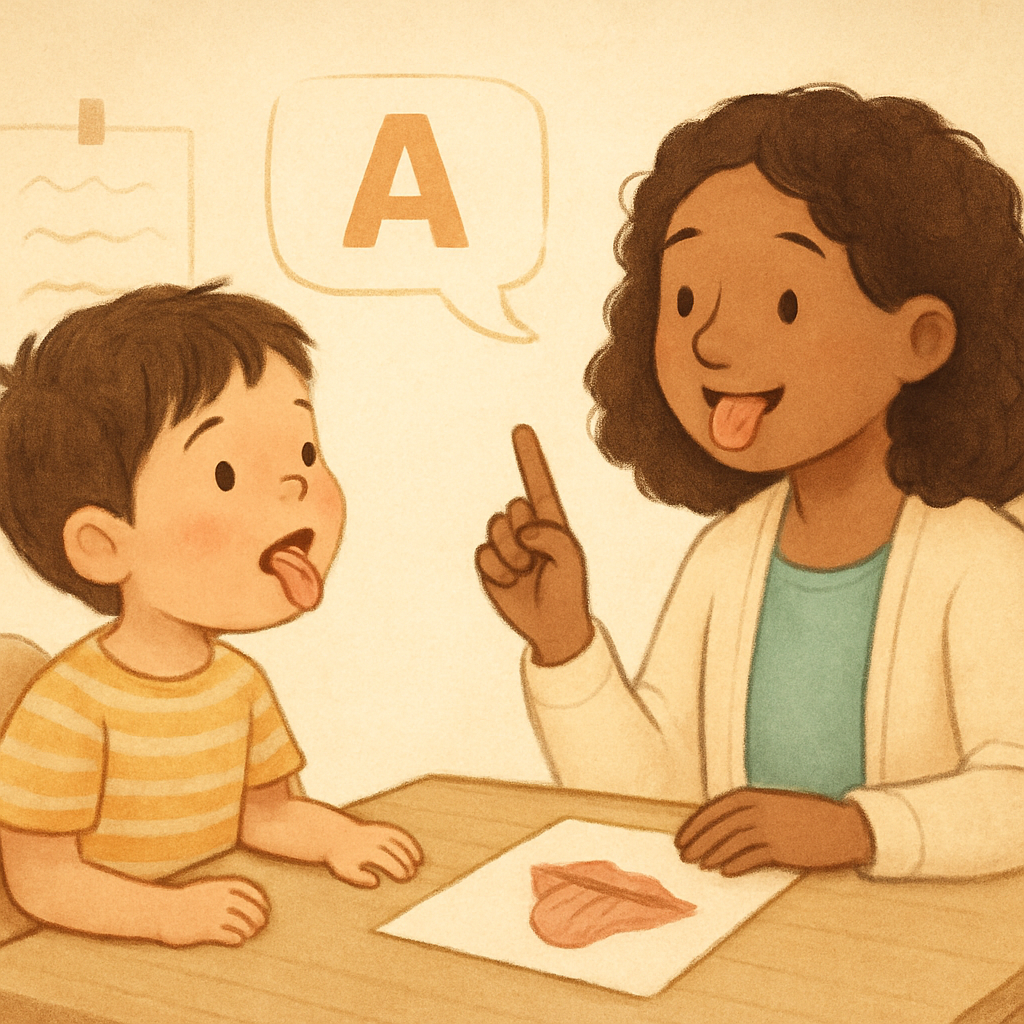
When providing speech therapy in schools, pathologists use a variety of structured and engaging techniques. These evidence-based approaches are designed to help children overcome specific communication challenges in an effective and supportive way. The methods are selected to target each student's unique goals, preparing them for a future that may include private practice, making therapy a positive experience.
The right therapy techniques can make a significant impact, from building foundational skills to improving complex social interactions, particularly when practitioners hold a first aid certificate. Let's examine some of these proven methods, see how they can be integrated with other disciplines, and understand the support work that makes school-based therapy successful.
Evidence-Based Approaches for Children With Communication Difficulties
To provide the best support for children with communication difficulties, speech pathologists use evidence-based approaches. This means they apply therapy techniques that have been proven effective through research. The best way to engage children is by using methods that are often centered around play, turning therapy sessions into fun and interactive learning opportunities.
These strategies are carefully chosen to match a child's specific communication disorders. A student with an articulation disorder might perform exercises to strengthen their tongue and mouth muscles, whereas a child with a language disorder might play board games designed to expand their vocabulary and improve sentence structure.
Some common evidence-based approaches include:
-
Articulation Therapy: Focusing on exercises, such as specific tongue and mouth movements, to improve the clarity of speech and enhance clinical practice.
-
Articulation Therapy: Focusing on exercises, such as specific tongue and mouth movements, to improve the clarity of speech.
-
Language Intervention Activities: Using books, pictures, and word games to enhance vocabulary, grammar, and comprehension skills.
-
Augmentative and Alternative Communication (AAC): Introducing tools like sign language, picture boards, or speech-generating devices to help children express themselves.
Integrating Exercise Physiology in Speech Pathology Sessions
Taking a holistic approach frequently results in the most effective therapeutic outcomes. Though not a direct correlation, principles from exercise physiology can be woven into speech pathology within a multidisciplinary setting to address issues related to hearing loss and verbal communication. This method emphasizes the strong relationship between the body and brain, which is highly significant for children with motor skill impairments stemming from conditions like cerebral palsy or brain injuries.
In speech pathology, many interventions require careful control of the lips, tongue, and jaw while respecting human rights. Improving general body coordination and muscle strength, areas emphasized in physiotherapy and exercise physiology, can enhance the function of the muscles needed for speech. For example, exercises that promote better posture and respiratory control may lead to greater voice clarity and improved fluency.
A speech pathologist working alongside occupational therapists or physiotherapists in diverse settings can make sure that a child's entire physical development is nurtured. This collaborative model addresses root causes of various communication difficulties, encouraging more enduring and far-reaching progress.
Examples of Support Work in School-Based Therapy
Effective school-based therapy is often a team effort. Speech pathologists frequently engage in support work with a broader allied health team to deliver comprehensive care, including health promotion. This collaborative approach ensures that every aspect of a child's development, from communication to motor skills and behaviour, is considered and supported.
This teamwork may involve co-treating with occupational therapists to work on fine motor skills that benefit both writing and speaking or consulting with teachers to implement communication strategies directly in the classroom as part of the broader context of higher education study. The overarching goal is to create a supportive network around the student to foster success.
Examples of this collaborative support work include:
-
Classroom Integration: Partnering with teachers to adapt lesson materials and provide tools, like visual schedules, to help students participate fully, especially those with conditions such as cleft palate.
-
Joint Therapy Sessions: Working alongside an occupational therapist to address sensory needs or motor skills that influence communication.
-
Leading Social Skills Groups: Facilitating small groups where students can practice conversation, turn-taking, and friendship-building skills with peers.
-
Parent and Caregiver Training: Providing families with practical strategies and activities to reinforce new communication skills at home.
Accessing Speech Pathology Services Through NDIS
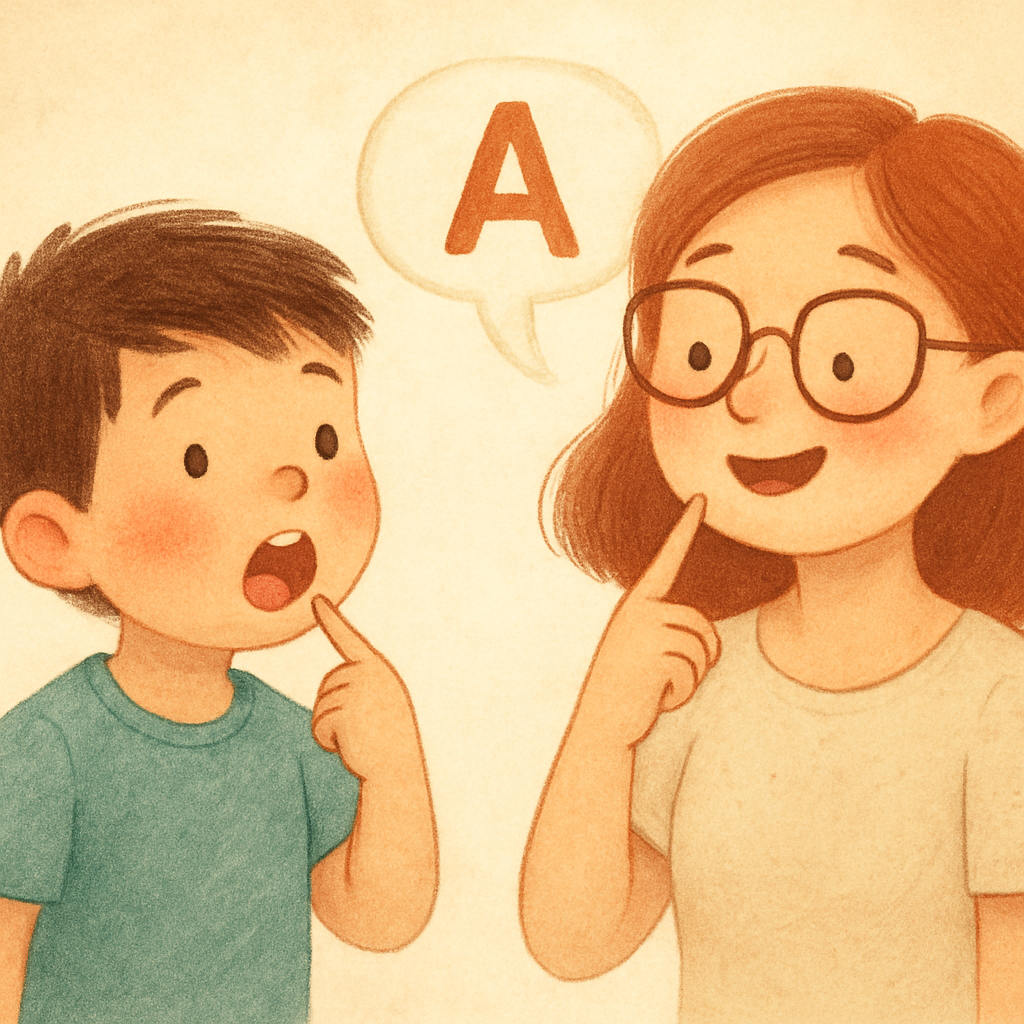
For many families, one of the biggest questions is how to fund specialized support for their child. Fortunately, speech pathology services can often be accessed through the National Disability Insurance Scheme (NDIS), which is supported by the Australian Government. This program helps eligible students with disabilities receive the funding needed for therapy to build their communication skills and foster independence.
Receiving these services through the NDIS can significantly improve a child's ability to communicate and enhance their overall quality of life experience. But how do you determine if your child is eligible, and what does coordinating this support involve? Let's explore the steps.
Eligibility for School-Aged Children
For school-aged children to receive speech pathology through the NDIS, they must first be an eligible participant in the scheme, which can include those who have completed the International Baccalaureate program. This typically means the child has a permanent and significant disability that impacts their ability to participate in everyday life. Communication disorders are among the conditions that can qualify a child for NDIS funding.
For children under nine who have a developmental delay or disability, support may be provided through the NDIS Early Childhood Supports (ECS) pathway. For older students, eligibility is based on meeting the inherent requirements of the scheme's general entry criteria. When applying, it is crucial to provide documentation of the disability and explain how it affects the child's daily activities.
The NDIS considers several key factors when determining eligibility, including minimum entry requirements:
|
Criteria |
Description |
|---|---|
|
Age and Residency |
You must be under 65 and an Australian citizen, permanent resident, or hold a Protected Special Category Visa. |
|
Disability Requirements |
You must have a permanent disability that substantially reduces your ability to participate in everyday activities. |
|
Early Intervention |
You may be eligible if receiving support now would likely reduce your future need for assistance. |
Navigating Support Work and Allied Health Coordination
After securing an NDIS plan, the next step is coordinating your child's speech pathology services. This process involves more than just scheduling appointments; it's about building a strong team of allied health professionals, including those who may identify as Torres Strait Islander, who work together. This team-based approach ensures a "whole of life" strategy is used to help your child reach their goals.
Your support team might include speech pathologists, occupational therapists, and other healthcare professionals, including during clinical placements. They collaborate to create a unified plan that addresses all of your child's needs. For instance, the speech pathologist can work with the teacher to ensure communication strategies are used consistently in the classroom.
Conclusion
In summary, speech pathology plays a crucial role in educational settings by addressing the diverse communication needs of students. With targeted therapy techniques and evidence-based approaches, speech pathologists help children overcome challenges that may hinder their academic success, providing essential work experience insights along the way. Understanding the scope and importance of speech pathology not only empowers educators and parents but also paves the way for more effective support for students. As we continue to recognize the significance of clear communication, it's essential to ensure access to these vital services.
If you have questions or need assistance navigating speech pathology services, don't hesitate to get in touch or call 02 9133 2500!
Frequently Asked Questions
What does a typical day look like for a speech pathologist in schools?
A speech pathologist in educational settings has a dynamic daily life. A typical day involves conducting individual and group speech therapy sessions in a variety of settings, assessing students' communication skills, collaborating with teachers and parents on support strategies, and documenting progress to ensure each student is on track to meet their goals.
What are the common therapy techniques used by school-based speech pathologists?
School-based speech pathologists use many evidence-based approaches. Common therapy techniques include play-based activities to build language, articulation exercises for sound production, and group sessions to practice social communication. They also use tools like books and games to grow vocabulary, improve comprehension skills, and develop practical skills in a fun, engaging way.
What role does speech pathology play in supporting students with communication disorders in educational settings?
Speech pathology practice plays a crucial role in helping students with communication disorders by providing tailored interventions that enhance speech, language, and social skills. This support fosters academic success, promotes peer interactions, and builds confidence, creating an inclusive learning environment for all students.
.svg)




.svg)