
.png?width=48&height=48&name=Group%201%20(3).png)























6 March, 2026

Best Recommended Shows for Neurodiverse Children to Watch
Key Highlights
- Shows with clear structure and repetition can be highly beneficial for children on the autism spectrum.
- Many of the best autism movies and shows for children focus on social-emotional learning and communication skills.
- Animated content often resonates well due to strong visual storytelling and reduced sensory sensitivities.
- Live-action programs can model social interactions and help develop new skills in a calm, engaging way.
- Choosing the right show involves considering your child's specific needs, including sensory processing and interests.
- Media can be a valuable tool for teaching empathy and understanding different emotional responses.
Introduction
Finding the right shows for your child to watch can feel like a big task, especially for parents of neurodiverse children. For kids on the autism spectrum, screen time can be more than just entertainment; it can be a valuable tool for learning and development. The right programs can help improve communication skills and support mental health. This guide will help you navigate the world of children's television and find the best recommended shows that are both enjoyable and beneficial for your child with autism spectrum disorder.
Understanding Neurodiversity and Children’s Viewing Needs in Australia
Neurodiversity celebrates the idea that brain differences are natural variations in the human experience. For children within the autism community, this means they may interact with the world differently, including how they watch and process television shows. Viewing needs can vary greatly, from requiring predictable storylines to avoiding overwhelming sensory input.
Understanding these unique needs is the first step toward making screen time a positive experience. Shows that cater to different sensory processing styles and help build communication skills can be incredibly supportive. Now, let's explore what makes a show a good fit for your child.
What Makes a Show Suitable for Neurodiverse Children?
When selecting a show for your child, consider their personality and needs. Choose programs that engage without overwhelming them. For kids with autism, look for gentle, sensory-friendly content that encourages learning.
Key features of suitable shows include:
- Predictable Plotlines: Clear, consistent stories offer comfort.
- Sensory-Friendly Content: Lower noise, soft lighting, and a slower pace reduce sensory overload.
- Clear Social Cues: Programs that model social interactions can build empathy and communication.
Limit screen time to ensure content is both entertaining and enriching. Focusing on these factors can make viewing a positive, constructive experience that supports your child’s development.
Key Elements of Autism-Friendly Shows
Autism-friendly shows have features that support children on the autism spectrum. These programs use strong visual cues, model social interactions and emotional regulation, and rely on structured repetition to reinforce learning. Such elements make abstract concepts clearer and reduce anxiety.
Autism-friendly movies for kids often include these features to aid comprehension and provide comfort. Choosing shows with thoughtful sensory and social communication can make screen time both enjoyable and supportive for your child.
Animated Shows Highly Recommended for Neurodiverse Kids
Animated shows are often a fantastic choice for neurodiverse children, especially those with autism. The visual nature of animation can make it easier to understand emotions and social cues. Many series are created with sensory sensitivities in mind, featuring calm pacing and gentle sound design that prevent overstimulation.
From a young girl learning about her feelings to characters embarking on exciting adventures, animation offers a world of possibilities. These shows can provide comfort, teach valuable lessons, and become a wonderful part of your child's routine.
Top Australian and International Animated Series
Many animated shows are popular in the autism community for their thoughtful stories and engaging characters. While Disney and Pixar films are favorites, other series also resonate. These movies often provide comfort, inspiration, and relatable experiences.
Notable examples include Mary and Max, about the friendship between a lonely Australian girl and a man with Asperger’s syndrome, and Pixar’s Inside Out, which visually explains emotions—helpful for many autistic children.
|
Show/Movie |
Why It’s Recommended |
|---|---|
|
Inside Out |
Clearly illustrates emotions through relatable characters. |
|
Finding Dory |
Features a main character with cognitive differences, encouraging empathy. |
|
Moana |
Shares positive messages of self-discovery and courage with vivid animation. |
|
Mary and Max |
Offers a touching portrayal of friendship and Asperger's syndrome. |
Why Animated Content Resonates with Autistic Children
Animation often resonates with autistic children for several reasons. Its clear visuals simplify complex ideas, matching their processing strengths. Animated movies are especially helpful because they make abstract concepts like emotions and social interactions more concrete.
Exaggerated facial expressions and body language in cartoons clarify social cues and build empathy. Animated worlds also offer a safe space for imaginative play, letting children explore emotions and scenarios without the sensory overload of real-life interactions.
This visual storytelling is less taxing on sensory processing, allowing deeper engagement. By presenting stories in a vibrant, predictable, and clear way, animation becomes an effective tool for learning and development.
Live-Action Programs Beneficial for Neurodiverse Children
While animation is a great option, live-action programs also offer unique benefits for neurodiverse children. These shows can provide realistic models of social interactions and behaviors, helping children with autism learn new skills in a relatable context. They can also introduce hobbies that encourage physical activity and hands-on learning.
Choosing the right live-action content is key. Look for programs with calm pacing, clear dialogue, and positive messages. When selected carefully, these shows can become a valuable part of your child's media diet, supportupporting their growth and understanding of the world around them.
Best Live-Action Shows for Calm Engagement
Finding live-action shows with calm engagement is key to a positive viewing experience, especially for autistic children. The best options avoid sudden loud noises, fast-paced editing, and intense drama. Nature, science, or gentle storytelling programs are often both soothing and educational.
Shows with predictable formats and simple explanations—like many educational series—are particularly comforting. This structure reduces anxiety and helps autistic children absorb information without feeling overwhelmed.
Biographical films like Temple Grandin are also inspiring. They offer accurate portrayals of neurodiverse individuals, promote understanding, and provide calming stories that celebrate their strengths.
Shows That Promote Social Skills and Emotional Learning
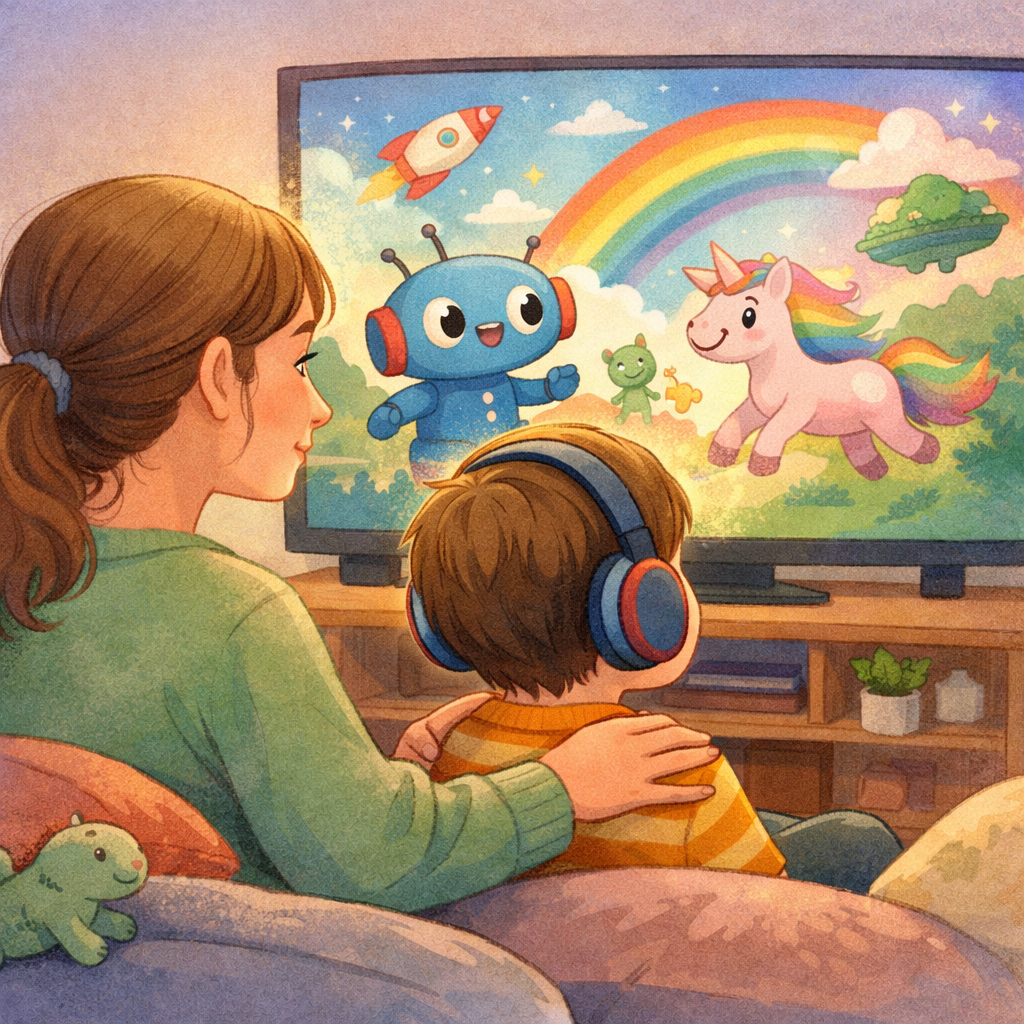
Many live-action shows are designed to support social and emotional learning. For children with autism, programs that model pro-social behavior are especially helpful, as they visually demonstrate how to navigate friendships, manage feelings, and communicate.
Shows like Daniel Tiger's Neighborhood (though animated) and similar live-action content teach children how to handle social situations—such as sharing or expressing emotions constructively—helping build empathy and communication skills. Other beneficial options include:
- Educational Programs: Shows like Sesame Street feature neurodiverse characters and clearly explain social concepts.
- Interactive Shows: Programs that pause to ask questions encourage participation and help practice communication comfortably.
By watching these characters face challenges, children learn strategies for real-life situations. These shows are more than entertainment—they’re valuable tools for building confidence and social understanding.
Conclusion
In conclusion, selecting the right shows for neurodiverse children is crucial for their development and well-being. By understanding their unique viewing needs and the key elements that make content suitable, you can create a more enriching media experience. Animated and live-action programs that prioritize calm engagement, social skills, and emotional learning can significantly benefit neurodiverse children. As parents and caregivers, being mindful of the shows your child consumes will promote positive growth and understanding. If you're looking for tailored recommendations and support, don’t hesitate to reach out for personalized guidance!
Frequently Asked Questions
How can parents choose appropriate shows for their neurodiverse child?
Parents can choose shows by considering their child's specific interests and sensory sensitivities. Previewing content, looking for predictable plots, and selecting programs that model positive communication skills are great strategies. Prioritizing shows that build empathy and don't contribute to overstimulation is key to managing a child’s screen time effectively.
Are there screen time guidelines for neurodiverse children in Australia?
While there are general guidelines, a flexible approach is often best for children with ASD. The focus should be on the quality of content over strict time limits. It's important to balance screen time with physical activity and other engagements, use parental controls, and avoid excessive screen time that may have negative effects.
Where can families access lists of recommended shows for autism support?
Families can find lists of the best autism movies and shows on blogs from organizations within the autism community, parent support groups, and websites dedicated to neurodiversity. These resources often provide curated selections, like popular Disney movies, that are known to be valuable tools for entertainment and learning.
.svg)




.svg)