
.png?width=48&height=48&name=Group%201%20(3).png)























9 January, 2026

Understanding Paediatric Speech Therapy: A Parent's Guide
Introduction
Watching your child grow is an incredible journey, and their language development is a huge part of it. From their first babbles to full sentences, each step is a milestone. But what happens if you notice your child is facing communication challenges? It can be worrying, but you are not alone. Understanding the role of paediatric speech therapy and the power of early intervention can make all the difference, providing your child with the tools they need to communicate confidently.
Key Highlights
-
Paediatric speech therapy helps children improve their communication skills through targeted and playful activities.
-
Speech therapists are trained professionals who diagnose and treat a range of communication disorders.
-
Early intervention is crucial, as the first few years are critical for a child's language development.
-
Therapy sessions are tailored to your child’s unique needs, focusing on areas like articulation, language, and social skills.
-
Parents play a vital role by reinforcing skills learned in therapy through daily activities at home.
What Is Paediatric Speech Therapy?
Paediatric speech therapy is a specialised service designed to help children with communication disorders. Conducted by speech-language pathologists (SLPs), it aims to improve a child's ability to speak, understand, and use language effectively. This therapy is not just about correcting sounds; it’s about enhancing a child's overall communication abilities. Children can benefit from seeing a speech therapist as early as signs of difficulty in speaking, understanding, or using language emerge—often as young as 18 months to 2 years old. Early intervention is key to addressing communication challenges promptly and effectively.
The ultimate goal is to help your child express their thoughts, needs, and feelings clearly. By addressing challenges in language skills and language development, therapists empower children to interact more successfully with the world around them.
The Purpose and Goals of Paediatric Speech Therapy
Speech therapy helps children reach age-appropriate communication milestones. Early intervention is crucial for addressing delays and improving long-term outcomes. Therapy targets issues like articulation problems, stuttering, and both receptive (understanding language) and expressive (using words) language disorders. The goal is to enhance communication skills for better academic performance and social interaction.
How Paediatric Speech Therapy Differs from Adult Therapy
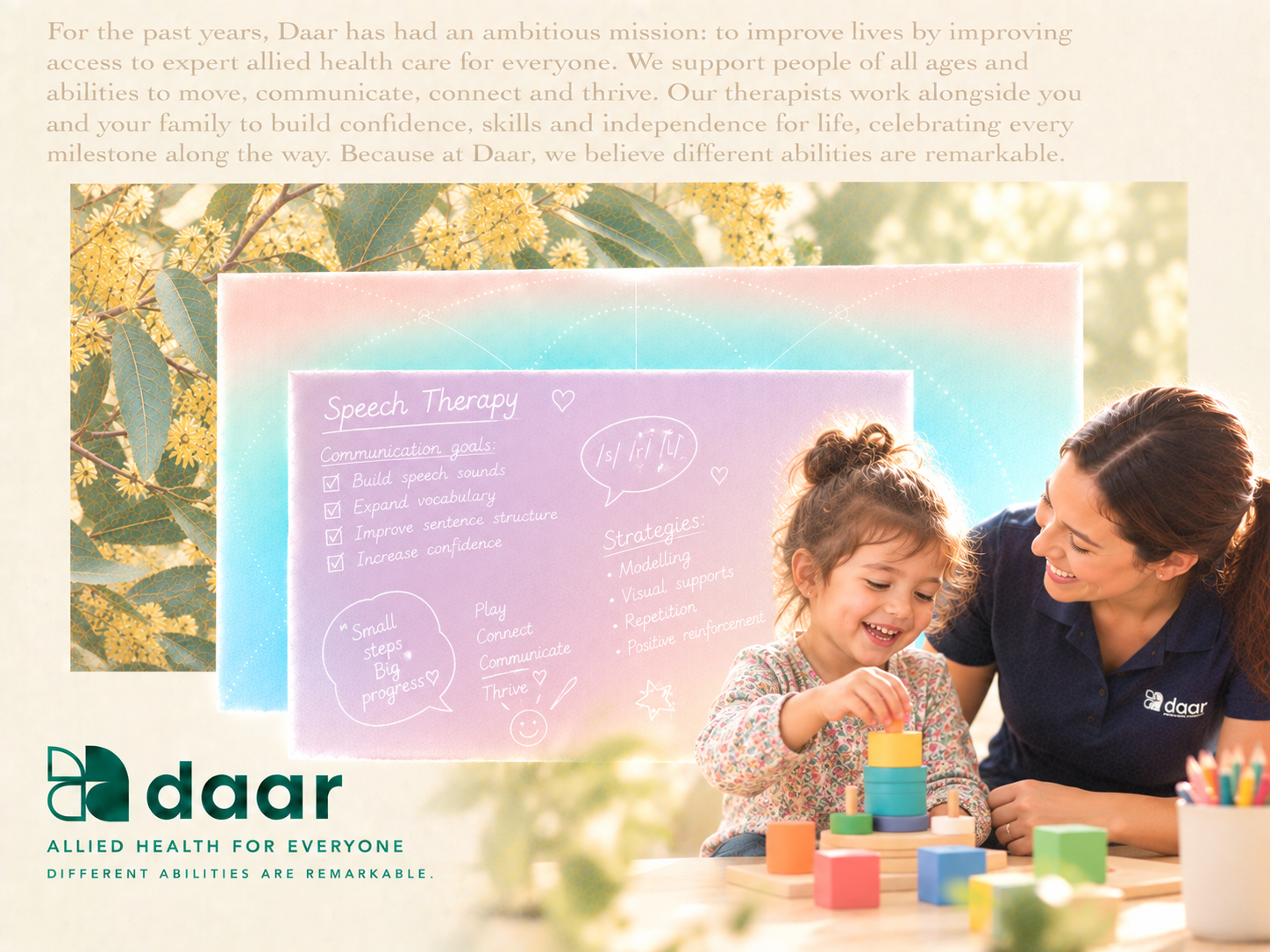
Paediatric speech therapy differs from adult therapy by focusing on a child’s unique needs and development. For children, therapy often takes the form of play—using games, toys, and activities to engage them and practice skills in a natural, non-intimidating way.
Adult speech therapy usually addresses issues from stroke, brain injury, or medical conditions and uses more structured techniques with less emphasis on play.
Consider an evaluation if your child misses key speech milestones—for example, not saying words by 15 months or not combining two words by age two. Early intervention leads to better outcomes.
Assessment and Evaluation by Speech Therapists
Before therapy begins, a speech therapist will conduct a thorough assessment to understand your child's strengths and challenges. This evaluation is a crucial first step in creating an effective treatment plan. The therapist will look at various aspects of your child’s communication skills, from how they produce sounds to their vocabulary.
During the assessment, the therapist will evaluate language comprehension, expressive language, and even social skills. This comprehensive approach ensures that the therapy plan is tailored specifically to your child’s needs, giving them the best chance for success.
How Speech Pathologists Assess Communication Skills
A speech pathologist uses a combination of standardised tests and informal observations to assess a child's communication skills. They look for specific developmental red flags that might point to communication challenges. The assessment process is designed to be comprehensive, covering everything from speech clarity to social interaction.
This evaluation helps the speech pathologist understand the root of the problem, whether it's an issue with language comprehension or a difficulty with the physical act of speaking. This information is vital for creating a targeted therapy plan that can improve academic performance and social connections. The following table highlights some common warning signs a therapist might look for.
|
Age |
Warning Sign |
|---|---|
|
By 12 months |
Doesn’t use gestures like pointing or waving. |
|
By 18 months |
Doesn’t say at least six words or prefers gestures over vocalization. |
|
By 24 months |
Can’t join two words together or doesn't imitate words. |
|
By 3 years |
Speech is unclear even to family; has no interest in other children. |
|
By 4 years |
Has not mastered most consonant sounds. |
Tools and Techniques Used in Paediatric Assessments
During an assessment, speech therapists use various tools to understand a child’s abilities and compare progress to developmental milestones. The process is interactive, with therapists observing communication in different contexts.
Standardised tests measure vocabulary and grammar, while informal methods include play-based activities and natural interactions. Visual aids and storybooks help assess comprehension. Common tools include:
-
Picture cards and books to evaluate vocabulary and sentences
-
Games for sound production and turn-taking
-
Parent questionnaires about communication at home
A thorough assessment ensures issues like hearing loss are considered when planning interventions. Speech-language pathologists hold master's degrees and are licensed professionals with the expertise to conduct these evaluations.
Typical Paediatric Speech Therapy Sessions in Australia
Paediatric speech therapy sessions are designed to be fun, engaging, and productive. A therapist creates a supportive environment where your child feels comfortable practicing new skills. Each session is tailored to your child’s individual goals, whether they are working on producing specific sounds, expanding their vocabulary, or improving social communication.
These sessions are more than just exercises; they are a key part of your child's communication journey. With the right speech therapy services, your child can build the confidence and skills needed for effective language therapy and beyond.
Activities and Approaches Used in Therapy
A typical paediatric speech therapy session feels like play. Therapists use engaging techniques to target specific goals. For articulation disorders, they may use games to practice sounds in a fun way. For fluency disorders like stuttering, sessions focus on managing speech interruptions.
Therapists also teach social communication skills, such as taking turns, making eye contact, and understanding nonverbal cues. Activities are tailored to each child's age and interests to keep them engaged. Common approaches include:
-
Reading books and telling stories to build vocabulary.
-
Playing with toys to encourage specific sounds or words.
-
Role-playing social situations to practice conversation skills.
Family Involvement and Incorporating Play
Parental involvement is essential for your child's progress. Reinforcing therapy at home accelerates development. Therapists provide strategies to turn daily routines into learning opportunities.
Integrating play-based therapy into everyday life helps your child practice new skills naturally. Simple actions like talking, reading, and playing together support growth.
Your therapist will help create a plan for your family. Here are some easy ways to help:
-
Talk to your child throughout the day and describe your actions.
-
Read books daily and point out pictures.
-
Repeat and expand on what your child says to encourage longer sentences.
Accessing Paediatric Speech Therapy in Liverpool and Canterbury
Finding the right support for your child can be overwhelming, but high-quality speech pathology services are widely available. You can choose in-person sessions or convenient online therapy at home, which many children find less intimidating.
Many providers offer affordable options, and some insurance plans or public health services may cover costs—especially with a referral. Ask therapists about their fees, payment plans, and insurance acceptance to find care that meets your child's needs without financial strain.
Finding Qualified Speech Pathologists Near You
When choosing a speech pathologist, prioritise qualifications and experience. Look for licensed professionals—organizations like Speech Pathology Australia offer directories of accredited therapists in your area.
A qualified speech pathologist should hold a master’s degree and have specialised training in diagnosing and treating communication disorders. Ask about their experience with children who have similar needs.
Tips for finding the right fit:
-
Get recommendations from your paediatrician or school.
-
Use professional organizations to find licensed therapists.
-
Schedule a consultation to ensure the therapist suits your child.
Conclusion
Understanding paediatric speech therapy is key for parents supporting their child’s communication. Knowing its goals and methods helps you navigate the process. Regular evaluations by qualified pathologists ensure personalised care, and family involvement boosts progress. Many resources are available to help you find therapy in your area.
For expert guidance, consider booking a consultation or call daar at 02 9133 2500 to tailored to your child’s needs.
Frequently Asked Questions
Do parents need a referral to access speech therapy for their child?
While a referral isn't always required to see a speech therapist, it's a good idea to speak with your child's healthcare provider first. They can conduct an initial evaluation and provide a formal referral, which may be necessary for insurance coverage of speech therapy services. Early intervention is key for communication disorders.
How long does a child usually need speech therapy?
The duration of speech therapy varies for every child. The length of therapy depends on the child’s unique needs, the severity of the communication disorder, and their progress toward developmental milestones. Some children may only need a few months of articulation therapy, while others with more complex needs may require longer-term support.
Are there activities parents can do at home to support speech therapy?
Absolutely! Parental involvement is crucial. Your therapist will provide language intervention activities you can incorporate into daily routines. Simple things like reading together, talking about your day, and engaging in play-based therapy can reinforce skills, boost confidence, and support your child's academic performance.
.svg)




.svg)