
.png?width=48&height=48&name=Group%201%20(3).png)























5 January, 2026

Understanding Early Intervention for Young Children
Introduction
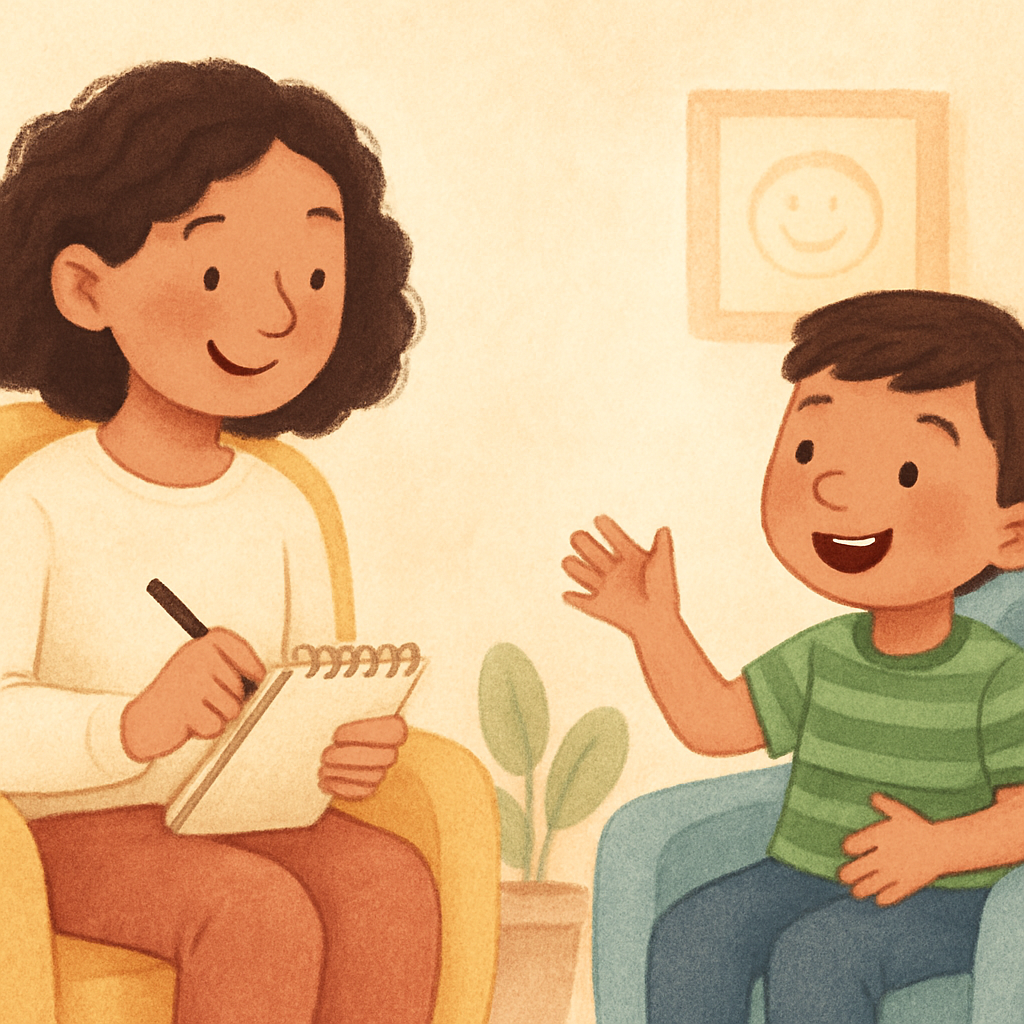
The first years of life are a time of incredible growth, but they can also bring challenges. If you have concerns about your child’s development, you are not alone. Early intervention can make a significant difference by providing support during these critical early years. Addressing developmental or behavioural concerns as soon as they arise helps build a strong foundation for your child’s future. This guide will explain what early intervention is and how it can help your child thrive.
Key Highlights
-
Early intervention provides crucial support for young children with a developmental delay.
-
It focuses on improving communication, social skills, and emotional well-being.
-
Positive behaviour support strategies help address challenging behaviours from a young age.
-
Services like speech therapy and occupational therapy are key components.
-
The National Disability Insurance Scheme (NDIS) helps families in Australia access these services.
-
Involving families is essential for the long-term success of any intervention plan.
What Is Early Intervention for Young Children?
Early intervention provides specialized support for young children with developmental delays or disabilities. By addressing challenges before age 9, these tailored services build a strong foundation for learning and emotional wellness. Early support is key for long-term mental health, school readiness, and overall success, helping your child reach their full potential.
Defining Early Intervention in an Australian Context
In Australia, early intervention provides structured support for children with developmental delays or disabilities. These services include special education and therapies to aid a child’s development and are available nationwide.
The main way to access support is through the National Disability Insurance Scheme (NDIS), which funds eligible children’s therapies and specialized programs, helping families afford necessary care.
Parents or caregivers can begin by consulting a healthcare professional or NDIS representative, who will assist with the application process and connect them to registered providers, ensuring each child receives tailored, high-quality support.
Why Early Intervention Is Essential Before Age 9
Early childhood is a time of rapid brain development and adaptability, making it ideal for introducing new skills and positive behaviours. Providing support before age 9 takes advantage of this crucial window.
Early intervention focuses on building foundational communication, social, and emotional regulation skills, aiming to prevent future challenges. This proactive approach gives children the best possible start and can reduce the need for more intensive help later.
Ultimately, early support boosts school readiness by ensuring children have the core abilities needed to succeed academically and socially. Addressing challenges early sets the stage for a smoother transition to school and ongoing learning.
Understanding Developmental Delays and Disabilities
A developmental delay means a child isn’t reaching milestones at the expected age. Unlike developmental disabilities, which are usually long-term and caused by medical or physical conditions, delays may be temporary but can still impact learning, communication, and social skills.
Early intervention is essential. Addressing challenges while the brain is most adaptable helps children build key skills and prevents minor issues from becoming major obstacles. This support can greatly improve a child’s development.
Signs that a child may need intervention include delayed speech, trouble with social interactions, or ongoing behavioural problems. If your child is falling behind peers in important areas, consider seeking a professional evaluation.
Benefits of Early Intervention for Children
The benefits of early intervention are vast and can have a lasting impact on a child's life. By providing support during the crucial early years of life, you help children develop the foundational skills they need for communication, social interaction, and emotional development. It's about giving them the tools for a brighter future.
One of the most significant advantages is the improvement in behaviour and overall well-being. We will now explore how early support can foster positive behaviour, enhance key life skills, and lead to better long-term outcomes for your child.
Improving Positive Behaviour Through Early Support
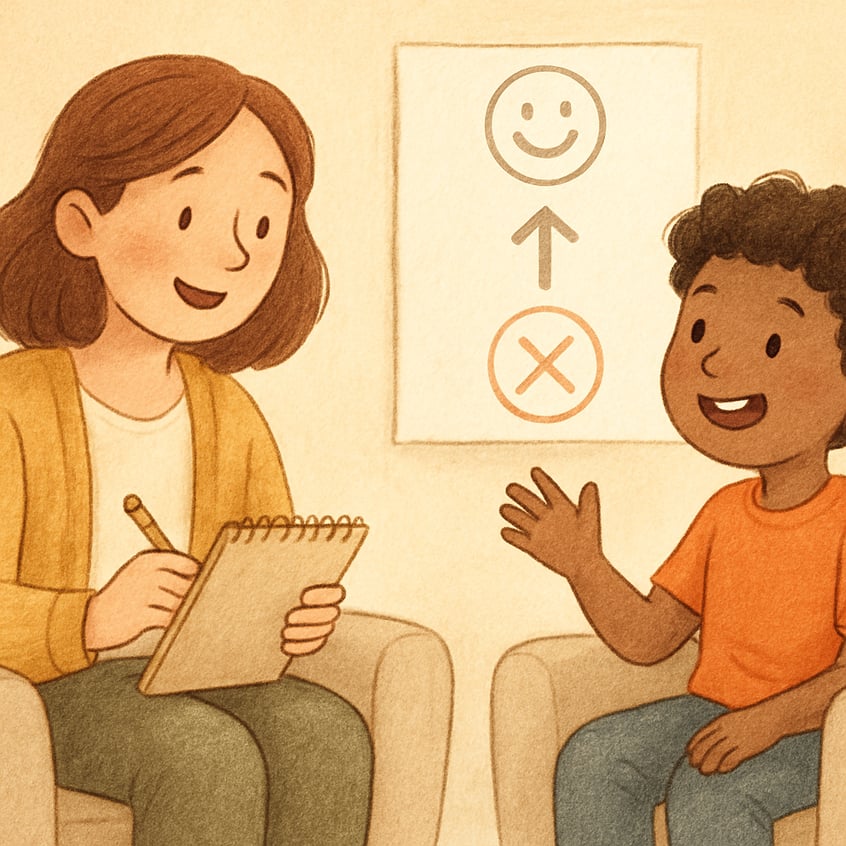
Early intervention is highly effective in promoting positive behaviour. By identifying the root causes of challenging actions, it teaches children healthier ways to express their needs and feelings, preventing difficult behaviours from becoming habits.
Behaviour support practitioners are key to this process. They assess what drives a child’s behaviour and create personalized plans, working with families to implement strategies that encourage positive actions and improve emotional regulation.
Addressing these issues early can greatly reduce outbursts, aggression, and social withdrawal. This improves the child’s quality of life and fosters a calmer, more supportive home for the whole family.
Enhancing Communication, Social, and Emotional Skills
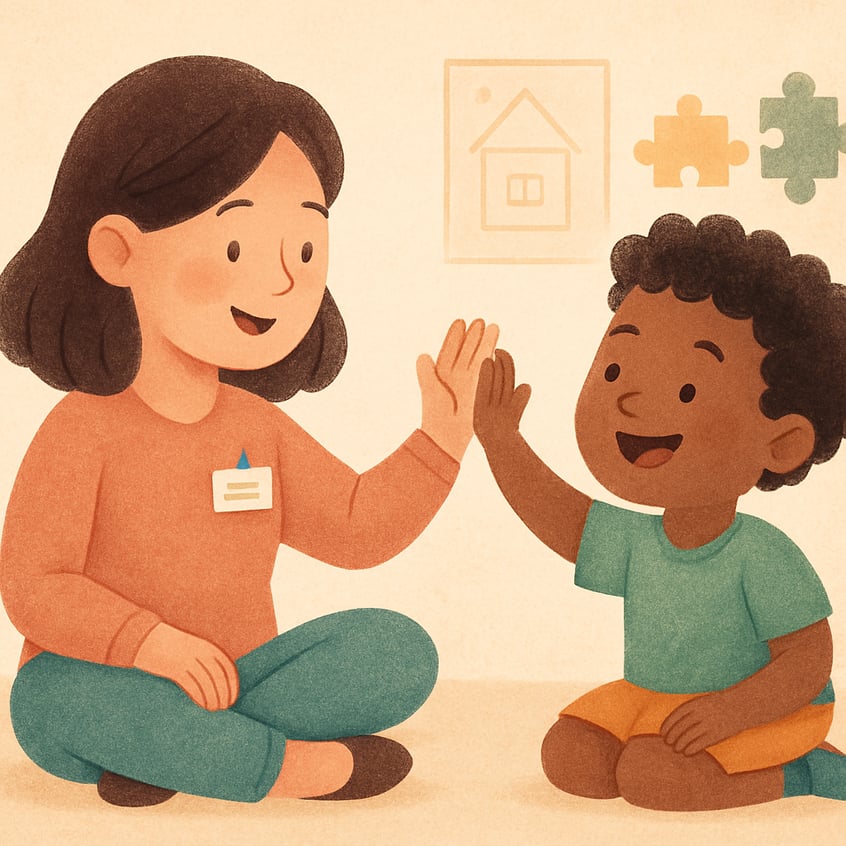
Early intervention is key to building strong communication skills. Services like speech therapy help children express their needs, reducing frustration and challenging behaviours. Effective communication also supports positive social interactions.
Developing social skills is another main goal. Guided activities and therapies teach children how to take turns, share, and read social cues, helping them form friendships and build confidence—both vital for emotional growth.
These programs also improve emotional regulation. With early support, children better manage their feelings, leading to fewer meltdowns and greater success at school and in social settings.
Long-Term Outcomes for Children Receiving Early Intervention
Early intervention leads to better long-term outcomes for children, including higher academic achievement, stronger social skills, and improved mental health. This support helps them reach their full potential and builds a foundation for future independence and quality of life.
These benefits last into adulthood, increasing participation in society. Support groups can offer ongoing encouragement for families.
For many, early intervention is the first step toward a brighter future. As children grow, the skills gained help ensure smoother transitions into school and beyond, supporting lifelong learning and well-being.
Early Signs That a Child May Need Intervention
As a parent, you know your child best. Trust your instincts if you feel something isn't quite right with your child's development. Noticing missed developmental milestones or ongoing developmental challenges can be the first sign that extra support is needed. These observations are a critical entry point into the early intervention system.
Recognizing these signs early allows you to get your child the right help as soon as possible. The following sections will detail some common red flags to watch for, from developmental delays to behavioural issues, and guide you on how to monitor your child's progress.
Common Developmental Red Flags to Look Out For
Be aware of red flags that may suggest developmental delays. While children develop at their own pace, consistently missing milestones can be concerning. These signs are meant to guide you on when to seek a professional opinion, not to alarm you.
Consult a pediatrician, speech pathologist, or occupational therapist if you notice:
-
Delayed speech or language
-
Difficulty with social interactions or little interest in peers
-
Frequent or intense tantrums
-
Challenges with self-care like eating or dressing
-
Trouble following simple instructions or routines
Professionals can assess your child’s development and recommend support if needed.
Recognizing Behavioural Challenges in Young Children
Behavioural challenges in early childhood can indicate underlying developmental or mental health issues. Persistent aggression, social withdrawal, or extreme rigidity often signal a need for support with emotional regulation and social skills.
Effective management starts by identifying root causes. Early intervention focuses on teaching positive behaviours by addressing these underlying issues—for example, helping a child express frustration with words instead of acting out.
If you notice such patterns, seeking help from behaviour support specialists is a proactive step. This isn’t about labeling your child but about understanding their needs and providing the right support for a strong foundation.
How to Monitor Milestones in the Early Years
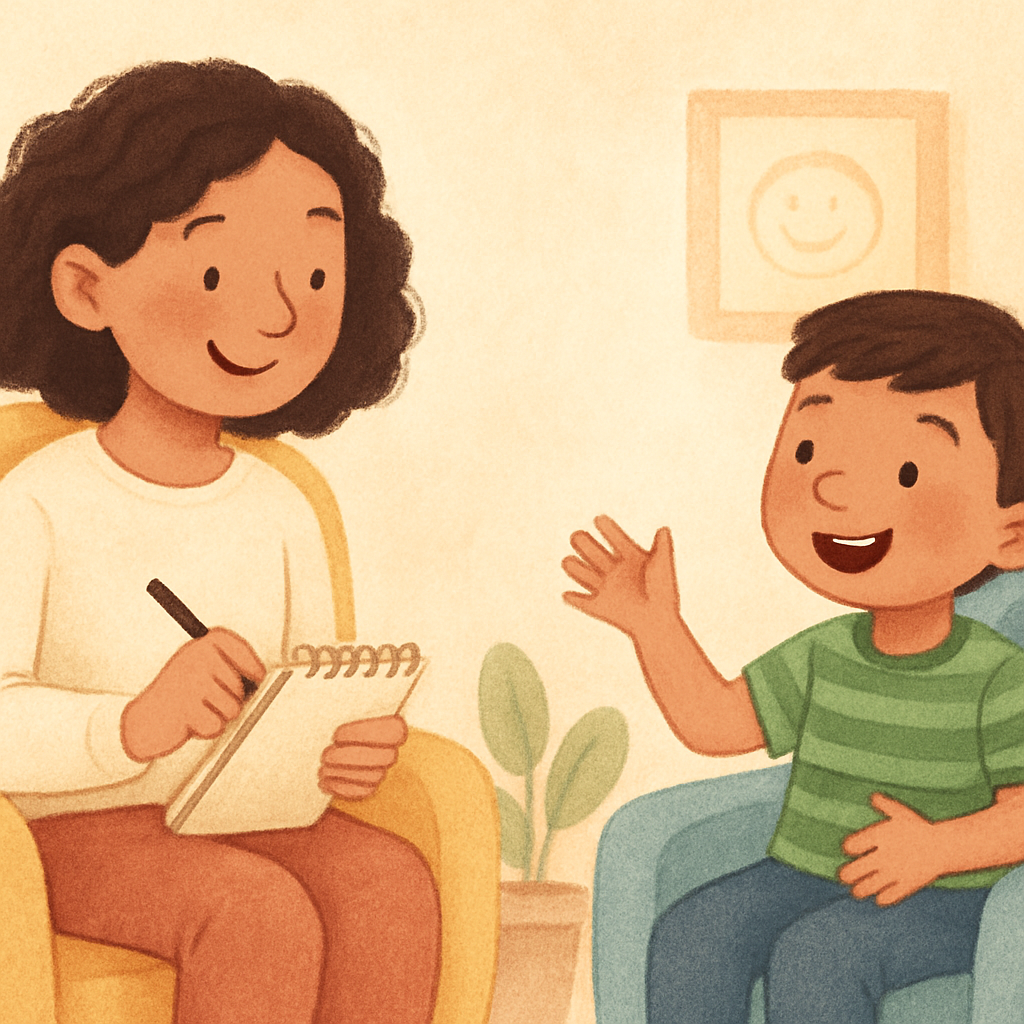
Monitoring your child’s developmental milestones helps you track their progress. In the early years, you can note milestones in physical growth, communication, and daily living skills using checklists from pediatricians or child health organizations.
Keep a simple journal or use an app to record when your child reaches new milestones, such as crawling, speaking their first words, or using a spoon. This record is useful for discussions with healthcare providers.
If you have concerns, this log provides valuable information for your doctor or an early intervention specialist. In Australia, parents can start by consulting their GP for referrals to specialists or NDIS services if needed.
Types of Services in Early Childhood Intervention Programs
Early childhood intervention programs offer a wide range of support services designed to meet the unique needs of each child. These early childhood intervention services often include a mix of therapy services, educational support, and family resources. The goal is to provide a holistic approach that supports the entire family.
From different types of therapies to specialized behavioural support, these programs are comprehensive. Some children may also benefit from assistive technology to help with communication or mobility. Next, we will explore some of the most common services available.
Therapy Options: Speech, Occupational, and Physical Therapy
Therapy services are essential in early intervention, helping children develop key skills. Speech, occupational, and physical therapies each address different developmental needs but often work together in a coordinated plan.
Speech therapy improves communication for children with language or speech challenges. Occupational therapy develops daily living skills like self-care and fine motor tasks. Physical therapy enhances gross motor abilities such as walking and balance.
These therapies are play-based to keep learning enjoyable. Therapists collaborate with families to set goals and practice strategies at home.
|
Therapy Type |
Focus Area |
|---|---|
|
Speech Therapy |
Communication, language development, expressing needs |
|
Occupational Therapy |
Daily living skills, self-care, fine motor control |
|
Physical Therapy |
Gross motor skills, balance, coordination, movement |
Positive Behaviour Support Services
Positive Behaviour Support (PBS) is a specialized service that addresses challenging behaviours by identifying their causes and teaching children better ways to communicate and interact. Early PBS intervention supports long-term mental health.
Trained behaviour support practitioners lead the process. They assess the child in various settings and develop a personalized plan with strategies to encourage positive interactions and reduce harmful behaviours.
Practitioners work closely with families and educators, offering training and guidance to ensure consistency. This team approach is essential for effective positive behaviour support.
Allied Health Professionals in Early Intervention
Early intervention is a team effort, with allied health professionals playing a key role. This group includes occupational therapists, speech pathologists, and physiotherapists who work together to support children with developmental challenges.
Each specialist brings unique expertise—occupational therapists focus on daily living skills, while speech pathologists address communication. By collaborating, they create comprehensive plans tailored to each child’s needs.
These professionals also partner with families, providing tools and strategies for use at home. Their teamwork empowers parents and ensures well-rounded support for every child.
Individualized Approaches in Early Intervention
Every child is unique, and early intervention recognizes this by taking an individualized approach. Support is never one-size-fits-all. Instead, services are carefully tailored to meet your child’s needs and your family’s goals. This often starts with creating an Individualized Family Service Plan (IFSP).
This personalized plan outlines the specific support services and goals for your child, from special education to therapies. The following sections will explain how these programs are tailored and why collaboration between families and specialists is so important for success.
Tailoring Programs to Unique Needs of Each Child
Yes, early intervention programs should be tailored to each child’s unique needs. The process starts with a comprehensive assessment to identify your child’s strengths and support areas, leading to an Individualized Family Service Plan (IFSP).
The IFSP outlines specific goals and the services needed, such as special education or therapies. It is flexible and adjusts as your child develops.
If you’re unsure whether your child needs intervention, observe their development and consult a professional. A personalized program ensures your child gets the most effective support, maximizing their growth potential.
Collaboration Between Families and Specialists
Effective early intervention relies on strong collaboration between families and specialists. As your child’s expert, your involvement is essential. Specialists work with you to ensure the intervention plan fits your family’s needs.
This partnership requires open communication, shared decisions, and consistent strategies at home and in therapy. Professionals equip you with tools and knowledge to support your child, while many programs connect families to support groups for extra encouragement.
In Australia, parents can access early intervention by speaking with their GP or a child health nurse. They provide referrals and help navigate pathways like the NDIS, making you an active partner in your child’s care from the start.
Conclusion
In conclusion, understanding early intervention for young children is crucial for fostering their development and well-being. By recognizing the importance of timely support, you can help address developmental delays and enhance communication, social, and emotional skills. The benefits of early intervention extend far beyond the immediate effects; they pave the way for long-term positive outcomes in a child's life. By collaborating with specialists and tailoring approaches to meet individual needs, families can ensure their children receive the best possible support. If you're concerned about your child's development or have questions about early intervention services, don’t hesitate to reach out and get the guidance you need.
Reach out today for a consultation or call daar at 02 9133 2500!
Frequently Asked Questions
How do I know if my child needs early intervention?
Trust your instincts. If you notice your young child is consistently missing developmental milestones or showing signs of a developmental delay, it may be time to seek early intervention. Talk to a healthcare professional who can assess your child and guide you toward the right support services.
What role do behaviour support specialists play in the process?
Behaviour support practitioners are key to early intervention services. They use positive behaviour support strategies to understand and address challenging behaviours. These specialists create plans to improve a child's emotional development and mental health, teaching them new skills to express themselves in healthier ways.
Are early childhood intervention services available throughout Australia?
Yes, early childhood intervention services are available in various areas across Australia. The National Disability Insurance Scheme (NDIS) helps eligible children access funding to support children with disabilities or developmental delays, ensuring families can find the help they need regardless of their location.
.svg)




.svg)