
.png?width=48&height=48&name=Group%201%20(3).png)























3 February, 2026

Kids Tantrums: A Guide for Parents and Caregivers
Introduction
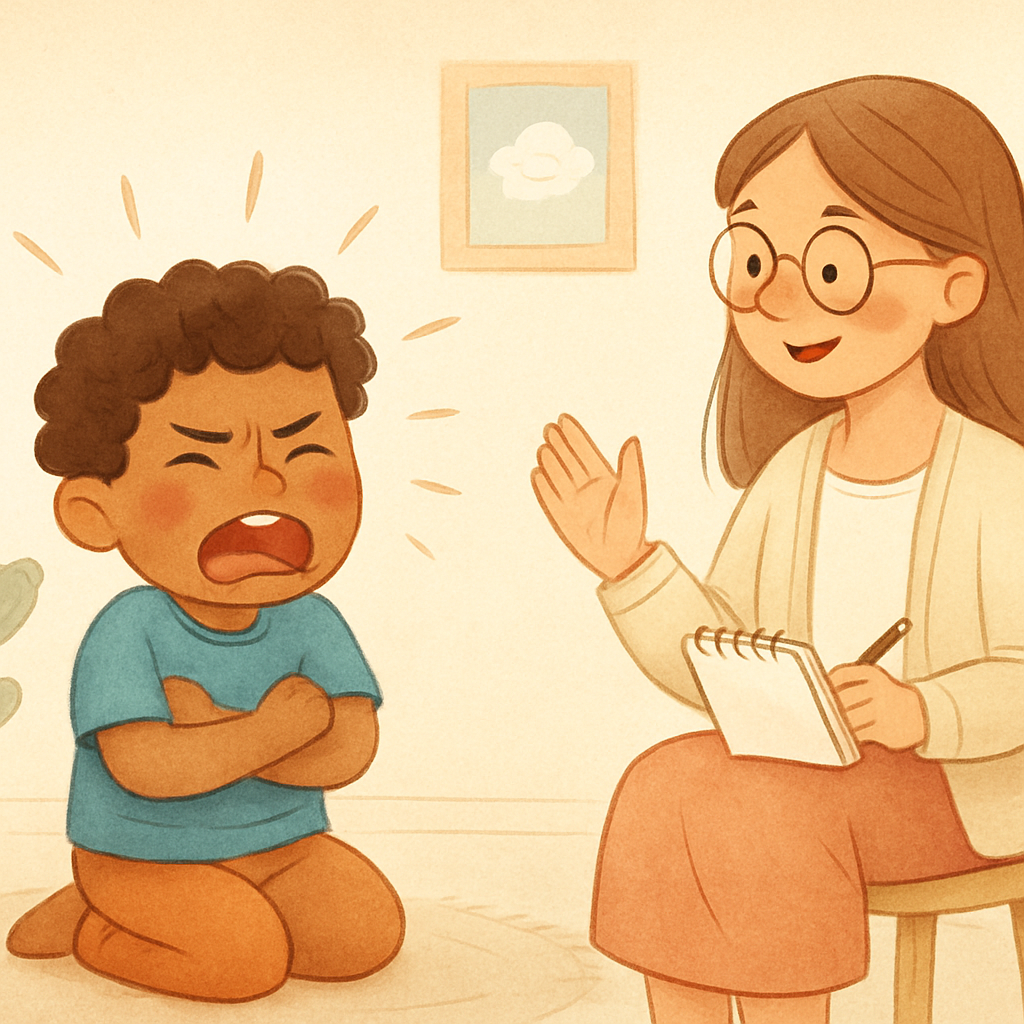
If you're a parent or caregiver of young children, you've likely witnessed the powerful force of temper tantrums. One minute everything is fine, and the next, your child is overtaken by an intense emotional storm. While these outbursts can be stressful and confusing, it’s important to remember that they are a completely normal part of child development. Understanding why tantrums happen is the first step toward managing them effectively and guiding your child through these challenging moments with confidence and compassion.
Key Highlights
- Temper tantrums are a normal part of development in young children, resulting from their inability to manage big emotions.
- These emotional outbursts happen because the logical part of a child's brain, which handles impulse control, is still developing.
- Common triggers for tantrums include hunger, fatigue, overstimulation, and frustration from not being able to communicate.
- Responding with calm and consistency is more effective than giving in or punishing the child.
- Preventing tantrums through routines and teaching emotional regulation can encourage positive behaviour.
Understanding Tantrums in Children
Temper tantrums are often a young child's only way of expressing overwhelming needs, wants, and big feelings. Because their brains are still developing, they haven't built the skills to handle strong emotions or frustration more maturely. This challenging behaviour is not a sign of a "bad kid" but a normal part of development.
When a child has a tantrum, they are reacting emotionally to their world. They might be hungry, tired, or frustrated by their inability to communicate what they need. Learning the root causes and common triggers can help you respond with more understanding.
What Are Tantrums and Why Do They Happen?
Tantrums are intense bursts of anger and frustration in young children, often involving crying, screaming, or hitting. These occur because the emotional part of the brain is developed at birth, while the logical part matures later. As a result, young children act on strong feelings without reasoning.
Tantrums are common between 18 months and four years, when toddlers want independence but still depend on adults. This struggle for control leads to frustration and outbursts—not because they’re being difficult, but because they lack coping skills.
As children grow—usually after age five—their brains mature, helping them manage emotions better. Tantrums then become less frequent and intense.
Common Triggers for an Angry Child
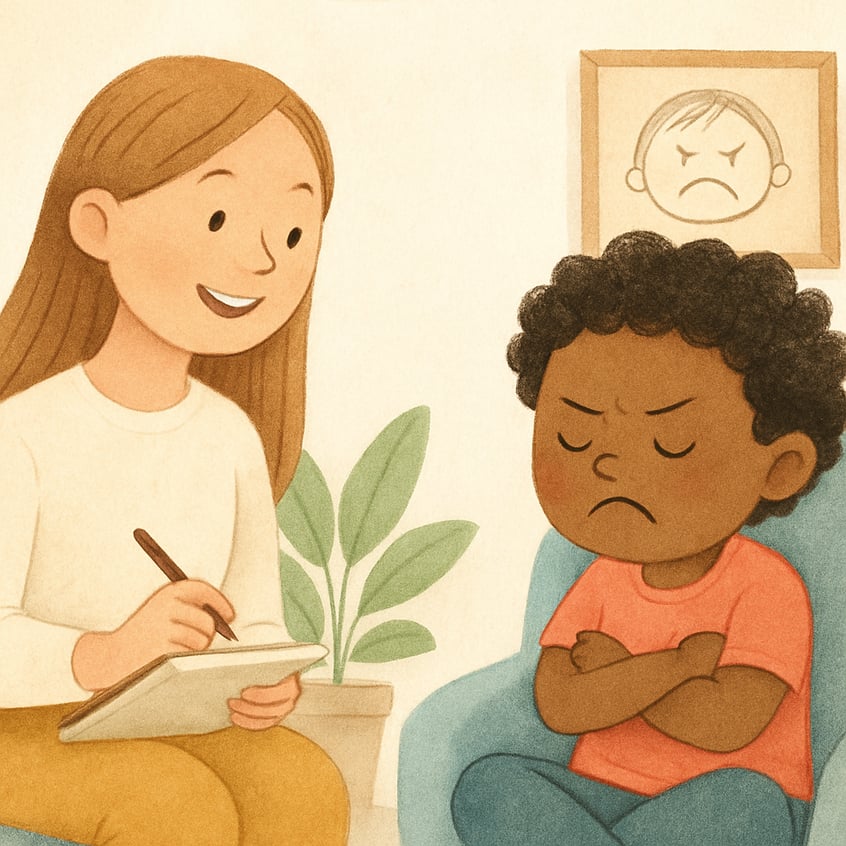
Tantrums are often driven by strong emotions, but certain situations make them more likely. Watching your child before an outburst can reveal warning signs—irritability or fussiness usually signals they’re nearing their limit.
Physical needs are common triggers. Lack of sleep, missed naps, or hunger make it harder for children to manage emotions. Disruptions to routine can also be unsettling.
Other major triggers include:
- Overstimulation: Busy, noisy environments can overwhelm a child.
- Frustration: Struggling to communicate needs often leads to tantrums.
- Physical illness: Feeling sick increases emotional vulnerability.
Distinguishing Tantrums from Misbehaviour and Behavioural Disorders
It's common for parents to worry if frequent tantrums are a sign of a bigger problem. While most tantrums are normal, some can be a symptom of underlying behavioural disorders like oppositional defiant disorder (ODD) or attention deficit hyperactivity disorder (ADHD). The key is to look at the frequency, intensity, and context of the outbursts.
A typical tantrum is a temporary loss of control, while deliberate misbehaviour is often more calculated. Similarly, tantrums associated with disorders like ADHD or ODD tend to be more severe and persistent past the typical toddler years. Understanding these differences can help you determine if it's time to seek professional advice.
Tantrums Versus Deliberate Misbehaviour
It can be hard to tell a genuine tantrum from deliberate misbehaviour, but there are clear differences. A tantrum is an emotional outburst—your child is overwhelmed, out of control, and unable to calm down. Their anger reflects distress, not logic.
Deliberate misbehaviour is usually intentional. A child might act out to test limits or seek attention, knowing any attention is better than none. This behaviour is more calculated and less about emotional overload—for instance, if your child looks at you before breaking a rule, it’s likely misbehaviour.
Recognizing the difference helps you respond effectively. Tantrums need comfort and reassurance; misbehaviour requires firm boundaries and consequences to encourage positive choices without rewarding negative attention-seeking.
Differences Between Tantrums and Ongoing Behavioural Disorders
Most toddlers have tantrums, but certain patterns may suggest behavioural disorders. Conditions like ADHD or oppositional defiant disorder (ODD) often cause frequent, intense, and hard-to-manage outbursts.
If your child’s tantrums don’t decrease with age (especially after age five), happen more than five times a day, or involve severe aggression toward themselves or others, consult a professional. A child psychologist or developmental pediatrician can assess if there’s an underlying issue.
Here’s how to compare typical tantrums to those linked to disorders:
|
Feature |
Typical Tantrums |
Tantrums Linked to Disorders |
|---|---|---|
|
Age |
Common ages 1–4; decrease over time |
Persist or worsen after age 5 |
|
Frequency |
Up to a few times daily |
Very frequent—often multiple times daily |
|
Duration |
30 seconds to a few minutes |
Lasts over 15–25 minutes |
|
Behaviour |
Crying, screaming, falling down |
Aggressive, destructive, self-injurious |
|
Recovery |
Returns to normal mood after calming |
Remains irritable between outbursts |
Prevention Strategies for Tantrums
One of the most effective ways to handle tantrums is to prevent them from happening in the first place. Prevention focuses on identifying and managing common triggers before your child becomes overwhelmed. A predictable daily routine is a powerful tool, as it helps your child feel secure and in control.
Ensuring your child gets enough rest and eats regular meals with healthy snacks can make a huge difference in their ability to manage emotions. When a child's basic physical needs are met, they are far less likely to have a meltdown.
Effective Routines That Reduce Outbursts
Establishing a predictable daily routine is one of the best ways to reduce tantrums. When children know what to expect, they feel safer and more in control, lowering frustration. A consistent schedule for meals, naps, and bedtime ensures your child gets enough rest and isn’t hungry—boosting emotional resilience.
Allow your child some autonomy within the routine by offering simple choices, like which shirt to wear. This fosters independence without disrupting your schedule. Providing healthy snacks between meals helps prevent "hangry" outbursts.
Additional tips for tantrum prevention:
- Give Warnings: Let your child know before transitions, e.g., “We’re leaving the park in five minutes.”
- Childproof Your Home: Remove temptations that lead to frequent “no’s.”
- Plan Ahead: Bring toys or music for situations you know are challenging.
- Praise Good Behaviour: Give positive attention when your child is calm and cooperative.
Teaching Emotional Regulation Skills
Toddlers can't fully control emotional outbursts, but you can start teaching emotional regulation. Help your child identify and name their feelings by acknowledging them ("mad," "sad," "frustrated"). Books and pictures about emotions build their emotional vocabulary and improve communication, reducing future tantrums.
As your child grows, introduce coping strategies:
- Calm-Down Corner: Create a cozy spot for comfort.
- Deep Breaths: Teach them to "blow out the candles" on their fingers.
- Use Words: Encourage saying "I'm mad" instead of acting out.
- Problem-Solve Later: After a tantrum, discuss better ways to handle similar feelings next time.
Approaches to Managing a Child’s Tantrum
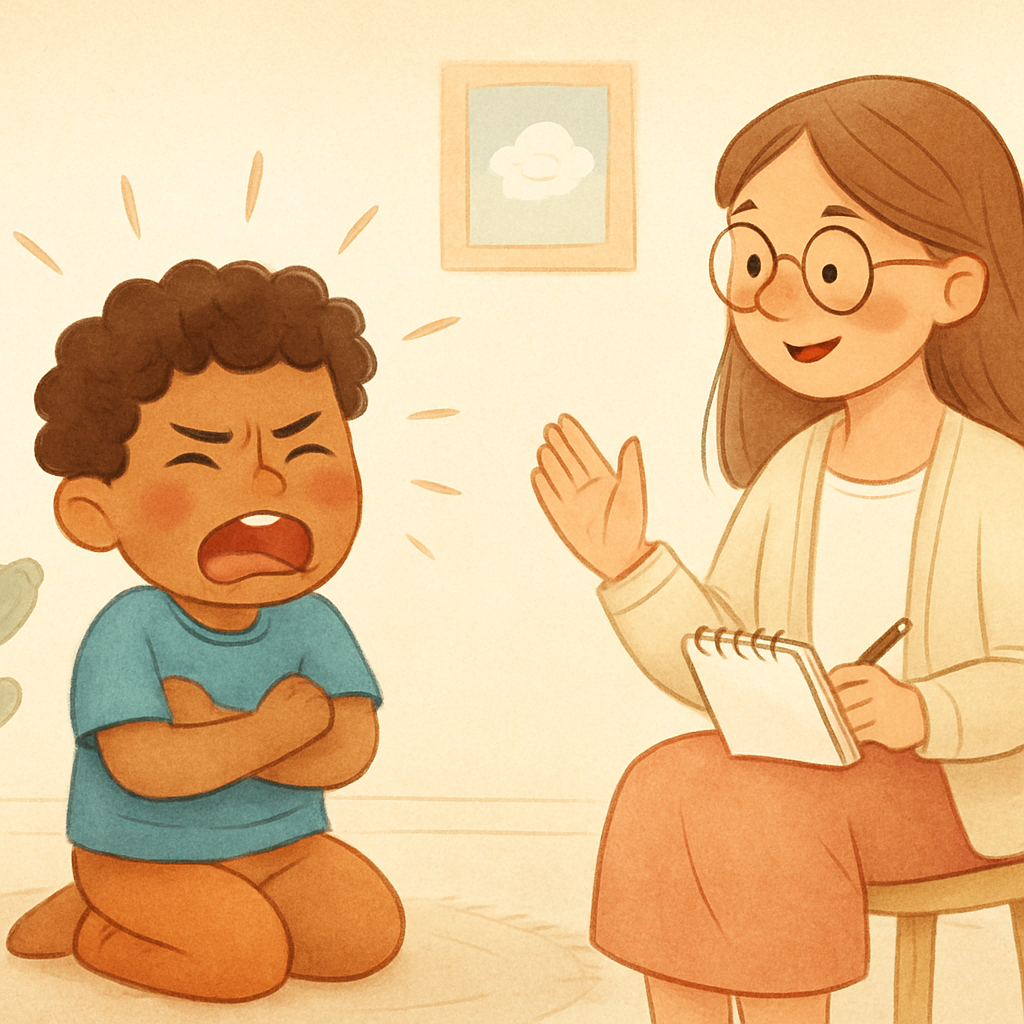
When a tantrum is already underway, your main goal is to keep everyone safe and help your child through the emotional storm. The best way to do this is with calm responses. If you get angry or yell, it will only escalate the situation. Your calm presence acts as an anchor for your child's out-of-control emotions.
You can move your child to a safe place if necessary and use a low, steady voice. While it’s important not to give in to their demands, you can offer comfort and reassurance. Exploring these better ways to react in the moment will help you and your child navigate outbursts more peacefully.
Calm and Consistent Responses During an Outburst
Your response to a tantrum can either escalate or defuse it. The most important thing is to stay calm—your composure sets an example for your child, whose emotions are running high and who can't be reasoned with in the moment.
If possible, move your child to a safe area away from hazards. Some children need space; others want you nearby for comfort. Speak gently and briefly—for example, "I'm here for you." Focus on keeping everyone safe while letting the tantrum pass.
Key steps during a tantrum:
- Stay Calm: Manage your own emotions; step away if needed (and it's safe).
- Ignore the Tantrum (If Safe): Don't give in or overreact.
- Distract Younger Kids: A change of scenery or a new object may help toddlers reset.
- Comfort Afterward: When it's over, reassure your child with affection and support.
Talking to Children About Anger and Emotions
Teach your child about big feelings after they’ve calmed down—not during a tantrum. Once they’re receptive, gently discuss what happened to build their communication skills and encourage positive behaviour.
Start by validating their feelings: “You were very angry because you wanted to keep playing.” This shows you understand and that strong emotions are okay, even if the behaviour wasn’t.
Next, connect feelings to actions and suggest alternatives: “It’s fine to feel mad, but it’s not okay to hit. Next time, use your words or stomp your feet.” This gives them tools to manage emotions more constructively.
Conclusion
In summary, understanding and managing kids' tantrums is essential for fostering a supportive environment for your child. By recognizing the triggers and differentiating between tantrums and deliberate misbehaviour, you can implement effective strategies to prevent outbursts and teach emotional regulation. Remember that calm, consistent responses during a tantrum can significantly impact how your child learns to cope with their emotions. As parents and caregivers, investing time in these strategies not only aids in handling tantrums but also strengthens your child's emotional development.
If you need further support or guidance, don't hesitate to reach out for a consultation or call daar at 02 9133 2500.
Frequently Asked Questions
When Should Parents Worry About Frequent Tantrums?
You should consider seeking advice from a child psychologist if frequent tantrums continue or worsen past five years of age. Worrying signs include extreme behaviours like intentionally hurting themselves or others, destroying property, or having outbursts that last longer than 25 minutes. These could indicate underlying behavioural disorders that need professional support.
How Can Parents Help Kids Learn Self-Regulation After a Tantrum?
After a tantrum, wait until your child is calm, then talk about what happened. Help them name their feelings and discuss what they could do differently next time. Praising their efforts to use communication skills will encourage positive behaviour. For more structured help, programs like parent management training can offer effective strategies.
What Are Healthy Ways to Discuss Strong Feelings with Young Children?
Healthy ways to discuss strong feelings with young children include naming the child’s feelings for them ("You seem frustrated"). Use books or picture cards about emotions to build their vocabulary. Most importantly, model good communication skills yourself by talking about your own feelings in a calm and constructive way.
.svg)




.svg)