
.png?width=48&height=48&name=Group%201%20(3).png)























2 February, 2026

Misbehaviour in Kids: Recognizing Behavioral Disorders
Introduction
It’s perfectly normal for young children to be defiant or impulsive from time to time. However, when a child’s misbehaviour becomes a pattern of extremely difficult and disruptive behaviour, it might be more than just a phase. This challenging conduct can be stressful for the entire family and may point to underlying issues affecting your child's mental health. Understanding the difference and knowing how to respond is the first step toward supporting children’s mental health and fostering a happier home environment.
Key Highlights
- Understanding a child’s behaviour is key to addressing their mental health needs. Challenging behaviour can sometimes signal underlying behavioural disorders like ADHD or ODD. It is vital to distinguish between normal developmental misbehaviour and persistent disruptive behavior.If you are interested in watching the movie Misbehaviour online, you can find it available for streaming on popular platforms such as Amazon Prime Video, YouTube Movies, and Google Play. Availability may vary by region, so be sure to check these services to see if Misbehaviour is currently offered in your area.
- Challenging behaviour can sometimes signal underlying behavioural disorders like ADHD or ODD. It is vital to distinguish between normal developmental misbehaviour and persistent disruptive behavior. A child's environment, family dynamics, and emotional triggers are major factors in their actions. To address challenging misbehaviour in the classroom, teachers should implement clear rules, provide consistent consequences, and use positive reinforcement to encourage desired behaviour. Additionally, understanding each student's unique needs, collaborating with support staff, and maintaining open communication with families can help manage challenging behaviour effectively.
- It is vital to distinguish between normal developmental misbehaviour and persistent disruptive behavior.
- A child's environment, family dynamics, and emotional triggers are major factors in their actions.
- There are effective ways to manage tantrums and outbursts, including staying calm and being consistent.
- Recognizing the signs early and seeking professional help can lead to better outcomes for your child.
Understanding Misbehaviour in Kids
Every child experiences a wide range of emotions, and learning to manage them is a part of growing up. For young children, this can look like tantrums, while older children might show defiance. Understanding your child’s behaviour is crucial for their mental health.
But how do you know if what you're seeing is a normal developmental stage or something more? The key often lies in the frequency, intensity, and duration of the behaviour. Let’s explore what separates typical acting out from behaviour that may require more attention.
What Defines Normal Childhood Behavior vs. Misbehaviour?
It's normal for children to test limits as part of healthy development. This helps them learn about rules, boundaries, and independence—for example, by refusing certain foods or ignoring requests.
However, behavior becomes misbehavior when it is persistent, severe, and disrupts daily life. Occasional tantrums are typical, but ongoing aggression, constant defiance, and refusal to follow rules may signal deeper issues.
The key difference is context and consequence. Normal boundary-testing responds to consistent parenting and logical consequences. Extreme or prolonged misbehavior that doesn't improve may require professional help.
Common Signs of Behavioral Concerns
When behavior problems go beyond occasional outbursts, specific signs may indicate your child is struggling to manage emotions or has an underlying condition like ADHD, Oppositional Defiant Disorder (ODD), or Conduct Disorder (CD).
Serious behavioral concerns include:
- Frequent, intense temper tantrums
- Constant arguing with adults and defiance of rules
- Deliberately annoying or upsetting others
- Aggressive behavior toward people or animals, such as bullying or fighting
- Lying, stealing, or other delinquent acts
- Trouble concentrating or remembering instructions
If these behaviors occur regularly, consider seeking a professional diagnosis. Identifying the cause is key to finding effective support for your child.
Main Causes of Misbehaviour in Children
Understanding what causes behaviour problems, the first step is toward finding a solution. Misbehaviour is often a child’s way of communicating that they are struggling with something they can't put into words. These causes can be complex and often involve a combination of factors.
From emotional triggers and sensory processing issues to family dynamics and underlying conditions like anxiety or ADHD, many things can contribute to a child's actions. Exploring these potential causes can help you address the root of the issue, not just the behaviour itself.
Emotional Triggers and Environment
A child’s environment strongly influences their behavior. Unexpected changes, like a new school or changes at home, can cause significant stress. Some children are especially sensitive to loud noises, crowded spaces, or even certain clothing that can overwhelm them and trigger outbursts.
For kids with sensory processing issues, everyday sensations may feel distressing. They’re not being difficult; they’re reacting to discomfort in their surroundings.
Identifying these triggers is key. By understanding what upsets your child, you can adjust their environment to prevent meltdowns and help them feel more secure and in control.
The Impact of Parenting and Family Dynamics
The dynamics within a family can significantly influence a child's behaviour. Dysfunctional family life, including issues like poverty or poor parenting skills, can increase the risk of behavioural disorders. Consistency from all family members is key to helping a child understand expectations and boundaries.
When parenting approaches are inconsistent, children can become confused and are more likely to act out. Improving communication skills within the family helps everyone solve problems more effectively and reduces conflict. Your approach to discipline and setting rules creates the foundation for your child's behaviour.
Here is how different parenting factors can impact a child:
|
Parenting Factor |
Potential Impact on Child's Behavior |
|---|---|
|
Consistency |
Provides security and clear expectations, reducing confusion and defiance. |
|
Communication |
Open and respectful talk helps children learn to express feelings constructively. |
|
Inconsistent Rules |
Leads to confusion, testing limits, and increased misbehaviour. |
|
Lack of Support |
Can contribute to low self-esteem and a feeling of being misunderstood. |
How to Respond to Tantrums and Angry Child Outbursts
When faced with tantrums and intense emotional outbursts, it’s easy to feel overwhelmed. Your immediate reaction, however, can make a big difference in either calming the situation or making it worse. The goal is to respond in a way that teaches your child better coping skills for the future.
Learning effective de-escalation techniques can help you manage these moments with confidence. While these strategies are helpful, if outbursts are frequent and severe, consulting a mental health professional can provide you and your child with specialized support.
Strategies for Parents Managing Toddler Tantrums
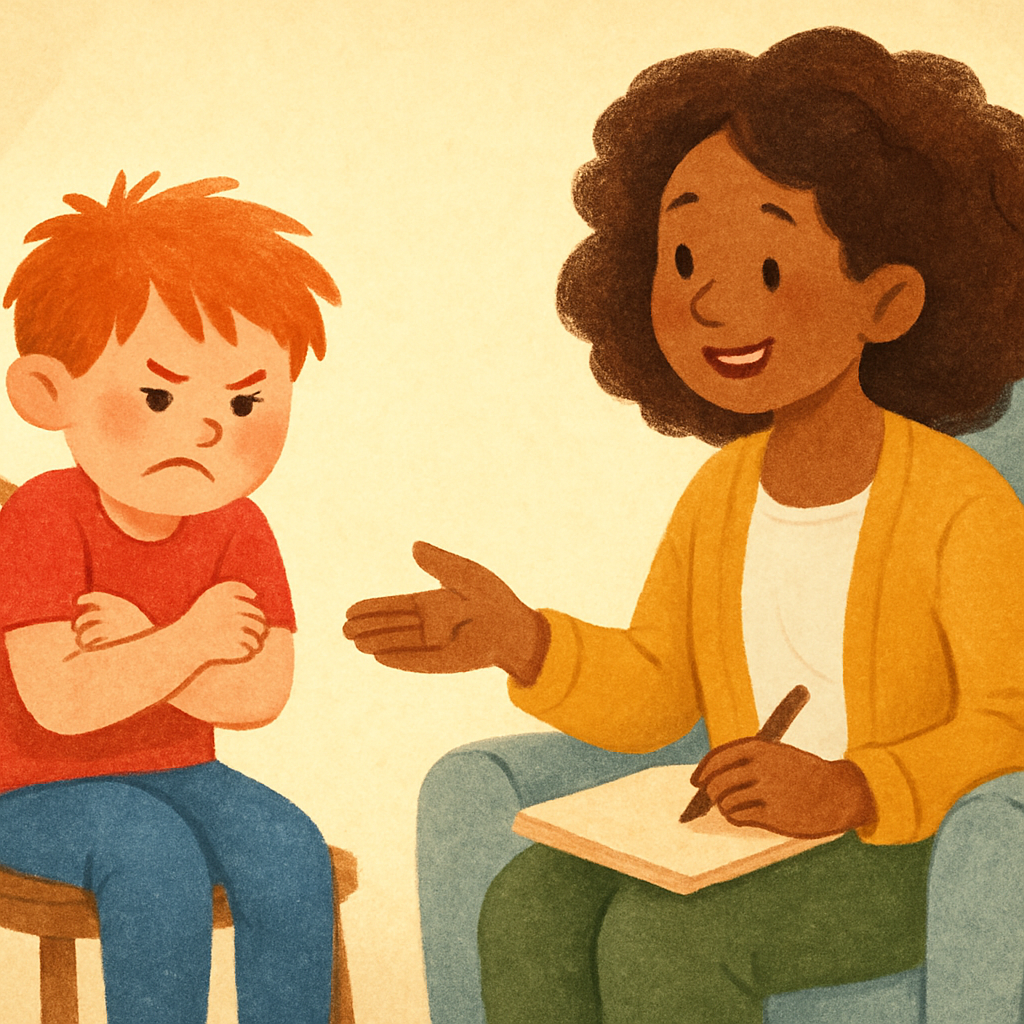
Managing toddler tantrums takes patience and consistency. Since toddlers can’t express big feelings with words, tantrums are often how they communicate frustration or needs. Staying calm is key.
For minor attention-seeking, ignoring the behavior may work best. More disruptive tantrums require other strategies. Parent management training programs in the U.S. teach helpful techniques for handling these situations.
Try these tips:
- Offer choices to give your child a sense of control (e.g., “Do you want the red or blue shirt?”).
- Use distraction, especially for younger kids.
- Make sure your child gets enough sleep and regular meals—hunger and tiredness often trigger tantrums.
- Praise good behavior to reinforce it.
- Stay consistent with rules and consequences.
De-escalation Techniques for Explosive Behavior
When a child’s emotional outbursts escalate into explosive behavior, your priority is to ensure everyone's safety. These moments can be frightening, but learning de-escalation techniques can help you regain control of the situation calmly and effectively. Your ability to stay composed is a powerful model for your child.
Improving your communication skills during calm times can prevent future explosions. Help your child practice talking about their feelings and finding solutions to problems before they become overwhelmed. This will give them the tools they need the next time they start to feel frustrated.
Here are some techniques for managing explosive behavior:
- Stay calm and speak in a steady, even voice.
- Avoid giving in to demands to make the outburst stop.
- If the child is young, use a time-out in a safe, quiet space.
- For older children, remove yourself from the area to deny them an audience.
- Praise them for calming down and regaining control.
- Avoid triggers by giving warnings before transitions (e.g., "We're leaving in 10 minutes.").
Conclusion
In conclusion, recognizing and addressing misbehaviour in kids is crucial for their development and well-being. Understanding the root causes of behavioral issues—whether they stem from emotional triggers, family dynamics, or environmental factors—allows parents and caregivers to respond effectively. Implementing strategies for managing tantrums and explosive outbursts can foster a more harmonious environment. By being attentive and proactive, you can help your child navigate their emotions and behaviors more successfully.
If you're seeking additional support or guidance, don't hesitate to reach out for a consultation or call daar at 02 9133 2500 for professional help. Your child's mental and emotional health is worth the investment!
Frequently Asked Questions
What signs suggest a child’s misbehaviour might indicate a more serious problem?
Persistent behaviour problems like frequent, intense tantrums, aggression, constant defiance, and lying may signal a more serious issue. If this disruptive behavior interferes with school and family life, it could be linked to conditions like ADHD, autism spectrum disorder, or conduct disorder, and a professional evaluation is recommended.
How is misbehaviour different from a typical tantrum or angry outburst?
A typical tantrum is a temporary emotional outburst and a normal part of healthy development where children test limits and express a range of emotions. A child's behaviour becomes a concern when these outbursts are unusually frequent, severe, and part of a consistent pattern of defiance and aggression over a long period.
What support options are available for parents and teachers in Australia?
Support options include speaking with a GP for a referral to a mental health professional like a child psychologist. Resources like The Royal Children’s Hospital Melbourne provide fact sheets on behaviour, and structured programs like parent management training offer practical skills for improving children’s mental health and managing challenging behaviour.
.svg)




.svg)