
.png?width=48&height=48&name=Group%201%20(3).png)























30 January, 2026

Understanding Behavioural Concerns of a Child: Key Signs
Introduction
It’s normal for young children to be defiant or impulsive from time to time. Testing boundaries is a natural part of growing up. However, when challenging behaviours become extreme, frequent, and disruptive, they may point to underlying behavioural concerns. Understanding these signs is the first step toward supporting your child’s long-term mental health. This guide will help you recognize key signals, understand potential causes, and learn effective ways to respond to your child’s behaviour.
Key Highlights
- Recognizing the difference between normal defiance and persistent behavioural concerns is crucial for young children.
- Common behavioural issues can be signs of underlying conditions like ADHD, anxiety, or Oppositional Defiant Disorder.
- Frequent tantrums and explosive outbursts are often signals that a child lacks the skills to manage strong emotions.
- The causes of behavioural disorders are complex, stemming from emotional triggers, social influences, and environmental factors.
- Parental response plays a key role; staying calm and using consistent strategies can help manage a child’s behaviour.
- Seeking professional help is important when behavioural issues disrupt family life and your child’s mental health.
Recognizing Behavioural Concerns in Children
Telling the difference between normal childhood behaviour and true behavioural problems can be difficult. While all children test limits, behavioural issues involve ongoing patterns of disruptive actions that are unusual for the child’s age and negatively affect life at home, school, or with friends.
Common concerns include frequent tantrums, aggression, defiance, and trouble following rules. Watch for behaviours that happen often, are intense, or last a long time—especially if they go beyond what’s typical for the child’s age. Persistent or severe outbursts may signal underlying behaviour disorders that require attention and support.
Common Signs of Misbehaviour and Tantrums
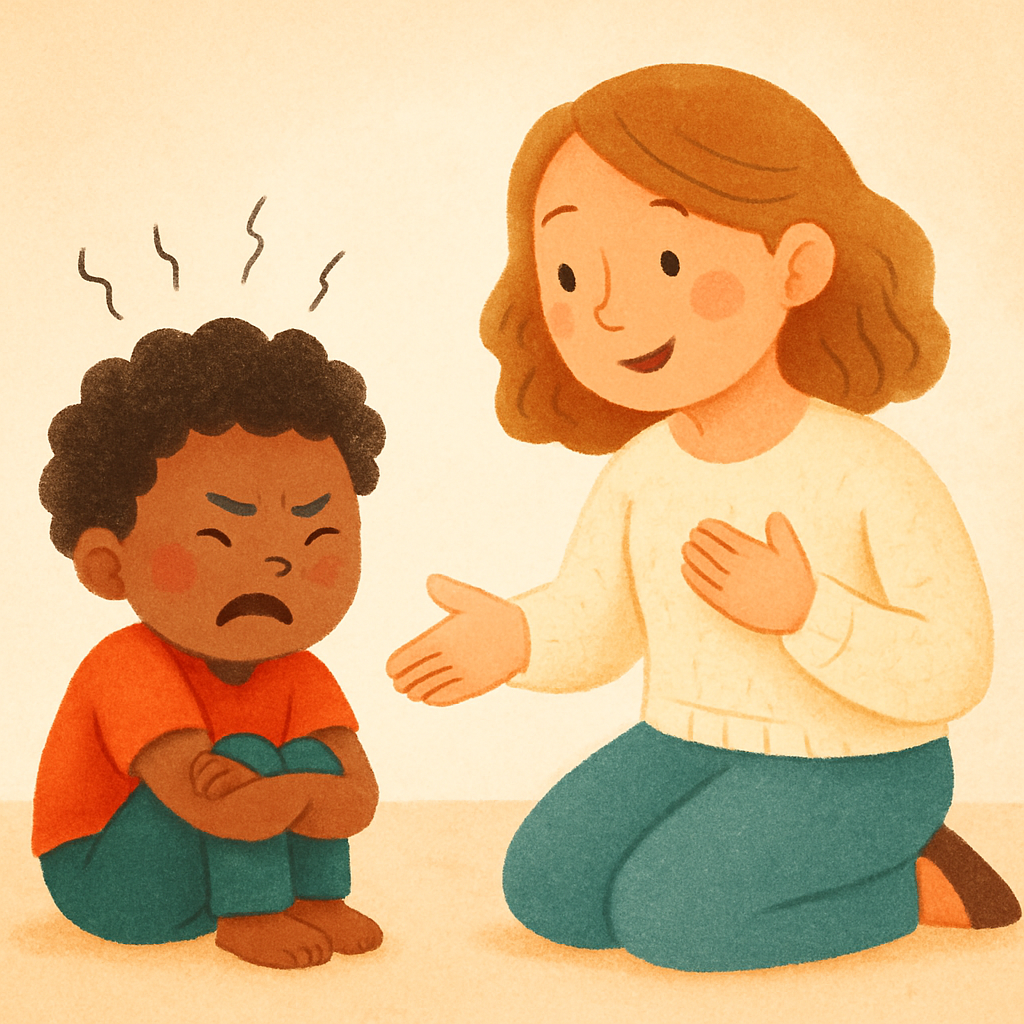
Tantrums are common in young children and usually stem from frustration when their needs aren’t met. While occasional tantrums are normal, frequent outbursts may signal difficulty with emotional regulation and an inability to express feelings or solve problems.
Instead of talking about their frustration, children act out because they lack better coping skills. Signs of recurring tantrums include:
- Frequent, intense outbursts
- Regular arguments with adults
- Refusal to follow simple requests
- Deliberately annoying others
These behaviours indicate emotional distress, not just misbehaviour. Children with frequent tantrums need help building healthier coping skills.
Identifying an Angry Child’s Warning Signals
While tantrums are common, some children have more explosive and aggressive outbursts that can endanger themselves and others. These episodes signal emotional distress and difficulty managing anger.
Recognizing warning signs is crucial for early intervention. Stay calm—yelling only escalates defiance. Instead, model the behaviour you want your child to follow. Warning signs of severe aggression include:
- Harming people or animals
- Starting physical fights, sometimes with weapons
- Damaging property intentionally
- Showing little empathy
When a child lashes out, they're communicating overwhelm and a lack of coping skills. Teaching problem-solving when they're calm can help prevent future outbursts.
Types of Behavioural Issues in Childhood
Some children display challenging behaviours beyond what’s typical for their age, which may signal behavioural disorders such as Oppositional Defiant Disorder (ODD), Conduct Disorder (CD), or Attention-Deficit/Hyperactivity Disorder (ADHD). Underlying mental health conditions like anxiety or autism spectrum disorder can also contribute.
Behavioural issues vary by age. In toddlers, they often appear as frequent, severe tantrums and defiance. In school-aged children, they may escalate to persistent arguing, aggression, or rule-breaking. Recognizing these developmental differences is key to accurate diagnosis.
Tantrums Versus Explosive Outbursts
Parents often use "tantrum" and "meltdown" interchangeably, but they differ significantly. A tantrum is a controlled outburst where a child may stop if ignored or get what they want. In contrast, a meltdown is an explosive loss of control that only ends when the child is exhausted or calmed by someone else.
Red flags that a tantrum may be more serious include frequent episodes, intense reactions for the child's age, and difficulty calming down. These may signal underlying conditions like Disruptive Mood Dysregulation Disorder (DMDD).
Key differences:
|
Tantrum |
Meltdown |
|---|---|
|
Some control over behaviour |
Complete loss of control |
|
Stops if ignored or rewarded |
Stops only when exhausted or calmed by others |
|
Usually goal-driven |
Triggered by feeling overwhelmed |
|
Common in young children |
Concerning in older children; may indicate deeper issues |
Recognizing these signs can help you respond appropriately and seek support when needed.
Oppositional Behaviours and Defiance
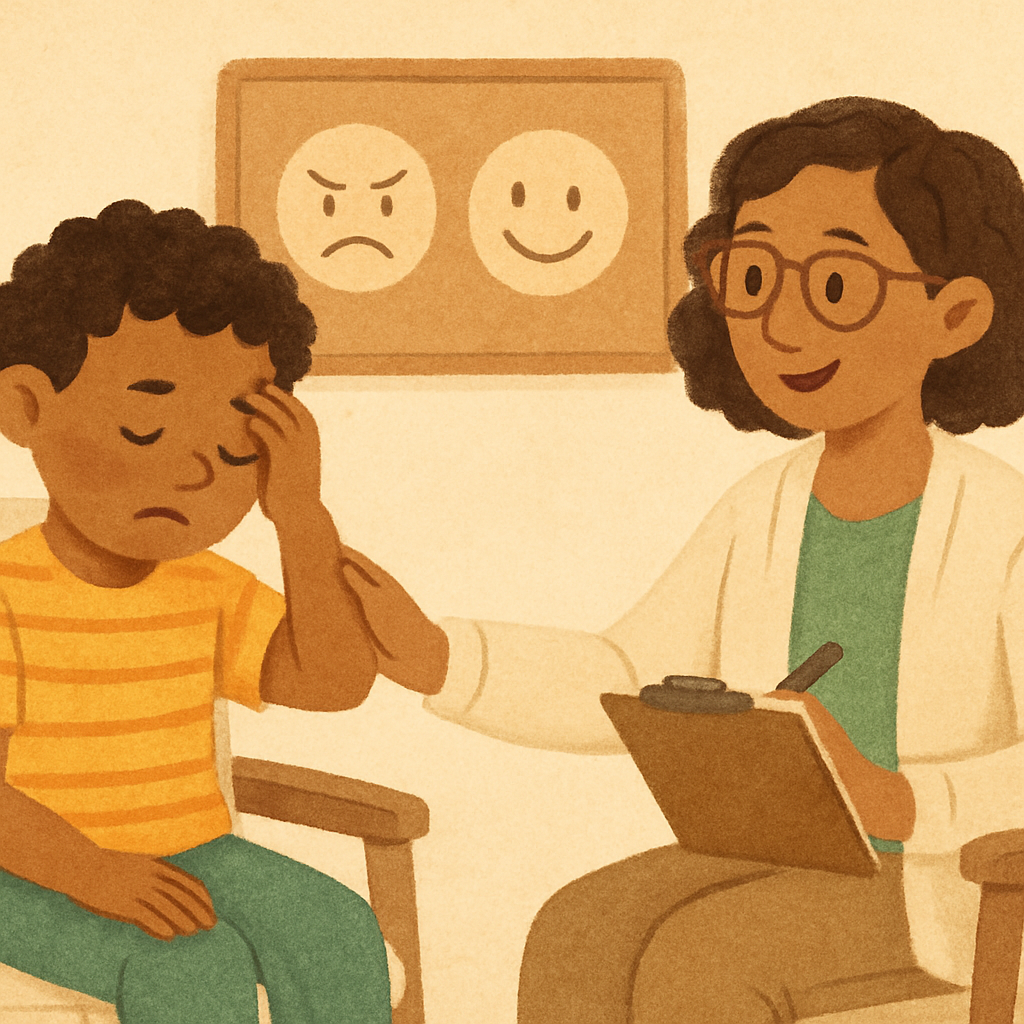
Defiance is a common behavioural issue for parents. While all children test limits, persistent defiance may indicate Oppositional Defiant Disorder (ODD). ODD involves a consistent pattern of anger, argumentative behaviour, and vindictiveness toward authority. It goes beyond typical stubbornness and can disrupt home and school life.
Children with ODD often seem to provoke others and refuse to follow rules, blaming others for their mistakes. Common behaviours include:
- Frequent arguments with adults.
- Refusal to comply with rules or requests.
- Anger, resentment, or spitefulness.
- Quick temper.
Positive discipline strategies, like parent management training, can help. These techniques teach parents how to communicate effectively and manage behaviour without escalating conflict by focusing on connection and reinforcing positive behaviours instead of just punishing negative ones.
Typical Causes Behind Child Misbehaviour
There is no single cause of behaviour problems in children; they usually stem from a mix of factors. Emotional issues like anxiety or depression can lead to outbursts when a child struggles to manage their feelings. Undiagnosed learning disabilities may also cause frustration and acting out, especially at school.
Other common causes include sensory processing issues—where a child feels overwhelmed—and conditions like ADHD that affect impulse control. Environmental and social factors, such as family instability or poor social skills, also strongly influence a child's behaviour and mental health. Next, we'll examine how emotional triggers and external influences contribute to these challenges.
Emotional Triggers and Anger Issues
Strong emotions like anger and frustration are central to many childhood behavioural problems. When children lack the skills to manage these feelings, they can become overwhelmed and have outbursts. Anger is often a symptom of deeper emotional distress—they may lash out because they can't self-soothe or express their needs.
Emotional triggers vary by child and can be as simple as being asked to do homework or stop playing a game. Common triggers include:
- Feeling something is unfair
- Frustration with difficult tasks
- Anxiety or stress
- Difficulty delaying gratification
The goal isn’t to remove triggers but to teach children how to handle them. Offering emotional support and helping them identify their feelings are key first steps in managing anger.
Environmental and Social Influences
A child’s environment and relationships strongly influence their behaviour. A stable, supportive home helps children feel secure, while a dysfunctional family increases the risk of behaviour problems. Children from homes with conflict or inconsistency are more likely to act out.
Poor social skills can also lead to behavioural issues. Children who struggle to make friends or work with others may act out from frustration or loneliness. Family support is essential in helping them navigate these challenges. Common environmental and social risk factors include:
- Dysfunctional family dynamics like domestic violence or poverty
- Harsh or inconsistent parenting
- Parents with mental health or substance abuse issues
- Learning difficulties
These factors don't guarantee behaviour disorders but do raise the risk. Providing a positive, consistent environment can make a big difference.
Conclusion
Understanding a child’s behaviour is key to creating a supportive environment. By recognizing signs of misbehaviour and their causes, parents can develop effective strategies. Approach these situations with empathy so your child feels supported, not judged. Seeking professional help shows strength, not weakness. Positive discipline and open communication encourage healthier behaviour.
For personalized support, reach out for a consultation or call daar at 02 9133 2500 —we’re here to help your child thrive.
Frequently Asked Questions
When should parents seek professional help for behavioural issues?
You should seek professional help when behavioural issues are severe, persistent, and negatively impact your child’s daily life at home or school. A comprehensive evaluation by a child psychologist or psychiatrist can diagnose any potential mental health disorder and explore the best treatment options for your family.
How can positive discipline reduce behavioural concerns?
Positive discipline focuses on teaching, not just punishing. Programs like parent management training and behaviour therapy training are effective ways to learn this approach. They equip you with better communication skills to strengthen your relationship with your child and reinforce positive behaviour, which can significantly reduce behavioural concerns.
What strategies help parents support children with challenging behaviour?
Strategies like parent management training can provide you with the tools to handle challenging behaviour calmly and consistently. You can also seek additional support to help your child build social skills and learn to manage their emotions. Creating a structured, supportive environment at home is also key to managing behaviour problems.
.svg)




.svg)