
.png?width=48&height=48&name=Group%201%20(3).png)























30 January, 2026

Understanding Your Angry Child: Tips for Parents
Introduction
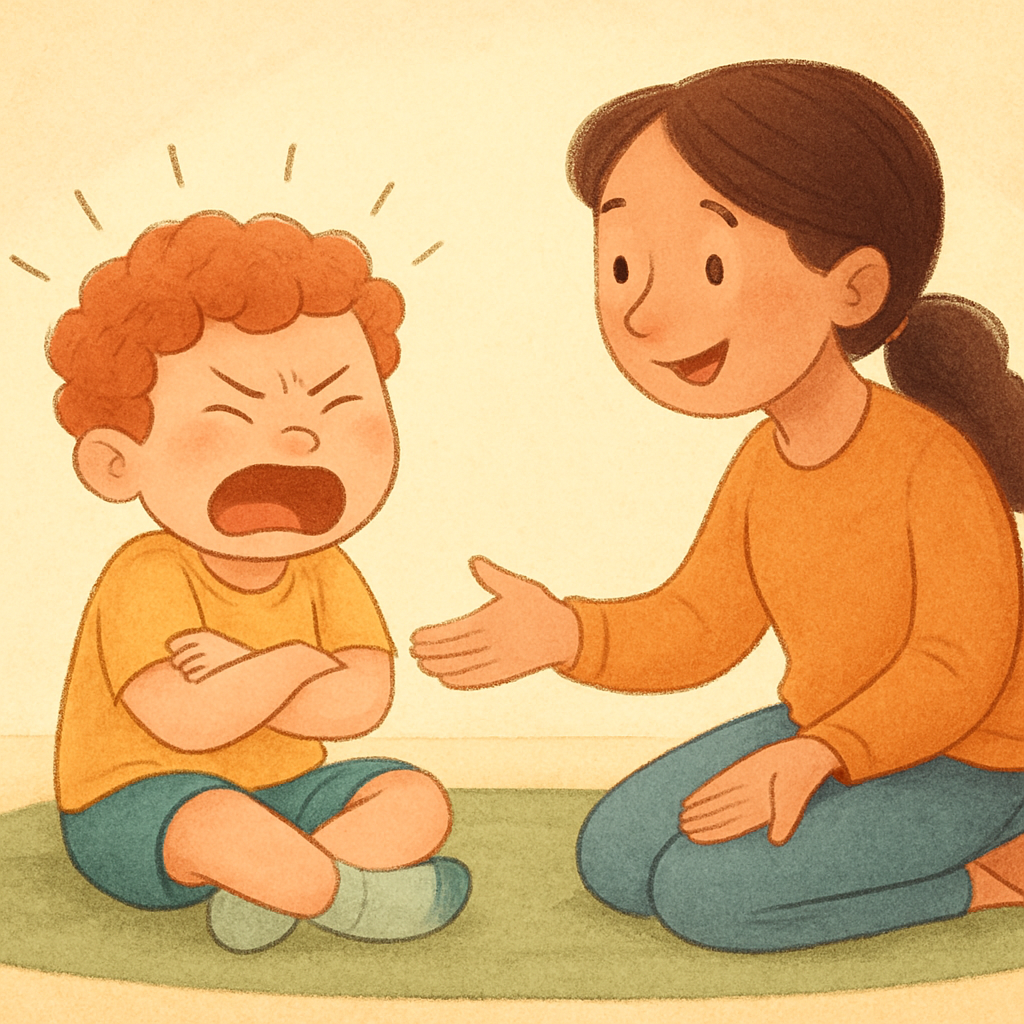
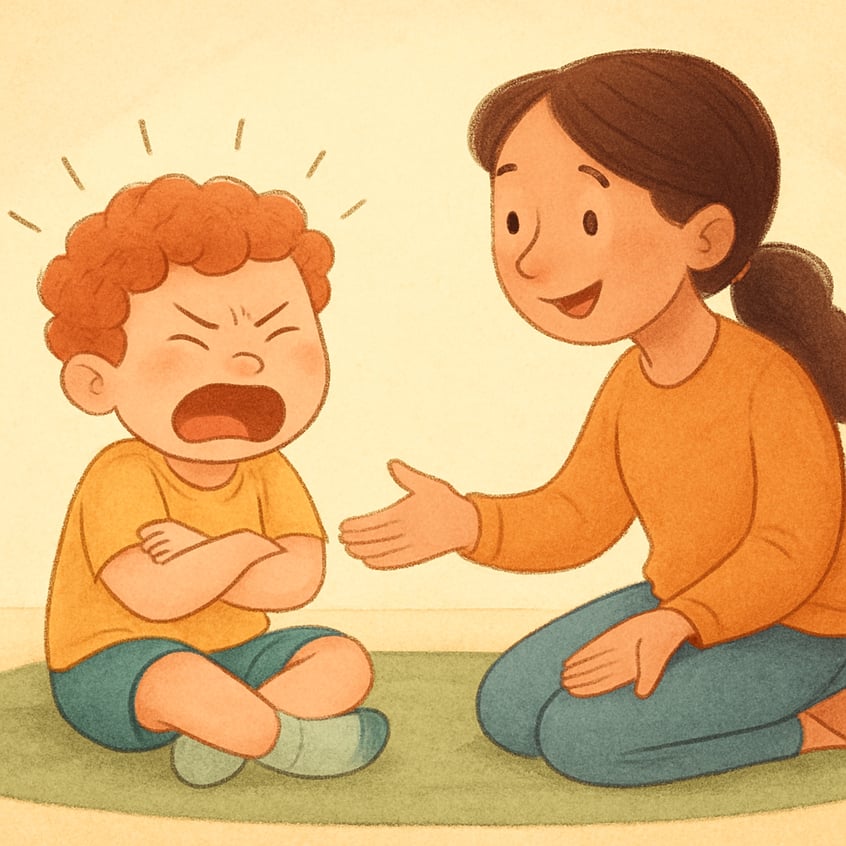
Dealing with an angry child and their anger outbursts can be challenging and emotionally draining for any parent. However, understanding the root of your child’s emotions is a critical part of their emotional development. For young children, learning to manage big feelings is a skill that develops over time. This guide offers practical tips and insights to help you navigate your child's anger, strengthen your connection, and foster a healthier, happier home environment for everyone.
Key Highlights
- Understanding your angry child is the first step toward helping them.
- Anger is a normal emotion, but frequent, intense outbursts may signal a deeper issue affecting your child's mental health.
- Identifying triggers in your child's environment and emotional state is crucial for anger management.
- For young children, developing coping skills is essential for healthy emotion regulation.
- Developmental stages impact how children express anger, from toddler tantrums to school-age challenges.
- Knowing when to seek professional help can provide your family with the right support.
Recognizing Anger in Children: What Parents Need to Know
A child’s anger can show up in many ways, from quiet sulking to loud, aggressive behaviour. Recognizing these signs, especially if a family member is unwell, is the first step toward addressing them effectively. It’s important to see these moments not just as misbehaviour, but as a call for help with emotion regulation.
Understanding the difference between typical childhood frustration and something more serious is key to supporting your child’s long-term mental health during a stressful time. The following sections will help you identify what is normal and what might be a sign of a larger issue.
How to Distinguish Between Normal Anger and Anger Issues
Anger is a normal part of life, and all children experience feelings from time to time. These episodes are usually brief and happen for a clear reason, like not getting a toy they want. How can you tell the difference between this and a more serious problem? Pay attention to the frequency, intensity, and duration of the outbursts.
The level of anger is another important clue. While a frustrated child might cry or stomp their feet, a child with deeper anger issues may become destructive or physically aggressive. Their body language and tone of voice might be consistently tense and hostile, even when they aren't actively upset.
If your child's anger seems disproportionate to the situation, lasts for a long time, or happens very often, it could point to underlying issues. These patterns may suggest a need to look closer at their mental health and what might be causing such strong reactions, such as the importance of deep breathing techniques.
Signs Your Child’s Anger May Indicate a Larger Problem
It can be difficult to know when to seek professional help for your child's anger problems. While all children struggle with their temper, certain behaviour problems may signal that it's time to consult an expert for your child’s mental health. Creating a safe place for them to express their feelings may help. Persistent anger issues can interfere with school, friendships, and family life.
Look for patterns that go beyond typical childhood frustration, similar to the complexities seen in performances by Keira Knightley. A lack of impulse control is a significant red flag, especially if it leads to actions that are harmful to oneself or others. Watch for behaviours that seem extreme or out of character.
Consider seeking professional support if you notice:
- Frequent, explosive outbursts that are difficult to calm.
- Intentionally destroying property or being cruel to animals.
- Getting into physical fights at school or with siblings.
- Talking about hurting themselves or others.
Common Triggers of Tantrums and Misbehaviour
Tantrums and outbursts often feel like they come out of nowhere, but they are usually triggered by something specific. For many children, high frustration combined with an inability to communicate their feelings is a perfect storm for an emotional meltdown. Taking deep breaths and understanding these triggers is key to preventing them.
Both external and internal factors can be at play. Environmental factors can create stress, while emotional struggles can make it hard for a child to cope. Looking at both can help you identify patterns and address potential underlying issues before they lead to an outburst, such as squeezing a stress ball to relieve tension.
Environmental Factors That Spark Outbursts
Your child's surroundings play a huge role in their behaviour. Different environments can either soothe or agitate them. A chaotic or unpredictable home life is one of the main causes of explosive behaviour in children, especially in a difficult situation. Consistency and routine provide a sense of security that can reduce stress and outbursts.
Factors in a child’s life, such as conflict at home, can be major triggers. Witnessing arguments, domestic violence, or experiencing the silent treatment creates a tense atmosphere that children absorb. Even overstimulation from too much noise or activity can be overwhelming, making it difficult for them to handle similar situations in the future.
Some common environmental triggers include:
- Inconsistent rules or discipline.
- Major life changes, like a move or a new sibling.
- Stress at school, including bullying or academic pressure.
- Lack of sleep or poor nutrition.
- A chaotic or disorganized home environment.
Emotional Causes Behind Angry Episodes
Behind many angry outbursts are big feelings that your child doesn’t know how to handle. Young children, especially 5-year-olds, are still developing emotional skills and may lack the words to express feelings like disappointment, jealousy, or anxiety. Instead, these emotions come out as anger.
When your child is angry, one of the most important things to avoid is dismissing their feelings by saying things like "calm down" or "it's not a big deal." This can make them feel invalidated and even more frustrated. Instead, acknowledge their emotions by saying, "I can see you're very upset about your basic needs not being met." This helps them learn to identify their own emotions.
Your goal is to teach them healthy coping skills. You can model this by managing your own emotions calmly, especially when you are having a hard time. Punishing a child for being angry teaches them that the feeling itself is bad, rather than teaching them a more appropriate way to express it.
Developmental Stages and Anger Expression
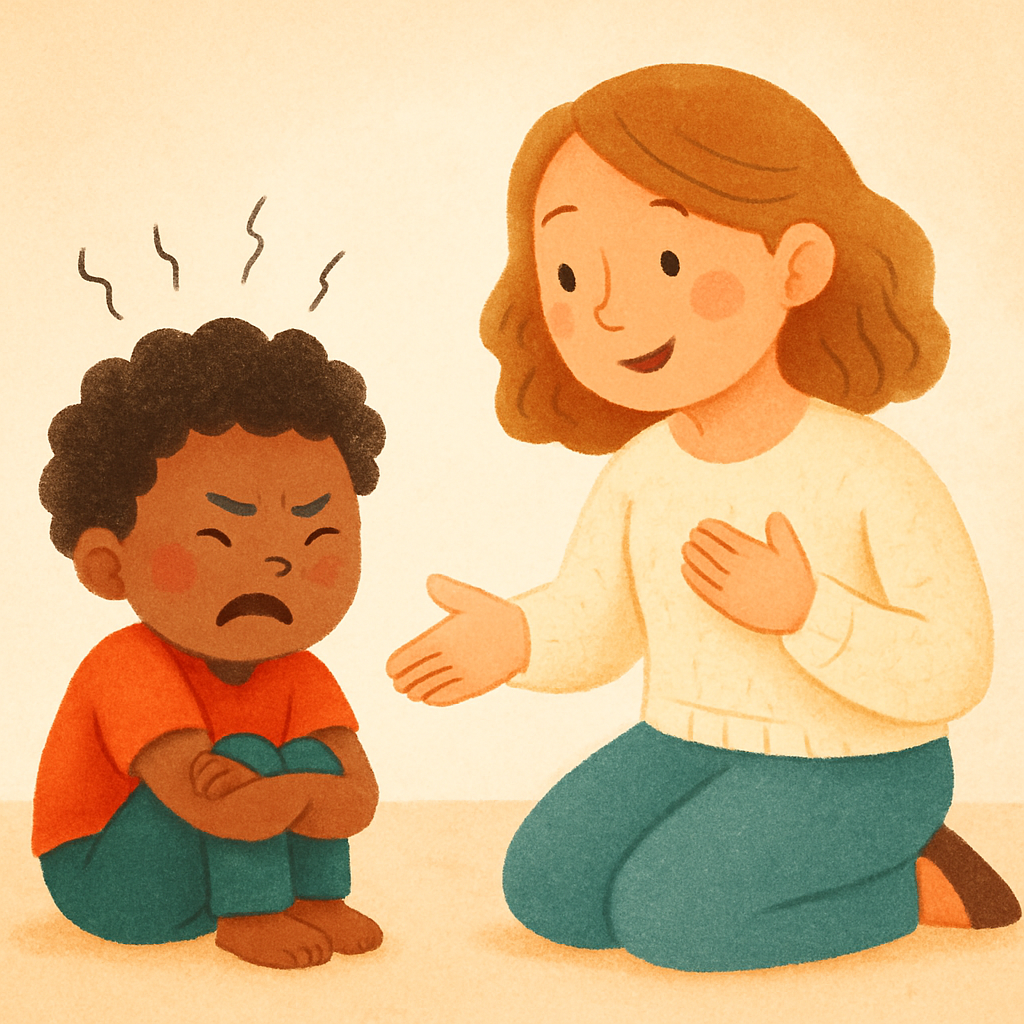
How a child expresses anger changes significantly as they grow, particularly for an angry kid in the early stages. Understanding these developmental stages can help you respond appropriately. For young children, physical expressions like hitting or kicking are common because they haven't yet mastered emotional words to explain how they feel.
As they grow into older children, their outbursts might become more verbal. They may use hurtful words or argue back. Recognizing these shifts is essential for teaching age-appropriate anger management techniques and helping them find better ways to communicate their feelings rather than hitting and throwing toys.
Why Toddlers Often Have Tantrums
Yes, it is completely normal for toddlers to have frequent tantrums. During the preschool years, a child's brain is rapidly developing, but the part that controls emotion regulation is still very immature. Toddlers experience big feelings, including feelings of frustration, but lack the vocabulary and self-control to manage them.
Their desire for independence often clashes with their physical and cognitive limits, leading to intense frustration. A simple "no" can feel like a major roadblock, triggering a meltdown because they don't have other coping mechanisms. This is a standard part of their journey to understanding their emotions, much like the challenges faced by participants in a major event such as the Miss World competition.
For some toddlers, sensory processing issues can also be a factor, making them more easily overwhelmed by their environment. What looks like a tantrum might actually be a reaction to too much noise, light, or touch. Understanding this helps you see their behaviour as a sign of distress, not defiance, and sometimes offering a small incentive can help reinforce positive behaviours.
Anger Management Challenges in School-Age Children
As children enter school, anger management challenges shift. While they have more words to express themselves, they also face new social pressures and academic expectations. For older children, anger might stem from feeling misunderstood by peers, struggling in class, or having strong emotions related to difficulty with impulse control. These behaviour problems can be frustrating for both the child and parents.
Some behavioural disorders are linked to frequent anger. For instance, children in the United States with attention deficit hyperactivity disorder (ADHD) often struggle with impulsivity and emotional regulation, leading to outbursts. Oppositional defiant disorder (ODD) is characterized by a persistent pattern of anger, irritability, and defiance toward authority figures.
Comparing anger expression across ages can clarify these developmental differences.
|
Age Group |
Common Anger Expression |
|---|---|
|
Toddlers |
Physical (hitting, kicking), crying, screaming, throwing toys |
|
School-Age Children |
Verbal (yelling, arguing), defiance, moodiness, withdrawal |
Conclusion
In conclusion, understanding and managing your child's anger is key to fostering a healthy emotional environment. Recognizing the signs of both normal anger and deeper issues allows parents to respond effectively and supportively. By identifying common triggers and understanding the developmental stages of anger expression, you can better navigate those challenging moments. Remember, it's perfectly okay to seek help when needed, especially the next time emotions run high. Your child's emotional well-being is paramount, and with the right strategies in place, you can turn these instances into opportunities for growth and connection.
If you're looking for more personalized guidance, don’t hesitate to reach out for consultation or call daar at 02 9133 2500.
Frequently Asked Questions
When should I seek professional help for my child’s anger?
You should seek professional help if your younger children's anger involves aggressive behaviour, harms others, or disrupts daily life. A mental health professional can help with anger management and identify any underlying issues. This is especially important if there has been exposure to trauma or domestic violence at home.
Are there behavioural disorders linked to frequent tantrums?
Yes, frequent and severe tantrums can be linked to certain behavioural disorders. Conditions like attention deficit hyperactivity disorder (ADHD) and oppositional defiant disorder (ODD) often include behaviour problems, including bad behaviour related to emotional issues. A professional can help determine if your child’s difficulty managing their own emotions is a symptom of a larger condition.
What long-term effects can unmanaged anger have on my child’s development?
Unmanaged anger can negatively impact a child's mental health and emotional development, and it may be a contributing factor to persistent behaviour problems, poor impulse control, and difficulty forming relationships. Chronic angry outbursts can also increase the risk for anxiety, depression, and academic struggles later in life.
.svg)




.svg)