
.png?width=48&height=48&name=Group%201%20(3).png)























30 January, 2026

Tantrums Uncovered: Tips for Managing Your Child's Outbursts
Introduction
Watching your child have a temper tantrum can be a stressful and overwhelming experience for any parent. These intense emotional outbursts are common in young children, but knowing how to handle them can feel like a mystery. The good news is that tantrums can become a big problem, but they are a normal part of growing up. By understanding why they happen and learning effective ways to respond, you can guide your child through these difficult moments and help them build crucial emotional intelligence for the future.
Key Highlights
- Temper tantrums in young children often happen because they lack the skills for impulse control and emotional regulation.
- Staying calm is the best way for a parent to respond, as it models positive behaviour for your child.
- Understanding the difference between tantrums and meltdowns helps you respond more effectively to emotional outbursts.
- Preventing tantrums by identifying triggers and establishing routines can reduce the frequency of explosive behaviour.
- For persistent or severe tantrums, professional help can support your child’s emotional development and children’s mental health.
- Ignoring nonviolent tantrums while providing consequences for aggressive actions is a key strategy.
Understanding Tantrums in Children
When your child has an emotional outburst, it's important to remember that their behaviour is a form of communication. A child who is lashing out is often a distressed child who simply doesn't have the skills to manage their feelings of anger more maturely. Temper tantrums in young children are a signal that they are overwhelmed.
These outbursts are a normal part of child development. They happen because a child’s brain is still developing, and they haven't yet mastered language, problem-solving, emotional control, or essential communication skills. The following sections will explain the specific reasons behind tantrums and confirm why they are a typical developmental stage.
Why Do Children Have Tantrums?
Young children, especially younger children, often have tantrums because they are overwhelmed by strong emotions and lack the skills to express them. They may not have the words or problem-solving abilities to get what they want, leading to outbursts.
Tantrums are rarely manipulative; children aren’t usually testing limits on purpose. Instead, their poor impulse control makes it hard for them to manage frustration or anger.
A tantrum signals that your child needs help with emotional regulation. They act out because they haven’t learned better ways to communicate or cope. Your response can teach them healthier strategies for handling big feelings in the future.
Are Tantrums a Normal Part of Development?
Temper tantrums are a normal part of child development, especially during the "terrible twos" and preschool years. Toddler tantrums occur as young children want independence but lack communication and emotional control skills, which leads to frustration and tantrums.
These outbursts are a natural stage in emotional growth. As kids get older, they usually develop better language and self-control skills, helping them manage disappointment without tantrums.
While tantrums are typical, watch for increasing frequency or severity, or if they become dangerous. These signs may indicate an underlying issue that needs attention.
Tantrums vs. Meltdowns: Key Differences
Not all emotional outbursts are created equal. It's helpful to understand the difference between a tantrum and a meltdown, as your response may need to change depending on the situation, particularly during a stressful time. A tantrum is often goal-oriented, while a meltdown is a reaction to being completely overwhelmed by strong emotions.
Some children experience meltdowns due to sensory processing issues, where things like loud noises or even scratchy clothes can cause extreme discomfort. Children on the autism spectrum often have a difficult time managing meltdowns when faced with unexpected changes. Understanding these differences is the first step to responding appropriately.
How to Identify a Tantrum Versus a Meltdown
Knowing whether your child is having a tantrum or a meltdown helps you respond supportively, especially if something upsetting happened to your child or another family member. Tantrums are usually triggered by not getting what they want; meltdowns occur when a child is overwhelmed and loses control. Understanding the difference is crucial.
Both can involve aggressive behaviour and aggression, but motivations differ. In tantrums, children often watch for your reaction and remain somewhat aware of their actions. Meltdowns are uncontrollable; the child is unaware of your presence or their behaviour. Frequent, severe outbursts may signal issues like disruptive mood dysregulation disorder, which requires professional attention.
Here’s how to tell them apart in the context of events like the Miss World competition:
|
Feature |
Tantrum |
Meltdown |
|---|---|---|
|
Purpose |
Has a goal (e.g., wants something) |
Reaction to overwhelm (sensory/stress) |
|
Control |
Some control; may stop if goal is met |
No control; cannot stop easily |
|
Awareness |
Aware of surroundings and others’ reactions |
Not fully aware; may ignore others |
|
Safety |
Less likely to self-harm |
Can be unsafe due to lack of control |
Typical Triggers for Angry Child Outbursts
Angry outbursts in children often occur at predictable times, usually when they’re asked to do something they dislike or stop an enjoyable activity. Short attention spans and limited impulse control make transitions especially tough. Public tantrums can be stressful, but understanding the cause helps you manage anger management issues. Sibling rivalry is another common trigger.
Typical triggers include:
- Homework time
- Bedtime or naptime
- Stopping play with a toy or video game
- Leaving a fun place, like a park or friend’s house
Main Causes of Misbehaviour and Tantrums
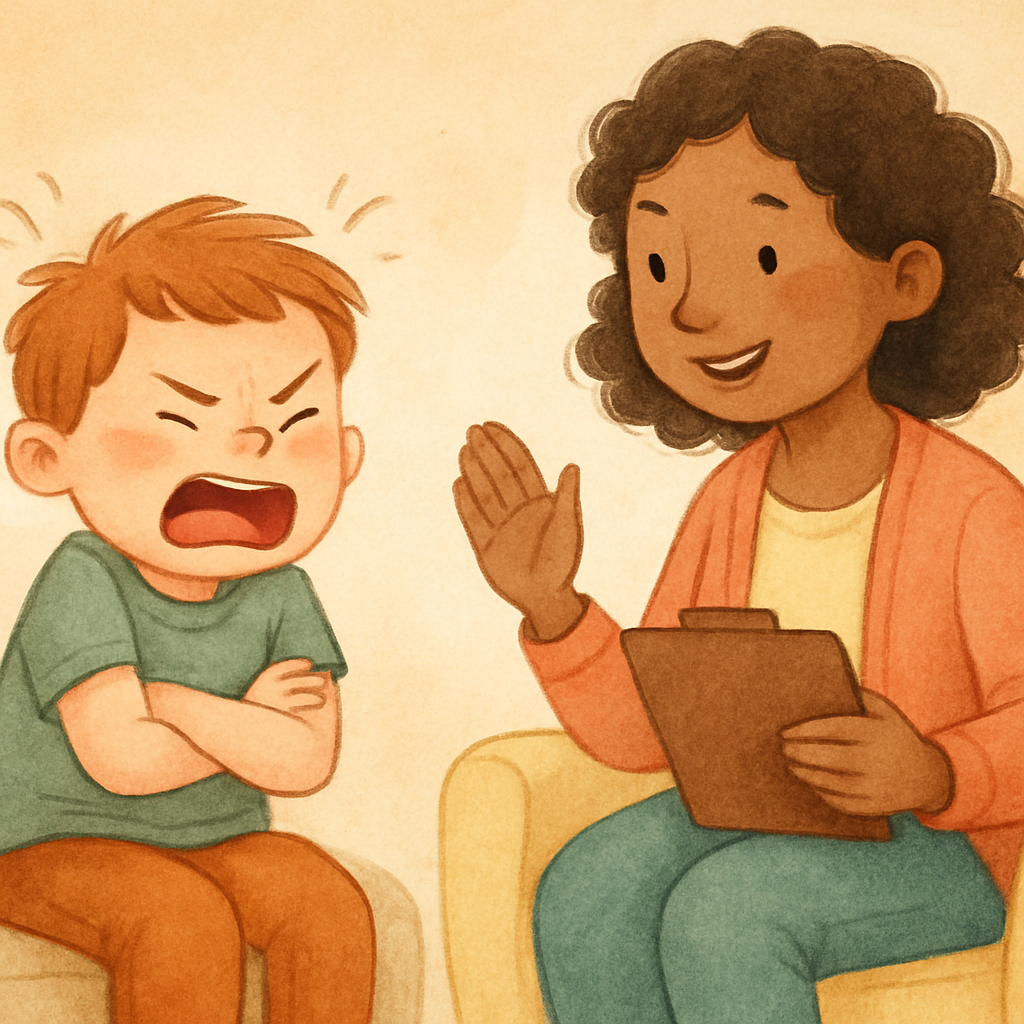
Misbehaviour and tantrums, as Gaby Chiappe posits, stem from a child's inability to manage their internal world. These behaviour problems are not a sign that you have a 'bad kid' but rather a signal that your child is struggling. Emotional outbursts are often the result of overwhelming feelings that they don't know how to handle.
Underlying factors can be emotional, such as frustration or a need for control, or environmental, like a change in routine or lack of sleep. Exploring these two areas more deeply, possibly with the help of a clinical psychologist, can provide a clearer picture of why your child is having a hard time.
Emotional Factors Leading to Anger
Tantrums are often driven by strong emotions, especially anger from frustration. When young kids can’t express their needs or solve problems, their frustration can erupt into outbursts as a way to show their distress.
These episodes may become power struggles, with children asserting independence and trying to regain control. Lashing out is often an attempt to cope with feeling powerless.
Recognizing that anger signals unmet needs or underdeveloped skills can shift your perspective. Instead of seeing defiance, you’ll see a child who needs help learning to manage big emotions more effectively.
Environmental and Situational Influences
Your child's environment and daily routine greatly influence their behaviour. Lack of rest can make explosive outbursts and meltdowns more likely, as tired children struggle to manage emotions and handle challenges.
Predictable routines help, too. Sudden transitions—like stopping a fun activity or starting homework—can trigger outbursts, especially in public. Preparing your child for changes helps them adjust and feel more secure.
If frequent outbursts persist despite your efforts, consider seeking professional help. Mental health services can identify underlying issues and teach effective behaviour management skills.
Strategies for Managing Tantrums Effectively
Your child's environment and daily routine greatly influence their behaviour. Lack of rest can make explosive outbursts and meltdowns more likely, as tired children struggle to manage emotions and handle challenges.
The key is to remain calm and consistent in your response. By doing so, you provide a stable presence that your child can rely on, even when their own emotions feel chaotic. The following strategies will outline how to respond during an outburst and the importance of role modeling, which can help your child manage their emotions in a more appropriate way.
How Parents Should Respond During a Tantrum
During a tantrum, prioritize safety. If the tantrum is nonviolent, ignore it—attention can reinforce the behaviour. For aggression, intervene immediately.
Remove your child to a safe, quiet space without toys or hazards. This isn’t punishment; it’s to help them calm down and prevent rewarding the behaviour.
Key steps:
- Stay calm and speak steadily.
- Move aggressive children to time-out.
- Don’t give in to demands.
- Once calm, praise their self-control and discuss better ways to handle emotions next time.
Staying Calm: Role Modeling for Your Child
One of your most effective tools is staying calm. When your child screams, it’s easy to lose your temper, but yelling back only increases defiance and aggression. By managing your emotions, you model healthy emotional regulation for your child, which can lead to a better relationship between you both.
Staying composed not only diffuses tantrums but also strengthens your relationship. Responding with confidence and different techniques consistently creates a secure environment where your child can learn to manage their feelings, leading to a happier home.
Conclusion
In conclusion, managing tantrums is a vital aspect of understanding your child's emotional landscape. By recognizing the triggers and underlying causes of these outbursts, you can respond in a way that not only calms the situation but also teaches your child healthier ways to express their feelings, such as cuddling with a stuffed animal. Remember to model calmness and structure routines that promote emotional stability. Parenting can be challenging, but with patience and the right strategies, you can navigate through tantrums effectively.
For further support, consider reaching out for a consultation or call daar at 02 9133 2500 to explore more resources tailored to you and your child's needs.
Frequently Asked Questions
What are some common triggers for tantrums in children?
Common triggers for tantrums in children include hunger, fatigue, frustration, and not getting enough rest due to changes in routine. Additionally, overstimulation from noisy or crowded environments can also lead to outbursts. Understanding these triggers helps parents anticipate and manage their child's emotional responses effectively.
How can I differentiate between a tantrum and other emotional outbursts?
To differentiate between a tantrum and other emotional outbursts, observe the context and behaviour. Tantrums often involve seeking attention or expressing frustration over unmet desires, while meltdowns result from overwhelming emotions and are less controllable. Recognizing these differences can help reinforce your child’s positive behaviour and guide appropriate responses.
What strategies can I use to prevent tantrums from occurring?
To prevent tantrums, establish a consistent routine, set clear expectations, and provide choices to help your child feel a sense of control. Encourage emotional expression through positive reinforcement, and maintain regular communication to help them articulate feelings before they escalate into outbursts.
.svg)




.svg)