
.png?width=48&height=48&name=Group%201%20(3).png)























30 January, 2026

Understanding Behavioural Concerns of a Child: A Guide
Introduction
Navigating your child's behaviour can be one of the most rewarding yet challenging parts of parenting. While occasional outbursts are normal, persistent behavioural concerns can affect the whole family and are an important aspect of children’s mental health. Understanding why your child acts out is the first step to finding effective solutions. This guide will help you identify different types of challenging behaviours, explore their underlying causes, and learn practical strategies to support your child's mental health and well-being.
Key Highlights
- A child's behaviour is a form of communication, often stemming from an inability to manage big feelings.
- Understanding the emotional triggers behind behavioural concerns is the first step toward helping your child.
- Underlying issues like ADHD, anxiety, or sensory challenges can contribute to behavioural issues in young children.
- Staying calm as a parent is crucial for modeling emotional regulation and de-escalating difficult situations.
- Positive discipline and professional support can improve your child's mental health and reduce challenging behaviours.
Types of Challenging Behaviours in Children
Challenging behaviours vary by age. In toddlers, issues like tantrums, biting, or hitting often signal frustration due to limited language skills. Watch for patterns to identify these early.
As children grow, behaviours may shift to arguing, defiance, or breaking rules. Persistent and severe actions can suggest behavioural disorders. Understanding these age-related differences is essential for an appropriate response.
Tantrums and Meltdowns Explained
Many people confuse "tantrum" and "meltdown," but they differ. In a tantrum, the child has some control and may stop if ignored; a meltdown is a total loss of control that only ends with exhaustion or calming support.
Anger and frustration often trigger these episodes, sometimes fueled by hunger, tiredness, or feeling overwhelmed. Patterns can help reveal root causes.
Some meltdowns stem from less obvious issues like anxiety or sensory sensitivities. For these children, what seems like a tantrum may actually be an overloaded response to noise, crowds, or even clothing textures.
Patterns of Angry or Aggressive Behaviour
Some anger is normal in childhood, but frequent aggressive outbursts, defiance, and spite may signal Oppositional Defiant Disorder (ODD), causing problems at home and school.
More severe patterns—like ongoing aggression, serious rule-breaking, or cruelty to animals—may indicate Conduct Disorder (CD). These behaviours often stem from an inability to manage frustration and solve problems.
Remember, such behaviour means your child is struggling, not manipulative. They need help learning how to cope with strong emotions. Identifying these patterns is the first step to getting them support.
Understanding the Underlying Causes
Every behaviour communicates something. When a child acts out, they're expressing needs or feelings they can't put into words. These actions usually signal deeper issues—such as mental health disorders or emotional struggles—not intentional misbehaviour. Think of the behaviour as a symptom, like a fever.
Frequent meltdowns or defiance may be linked to ADHD, anxiety, or an undiagnosed learning disability that makes school difficult. Identifying triggers for these behaviours is key to addressing the real cause, not just the symptoms. Let's explore some common triggers and influences.
Emotional Triggers and Developmental Factors
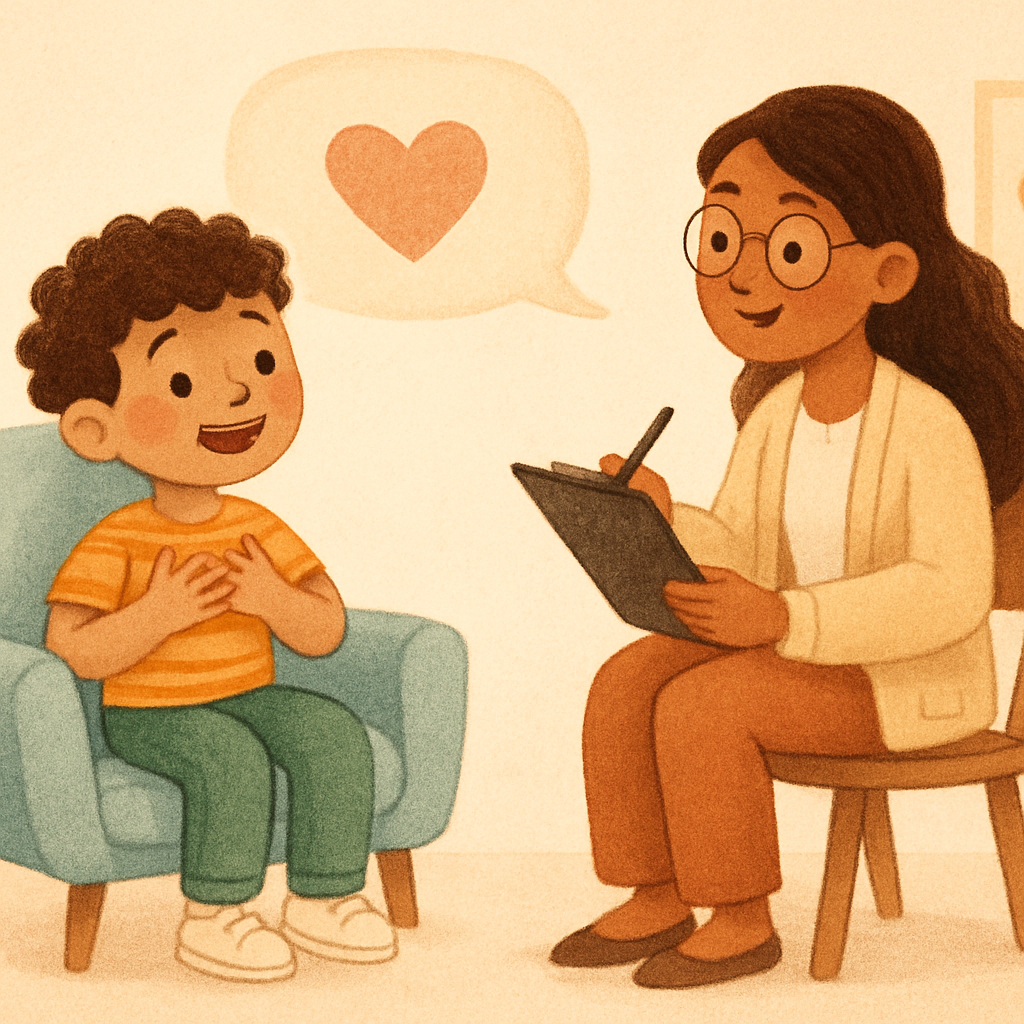
Frustration is a major emotional trigger for kids. When children can’t manage strong emotions, they may become overwhelmed and have meltdowns. This often stems from developmental factors—such as lacking problem-solving skills, struggling to delay gratification, or being unable to express needs.
Unexpected changes in routine can also trigger outbursts, especially for children on the autism spectrum who depend on consistency. Anger often fuels these reactions; if a child feels something is unfair but can’t express it, they may act out physically or vocally.
Anxiety is another key factor. Kids may hide their worries until they become too much, leading to sudden outbursts that are actually anxiety boiling over. Recognizing these emotional triggers is essential for preventing meltdowns.
Environmental and Family Influences
A child’s environment strongly influences their behaviour. Inconsistent responses from family members can unintentionally reinforce challenging behaviours—for example, if a tantrum sometimes gets results, the child learns it works. This can create a cycle that strengthens unwanted behaviours.
Parents aren’t to blame for behavioural disorders, but their actions are a powerful tool for change. A predictable and supportive home, along with calm, confident, and consistent parenting, helps children learn healthier ways to manage emotions and behaviour.
Other environmental factors like neglect, violence, or parental mental health issues (including substance abuse) can also increase risk. Recognizing these factors is key to building an effective support plan for your child.
Strategies for Managing Misbehaviour
Once you understand what drives your child’s behaviour, you can manage it more effectively. The goal is to teach, not punish. Proactive strategies like positive discipline and building communication skills help your child handle emotions in healthier ways.
Techniques such as behaviour therapy can build new skills and strengthen your relationship. By teaching problem-solving and emotional regulation, you give your child better tools to express their needs. Next, we’ll cover specific positive techniques for calming an angry child.
Positive Discipline Techniques
Positive discipline focuses on teaching and guiding, not punishing. Staying calm models emotional control for your child, improving communication and comfort.
Avoid giving in to tantrums—this reinforces negative behaviour. Instead, praise your child when they manage emotions well. Parent management training (PMT) helps families apply these techniques consistently.
Key positive discipline strategies:
- Praise good behaviour: Acknowledge when your child expresses feelings calmly or makes compromises.
- Use consistent consequences: Time-outs work for younger kids; reward systems motivate older children.
- Reduce triggers: Break homework into smaller steps or give advance notice before transitions to prevent conflict.
Helping an Angry Child Calm Down
When your child is emotionally distressed, first ensure everyone's safety. If they become physical, act immediately—ignoring isn’t an option. Move them from the environment to help them regain control and build anger management skills.
For younger children, guide them to a "calm-down" space. For older children, consider removing yourself to avoid reinforcing negative behaviour. Once they're calm, discuss what happened.
These steps teach that aggression doesn’t achieve their goals. Follow this approach:
|
Step |
Action |
Purpose |
|---|---|---|
|
1. Stay Calm |
Keep your voice steady and emotions controlled. |
Models self-control and prevents escalation. |
|
2. Ensure Safety |
Move the child or yourself to a safe space. |
Prevents harm and stops reinforcement of bad behaviour. |
|
3. Use Consistent Consequences |
Enforce time-out or other set consequences. |
Provides clear, predictable responses. |
|
4. Praise Calmness |
Praise them once they’re calm. |
Reinforces self-regulation skills positively. |
Conclusion
Understanding a child's behaviour is key to supporting their emotional and social growth. By identifying challenging behaviours and their causes, parents can use effective strategies like positive discipline and a supportive environment. Every child is unique, so finding the right approach takes patience. Being proactive helps your child develop and strengthens your bond.
For more guidance, feel free to seek support. Reach out for a consultation or call daar at 02 9133 2500!
Frequently Asked Questions
When Should Parents Worry About Frequent Tantrums?
You should consider seeking additional support if frequent tantrums continue past the preschool years, are unusually intense, or interfere with your child's ability to learn and socialize. These could be symptoms of a disorder. A comprehensive evaluation can help protect your child's mental health and determine the next steps.
How Can Parents Support a Child at Home and School?
To support a child at home and school, consistency is key. Communicate with teachers to ensure you are both using similar strategies. Discussing expectations for different settings can help you create a unified approach to managing behaviour disorders and provide your child with predictable routines and responses.
What Are the Signs a Child Might Need Professional Help?
Signs that your child might need professional help include behaviour that is dangerous to themselves or others, frequent disruptive outbursts that are not typical for their age, or behaviour that significantly disrupts family life. A mental health professional can diagnose potential behavioural disorders and discuss effective treatment options. An official government organization like the NIMH can provide more resources.
.svg)




.svg)