
.png?width=48&height=48&name=Group%201%20(3).png)























17 February, 2026

Pediatric Speech Therapy: More Than Just Teaching Kids to Talk
"He’s just a late bloomer."
"She understands everything; she just doesn't want to say it."
"He plays by himself because he's independent."
As parents, we often use these phrases to comfort ourselves when our child’s development seems a little different from their peers. We watch other toddlers chatting in full sentences at the park while ours points and grunts. We see other preschoolers playing elaborate games together while ours stands on the sidelines.
Deep down, a question often lingers: Is this normal, or should I be worried?
Communication is the foundation of childhood. It is how children make friends, learn at school, and tell you they love you. When that foundation is shaky, it can affect their confidence and behavior.
This is where pediatric speech therapy comes in.
Far from just fixing a lisp or helping a toddler say their first word, modern Speech Pathology is a comprehensive approach to helping children connect with the world. Whether it is articulating sounds clearly, understanding complex instructions, or navigating the tricky rules of Social Communication, therapy provides the tools your child needs to thrive.
In this guide, we will explore what Speech Therapy actually looks like for kids, the different areas it covers, and how early intervention can change your child's trajectory.
What Does a Pediatric Speech Pathologist Do?
If you picture a Speech Therapy session as a child sitting at a desk drilling flashcards, think again.
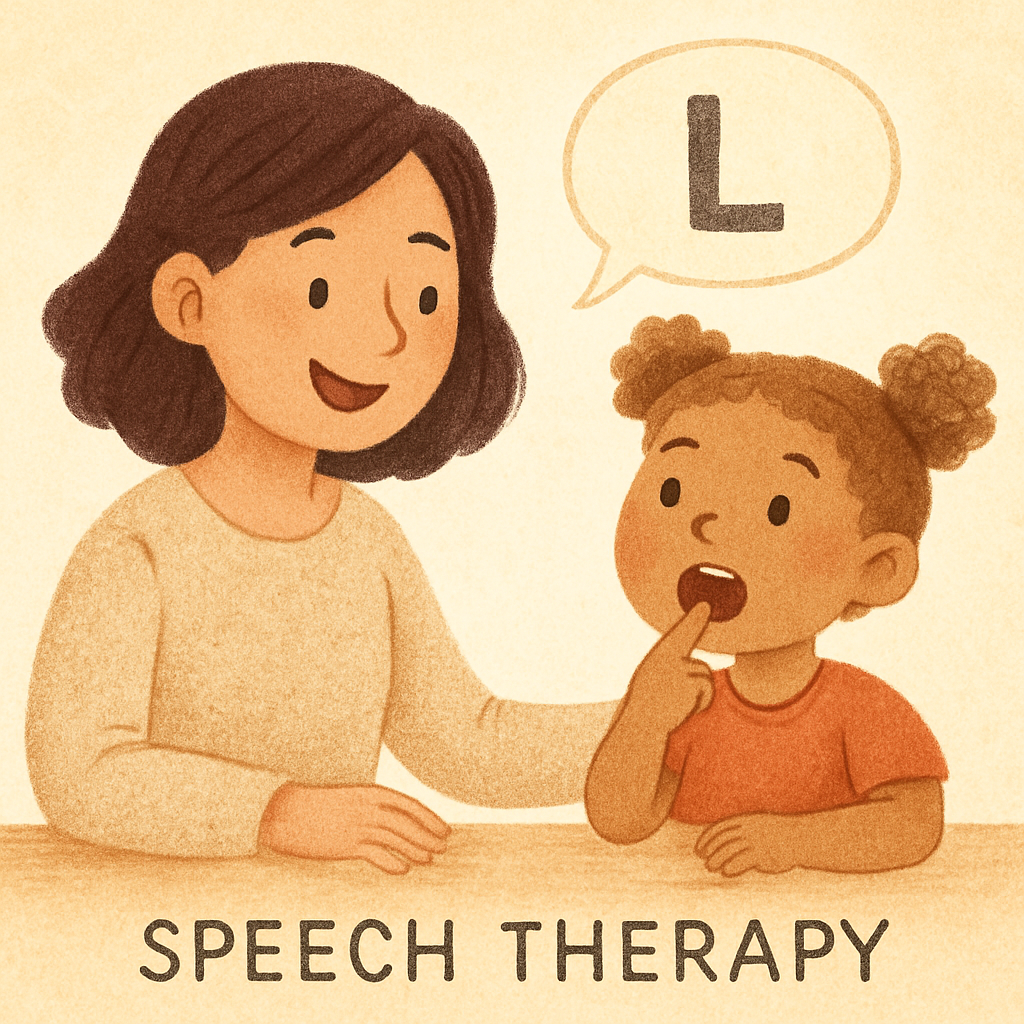
Pediatric speech therapy is designed to be engaging, child-led, and often looks a lot like play. A Speech-Language Pathologist (SLP) is a highly trained expert in communication disorders. They don't just look at if a child talks; they look at how they communicate.
An SLP evaluates and treats three main areas:
- Speech: The physical production of sounds (articulation, voice, and fluency).
- Language: The system of words and symbols used to communicate meaning (understanding and using words).
- Social Communication: The rules of interaction (eye contact, taking turns, understanding sarcasm).
The Three Pillars of Pediatric Speech Therapy
1. Speech: Clarity and Fluency
This is what most people think of when they hear "Speech Therapist." It involves the mechanics of speaking.
- Articulation: Helping a child who says "wabbit" for "rabbit" or has a lisp.
- Fluency: Supporting children who stutter to speak more smoothly and confidently.
- Voice: Helping children who are chronically hoarse or speak too loudly/softly.
If your child has a lot to say but strangers cannot understand them, Speech Therapy focuses on strengthening the mouth muscles and teaching the correct tongue placement for clear sounds.
2. Language: Understanding and Expression
Language is different from Speech. A child can have perfect pronunciation but still struggle to communicate.
- Receptive Language: Does your child understand instructions? Can they point to the right picture when asked?
- Expressive Language: Does your child have a growing vocabulary? Can they put words together into sentences? Can they tell a story?
Pediatric speech therapy helps bridge the gap. For a toddler, this might mean using sign language to reduce frustration while verbal words develop. For a school-aged child, it might mean learning how to organize their thoughts to write an essay.
3. Social Communication: The Hidden Rules
Some children speak clearly and have vast vocabularies, yet they still struggle to make friends. They might interrupt constantly, stand too close to others, or fail to understand jokes.
This is the domain of Social Communication (also known as Pragmatics).
Social Communication involves the "unspoken rules" of interaction:
- Taking Turns: Knowing when to talk and when to listen.
- Staying on Topic: Not switching to dinosaurs when everyone else is talking about lunch.
- Reading Non-Verbal Cues: Understanding that a frown means someone is sad or annoyed.
A deficit in Social Communication can be isolating. Speech Pathology breaks down these abstract social rules into concrete, learnable steps using role-playing, social stories, and video modeling.
The Power of Early Intervention
The human brain is most "plastic"—meaning it is most able to change and learn—in the first three years of life.
Waiting until a child starts school to address a delay often means the gap between your child and their peers has widened, making it harder to catch up. Pediatric speech therapy takes advantage of this critical window of development.
By intervening early, we can:
- Reduce Frustration: Many behavioral issues (like biting or hitting) stem from a child’s inability to communicate their needs.
- Boost Academic Success: Strong language skills are the strongest predictor of reading and writing success.
- Build Confidence: When a child knows they can be understood, their personality shines.
Conclusion
Hearing that your child might need pediatric speech therapy can feel overwhelming. It’s natural to worry about labels or the future.
But a diagnosis is not a label to fear; it is a roadmap. It tells us exactly where the communication breakdown is happening so we can fix it.
Whether it is helping a toddler say "mama" for the first time, teaching a preschooler how to ask a friend to play, or giving a school-aged child the strategies to manage a stutter, Speech Therapy is about empowerment.
Your child has a voice, a personality, and a unique perspective to share with the world. With the right support, you can help them build the bridge to share it.
If you have concerns about your child’s Speech, language, or Social Communication development, don't wait. Our experienced team of Speech-Language Pathologists specializes in comprehensive, play-based evaluations.
Contact us today to schedule a consultation or call daar at 02 9133 2500 for an assessment and start your child’s journey to confident connection.
FAQ: Common Questions for Parents
How do I know if my child needs Speech Therapy?
Trust your gut. If your child is frustrated when trying to talk, if you are constantly translating for them, or if they seem to be falling behind their peers in vocabulary or social play, an evaluation is warranted.
What is the difference between Speech and Language?
Speech is the physical sound (articulation). Language is the meaning (vocabulary and grammar). A child can have a speech delay (unclear sounds) without a language delay (they know the words), and vice versa.
At what age can we start?
You can start as early as 12 months. If a child isn't babbling, pointing, or responding to their name by age 1, a Speech Pathologist can provide strategies to boost pre-linguistic skills. You do not need to wait until they are talking to seek help.
.svg)




.svg)