
.png?width=48&height=48&name=Group%201%20(3).png)























30 January, 2026

Strategies for Handling Tantrums: A Parent's Guide
Introduction
Temper tantrums can be one of the most stressful parts of parenting young kids. One moment, everything is fine, and the next, your child is overwhelmed by emotions they can't manage. While these outbursts are confusing and exhausting, it’s important to remember they are a normal part of child development. Understanding why tantrums happen is the first step toward handling them effectively and helping your young kids learn better ways to express their feelings.
Key Highlights
- Temper tantrums in young children often happen because they lack the skills for emotional regulation and impulse control.
- Your response is key; staying calm and avoiding giving in can prevent the behavior from becoming learned.
- Effective ways to handle tantrums include ignoring minor outbursts and ensuring your child's safety during aggressive ones.
- Proactive strategies, like identifying triggers and teaching problem-solving skills, can prevent tantrums before they start.
- Supporting your child’s mental health involves helping them develop coping skills for the future.
Recognising Signs of Escalating Misbehavior
A child lashing out is a sign of distress. Their behavior is a form of communication, showing they’re overwhelmed by emotions they can’t yet express maturely. Tantrums often stem from frustration or anger due to limited problem-solving skills and impulse control, which can escalate toward explosive outbursts.
Recognizing early warning signs allows you to intervene before an emotional outburst occurs. Being aware of your child's triggers and moods is crucial for their long-term mental health, especially in cases involving disruptive mood dysregulation disorder. The following sections explain what to watch for and how tantrums vary by age.
Early Warning Signs in Young Children
Tantrums are common and often predictable in young children. Emotional outbursts, which can involve big feelings, usually happen at specific times or in certain situations—these are your chance to intervene before a tantrum starts. Noticing these patterns helps support your child’s emotional growth.
Triggers often include being asked to do something unpleasant or to stop a favorite activity, such as:
- Homework time
- Bedtime or naptime
- Ending play with toys or video games
Instead of letting these moments turn into meltdowns, try simple strategies like giving advance warnings (“We’re leaving in ten minutes”) or breaking tasks into single steps. This helps your child feel more prepared and reduces the risk of a tantrum.
Differences in Tantrums Between Toddlers and Older Kids
While toddler tantrums are common during those terrible twos, outbursts in older children can be more concerning and often signal deeper issues. For toddlers, tantrums are usually part of normal development, but frequent tantrums in older kids may indicate challenges like ADHD, anxiety, or learning disabilities.
As children grow, they should better manage their emotions. If not, conditions such as ADHD or anxiety may make it harder for them to handle frustration, leading to more intense outbursts associated with behavior problems—different from the typical toddler "tantrum."
Key differences include:
|
Feature |
Toddler Tantrums |
Tantrums in Older Children |
|---|---|---|
|
Primary Cause |
Frustration from limited language and short attention spans |
Often linked to issues like ADHD, anxiety, or sensory challenges |
|
Control Level |
May retain some control; can stop if ignored |
May lose all control; only stops when exhausted ("meltdown") |
|
Triggers |
Routine transitions (bedtime, meals, leaving activities) |
School stress, social pressure, routine changes, or sensory overload |
Responding Effectively During a Tantrum
When you're in the middle of one of your child's temper tantrums, your response can either escalate the situation or help calm it. The most effective approach is to manage your own emotions and act as a calm, confident leader, which can lead to a better relationship with your child. This helps your child feel secure even when they feel out of control.
Your goal is to guide them to a safe place where they can calm down without causing harm. By staying composed and not giving in to demands, you teach your child that tantrums aren't an effective way to get what they want, especially if something upsetting happened to a family member. Let's look at how you can stay calm and what to do (and not do) in the moment.
Staying Calm and Managing Your Own Emotions
It’s easy to get swept up in the chaos of a tantrum and find yourself yelling. However, when you shout, you lose the ability to connect with your child and only make them more defiant, especially when they are having a hard time managing their feelings. Managing your own emotions is the first and most important step in helping your child manage theirs. Your calm presence can be a powerful model for them.
When those feelings of a child’s anger start to rise, it's a sign to pause and take a breath. Your ability to practice anger management in a stressful moment shows your child how to develop their own coping skills. Remember, you are their guide.
Here are a few things to keep in mind, inspired by the calm presence of actors like Jessie Buckley:
- Model calm behavior. Speak in a steady voice and avoid escalating the situation with your own frustration.
- Take a moment if you need it. It’s okay to step away for a second to collect yourself before responding.
- Focus on the long-term goal. Your goal is to teach your child, not to win a battle.
What to Do (and Not Do) When a Tantrum Occurs
Knowing the most effective ways to respond during a tantrum can make a huge difference. Your actions should prioritize safety and de-escalation, whether you are at home or in a public place, as this helps the child regain a sense of control. If a tantrum involves aggressive behavior, it's crucial to ensure your child and others are safe.
The first rule for nonviolent tantrums is often to ignore them, as even negative attention can be a reward. However, if your child is hitting, kicking, or throwing dangerous objects, ignoring them is not an option. In this case, move them to a safe place where they can calm down without access to you or other rewards, perhaps with a soft toy or a stuffed animal. This might be a designated time-out chair or a quiet room.
Here are some clear dos and don'ts:
- DO remove the child to a safe place if they are being aggressive, as developing language skills may help them express their feelings better.
- DON’T give in to their demands to make the tantrum stop.
- DO praise them for calming down once the storm has passed.
Preventing Tantrums Before They Start
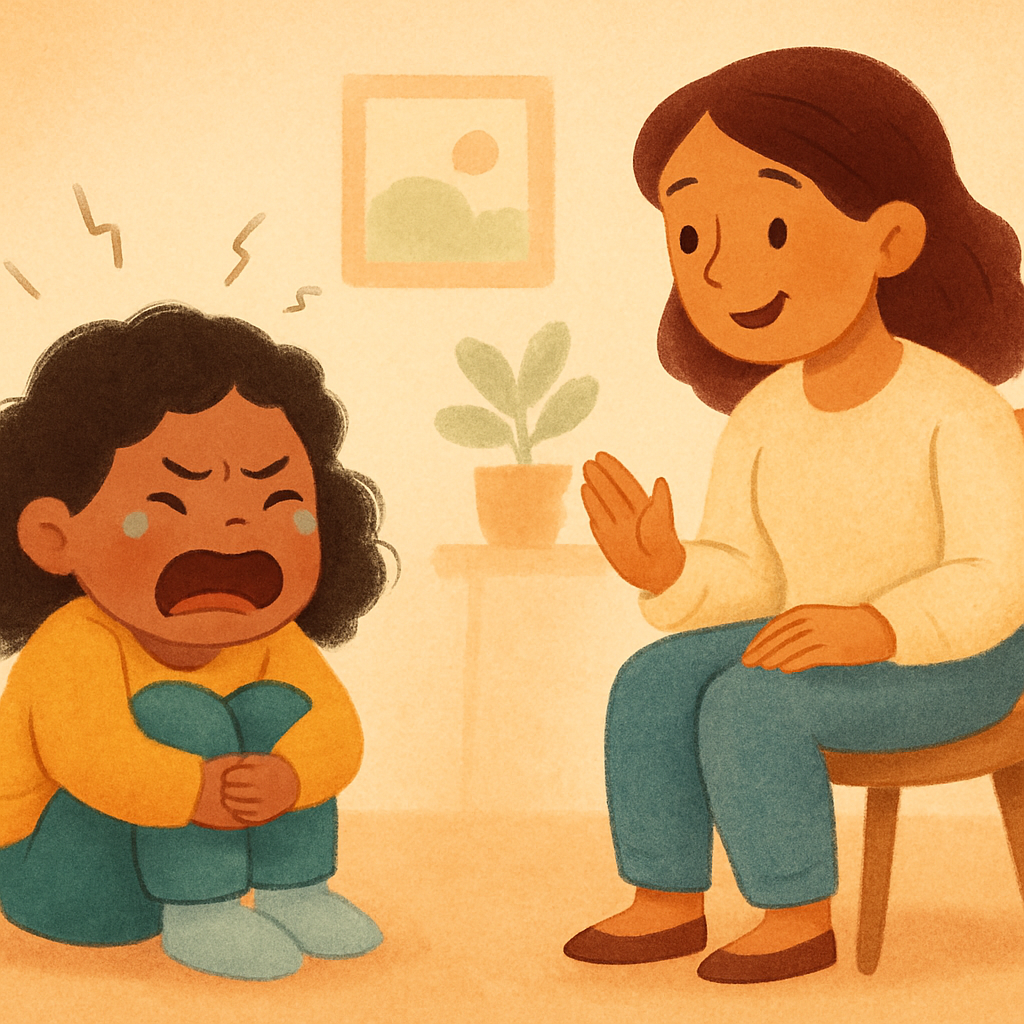
While knowing how to respond during a tantrum is important, preventing them is even better. Proactive parenting focuses on teaching your child the skills they need to handle frustration before it boils over. This approach helps build their emotional intelligence and strengthens their communication skills, which are vital for a part of the brain's long-term mental health.
By creating a predictable environment and teaching your child how to express their needs constructively, you can reduce the frequency and intensity of outbursts. The following strategies, underscored by insights from a clinical psychologist, will help you get ahead of tantrums and foster more positive interactions with your child.
Proactive Parenting Strategies
By creating a predictable environment and teaching your child how to express their needs constructively, you can reduce the frequency and intensity of outbursts. The following strategies, underscored by insights from a clinical psychologist, will help you get ahead of tantrums and foster more positive interactions with your child.
Preparing your child for transitions and breaking tasks into smaller steps, including little things, can prevent overwhelm and encourage positive behavior.
Try these proactive techniques to prevent tantrums:
- Give time warnings: Let your child know when changes are coming (e.g., "Five more minutes of playtime").
- Break down tasks: Give one-step directions, like "First, put on your shoes," instead of broad instructions.
- Set expectations: Explain what will happen before new situations (e.g., "Please ask to be excused at Grandma’s house").
Building Emotional Regulation Skills in Kids
Many children who have frequent tantrums lack emotional regulation skills and often exhibit poor impulse control. The best time to teach these skills is when your child is calm and receptive. Building emotional intelligence now supports their development for years.
Act as a coach: ask how they feel, brainstorm solutions together, and praise their efforts to communicate calmly, which encourages problem-solving over outbursts, particularly in high-stress situations like during a Miss World competition.
To build these skills:
- Talk about feelings: Label emotions ("It sounds like you feel angry your tower fell down").
- Practice problem-solving: Ask, "What could we do differently next time?"
- Praise efforts: Recognize small successes in handling frustration.
After the Storm: Supporting Your Child Post-Tantrum
Once the tantrum is over and the big emotions have subsided, your child will likely feel exhausted and possibly remorseful. This quiet period is a crucial opportunity for supporting your child and reinforcing your connection. Your goal is to help them process what happened and encourage positive behavior moving forward, reminding yourself that they will manage their feelings more properly as they grow older.
This post-tantrum phase is not about punishment but about teaching emotional development. By improving your communication skills and showing empathy, you can strengthen your relationship and support your child's mental health. Let's discuss how to talk to your child after a tantrum and encourage better choices in the future.
The Best Ways to Talk to Your Child Following Misbehavior
The best time to talk to your child after a tantrum is when you’re both calm. Discussing misbehavior and using different techniques while emotions are high is rarely helpful. Once things have settled, focus on connecting and teaching rather than shaming. This helps your child feel safe and understood.
Your approach during these moments can strengthen your relationship, as Sally Alexander does in her historical studies by acknowledging feelings. Acknowledge their feelings without excusing the behavior—for example, “It’s okay to feel angry, but it’s not okay to hit.” This validates their emotions while setting clear boundaries.
Tips for an effective conversation:
- Reconnect first: Share a hug or a quiet moment before talking.
- Keep it short: Young children need clear, simple messages—focus on one key point.
- Problem-solve together: Ask, “What could you do next time you feel that way?” to help them make better choices.
Encouraging Positive Behavior Moving Forward
After a tantrum, focus on encouraging your child’s positive behavior. Praise is a powerful tool—acknowledge when your child handles frustration well or expresses needs with words. This reinforces good behavior and increases the likelihood it will continue.
For older kids, structured positive reinforcement works well, and it can be complemented by accessing local mental health services. Use a chart to let them earn points or tokens for positive actions, which they can exchange for rewards. This motivates them to practice new skills.
For next time, try these tips:
- Praise specific actions: Instead of "Good job," say, "I love how you took a deep breath when you felt frustrated."
- Balance praise and consequences: Give plenty of positive attention for good behavior, not just consequences for misbehavior. Perhaps try to implement these tips in a workshop featuring insights from actress Keira Knightley.
- Acknowledge effort: Recognize their attempts to manage emotions to support their emotional growth.
Conclusion
In conclusion, managing tantrums takes patience, understanding, and proactive strategies. By spotting early signs and responding calmly, you can help your child handle their emotions better. Fostering emotional regulation and keeping communication open after a tantrum encourages positive behavior and strengthens your bond. Remember, to adults, it may seem like a tantrum is a big deal, but every child is unique, so stay flexible and compassionate in your approach.
For personalized support, request a consultation or call daar at 02 9133 2500 to find strategies tailored to your family.
Frequently Asked Questions
What are the common triggers for tantrums in children?
Common triggers for young children include frustration, fatigue, hunger, and transitions like bedtime. Underlying issues such as anxiety, sensory processing issues, or ADHD can also be a factor. For children’s mental health, identifying these triggers is key to preventing what can feel like a big problem.
How can I effectively calm my child during a tantrum?
One of the most effective ways is to stay calm yourself and guide your child to a safe place during a stressful time. Your own actions model coping skills for their big emotions. Avoid giving in to demands. Once they are calm, praise them for regaining control, which teaches them better strategies for next time.
What preventive strategies can I implement to reduce the frequency of tantrums?
Proactive parenting is key. Identify triggers, give time warnings for transitions, and break tasks into small steps. Focus on teaching new skills for emotional regulation when your child is calm, especially in the context of sibling rivalry. This approach encourages positive behavior and helps you avoid many power struggles before they can even begin.
.svg)




.svg)