
.png?width=48&height=48&name=Group%201%20(3).png)























2 February, 2026

Managing Your Angry Child's Outbursts with Care
Introduction
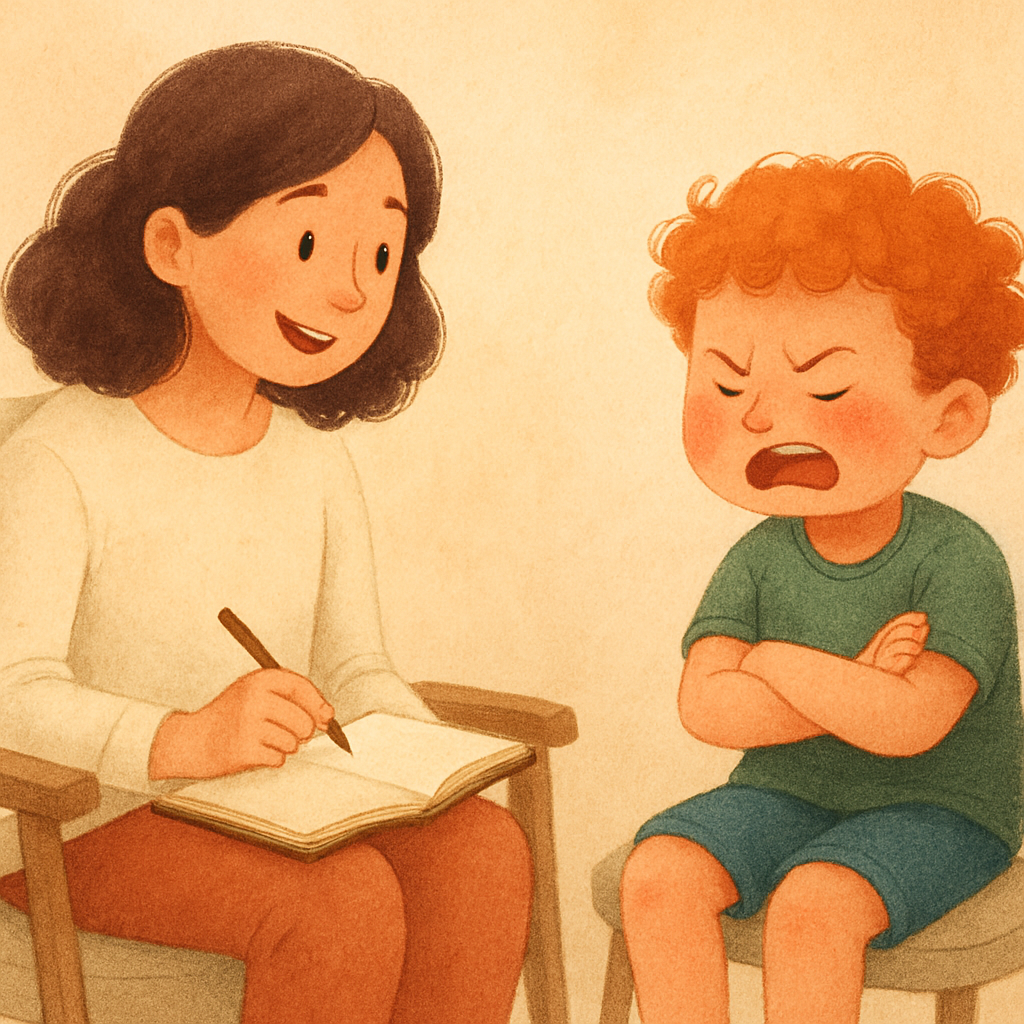
Watching your child struggle with angry feelings can be stressful and overwhelming. Whether it's a toddler's tantrum or an older child's outburst, these challenging behaviours are often a form of communication. For young children, lashing out is a sign that they are distressed and lack the skills for effective emotion regulation. It’s a normal part of their development, but how you respond is key. Understanding the root of their anger is the first step toward promoting better children's mental health and guiding them toward healthier expression.
Key Highlights
Here are the main takeaways for managing your child's anger:
- A child's anger often comes from frustration and a lack of skills to solve problems.
- Your calm response is crucial; it models self-control for your young children.
- Identifying triggers like homework time or unexpected change can help prevent outbursts.
- Teaching emotion regulation and coping skills when your child is calm builds their ability to handle big feelings.
- Praise and positive reinforcement for good behaviour are more effective than focusing only on challenging behaviours.
- Improving your child's mental health and behaviour takes time and repetition.
Identifying Triggers and Patterns in Your Child’s Tantrums
Understanding what sets off your child’s anger can significantly reduce frequent temper tantrums. Most kids who have meltdowns do so at predictable times. The trigger is often being asked to do something they dislike, like homework, or stop an activity they enjoy, like playing a video game.
Observing these patterns helps you distinguish between normal frustration and potential behaviour problems. When you know the triggers, you can be more proactive. Learning to spot these recurring situations is the first step in helping your child with emotion regulation. Exploring the specific causes and your own reactions can provide deeper insight.
Recognizing Environmental and Emotional Factors
Many outbursts are tied to specific environmental factors or situations. An unexpected change in routine can feel like a big problem for a child. Common triggers often involve transitions, such as leaving for school, bedtime, or ending playtime. Preparing your child with time warnings can help avoid some of these meltdowns.
Sometimes, the root cause is an underlying issue that makes it harder for your child to manage their emotions. These can include conditions that require more understanding and support.
- Attention Deficit Hyperactivity Disorder (ADHD): Children with ADHD are frustrated easily, which can lead to outbursts.
- Anxiety or Autism: A child with anxiety or autism spectrum disorder may use anger to express overwhelming feelings they can't otherwise articulate.
- Sensory Processing Issues: Discomfort from loud noises or scratchy clothes can cause a child to become agitated and lash out.
If you notice a consistent pattern of explosive behaviour, it might be helpful to talk with your pediatrician to rule out medical causes and understand these factors better.
How Parenting Styles Influence Tantrums
Your reaction during a tantrum has a major effect on whether the behaviour continues. Certain parenting styles can unintentionally escalate a power struggle, while others promote positive behaviour. If you get angry and yell, you are less likely to reach your child and may make them more defiant. Staying calm helps you model the behaviour you want to see.
It's important to provide consistent consequences for misbehaviour without giving in to your child's demands. This teaches them that tantrums are not an effective way to get what they want. Your goal is to guide, not to control.
Here’s how different responses can impact the situation: | Ineffective Response | Effective Response | |---|---| | Yelling or raising your voice. | Speaking in a low, steady voice. | | Giving in to dema nds to stop the tantrum. | Holding the limit while validating their feelings. | | Trying to lecture or reason during the outburst. | Waiting until everyone is calm to discuss the behaviour.
Immediate Strategies for Calming an Angry Child
When your child is overwhelmed by strong emotions, your main goal is to help them calm down. Staying composed yourself is key—taking deep breaths and remaining in control creates a calming presence for your child. This helps them feel safe and models how to manage big feelings.
Guide your child to a safe space where they can process their emotions without harm. This isn’t a punishment, but an opportunity to reset. The following steps outline effective ways to handle a tantrum and what to avoid during these moments.
Step-by-Step Techniques to Defuse Tantrums
When your child is having an outburst, simple and direct actions are most effective. Your primary objective is to de-escalate the situation safely. Keep your body language open and non-threatening, and maintain a calm, steady voice. This is not the time for a long conversation, as a child in "fight or flight" mode cannot process information well.
A time-out can be a useful tool for younger children. The purpose is to remove them from a volatile situation and give them a chance to calm down in a safe place. This space should be neutral, without toys or other rewards. For older children who cannot be moved, removing yourself from their vicinity can achieve a similar result by denying them an audience.
Follow these steps for a more effective response:
- Stay Calm: Model the behaviour you want to see.
- Use Minimal Words: Repeat a simple, reassuring phrase like, "I'm here for you."
- Guide to a Safe Place: Move your child to a quiet area to help them regain control.
- Praise Calmness: Once the tantrum subsides, praise them for pulling themselves together. This reinforces the positive behaviour of self-regulation.
What Not to Say or Do During an Angry Outburst
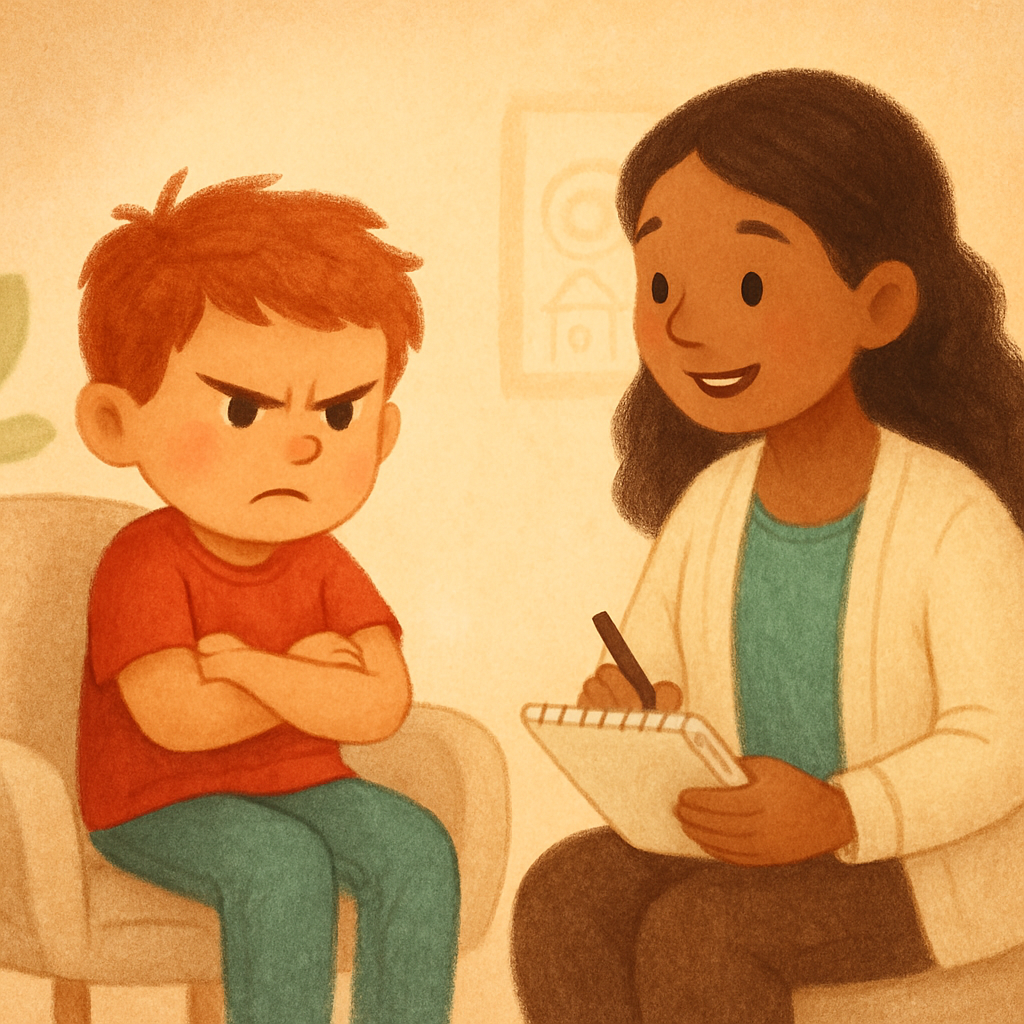
Your response to your child's outbursts can shape their impulse control. Reacting with anger or frustration only escalates the situation. Avoid power struggles, arguments, or threats you can't keep—children overwhelmed by emotion can't listen to reason.
Giving in to tantrums teaches your child that aggression works. While ignoring minor misbehaviour can help, never ignore physical aggression; intervene to ensure safety.
Key things to avoid:
- Don't yell: It escalates defiance.
- Don't give in: It reinforces tantrums.
- Don't use harsh discipline: Overreacting harms mental health and your relationship.
Supporting Your Child’s Self-Regulation Skills
Helping your child manage anger is not just about handling outbursts; it's about building long-term skills. The best time to teach self-regulation is when your child is calm and receptive. By working on coping skills and communication skills proactively, you empower them to handle strong emotions before they become overwhelming.
This process involves teaching emotional awareness and finding healthy ways to express feelings. Creating a supportive home environment where they can practice these new skills is key. Below, we'll explore how to teach emotional literacy and use positive interventions to guide your child.
Teaching Emotional Awareness and Expression
Children need to recognize their feelings before they can manage them. Start by teaching emotional words like "frustrated," "disappointed," and "worried." Naming emotions ("It looks like you feel angry your tower fell") validates their experience and builds emotional vocabulary. With older kids, discuss feelings in more detail.
Help your child notice physical signs of anger, such as a fast heartbeat or clenched fists. A "feelings thermometer" is a helpful visual tool for showing different levels of anger and coping strategies.
Ways to build emotional awareness:
- Read Books About Anger: Stories help kids relate to strong emotions.
- Talk About Your Feelings: Model healthy expression by sharing when you’re frustrated or sad.
- Practice Regularly: Consistently naming and discussing emotions deepens understanding over time.
Positive Behavioural Interventions at Home
Positive reinforcement encourages better behaviour. Instead of focusing on outbursts, praise your child when they handle frustration well. Be specific—for example: “I’m proud you used your words when upset.”
A simple reward system, like earning "calmness coins" for coping instead of yelling, can motivate change. These coins can be traded for privileges, such as extra screen time or a park visit. The aim is to make positive behaviour more rewarding than negative.
Try these strategies at home:
- Consistent Consequences: Make consequences predictable and directly related to misbehaviour.
- Offer Praise: Recognize effort and success to build confidence.
- Parent Management Training (PMT): If you need more support, PMT programs teach effective ways to manage challenging behaviours.
Conclusion
In summary, managing your child’s anger is essential for their emotional growth. By identifying triggers and patterns, you can use effective strategies to calm them and build self-regulation skills. Every child is different, so finding the right approach may take time and patience. If you need personalized support, consider consulting a child behaviour expert.
Contact us for a consultation or call daar at 02 9133 2500! Your proactive efforts can greatly improve your child's emotional well-being.
Frequently Asked Questions
Is it normal for Australian toddlers to have frequent tantrums?
Yes, frequent temper tantrums are a normal part of life for toddlers everywhere, including in the United States. Young children are just beginning to develop communication and self-control skills. Tantrums are a common, albeit frustrating, aspect of a child’s development as they learn to navigate their feelings and independence.
What long-term effects can unmanaged anger have on children?
Unmanaged child’s anger can lead to significant challenges later in life. These may include ongoing behaviour problems at school and with peers, an increased risk for mental health issues, and difficulties in relationships. Persistent aggressive behaviour can negatively impact a child's overall well-being and success as they grow.
Can misbehaviour caused by anger improve with age and support?
Absolutely. With the right support, behaviour problems fueled by anger can improve. Through consistent coaching, learning new coping skills, and effective strategies like parent management training, children can develop better self-control. Your guidance plays a crucial role in improving their children’s mental health and emotional regulation over time.
.svg)




.svg)