
.png?width=48&height=48&name=Group%201%20(3).png)























17 February, 2026

Demystifying Speech Therapy: From Diagnosis to Social Connection
"He’s so smart, but I just can't understand what he's saying."
"She wants to play with the other kids, but she doesn't know how to ask to join in."
"I feel like I'm constantly translating for him."
As parents, we are the experts on our children. We know their favorite foods, their bedtime routines, and the specific cry that means "I'm tired." But when it comes to their development—specifically their ability to talk and connect—it is easy to feel lost.
You might notice that your child isn't hitting the same milestones as their cousins. You might see them getting frustrated when they can't make themselves understood. You might worry that a "wait and see" approach is wasting precious time.
This is where the field of Speech Pathology steps in.
Speech Therapy is not just about fixing a lisp or teaching a toddler to say "mama." It is a comprehensive, scientific approach to helping children navigate the complex world of communication. From articulating clear sounds to mastering the subtle rules of Social Communication, a Speech-Language Pathologist (SLP) provides the roadmap your child needs to thrive.
In this guide, we will walk you through the journey—from the initial speech diagnosis to the transformative power of therapy—and show you how the right support can change your child's life.
The First Step: The Speech Diagnosis
The word "diagnosis" can be scary for a parent. It feels heavy, like a label that might stick to your child forever.
But in the world of Speech Pathology, a speech diagnosis is not a label; it is a key. It unlocks the door to understanding why your child is struggling.
Without a clear diagnosis, we are just guessing. Is your child not talking because they can't hear well? Is it because their mouth muscles are weak (Dysarthria)? Or is it because they don't understand the meaning of the words (Language Disorder)?
A comprehensive evaluation looks at the "whole child." It assesses:
- Speech Sounds: Can the child physically produce the sounds of their language?
- Receptive Language: Does the child understand what is being said to them?
- Expressive Language: Can the child use words and sentences to share their thoughts?
- Social Communication: Does the child understand the "rules" of interacting with others?
Getting a specific speech diagnosis—whether it is a simple articulation delay or a more complex social communication disorder—ensures that therapy is targeted, efficient, and effective.
Beyond Words: The Role of Social Communication
One of the most overlooked areas of Speech Therapy is Social Communication (also known as Pragmatics).
We often think of communication as simply "talking." But true connection requires much more than just vocabulary and grammar. It requires understanding the social context of the conversation.
Social Communication involves the "unspoken rules" we use every day:
- Taking Turns: Knowing that a conversation is a back-and-forth exchange, not a monologue.
- Reading Non-Verbal Cues: Understanding that a friend's frown means they are sad or annoyed.
- Staying on Topic: Knowing not to switch to talking about dinosaurs when everyone else is discussing lunch.
- Adjusting Language: Knowing how to speak differently to a baby than to a teacher.
For many children, these rules are not intuitive. A child with strong verbal skills might still struggle to make friends because they interrupt constantly or stand too close to others. Speech Therapy breaks down these abstract social concepts into concrete, learnable steps, helping children build meaningful relationships.
How Speech Therapy Works
So, what does Speech Therapy actually look like?
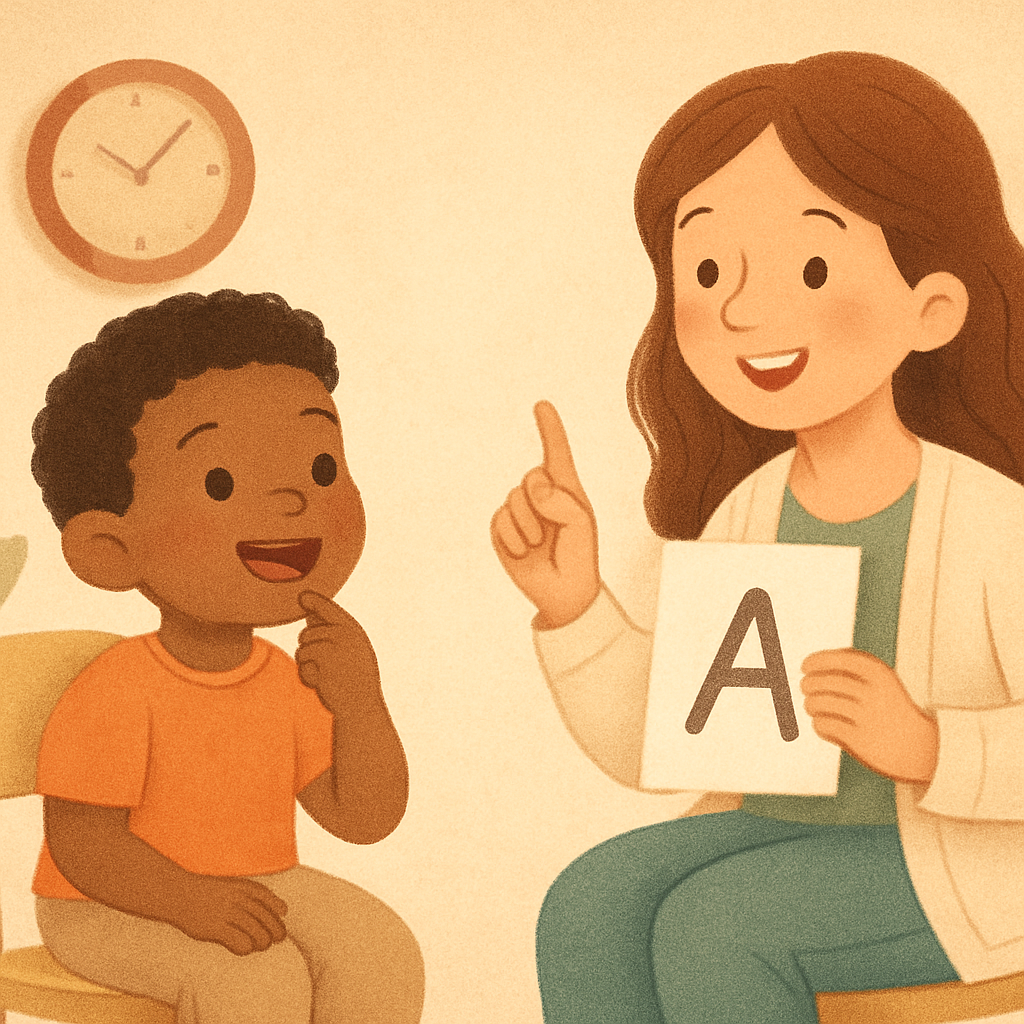
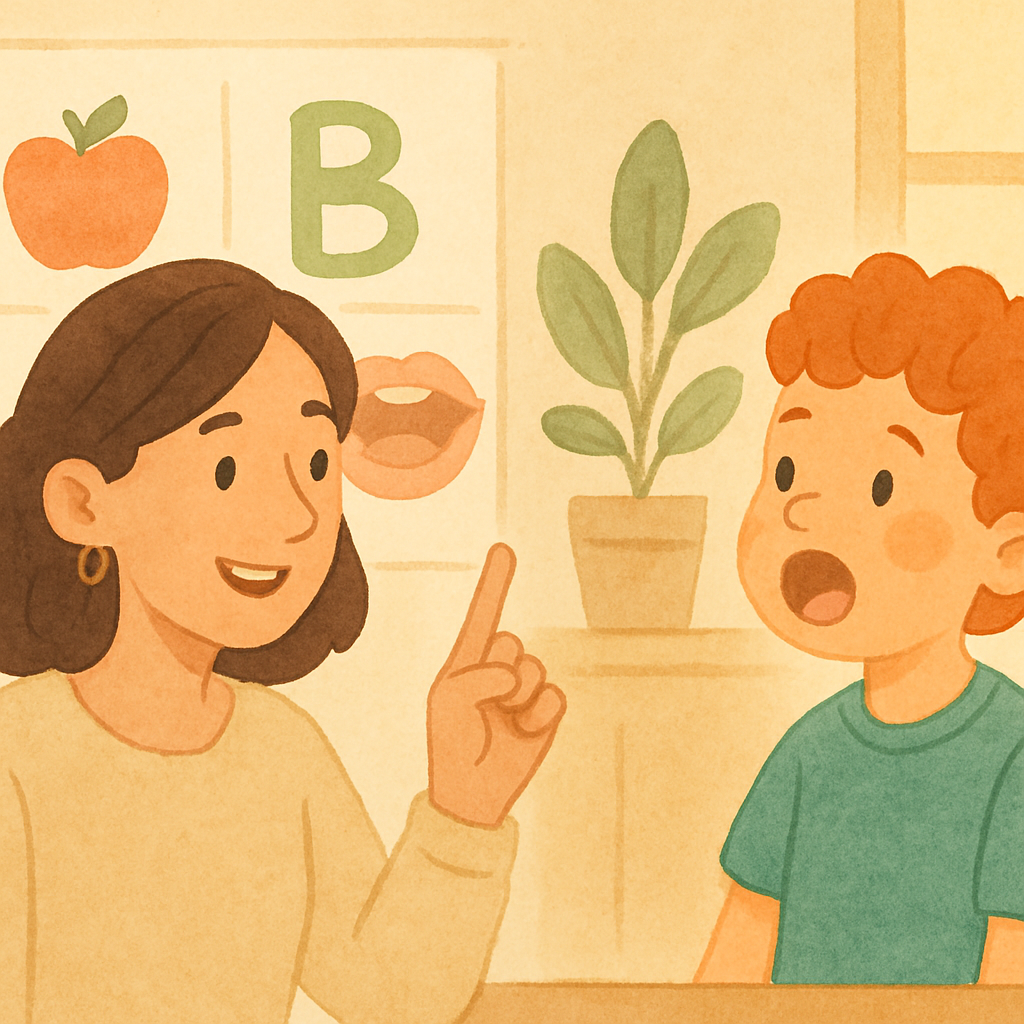
If you are picturing a sterile medical office, think again. Pediatric Speech Pathology is designed to be engaging and often looks a lot like play.
1. Play-Based Learning
For young children, play is their "work." An SLP uses toys, games, and books to create "communication temptations." They might put a favorite toy in a clear, locked box to motivate the child to ask for help, or use a board game to practice taking turns.
2. Parent Coaching
You are with your child more than anyone else. A huge part of therapy is coaching you. We teach you strategies—like "narrating your day" or "expanding" on what your child says—to turn bath time, meal time, and car rides into language-rich learning moments.
3. Individualized Goals
Every child is different. A child with a speech diagnosis of Apraxia (motor planning issue) needs a completely different approach than a child with a stutter. Your SLP creates a customized plan that targets your child's specific needs and interests.
Conclusion
Navigating the world of Speech Pathology—from the initial worry to the formal speech diagnosis—can be an emotional journey. You want the best for your child, and seeing them struggle to connect is hard.
But remember: Communication is a skill, and like any skill, it can be taught, practiced, and improved.
Whether it is helping a toddler say their first clear word, teaching a preschooler how to ask a friend to play, or giving a school-aged child the confidence to raise their hand in class, Speech Therapy is about empowerment.
Your child has a voice. With the right support, we can help them find it.
If you have concerns about your child’s Speech, language, or Social Communication development, don't wait. Our experienced team specializes in comprehensive evaluations and personalized therapy plans.
Contact us today to schedule a consultation or call daar at 02 9133 2500 for an assessment and start your child’s journey to confident connection.
FAQ: Common Questions for Parents
Does a speech diagnosis mean my child has a disability?
Not necessarily. Many speech and language issues are developmental delays that children can overcome with support. A diagnosis simply describes the current challenge so we can treat it effectively.
How long does Speech Therapy take?
There is no set timeline. It depends on the severity of the diagnosis, the child's age, and consistency of practice at home. Some children need a "boost" for a few months; others may need support for years.
Can Speech Therapy help with behavioral issues?
Absolutely. Many behavioral outbursts (hitting, biting, screaming) stem from frustration. When a child cannot communicate their wants and needs, they act out. Giving them a way to communicate—whether through words, signs, or pictures—often drastically reduces these behaviors.
.svg)




.svg)