
.png?width=48&height=48&name=Group%201%20(3).png)























7 January, 2026

Positive Behaviour Support: Unlocking Benefits for NDIS

Introduction
Are you looking for ways to support a loved one and improve their overall well-being? Positive behaviour support (PBS), which incorporates applied behaviour analysis techniques, is an evidence-based approach that helps individuals thrive by understanding their behaviour and creating supportive environments. For NDIS participants, PBS offers a compassionate alternative to older methods, focusing on teaching new skills and enhancing quality of life. This guide will explore how this approach works and how it can benefit individuals with NDIS funding.
Key Highlights
-
Positive behaviour support (PBS) focuses on improving your quality of life, not just managing behaviours.
-
The NDIS can help fund this type of behavioural therapy, making it accessible.
-
PBS strategies are person-centered, built around an individual's unique needs and goals.
-
A key part of the process is teaching new skills to help a person get their needs met.
-
Collaboration with family and caregivers is essential for long-term success.
-
The goal is to create lasting positive changes and reduce dependence on professional services.
The Role of NDIS in Supporting Positive Behaviour Strategies
The National Disability Insurance Scheme (NDIS) aims to provide support that is centered on the individual, helping them achieve their goals and participate more fully in community settings. The core principles of positive behaviour support align perfectly with this mission, as PBS focuses on creating personalized support plans for individuals with developmental disabilities that improve well-being.
By emphasizing proactive strategies and emotional regulation for quality of life, PBS fits within NDIS guidelines that prioritize empowerment and independence. The goal is to develop sustainable approaches that work in real-world situations, from home and school to the wider community, ensuring support is both effective and respectful.
How NDIS Funding Facilitates Access to Behaviour Therapy
Securing funding for essential services can be challenging, but the NDIS offers access to vital behaviour therapy for anxiety disorders. Your NDIS funding can be used to hire qualified professionals specializing in positive behaviour support, providing strategies tailored to your needs. This support helps people with disabilities communicate more effectively and have their needs met.
These therapy services address both challenging behaviours and their root causes, focusing on skill-building and creating a supportive environment.
NDIS funding for PBS can cover:
-
Assessments to understand behaviour functions
-
Development of personalized behaviour support plans
-
Training for family members and caregivers
Integration of Positive Behaviour Support Within NDIS Plans
A positive behaviour support plan is an essential part of an individual's NDIS plan in special education, not a standalone document. Behaviour analysts collaborate with you, your family, and other providers to integrate PBS strategies into daily routines at home or school.
This teamwork ensures everyone—teachers, therapists, and family members—follows a unified approach, reinforcing positive behaviours and new skills across all settings. The plan serves as a practical guide for everyday interactions.
The ultimate goal is for these strategies to become a natural part of the individual's life. This collaborative process makes the NDIS plan a living guide that adapts to the person's growth and changing needs, supporting long-term success.
Compliance with NDIS Practice Standards for Positive Behaviour Support
For a behaviour therapist to provide services under the NDIS, they must adhere to strict NDIS Practice Standards. These standards ensure that positive behaviour support is delivered ethically, safely, and effectively. Compliance is key to protecting the rights and dignity of every participant.
The key principles of positive behaviour support, such as being person-centered and proactive, align with these regulatory requirements and are informed by social learning theory. This framework ensures that any intervention focuses on improving quality of life rather than simply controlling behaviour. It's about empowering individuals, not just managing them.
A high-quality PBS plan will reflect these standards by being built on collaboration and evidence-based methods, particularly for individuals with autism spectrum disorder. Below is a look at how core PBS principles map to the goals of NDIS standards.
|
NDIS Standard Goal |
Corresponding PBS Principle |
|---|---|
|
Person-Centered Outcomes |
A focus on enhancing lifestyle and valued outcomes, including interpersonal relationships. |
|
Evidence-Based Practice |
Use of validated procedures from behavioural science. |
|
Collaborative Teamwork |
Collaboration with typical caregivers and professionals. |
|
Proactive and Respectful Support |
A focus on proactive strategies that uphold dignity. |
Main Strategies Used in Positive Behaviour Support
Positive behaviour support uses a multi-component approach to create lasting change. Instead of a one-size-fits-all solution, the main strategies are customized based on a thorough functional assessment. This assessment helps everyone understand the "why" behind a behaviour, which is the foundation for effective behavioural therapy, including cognitive therapy.
The strategies are proactive rather than reactive, particularly in addressing psychological problems. This means the focus is on preventing challenging situations by modifying environments, teaching new skills, and providing positive reinforcement for desired behaviours. This approach addresses the root cause of behaviours to foster genuine growth. The following sections will explore some of these key strategies in more detail.
Functional Behaviour Assessment and Individualized Planning
Every effective behaviour support plan starts with a functional behavioural assessment (FBA), the foundation of individualized planning. An FBA gathers information to determine the purpose of a behaviour—such as gaining attention, escaping a task, or seeking sensory input—which includes analyzing environmental factors essential for positive behaviour support.
This analysis includes direct observation, caregiver interviews, and data collection to identify patterns. A qualified professional uses this data to hypothesize why the behaviour occurs, helping guide effective strategies.
Once the behaviour’s function is clear, the team can create a personalized support plan focused on teaching appropriate ways to meet needs, not punishment—setting up long-term success.
Use of Positive Reinforcement and Skill Building
Positive behaviour support teaches better ways to communicate and meet needs, focusing on skill building for individuals with mental disorders. If challenging behaviour happens due to a missing skill, the plan targets teaching a "replacement skill" that serves the same purpose more effectively—such as social or communication skills.
Positive reinforcement, based on operant conditioning, encourages these new skills by providing an immediate reward or desirable outcome after positive behaviour. The aim is to make the new behaviour more appealing than the old one.
Examples include:
-
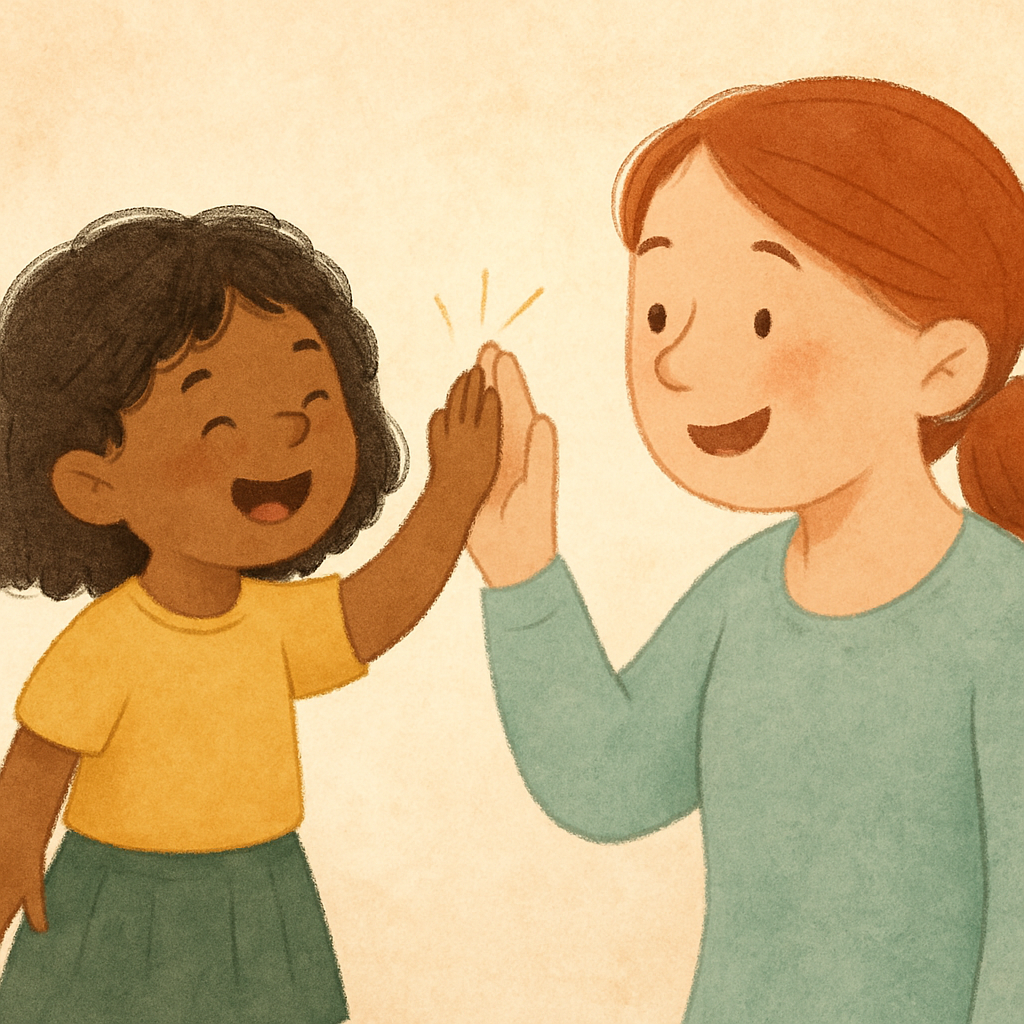
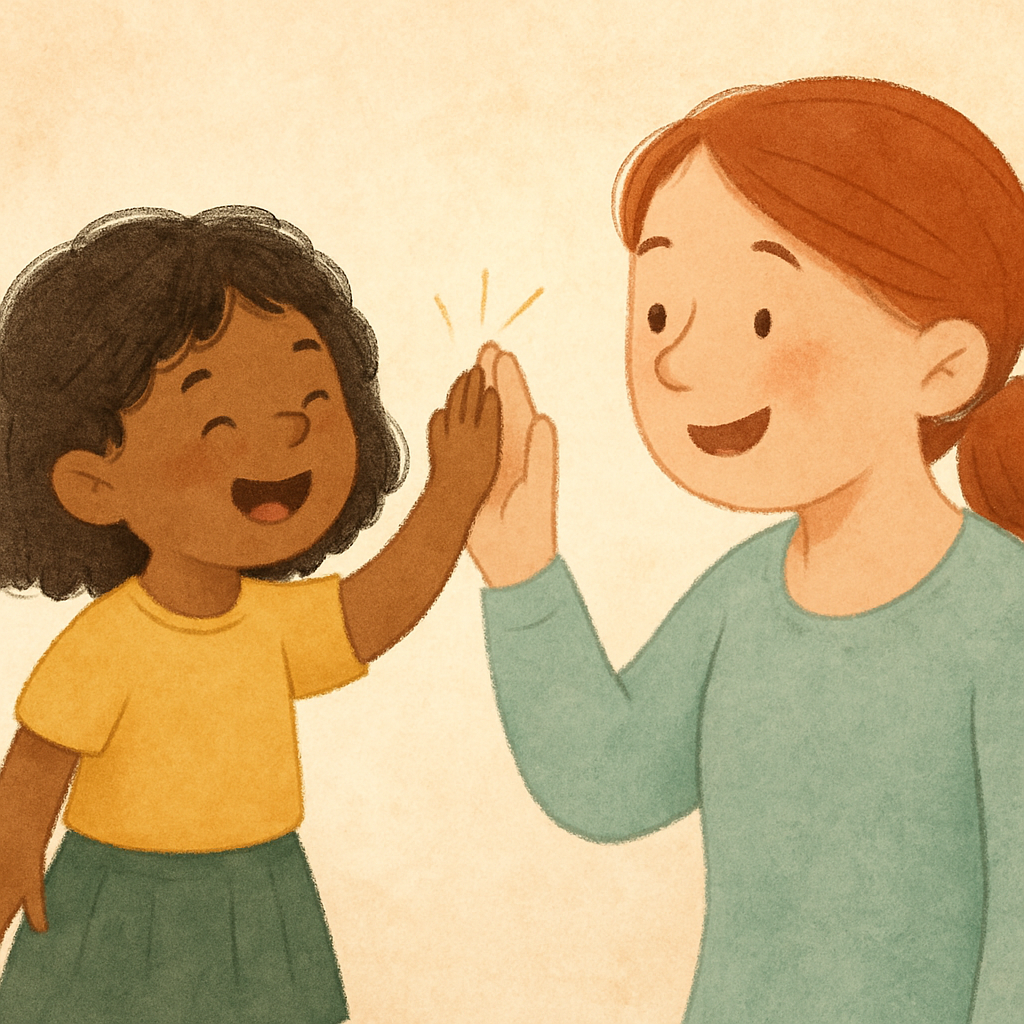
Praising or giving a high-five for asking for a break instead of acting out
-
Allowing extra time with a favorite activity after completing a difficult task
-
Giving access to a desired item when it’s requested appropriately
Environmental Adjustments and Proactive Approaches
Positive behaviour support focuses on proactive strategies, changing environments to prevent challenging behaviours. By identifying and adjusting triggers, daily life becomes smoother and more predictable.
For example, if a child is overwhelmed by noise, using headphones or visiting quieter places can help. In classrooms, providing sensory breaks or visual schedules makes routines clearer.
These simple adjustments are highly effective. Instead of reacting to problems, you set up success from the start, reducing stress and increasing positive interactions for everyone.
Addressing Challenges in Positive Behaviour Support Delivery
While positive behaviour support is highly effective for young people, delivering it successfully comes with its own set of challenges. Implementation can be complex, and there are often barriers that individuals, families, and providers must navigate. Real-world settings are unpredictable, which can make consistent support delivery difficult.
Understanding these potential risks and challenges is the first step toward overcoming them. Issues can range from a lack of resources and training to philosophical disagreements about which type of behaviour therapy should be used to change certain behaviours. The following sections will discuss these barriers and offer solutions for sustainable success.
Barriers and Risks Faced by Individuals and Providers
Key barriers in supporting individuals with behavioural disorders include inconsistent interventions across settings and misalignment among support providers. Focusing on compliance over autonomy can prioritize "fitting in" instead of empowerment.
Critics also note that approaches targeting only observable behaviours may ignore the individual’s feelings and motivations, especially when related to social anxiety disorder, leading to controlling rather than supportive strategies.
Main risks:
-
Inconsistent implementation across environments
-
Emphasis on masking behaviours instead of authentic self-expression
-
Overuse of external rewards, which may undermine intrinsic motivation
Solutions and Best Practices for Sustainable Behaviour Therapy
To achieve lasting change with behaviour therapy, particularly for issues like obsessive-compulsive disorder, adopting best practices is essential. Empowering families and caregivers through knowledge and training builds confidence, increases consistency, and can reduce the need for intensive services over time.
Adaptability is also key. As people change, support plans must evolve. Regularly review progress and adjust strategies to keep plans relevant, ensuring they fit your family’s routines and values.
Finally, open communication and collaboration are crucial. Positive behaviour support works best when individuals, families, and professionals partner as a team. This approach ensures shared goals and creates practical plans that support long-term success and independence.
Understanding Positive Behaviour Support for NDIS Participants
For NDIS participants, early intervention positive behaviour support offers a practical framework for achieving personal goals and improving overall well-being, which includes mental health. This approach is not just for children with autism; anyone with developmental or intellectual disabilities who faces behavioural challenges can benefit. The focus is always on creating a support plan that enhances independence and community participation.
The process is collaborative, ensuring that you and your family are at the center of all decisions related to child development. The goal is to build skills and create supportive environments that lead to a better quality of life. The following points will break this down further.
The Role of Positive Behaviour Support in NDIS Implementation

In NDIS implementation, positive behaviour support (PBS) helps turn goals into reality by providing practical strategies for achieving your vision, including techniques from cognitive behavioural therapy. PBS creates detailed, action-oriented support plans tailored to your needs and integrates them into your NDIS plan.
The focus is on improving quality of life by understanding the root causes of challenging behaviours through techniques like cognitive restructuring, not just managing them. Person-centered planning identifies what matters most to you, such as building relationships or joining community activities.
Personalized plans include proactive strategies and skill-building exercises, supporting progress toward your goals. By promoting choice and control, PBS empowers you to live more independently and fulfill your potential.
Overcoming Challenges in Positive Behaviour Support Delivery
There can be challenges with positive behaviour support, but they are manageable with the right approach. One common hurdle in support delivery is a lack of consistency. To overcome this, it's vital to ensure that everyone involved—family, educators, health services, and therapists—receives training and communicates openly. A unified team approach is the most effective solution.
Another challenge can be caregiver buy-in, especially if strategies feel too complex or if mental health problems like stress and burnout are present. The best way to address this is by making sure the plan has a good "contextual fit." This means the strategies are practical for your daily life and that you, as a caregiver, feel empowered and capable of implementing them.
Finally, plans must be adaptable, especially for those dealing with challenges like social anxiety. As a person learns and grows, their needs will change. Overcoming the challenge of a static plan requires regular reviews and adjustments. This ensures the positive behaviour support remains relevant and continues to foster progress without becoming a source of frustration.
Enhancing Communication Through Positive Behaviour Support
A huge part of how positive behaviour support improves quality of life is by enhancing communication skills, particularly in dealing with unhelpful thoughts. Often, challenging behaviours are a person's way of communicating a need when they don't have another way to do so. PBS focuses on teaching effective and appropriate ways to communicate, which naturally reduces frustration and difficult behaviours.
This can involve various forms of social skills training, including addressing social phobia, from learning to ask for a break to expressing feelings verbally or with communication aids. By providing tools for better social interactions, PBS opens the door to stronger relationships and greater community inclusion.
Specific ways PBS enhances communication include:
-
Teaching functional communication skills, such as using a "break" card or simple signs.
-
Using social stories to prepare for social situations and rehearse interactions.
-
Building conversational skills to help form and maintain friendships.
Collaborating with Families in Positive Behaviour Support
Collaboration with families is not just a recommendation in positive behaviour support (PBS); it is the foundation of success. Anyone can benefit from PBS, and the most lasting results are seen when families are active partners in the process, especially when incorporating principles from applied behaviour analysis. Your insights into your loved one's strengths, preferences, and challenges are invaluable for creating effective support plans.
A good provider empowers you with the knowledge and skills to feel confident implementing strategies. The goal is to make your daily life easier and reduce dependence on professionals over time. This happens through open communication, shared decision-making, and ensuring the plan fits your family's unique circumstances.
By collaborating closely, you ensure that the strategies in the support plans are used consistently at home, at school, and in the community. This partnership is what transforms a good plan on paper into real, meaningful change in your loved one's life.
Conclusion
In conclusion, Positive Behaviour Support (PBS) is a transformative approach that aligns perfectly with the goals of the NDIS. By focusing on individual needs and fostering an environment conducive to positive change, PBS enhances the quality of life for participants. The integration of tailored strategies, such as functional analysis and proactive adjustments, empowers individuals to thrive while also addressing potential challenges in the delivery of support. Participants, families, and providers need to collaborate effectively, ensuring that everyone benefits from this comprehensive framework. If you're seeking to explore how PBS can make a difference in your life or someone else’s, we encourage you to reach out for a consultation to get started on this journey toward positive change.
Book a consultation now or call daar at 02 9133 2500!
Frequently Asked Questions
How does positive behaviour support improve quality of life for NDIS participants?
Positive behaviour support improves quality of life by teaching new social skills and communication methods. This reduces frustration in daily life and opens doors to better relationships and more community participation. By focusing on the individual's main goal and goals, PBS empowers them to make positive changes that lead to greater independence and happiness.
Are positive behaviour support practices different from traditional therapies?
Yes, positive behaviour support is different from some traditional therapies. Its core principles emphasize proactive, preventative strategies rather than reactive or punishment-based ones. While it shares roots with behavioural therapy, PBS is distinctly person-centered, focusing on improving quality of life and teaching new skills, rather than just eliminating problem behaviour.
How long does it take to observe positive changes with behaviour therapy under NDIS?
The timeline for seeing positive changes with behaviour therapy in various social settings is unique to each person. While some improvements in challenging behaviours may appear within weeks of starting a therapy session, deeper, more sustainable progress often unfolds over several months. Consistency and collaboration are key to achieving lasting results with your NDIS plan.
.svg)




.svg)