
.png?width=48&height=48&name=Group%201%20(3).png)























13 January, 2026

The Role of Speech Pathology in Effective Communication
Introduction
Effective communication is the cornerstone of how we connect with the world. But what happens when forming words or understanding others becomes a challenge? This is where speech pathology plays a vital role. This field helps individuals overcome a wide range of communication disorders, empowering them to express themselves and engage more fully in daily life. In places like Australia, speech pathology services are essential for helping people build confidence and foster meaningful connections. To study speech pathology at university, you typically need to enroll in a specialized undergraduate or postgraduate program in speech pathology or speech-language therapy. These programs combine coursework in linguistics, anatomy, psychology, and clinical training to prepare students for a career as a speech pathologist. Check with your chosen university for specific admission requirements, as prerequisites such as biology or English may be needed, and look for accredited courses that offer practical placement opportunities.
Key Highlights
-
Speech pathology is a healthcare field dedicated to diagnosing and treating communication disorders.
-
A speech pathologist helps people of all ages with speaking, language, swallowing, and social communication skills.
-
Speech pathology services can improve the quality of life for individuals with conditions like stroke, autism, and developmental delays.
-
Treatment involves personalized plans with exercises and strategies to build practical communication skills.
-
Speech pathologists work in various settings, including schools, hospitals, and private practices.
Understanding Speech Pathology
At its heart, speech pathology is a specialized area of health care focused on human communication. A speech pathologist is a trained professional who supports individuals facing communication disorders, from trouble speaking clearly to difficulties understanding language. They address a wide variety of issues, including language disorders that can impact learning and social interaction. To become a speech pathologist, individuals typically need to earn a master's degree in speech-language pathology, complete supervised clinical experience, and obtain relevant state licensure or certification to practice professionally.
To better appreciate its impact, it is helpful to explore what speech pathology entails and why clear communication is so fundamental to our lives. Let's look closer at what these specialists do and the importance of their work. While speech pathology refers to the broader field of studying and diagnosing disorders related to speech, language, and communication, speech therapy is one of the treatments provided within this field to help individuals improve or recover their communication abilities. In other words, speech pathology encompasses assessment and diagnosis, while speech therapy focuses on the actual intervention and treatment.
What Is Speech Pathology?
Speech pathology is a healthcare and academic discipline focused on evaluating, treating, and preventing communication and swallowing disorders. It is a key part of the communication sciences, blending medical knowledge with therapeutic techniques to help people across the lifespan.
So, what does a speech pathologist do? These professionals, also known as speech therapists, assess an individual's specific challenges. They diagnose the underlying causes of communication difficulties, which could range from developmental delays to brain injuries.
Based on their findings, a speech pathologist creates and implements a personalized treatment plan. Their goal is to improve a person’s ability to speak, understand language, use their voice, and even swallow safely. They are experts in helping people find their voice and communicate more effectively.
The Importance of Effective Communication
Effective communication is essential for nearly every aspect of daily life. It is how we build relationships, express our needs, share ideas, and succeed at school or work. When communication is difficult, it can lead to frustration, isolation, and a lower quality of life. Strong communication skills are the foundation of connection and independence.
For individuals with communication disorders, speech pathology offers a direct path toward improvement. How can speech pathology help with communication disorders? It provides targeted support to strengthen language skills, improve speech clarity, and build confidence in social situations.
By working with a pathologist, people can learn strategies to overcome their specific challenges. This support not only enhances their ability to communicate but also empowers them to participate more fully in their communities, improving their overall well-being and independence.
Roles and Responsibilities of Speech Pathologists
A speech pathologist has a diverse set of responsibilities aimed at helping individuals with communication disorders. They begin by assessing a person's needs and then develop tailored treatment plans to address specific goals. This can include working on everything from articulation to fluency disorders like stuttering.
Their role extends beyond direct therapy. Speech pathologists also educate families and caregivers, providing them with strategies to support their loved one's progress. To understand their work better, let’s examine the specific assessment methods and treatment techniques they employ.
Assessment Methods Used by Speech Pathologists
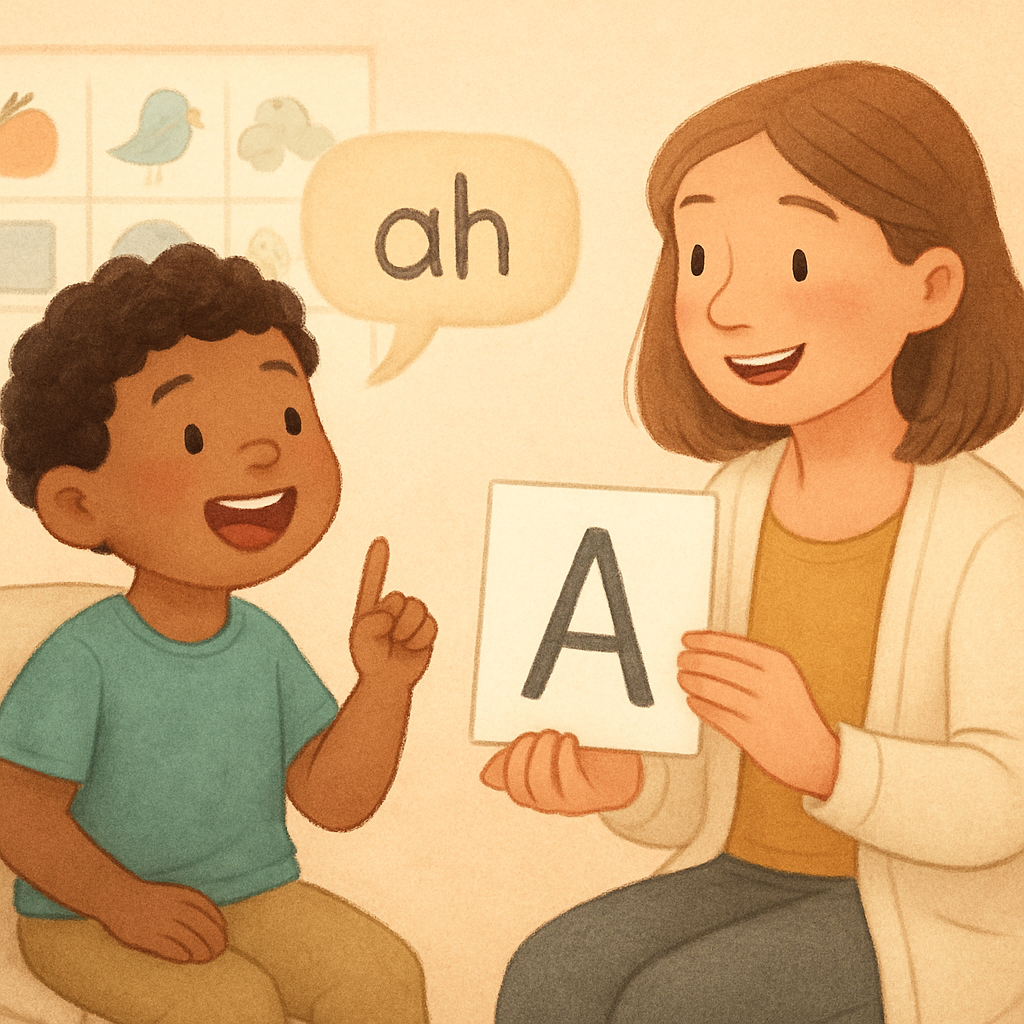
The first step in speech therapy is a thorough assessment. This process allows a speech pathologist to understand the nature and extent of a person's communication disorders. Using their clinical experience, they gather information to make an accurate diagnosis and create an effective treatment plan.
How does speech therapy work? It starts with evaluation. A speech pathologist may use a variety of assessment tools to identify specific challenges. These methods are chosen based on the individual’s age, condition, and communication goals.
Some common assessment methods include:
-
Standardized tests to compare a person's skills to their peers.
-
Observations of communication in natural settings, like home or school.
-
Interviews with the individual and their family to discuss their concerns.
-
Oral-motor exams to check the strength and movement of the muscles used for speech.
Treatment Techniques in Speech Therapy
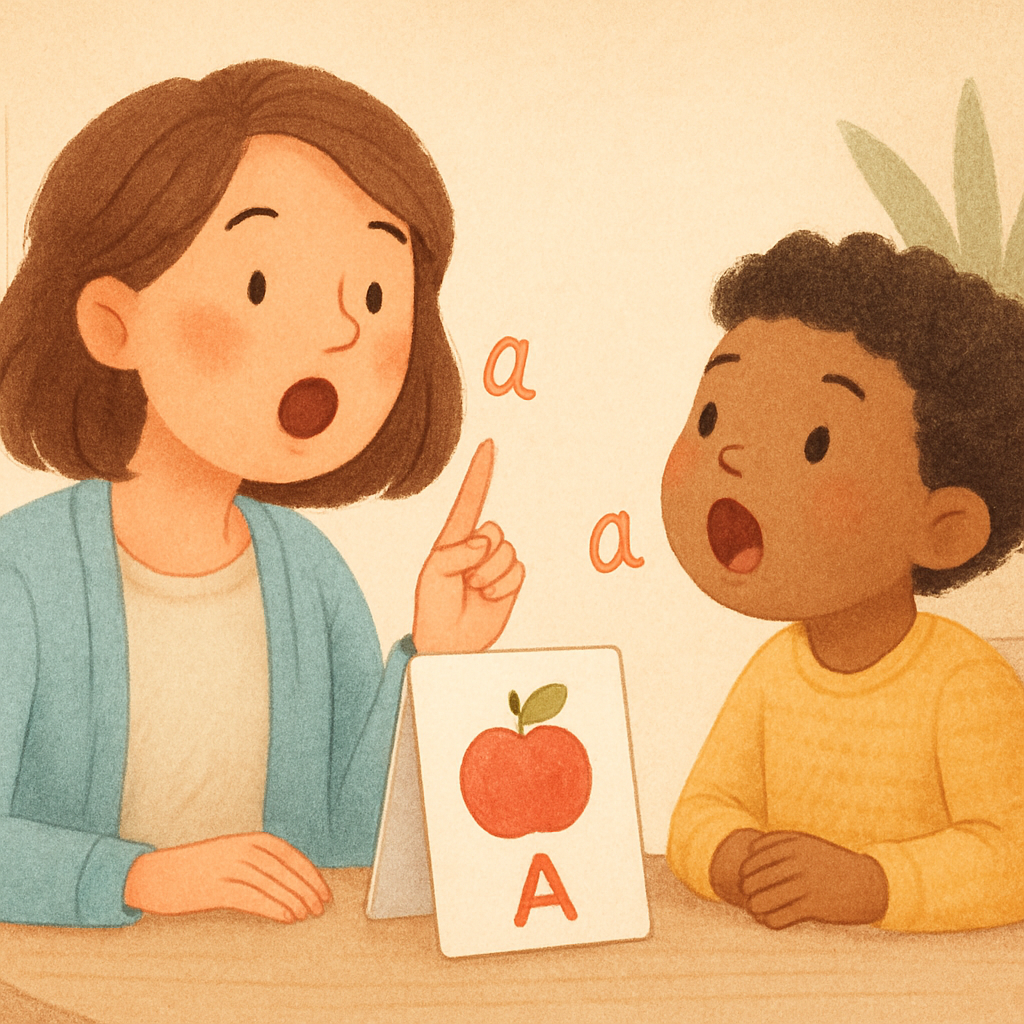
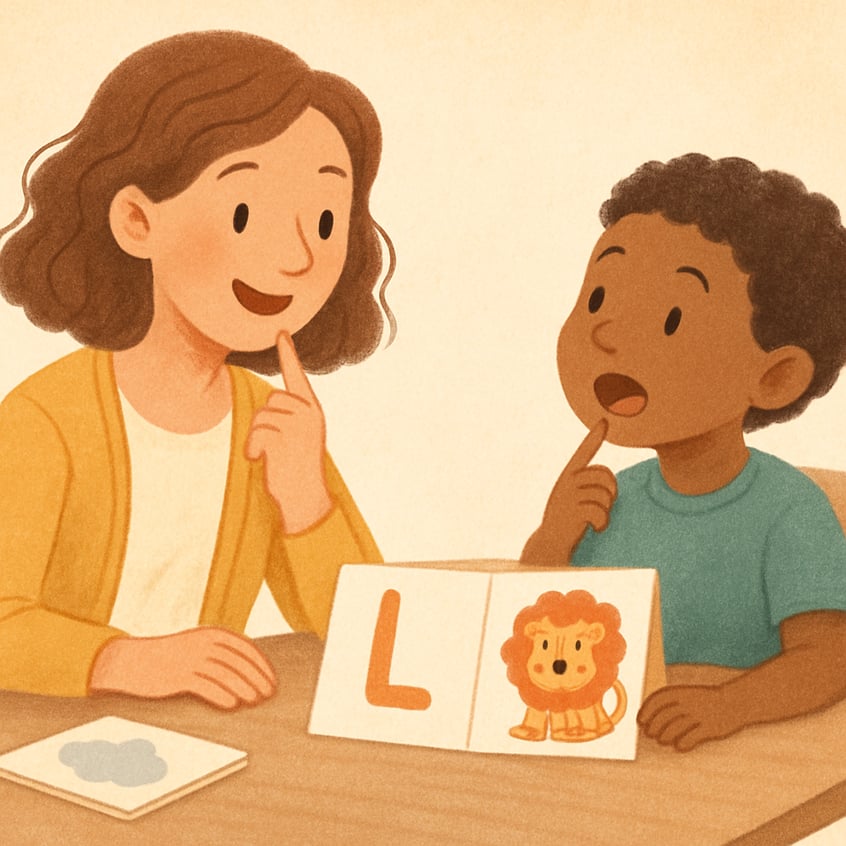
Speech therapy is a collaborative process where a pathologist uses specific treatment techniques to help individuals improve their communication. The goal is to build practical skills that can be used in everyday life. What is speech therapy and how does it work? It is a structured treatment that uses targeted exercises and activities to address communication goals.
For example, a child with an articulation disorder might play games that encourage them to produce certain sounds correctly. An adult recovering from a stroke may do exercises to strengthen their tongue and mouth muscles to improve slurred speech.
These techniques are personalized to each individual's needs. Treatment might involve practicing conversational skills, using memory games to enhance cognitive-communication, or learning to use augmentative and alternative communication (AAC) devices. The focus is always on making real-world progress.
Common Conditions Treated in Speech Pathology
Speech pathologists treat a vast array of conditions that affect communication. These include speech disorders, which impact how sounds are made, and language disorders, which relate to understanding and using words. They address congenital issues like a cleft palate as well as acquired communication disorders.
Whether working with children or adults, these professionals are equipped to handle a wide spectrum of challenges. The following sections will provide more detail on specific speech, language, and social communication disorders they frequently treat.
Speech Disorders in Children and Adults
Speech pathologists treat many common conditions in both children and adults. In children, these issues are often linked to developmental delays, while in adults, they can result from a stroke or brain injury. Articulation disorders, where someone has trouble producing specific sounds, are one of the most frequent reasons for seeking therapy.
Fluency disorders, such as stuttering, are another common area of focus. What are common conditions treated by speech pathologists? They also include voice disorders, which affect vocal quality, pitch, and volume, and resonance disorders caused by structural issues like a cleft palate.
Here is a look at some common speech disorders:
|
Disorder Type |
Description |
|---|---|
|
Articulation Disorders |
Difficulty making specific sounds, like substituting "w" for "r" (e.g., saying "wabbit" instead of "rabbit"). |
|
Fluency Disorders |
Interruptions to the flow of speech, such as stuttering or cluttering (speaking too fast and merging words). |
|
Resonance Disorders |
An imbalance in sound vibration in the oral or nasal cavities, often due to a cleft palate or swollen tonsils. |
|
Voice Disorders |
Problems with pitch, volume, or vocal quality, such as hoarseness or speaking too softly. |
Language and Social Communication Disorders
Beyond just producing sounds, speech pathology also addresses issues with language and social communication. Language disorders can affect a person's ability to understand others (receptive language) or to share their own thoughts and feelings (expressive language). These challenges can impact language development from an early age.
What are social communication disorders? These are difficulties with the social use of verbal and nonverbal communication. This includes understanding social rules, like taking turns in a conversation or knowing how to greet someone.
Individuals with conditions like autism spectrum disorder often experience challenges with social communication. A speech pathologist can help them learn and practice these skills in a supportive environment, improving their ability to form relationships and interact with others.
The Components of Social Communication
Social communication relies on both words and nonverbal cues, like body language and tone. Pragmatic language is the ability to use language appropriately in different situations—starting conversations, taking turns, asking questions, and understanding indirect requests. Nonverbal communication includes eye contact, facial expressions, gestures, posture, and vocal tone; for example, a smile signals friendliness and crossed arms can show discomfort.
Speech pathologists help people improve these skills by teaching them to read social cues and respond properly. They may guide children in recognizing sarcasm or adults in aligning body language with their message.
Effective social communication also means listening actively and responding empathetically, while considering cultural differences. Mastering verbal and nonverbal skills leads to stronger relationships at home, school, work, and in the community. Seeking support when needed can boost confidence and connection with others.
Verbal and Non-Verbal Communication Skills
What are the components of social communication in speech pathology? They are broadly divided into verbal and nonverbal skills. Verbal communication refers to the words we choose and how we structure our sentences to convey a message. It is the most direct form of communication.
However, nonverbal communication often says just as much, if not more. This includes body language, gestures, facial expressions, and eye contact. For example, smiling while you speak can change the entire meaning of your words. SLPs help people understand and use these subtle cues.
Speech pathologists often work alongside other professionals, like social workers, to help individuals master both verbal and nonverbal communication skills. This holistic approach ensures people can navigate social situations with greater ease and confidence.
Pragmatic Language in Social Contexts
Pragmatic language is a core component of social communication. It refers to the social rules we follow when we talk and interact with others. This can be challenging for individuals with social communication disorders, as these rules are often unwritten and vary depending on the social context.
What are social communication disorders? At their core, they are difficulties with pragmatic language. This can make it hard to understand sarcasm, stay on topic, or know when it is your turn to speak. Speech pathologists work directly on these skills.
Examples of pragmatic language skills include:
-
Taking turns in a conversation.
-
Using and understanding body language and facial expressions.
-
Staying on topic and appropriately changing topics.
-
Adjusting your language based on who you are talking to (e.g., a friend versus a teacher).
Conclusion
In conclusion, the role of speech pathology is vital in fostering effective communication across diverse populations. By understanding the intricacies of speech disorders and the techniques employed by speech pathologists, we can appreciate how they assess, treat, and support individuals facing communication challenges. Whether through verbal or non-verbal skills, the impact of speech therapy resonates in enhancing quality of life and building confidence in social interactions.
If you or a loved one could benefit from expert guidance in improving communication skills, don't hesitate to reach out for a consultation or call daar at 02 9133 2500. Your journey toward clearer communication starts today!
Frequently Asked Questions
What are the most common communication disorders treated by speech pathologists?
Speech pathologists treat a wide variety of communication disorders. Some of the most common include articulation disorders (trouble making sounds), fluency disorders like stuttering, and various language disorders that affect understanding and expression. These issues can impact people of all ages and backgrounds.
How does speech therapy work within Australian healthcare?
In Australia, speech therapy is a recognized part of the health care system. While you don't always need a referral, the Australian government may offer Medicare rebates for communication disorders if you are referred by a doctor. Speech Pathology Australia is the national body that accredits and supports professionals in the field.
How can speech pathology support individuals with communication challenges in various age groups?
A speech pathologist supports people of all ages with communication challenges. For children, early intervention can address developmental delays. For adults, therapy can help recover skills after a stroke or injury. Pathologists also assist older adults in managing communication difficulties associated with dementia or other age-related conditions.
.svg)




.svg)