
.png?width=48&height=48&name=Group%201%20(3).png)























16 March, 2026

Understanding ADHD and Autism: A Family Guide
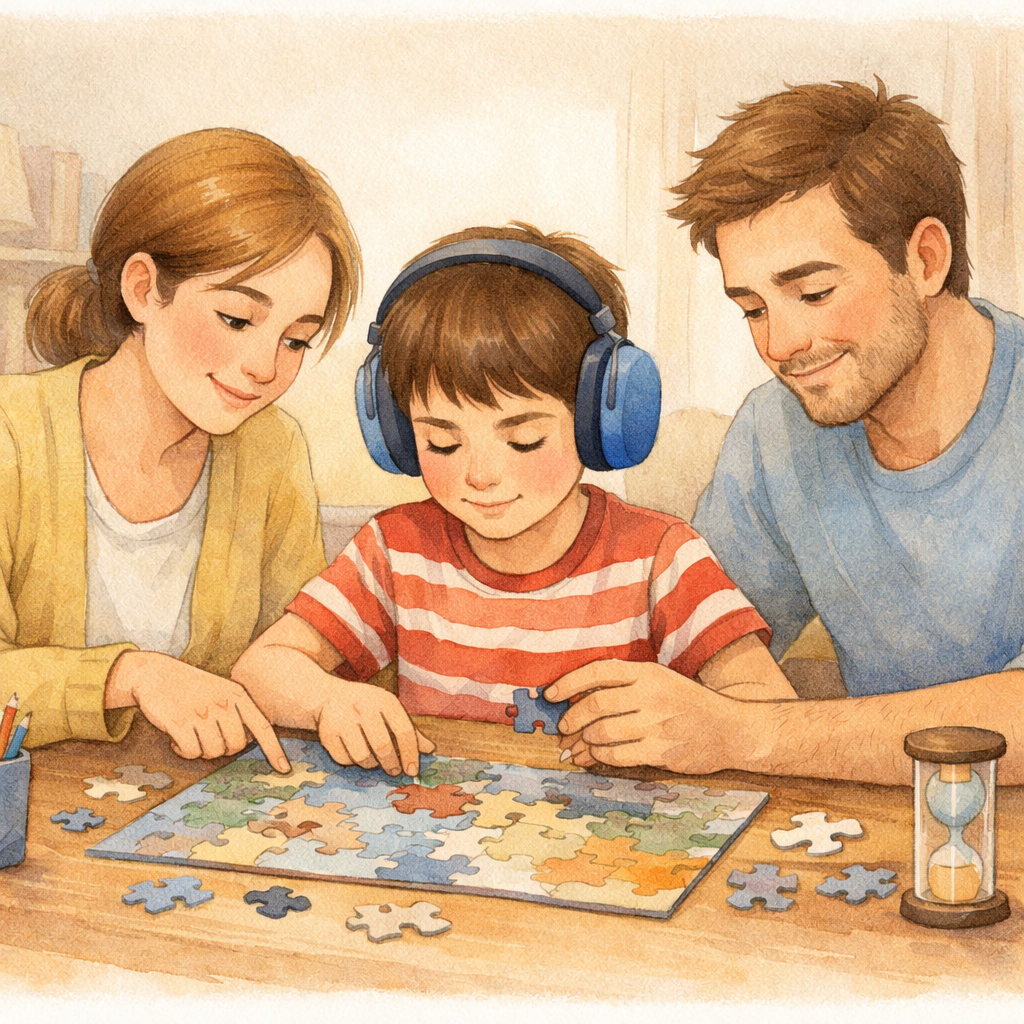
If you are raising a neurodivergent child, you already know that parenting is a journey of constant learning. You might have spent months or even years trying to understand your child’s unique way of experiencing the world. Perhaps your child has an autism diagnosis, but you still notice intense impulsivity and a constant need for movement. Early intervention can be crucial in these situations. Or maybe they have been diagnosed with ADHD, yet they experience deep distress when their daily routine changes even slightly.
If this sounds familiar, you are not alone. For a long time, medical professionals believed that a child could only have one or the other. Today, we know that ADHD and autism frequently co-occur, and understanding the diagnostic criteria for both conditions is essential. In fact, this dual diagnosis—often affectionately referred to within the neurodivergent community as "AuDHD"—is incredibly common.
Navigating the complexities of raising a child with both conditions, including ADHD diagnosis, can feel overwhelming, especially when trying to figure out the Australian healthcare and education systems. This guide is designed to help you understand the nuances of autism vs ADHD, explore how they interact, and provide practical, compassionate strategies to support your child’s beautiful, complex mind.
Autism vs ADHD: Understanding the Differences and Overlaps
To understand how these two conditions interact, it is helpful to first look at them separately. While they share some outward behaviours, the underlying reasons for those behaviours are often quite different, which is why behavior analysis is essential in gaining insights.
The Core Traits of Autism
Autism is a developmental difference that primarily affects how a person communicates, interacts socially, and processes sensory information. Key characteristics often include:
- A Need for Routine: Autistic children often thrive on predictability. Sudden changes to a schedule or environment can cause significant distress or meltdowns.
- Deep, Focused Interests: They may develop intense, passionate interests in specific topics (like trains, dinosaurs, or a particular video game), and their intense focus allows them to concentrate on these topics for hours.
- Sensory Processing Differences: They may be hyper-sensitive (over-responsive) or hypo-sensitive (under-responsive) to sounds, lights, textures, or tastes.
- Social Communication Differences: They might struggle to read neurotypical social cues, prefer playing alone, or communicate in ways that are direct and literal.
The Core Traits of ADHD
Attention Deficit Hyperactivity Disorder (ADHD) is a neurodevelopmental condition that affects the brain's executive functioning—specifically how it manages attention, impulses, and energy levels. Key characteristics include:
- Craving Novelty and Stimulation: The ADHD brain is constantly seeking dopamine. This means children with ADHD often get bored easily and seek out new, exciting activities.
- Inattention and Distractibility: They may struggle to focus on tasks that aren't highly interesting to them, often losing items or forgetting instructions.
- Hyperactivity and Impulsivity: They might act before thinking, interrupt conversations, or feel a constant, internal motor driving them to move, fidget, or talk.
The Overlap
When looking at autism vs ADHD, it is easy to see why they are sometimes confused. Both conditions can involve challenges with executive functioning (planning, organising, and starting tasks), and there’s a real overlap between the symptoms of both conditions. Both can involve sensory overload, emotional dysregulation, and difficulties in traditional classroom environments. Furthermore, both autistic children and children with ADHD often experience 'hyperfocus'—the ability to zero in on a highly engaging task while tuning out the rest of the world.
The Internal Tug-of-War: Autism ADHD Comorbidity
When a child has both conditions, it is known as autism ADHD comorbidity, influenced by various genetic factors. Parenting a child with AuDHD means supporting a brain that is often pulling in two completely different directions.
Imagine this: Your child’s autistic traits crave strict routine, predictability, and a quiet, controlled environment to feel safe. However, their ADHD traits crave novelty, excitement, spontaneity, and high-energy stimulation, all of which significantly impact daily functioning.
This internal tug-of-war can be incredibly exhausting for the child. For example, they might demand to eat the same breakfast every single morning (autism), but halfway through eating it, they become completely bored with the texture and refuse to finish it (ADHD). They might desperately want to organise their toys into perfect, colour-coded categories (autism), but lack the executive functioning and sustained attention to actually complete the task (ADHD), leading to immense frustration and a meltdown.
Understanding this autism ADHD comorbidity is the key to unlocking better support for your child. It helps parents and educators shift from thinking, "They are being difficult," to realising, "Their brain is currently fighting itself, and they need my help to regulate."
Practical Strategies for Supporting a Child with AuDHD
Supporting a child with both ADHD and autism requires a flexible, creative approach that addresses their unique needs. You need to provide the structure that their autistic side needs, while allowing for the freedom and stimulation their ADHD side craves. Here are some practical strategies for home and school:
1. Create "Flexible Routines"
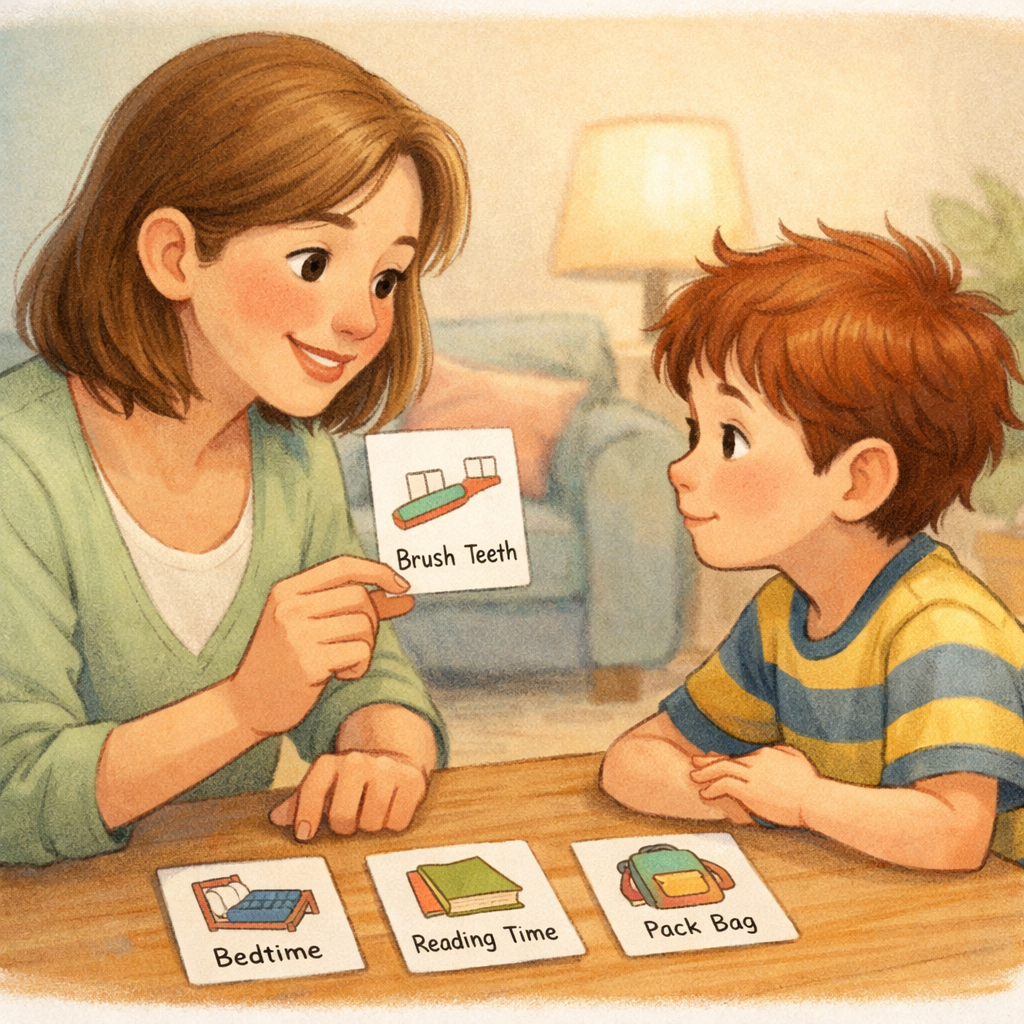
Instead of a rigid, minute-by-minute schedule, create a routine that has built-in choices. For example, your afternoon visual schedule might say: "Afternoon Tea -> Homework -> Free Play." However, during "Free Play," offer a "menu" of highly stimulating options (e.g., jumping on the trampoline, building Lego, or doing a sensory craft). This provides the predictability of a routine with the novelty of a choice.
2. Build in Heavy Work and Movement Breaks
Children with AuDHD often need significant sensory input to regulate their nervous systems. Incorporate "heavy work" into their daily life—activities that push or pull against the body's joints. This could be carrying the grocery bags, pushing a loaded laundry basket down the hallway, or doing animal walks. At school, advocate for regular movement breaks so they aren't expected to sit still for unrealistic periods.
3. Chunk Instructions and Tasks
Because executive dysfunction is a major challenge in autism ADHD comorbidity, overlapping symptoms make a messy bedroom look like an impossible mountain to climb. Break tasks down into micro-steps. Instead of saying, "Clean your room," say, "First, put all the blue toys in the tub. Let me know when you're done." Once completed, give the next micro-step.
4. Create a Low-Demand "Crash Zone"
After a long day at school masking their neurodivergent traits, your child will likely experience the "after-school restraint collapse." Create a safe, low-sensory space at home where they can decompress without any demands, especially if they have sensory issues. A dark pop-up tent with a weighted blanket, noise-cancelling headphones, and their favourite fidget toys can work wonders.
Navigating Support in Australia
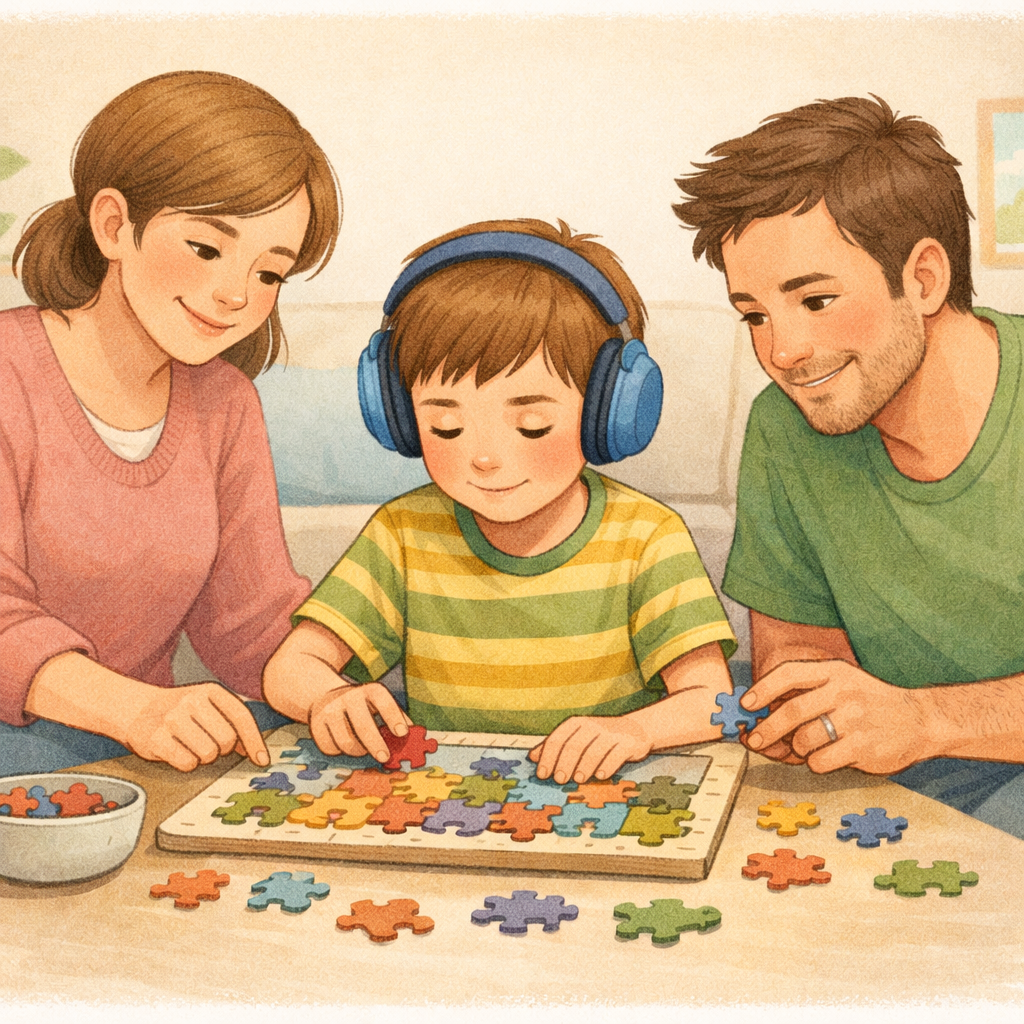
Finding the right support for ADHD and autism in Australia can feel like learning a new language. Here is a brief overview of how to navigate the system:
- The First Step (Your GP): Start by booking a long appointment with your General Practitioner (GP). Discuss your observations and ask for a referral to a paediatrician or a child psychologist/psychiatrist who specialises in neurodiversity.
- Medicare: Your GP can set up a Mental Health Treatment Plan (MHTP) or a Chronic Disease Management Plan. These plans provide Medicare rebates for a set number of sessions with allied health professionals, such as psychologists, occupational therapists (OTs), or speech pathologists.
- The NDIS (National Disability Insurance Scheme): Autism is a recognised condition under the NDIS. While ADHD alone is not currently a primary supported disability under the NDIS, the presence of autism means your child can access funding for therapies that support their overall developmental needs, including challenges exacerbated by their ADHD. An NDIS plan can fund vital supports like OT for sensory regulation, speech therapy for social communication, and psychology for emotional regulation.
- School Support: In Australian schools, you can advocate for an Individual Learning Plan (ILP) or an Individual Education Plan (IEP). Work with the school’s learning support coordinator to implement reasonable adjustments, such as allowing fidget tools, providing visual schedules, or offering alternative assessment methods.
Conclusion
Parenting a child with both ADHD and autism, which is a complex developmental disorder, is a unique, sometimes exhausting, but deeply rewarding experience. Your child’s AuDHD brain is capable of incredible creativity, deep empathy, and brilliant problem-solving. By understanding the push-and-pull of their dual diagnosis, you can move away from traditional parenting methods that don't work and instead build an environment where they feel truly understood and supported.
Remember, you do not have to navigate the Australian healthcare and education systems on your own. Building a support network of knowledgeable professionals and connecting with other neurodivergent families is crucial for your family's well-being, especially if you are dealing with issues related to autism spectrum disorder.
Are you looking for more support on your parenting journey? Reach out for a consultation or call daar at 02 9133 2500.
Frequently Asked Questions (FAQ)
What is the main difference when looking at autism vs ADHD?
When comparing autism vs ADHD, the core difference lies in the brain's primary drivers. Autism is largely characterised by differences in social communication, a strong need for routine, and sensory processing differences. ADHD and autism are distinct conditions, primarily characterised by a brain that is under-stimulated, leading to challenges with attention, impulsivity, and a constant search for dopamine and novelty.
Can a child have both ADHD and autism?
Yes, absolutely. In fact, autism ADHD comorbidity is very common. Research suggests that up to 50-70% of autistic individuals also meet the criteria for ADHD. When a child has both, they often experience an internal conflict between wanting strict predictability (autism) and craving constant change and stimulation (ADHD). There are several risk factors associated with these conditions that can impact the child’s development.
How do I get my child assessed for ADHD and autism in Australia?
In Australia, the diagnostic process usually begins with your GP, who will refer you to a paediatrician, child psychiatrist, or a multidisciplinary clinic. The assessment process involves interviews, observation, and standardised questionnaires (from both parents and teachers) to evaluate the presence of both conditions, ensuring appropriate intervention is available.
What are the best therapies for a child with autism ADHD comorbidity?
The best approach is neurodiversity-affirming, multidisciplinary support. This often includes Occupational Therapy (OT) to help with sensory processing and executive functioning, Psychology to assist with emotional regulation and anxiety, and Speech Pathology to support social communication and social interaction, as well as self-advocacy. Funding for these therapies can often be accessed through the NDIS or subsidised via Medicare.
.svg)




.svg)