
.png?width=48&height=48&name=Group%201%20(3).png)























7 January, 2026

Unlocking the Benefits of Speech Therapy for All Ages
Introduction
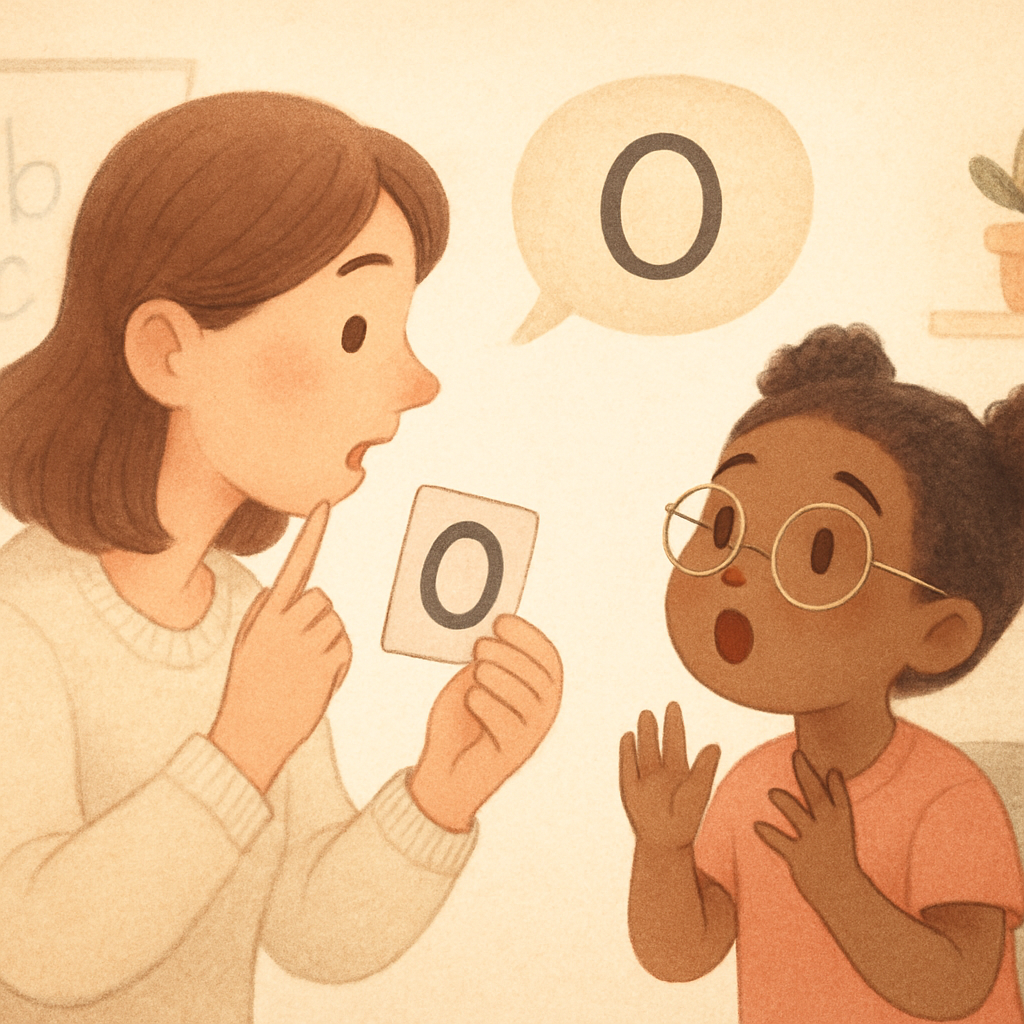
Welcome to the world of clearer communication! Speech therapy is a powerful tool that helps people of all ages overcome communication disorders and improve their ability to express themselves. Whether it’s a child learning to speak or an adult recovering from an injury, these services can make a significant difference. If you or a loved one faces challenges with talking or understanding language, learning about speech therapy is the first step toward a better quality of life and greater confidence.
Key Highlights
-
Speech therapy is an effective treatment for a wide range of speech disorders and communication challenges for all ages.
-
It helps improve communication skills, boosts self-esteem, and increases independence.
-
A speech pathologist assesses your needs and creates a personalized plan to improve your language development.
-
Therapy can address issues from childhood developmental delays to conditions in adults caused by stroke or brain injury.
-
Sessions involve various exercises, from play-based activities for children to skill-building exercises for adults.
Understanding Speech Therapy and Its Importance
Speech therapy is a specialized treatment that improves communication skills, helping you find your voice, understand others, and express yourself confidently. Many speech disorders result from medical conditions, which speech therapists are trained to address. While every case is unique, some individuals may notice improvement from speech therapy in just a few weeks, while others may require several months to achieve significant results, depending on the complexity of their condition and consistency with therapy sessions.
They also offer language therapy, an important part of the process. Knowing what this therapy involves and how it differs from other methods can help you appreciate its benefits. Let’s take a closer look. To become a speech pathologist, individuals typically need a master's degree in speech-language pathology, a state license, and certification from the American Speech-Language-Hearing Association (ASHA). Candidates must also complete supervised clinical hours and pass a national examination.
What Is Speech Therapy?
Speech therapy involves assessing and treating communication problems by speech-language pathologists (SLPs). It helps you improve speaking, language skills, and understanding others. Therapy includes exercises tailored to your specific needs, targeting skills like language development, memory, and problem-solving. This personalized approach addresses both speech production and language processing, building your confidence and abilities with professional guidance.
The Difference Between Speech Therapy and Language Therapy
People often mention "speech therapy" and "language therapy" together, but they are different. Speech therapy focuses on how we produce sounds and speak, helping with issues like mispronunciation or stuttering. Language therapy addresses how we use words to express ideas or understand others, assisting those who struggle with comprehension or forming sentences.
A speech-language expert first identifies the specific issue to create an effective treatment plan. Many people need help with both speech and language, so plans often cover both areas.
Who Can Benefit from Speech Therapy?
The simple answer is that almost anyone with communication disorders can benefit. Speech therapy helps people of all ages, from toddlers to seniors, by addressing a wide array of speech problems. There is no "best" age to start; the right time is whenever you or a loved one needs support.
Every individual has unique communication needs, and therapy is designed to meet you where you are. Let's look at how speech therapy can specifically help both children and adults overcome their distinct challenges.
Children—Early Signs and Red Flags
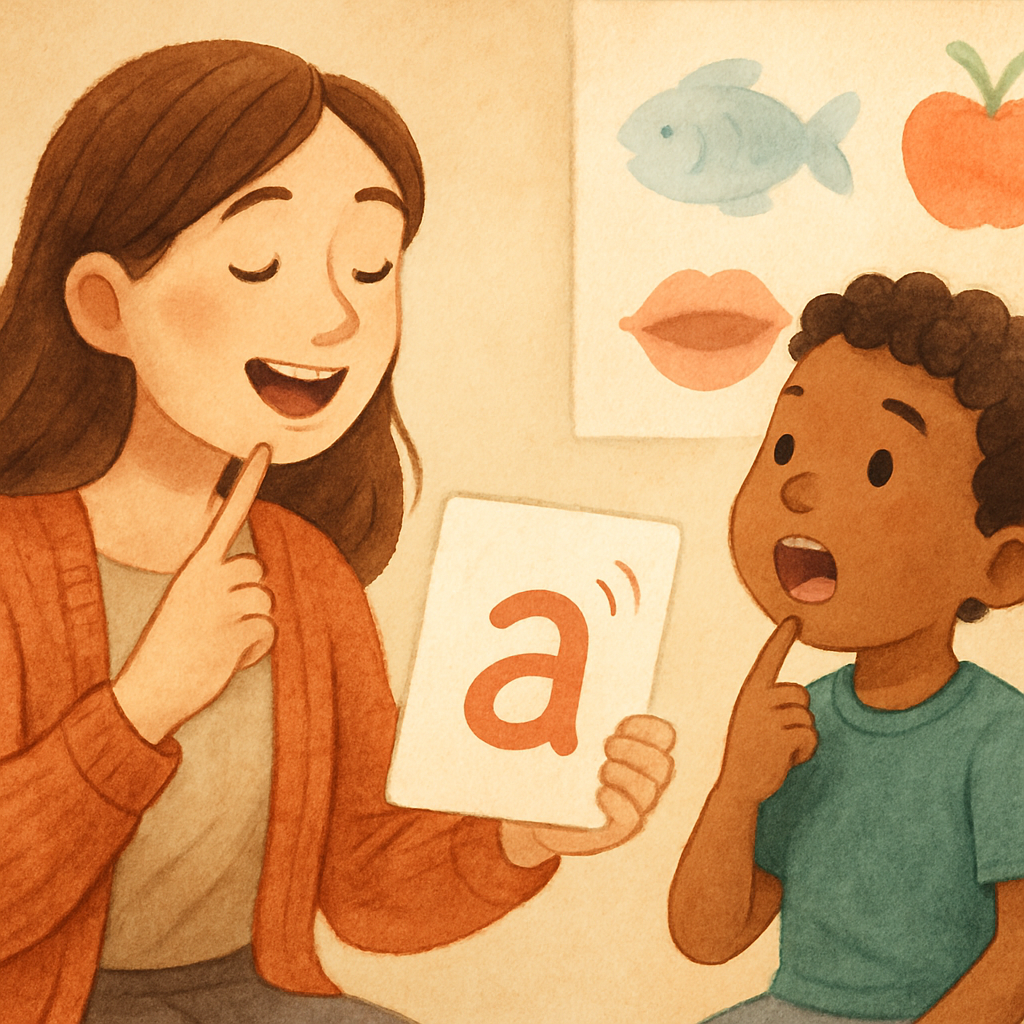
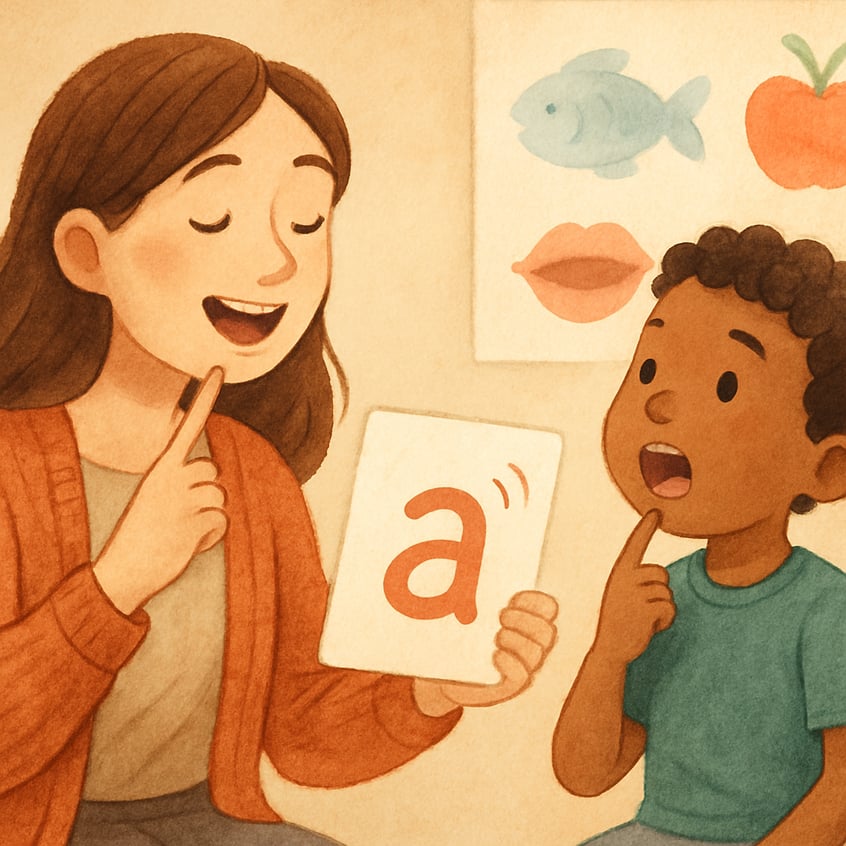
Early intervention is crucial for children with speech disorders or developmental delays. Pediatric speech therapy works best when started early and practiced at home. Parents should watch for signs such as:
-
Talking less than peers
-
Difficulty using words or understanding simple sentences
-
Frequent frustration when communicating
If you notice these signs, consult a speech-language pathologist. They use play-based activities to boost language skills, prepare your child for school, and build confidence.
Adults—Common Conditions Addressed
Speech therapy is highly effective for adults, especially those recovering from illness or injury. Many adults develop speech impairments after medical conditions affect brain areas responsible for communication. Therapy focuses on rebuilding and strengthening these skills.
Common reasons for adult speech therapy include:
-
Stroke
-
Traumatic brain injury
-
Neurological disorders (Parkinson’s disease, MS, ALS)
-
Hearing loss
Depending on individual needs, therapy may target speech clarity, language comprehension, or retraining swallowing muscles. These exercises help adults regain independence and improve quality of life.
Key Areas Addressed by Speech Pathology
A speech pathologist is trained to handle a broad range of communication disorders. Their work goes far beyond just correcting lisps or stutters. The field of speech pathology, recognized globally from the United States to Speech Pathology Australia, addresses everything from social communication to complex language disorders.
By working with a professional, individuals can significantly improve their overall communication skills. Let’s explore two key areas where speech pathology makes a major impact: overcoming social challenges and treating specific speech and language disorders.
Social Communication Challenges
Communication goes beyond words; it’s also about social interaction. Speech therapy helps people, especially autistic children and those with social communication challenges, develop essential social skills for building relationships.
Therapists use targeted strategies to teach conversational techniques and non-verbal cues, including:
-
Reading and using body language
-
Taking turns during conversations
-
Improving listening skills
-
Expressing thoughts and feelings clearly
Building these skills enables individuals to engage more confidently and form stronger social connections.
Treatment of Speech and Language Disorders
Speech-language pathologists treat a range of speech and language disorders. After an initial assessment, they choose the most effective approach, such as articulation therapy for sound production or fluency-shaping for stuttering.
These disorders can be developmental or result from medical conditions like cleft palate or neurological issues. Treatment is tailored to each individual.
Here are some common speech and language disorders:
|
Disorder Type |
Description |
|---|---|
|
Articulation Disorder |
Trouble forming certain sounds correctly (e.g., saying "wed" instead of "red"). |
|
Fluency Disorder |
Disruptions in speech flow, such as stuttering (blocked speech) or cluttering (rapid speech). |
|
Resonance Disorder |
Changes in voice quality due to blockages, often linked to cleft palate or swollen tonsils. |
|
Receptive Disorder |
Difficulty understanding others, leading to a limited vocabulary. |
What to Expect in a Speech Therapy Session
Starting speech therapy work begins with an assessment to understand your unique communication needs. A speech pathologist will identify your strengths and challenges to create a plan that addresses your specific needs. Each therapy session is designed to help you reach your personal communication goals.
Whether you are working on problem-solving skills, memory, or the physical mechanics of speech, the activities are tailored to you. Now, let’s take a closer look at the role of the speech pathologist and the techniques they use during a therapy session.
The Role of a Speech Pathologist
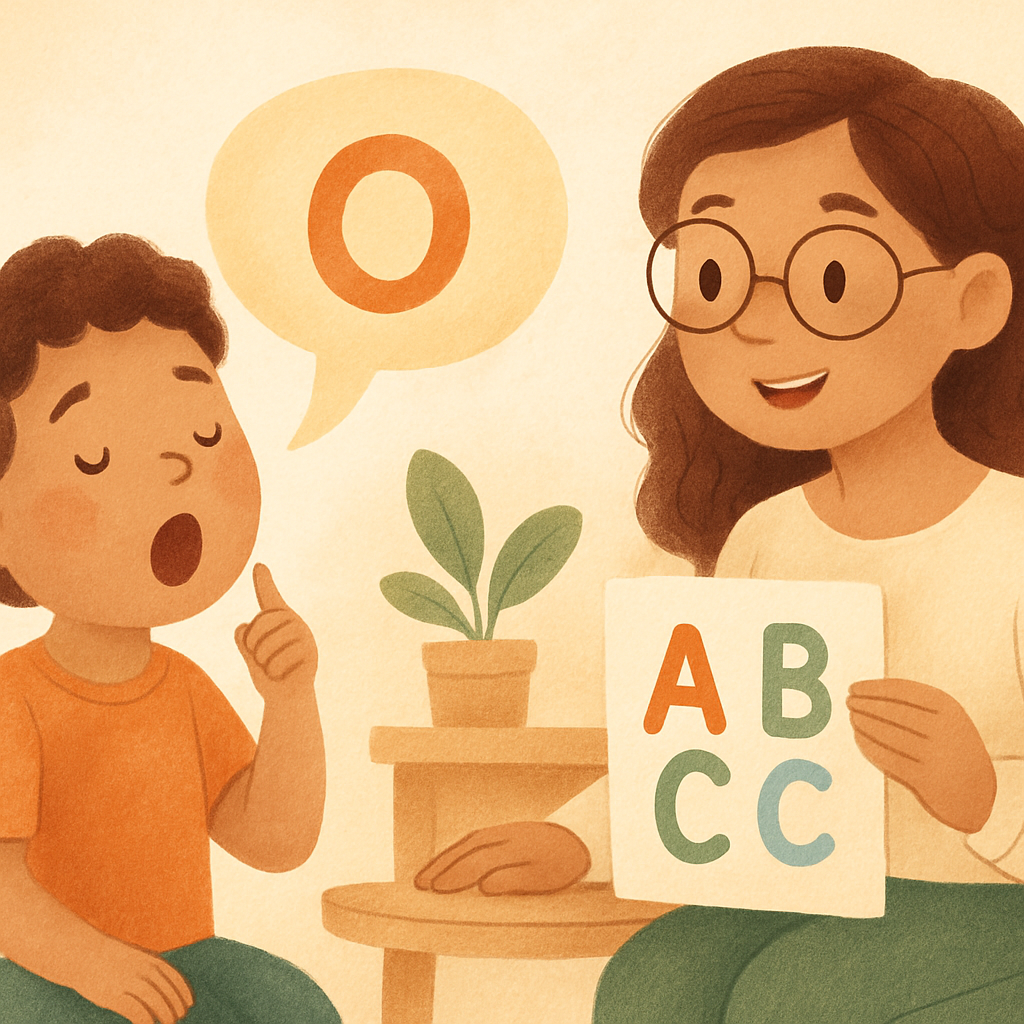
A speech pathologist (SLP) is a specialist who diagnoses and treats communication disorders. They guide you through speech therapy, from evaluation to achieving your goals, and create effective treatment plans.
In each session, the SLP assesses your disorder’s type and severity to determine the best approach. Then, they lead targeted exercises to improve your skills.
Services may include modeling correct sounds, teaching mouth and tongue exercises, and providing practice strategies for home. The goal is to help you communicate more effectively in daily life.
Techniques Commonly Used in Therapy
Speech therapists use various techniques tailored to a person’s age and disorder. For children, therapy often feels like play, using games and books in one-on-one or small group sessions to encourage language development.
For adults, therapy focuses on rebuilding practical skills after injury or illness, targeting speech, language, and cognitive communication. Both approaches aim to be engaging and effective.
Common techniques for all ages include:
-
Articulation therapy with tongue and mouth exercises to strengthen oral muscles
-
Voice therapy with breathing exercises to improve resonance
-
Reading aloud to connect brain and speech muscles
-
Word games and puzzles to boost memory and problem-solving
Conclusion
In summary, speech therapy offers invaluable support across all age groups, addressing a variety of communication challenges. Whether it's helping children overcome early speech delays or assisting adults in recovering from injuries or illnesses that affect their speech and language, the benefits are profound. With dedicated professionals guiding individuals through personalized therapy sessions, everyone can experience improvements in their communication skills and overall quality of life.
If you’re curious about how speech therapy can specifically benefit you or a loved one, don't hesitate to reach out a consultation or call daar at 02 9133 2500 and explore the possibilities.
Frequently Asked Questions
What are the common signs that someone may need speech therapy?
Common signs include difficulty producing certain word sounds, trouble understanding others, or having a limited vocabulary. If someone frequently gets frustrated with communication problems or seems uninterested in conversations, it may indicate underlying speech disorders or language disorders that could benefit from speech therapy.
How can speech therapy benefit children with language delays?
For children with language delays, pediatric speech therapy is key. Early intervention helps stimulate language development and improve communication skills through play-based activities. This form of speech therapy builds confidence, enhances school readiness, and sets a strong foundation for future success.
Are there specific techniques used in speech therapy for adults compared to children?
Yes, techniques are tailored by age. Children’s speech therapy often uses playful language intervention activities. In contrast, adult therapy focuses on rebuilding skills lost due to a medical condition, using exercises for memory, problem-solving, and voice therapy to address specific speech problems.
.svg)




.svg)