
.png?width=48&height=48&name=Group%201%20(3).png)























7 January, 2026

Discover the Benefits of Speech Therapy Today
Introduction
Have you ever wondered what speech therapy is and how it can help you or a loved one? It's a specialized treatment designed to improve your ability to talk and use language skills effectively. Whether a medical condition affects your speech or you're supporting a child's language development, therapy can make a significant difference. It helps you express your thoughts clearly, understand others, and ultimately enhances your overall communication skills for a better quality of life.
Key Highlights
-
Speech therapy helps both children and adults improve their communication and language skills.
-
It is an effective treatment for a wide range of speech disorders and communication disorders.
-
Therapy can assist with conditions resulting from developmental delays, stroke, brain injury, or neurological disorders.
-
Early intervention is highly beneficial for young children with speech or language challenges.
-
A qualified speech pathologist assesses your needs and creates a personalized treatment plan.
-
Evidence shows that speech therapy works to improve confidence and quality of life.
Who Can Benefit from Speech Therapy?
Speech therapy is for anyone, at any age, who faces difficulties with communication. Speech therapists are trained to support a wide range of communication needs, from minor speech challenges to more significant language delays. If you or someone you know struggles to express thoughts or understand others, a professional can create a plan tailored to your specific needs.
Both children and adults can find valuable support through speech therapy. The following sections will explore how this therapy is adapted for different age groups and their unique challenges.
Children and Early Intervention
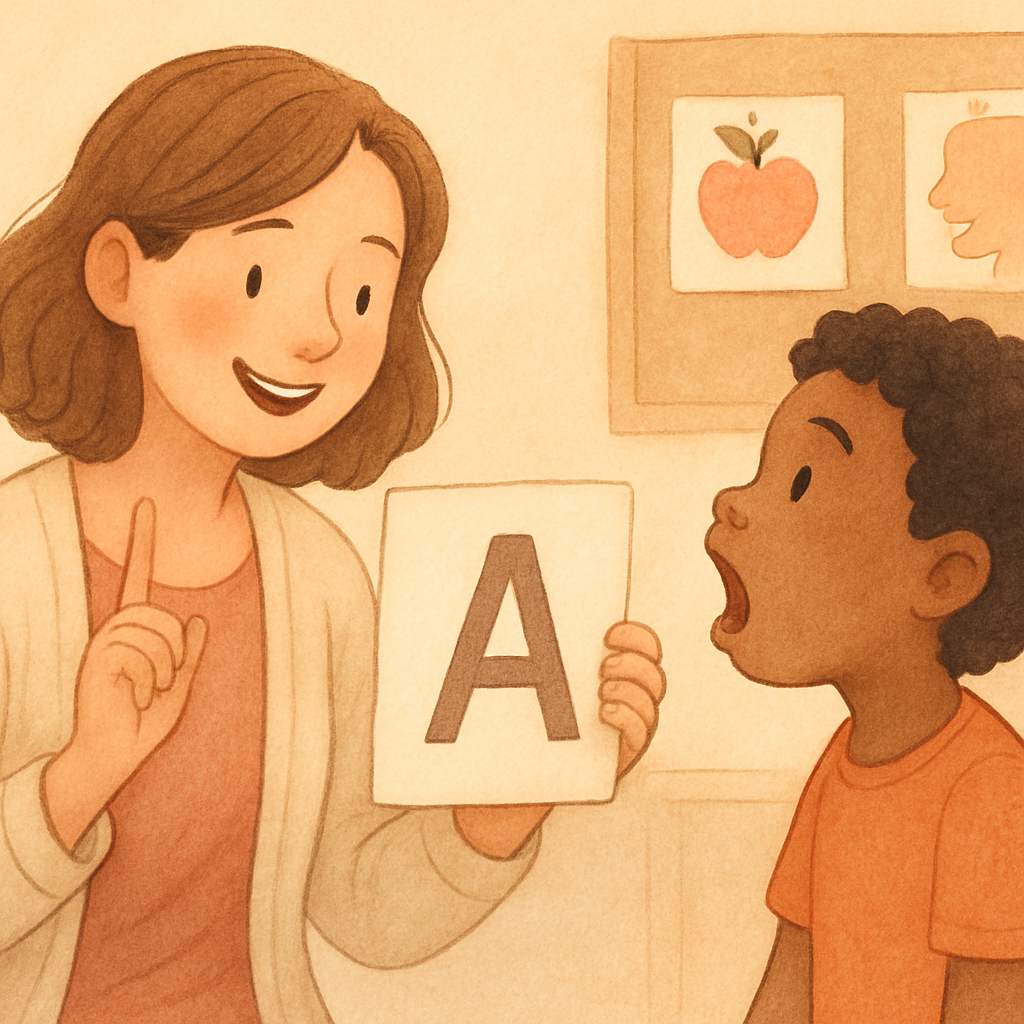
Early intervention is crucial for children with speech and language challenges. Pediatric speech therapy uses play-based activities, like board games and sequencing exercises, to make learning enjoyable and effective. This approach supports language development and essential communication skills.
If your child talks less than peers, avoids conversations, gets frustrated when communicating, struggles to follow directions, or misses speech milestones, consider seeing a specialist.
Starting therapy before age five yields the best results. A speech pathologist can assess your child’s needs and offer strategies for at-home practice to support progress.
Adults Seeking Speech or Language Support
Speech therapy isn’t just for children—it’s effective for adults, too. Many adults need therapy after conditions like stroke, brain injury, Parkinson’s disease, or ALS, which can affect speech muscles or language centers.
Adult speech therapy helps rebuild communication skills and improve quality of life. A speech pathologist will assess your needs and create a personalized treatment plan.
Therapy may involve exercises to strengthen mouth and tongue muscles, practice conversation strategies, or work on memory and problem-solving. The goal is to help you speak clearly and communicate confidently every day.
Common Conditions Speech Therapy Helps With
Speech therapy can address a wide variety of speech disorders and language disorders. These communication disorders can stem from developmental issues, neurological disorders, or physical impairments. For example, therapists help people with aphasia, which affects the ability to speak and understand language, and dysarthria, which involves weak speech muscles, causing slurred speech.
From articulation issues to fluency problems, a speech pathologist can diagnose the specific condition and guide you through the right treatment. Let's look closer at some of the common challenges that speech therapy helps manage.
Social Communication Disorders
Social communication disorders make it hard to use verbal and nonverbal language in social situations, affecting relationships and social development. Therapy is especially helpful for autistic children who struggle with social skills.
Speech therapists use targeted strategies like play and conversation to model appropriate interactions. Their goal is to teach understanding of social cues, turn-taking, and interpreting gestures or facial expressions.
Common strategies include:
-
Using pictures and books to discuss social scenarios
-
Role-playing conversations to practice skills
-
Modeling correct grammar and vocabulary in context
Receptive and Expressive Language Challenges
Language challenges fall into two main categories: receptive and expressive. Receptive disorders make it hard to understand what others say, such as following directions or processing conversations. Expressive disorders affect your ability to share thoughts or feelings, often leading to limited vocabulary or difficulty forming sentences.
Speech therapists use intervention activities to build both understanding and speaking skills. While speech therapy focuses on sound production, language therapy targets how you use and comprehend words to communicate.
Inside a Speech Pathology Session
Walking into a speech pathology session for the first time can feel a little mysterious. A speech pathologist is a university-trained professional who will work with you to identify and treat your communication needs. During a session, they use targeted speech therapy exercises and activities to help you make progress.
Whether in a private practice or a hospital, each session is designed to build on the last one. Let's explore what you can expect during an initial assessment and what kinds of techniques a therapist might use.
What to Expect During a Typical Assessment
Your first appointment with a speech pathologist will involve a thorough assessment. The main goal of this diagnostic process is to understand your unique communication needs, health history, and the challenges you're facing. The therapist will ask you questions about your difficulties and may perform some simple tests.
For children, this assessment might involve observing them play and talk. For adults, it could include tests for memory, problem-solving, and language skills. This helps the therapist determine the best course of action, whether it's articulation therapy or another approach.
The assessment is a key step in creating an effective treatment plan. Here’s a simple breakdown of what the process might include:
|
Stage of Assessment |
What It Involves |
|---|---|
|
Initial Interview |
Discussing your health history and specific communication concerns. |
|
Observation |
The therapist observes how you communicate in a natural setting. |
|
Formal/Informal Testing |
Using standardized tests or activities to evaluate language and speech skills. |
|
Goal Setting |
Collaborating with you to set achievable goals for therapy. |
Approaches and Techniques Used by Speech Pathologists
After the assessment, the speech pathologist creates a personalized treatment plan detailing specific techniques based on your age and disorder.
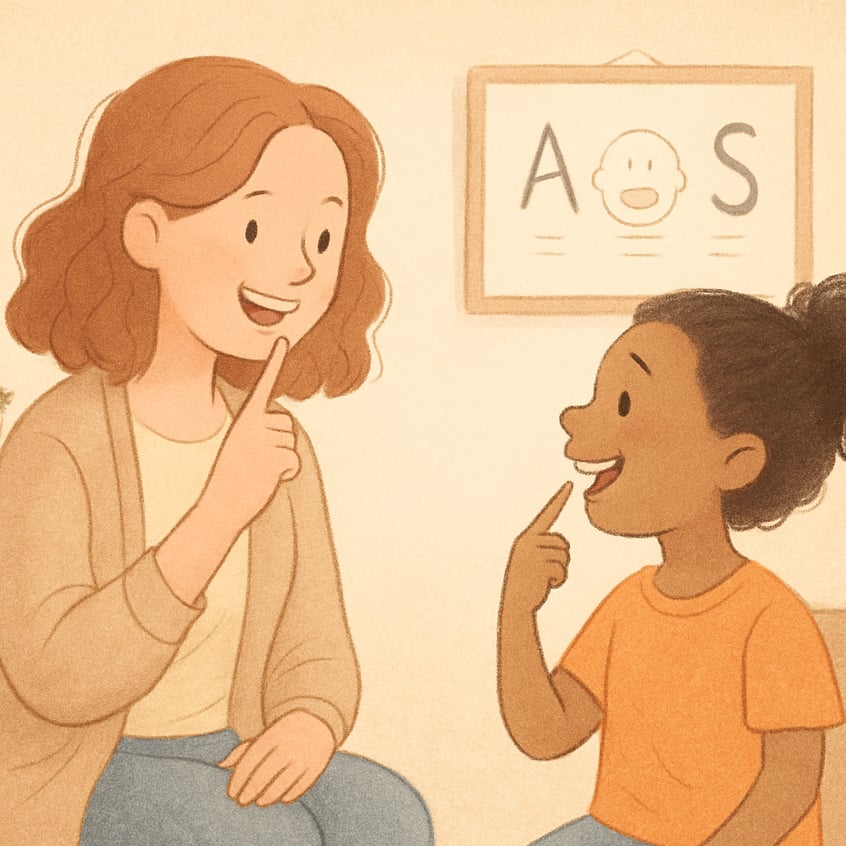
Articulation therapy teaches correct sound production, often by demonstrating tongue placement. Other exercises strengthen mouth muscles using the tongue and facial movements. Language intervention may use books, pictures, or play to boost language skills.
For adults with cognitive-communication issues, therapy focuses on memory, organization, and problem-solving. The therapist guides each session, offers feedback, and adjusts the plan as you progress.
Conclusion
In conclusion, speech therapy offers invaluable support for both children and adults facing various communication challenges. Whether it’s addressing social communication disorders or enhancing language skills, the benefits of engaging with a qualified speech pathologist can be transformative. By understanding what to expect during sessions and the techniques employed, you can feel more comfortable embarking on this journey. Remember, it’s never too late to seek help and improve your communication abilities.
If you're interested in discovering how speech therapy can make a difference in your life, don’t hesitate to reach out for a consultation or call daar at 02 9133 2500 today!
Frequently Asked Questions (FAQ)
What types of speech disorders can speech therapy address? Common issues include articulation disorders, fluency disorders, and neurological disorders such as those arising from traumatic brain injury or Alzheimer’s disease. How does a speech therapist develop a treatment plan? They assess individual communication needs through language intervention activities tailored to specific needs, providing effective treatment to enhance language skills and improve quality of life. Early intervention is often recommended, especially for young children facing developmental delays to foster social skills and communication abilities.
How long does speech therapy usually take to show results?
The time it takes to see results varies for everyone. It depends on your age, the type and severity of the disorder, and how frequently you attend a session. While speech therapy works, progress can be gradual. Consistent practice and an effective treatment plan will help improve your communication skills over time.
Are speech therapy services in Australia effective for both children and adults?
Yes, speech therapy in Australia is highly effective for people of all ages. Professionals working in hospitals, schools, and private practices are trained to address the communication needs of both children and adults. Speech Pathology Australia ensures that therapists meet high standards, so you can trust you're receiving quality care.
What qualifications do speech pathologists in Australia hold?
To become a speech pathologist in Australia, a person must complete a degree in speech pathology. Most are also Certified Practicing Speech Pathologists, which means they are members of Speech Pathology Australia. This ensures they meet high professional standards for diagnosing and treating communication disorders and are up to date with best practices.
.svg)




.svg)