
.png?width=48&height=48&name=Group%201%20(3).png)























7 January, 2026

The Role of Speech Pathology in Language Development

Introduction
Effective communication is the foundation of how we connect, learn, and express ourselves. When challenges arise, they can impact every aspect of life. This is where the field of speech pathology plays a vital role. By addressing communication disorders and supporting language development, speech pathologists empower individuals to build confidence and navigate the world more easily. This guide will explore how these professionals help people overcome barriers to communication and improve their overall well-being. To find a qualified speech pathologist in Australia, start by visiting the Speech Pathology Australia website, where you can search for certified professionals in your area. It's important to check for credentials and memberships in reputable organizations to ensure you choose a speech pathologist with the appropriate training and experience.
Key Highlights
Here are the key takeaways from this guide: A speech pathologist helps people of all ages with communication and swallowing challenges to improve their quality of life. Speech therapy is a specialized service that helps build confidence in talking, understanding, and social interactions. In Australia, there are university courses available for studying speech pathology, providing the necessary education and training to become a qualified speech pathologist.
-
A speech pathologist helps people of all ages with communication and swallowing challenges to improve their quality of life.
-
Speech therapy is a specialized service that helps build confidence in talking, understanding, and social interactions.
-
Effective language development is crucial, and pediatric care often focuses on early intervention for developmental delays.
-
Speech pathologists support a wide range of conditions, from stuttering and articulation issues to challenges from a brain injury.
-
Improving your communication skills can enhance social connections and everyday independence.
Understanding Speech Pathology and Its Importance in Language Development
Speech pathology is a healthcare field focused on diagnosing and treating communication and swallowing disorders. Speech pathologists help individuals improve communication skills essential for relationships and daily life. Their services benefit anyone with speech, language, or swallowing difficulties.
Through personalized therapy, clients can overcome these challenges and express themselves more clearly. Below, we’ll explore the specific roles of speech pathologists and the key differences in their services.
Defining Speech Pathology and Its Scope
Speech pathology is a specialized field focused on helping people with communication disorders. Speech-language pathologists (SLPs) assess, diagnose, and treat issues with speech, language, voice, fluency, and swallowing. They work in schools, hospitals, and clinics, often collaborating with other professionals to provide comprehensive care. In Australia and elsewhere, speech pathologists play a vital role in supporting individuals with disabilities toward greater independence.
To become a speech pathologist, you need an undergraduate degree—usually in science—followed by a Master’s in Speech-Language Pathology. Certification also requires completing a supervised clinical fellowship.
The Role of Speech Pathologists in Enhancing Communication
A speech pathologist, or speech therapist, helps people overcome communication challenges in settings like schools or private practice. Their main goal is to improve communication for all ages using proven, personalized techniques.
For children with communication difficulties, speech therapists work individually or in groups to build skills and confidence, creating customized treatment plans based on thorough evaluations.
Key ways speech therapists help include:
-
Improving fluency and articulation
-
Strengthening social communication skills
-
Helping regain abilities after stroke or brain injury
Key Differences Between Speech Therapy and Speech Pathology
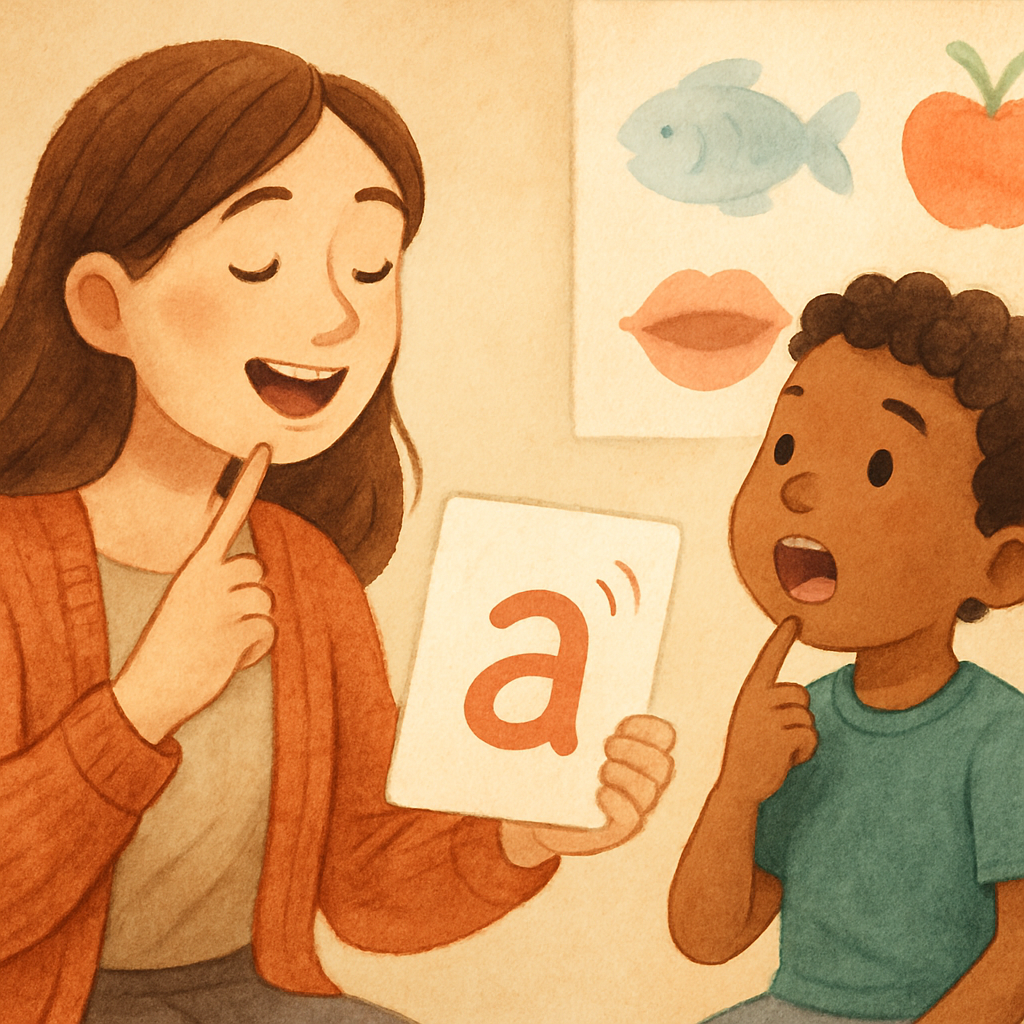
Speech therapy and speech pathology are often used interchangeably but have distinct meanings. Speech pathology is the broader field, covering assessment, diagnosis, and prevention of communication and swallowing disorders. Professionals with advanced degrees in this area are called speech pathologists. Speech therapy refers specifically to the treatment and rehabilitation services provided by these experts.
In short:
-
Speech pathology is the science and diagnosis ("what").
-
Speech therapy is the application and treatment ("how").
|
Feature |
Speech Pathology |
Speech Therapy |
|---|---|---|
|
Scope |
Evaluates, diagnoses, and plans treatment for communication disorders. |
Implements treatment plans and exercises to improve communication skills. |
|
Focus |
Identifies root causes of communication problems. |
Provides hands-on help to address specific challenges. |
|
Term |
Refers to the profession or field of expertise. |
Refers to specific service or treatment sessions offered by a speech pathologist. |
Who Can Benefit from Speech Pathology?
Speech pathology is for people of all ages who face challenges with communication. A speech pathologist can help everyone from infants showing signs of developmental delay to adults recovering from neurological conditions. If you or a loved one struggles with communication disorders, these services can make a significant difference.
By working to improve communication skills, speech pathologists help individuals build confidence and independence in their daily lives. The following sections will explore in more detail who can benefit from their help, including young children, school-aged adolescents, and adults with specific health conditions.
Infants, Toddlers, and Young Children
Early intervention is crucial for infants and young children with developmental delays. Speech therapists help build foundational skills in speaking, understanding, and social interaction. If your child isn’t meeting communication milestones, consider professional support.
Parents should seek a speech pathologist if their child struggles to understand language, lags behind peers in using words, or has trouble making friends. A speech pathologist can assess your child and develop an effective therapy plan.
Therapy often takes place at home or in kindergarten, helping children practice new skills in familiar settings. The goal is to lay a strong foundation for lifelong communication.
School-Aged Children and Adolescents
As children grow, their communication needs become more complex. For school-aged kids and teens, speech therapy supports academic success and social skills. Therapists help with reading, writing, and understanding classroom instructions—key for learning.
Speech pathology also helps children build and maintain friendships by improving social communication. Early intervention can prevent long-term issues affecting confidence and mental health.
Therapy focuses on real-life situations: joining conversations, expressing ideas clearly, and understanding social cues. Speech therapists give kids the tools to succeed at school and connect with peers, empowering them to participate fully in their communities.
Adults Facing Communication and Swallowing Challenges
Many adults pursue speech therapy to address communication issues caused by brain injuries, strokes, or neurological conditions like Parkinson’s disease. Speech pathologists help restore speech, language, and cognitive skills to improve effective communication.
They also treat swallowing difficulties (dysphagia), working with adults to strengthen muscles needed for safe eating and drinking. This support is essential for proper nutrition and enjoying meals with others, greatly enhancing quality of life.
Speech pathologists treat a wide range of adult conditions—from recovering after injury to managing chronic diseases—always tailoring therapy to individual needs. The goal is greater independence and confidence in daily life.
Common Conditions Supported by Speech Pathologists
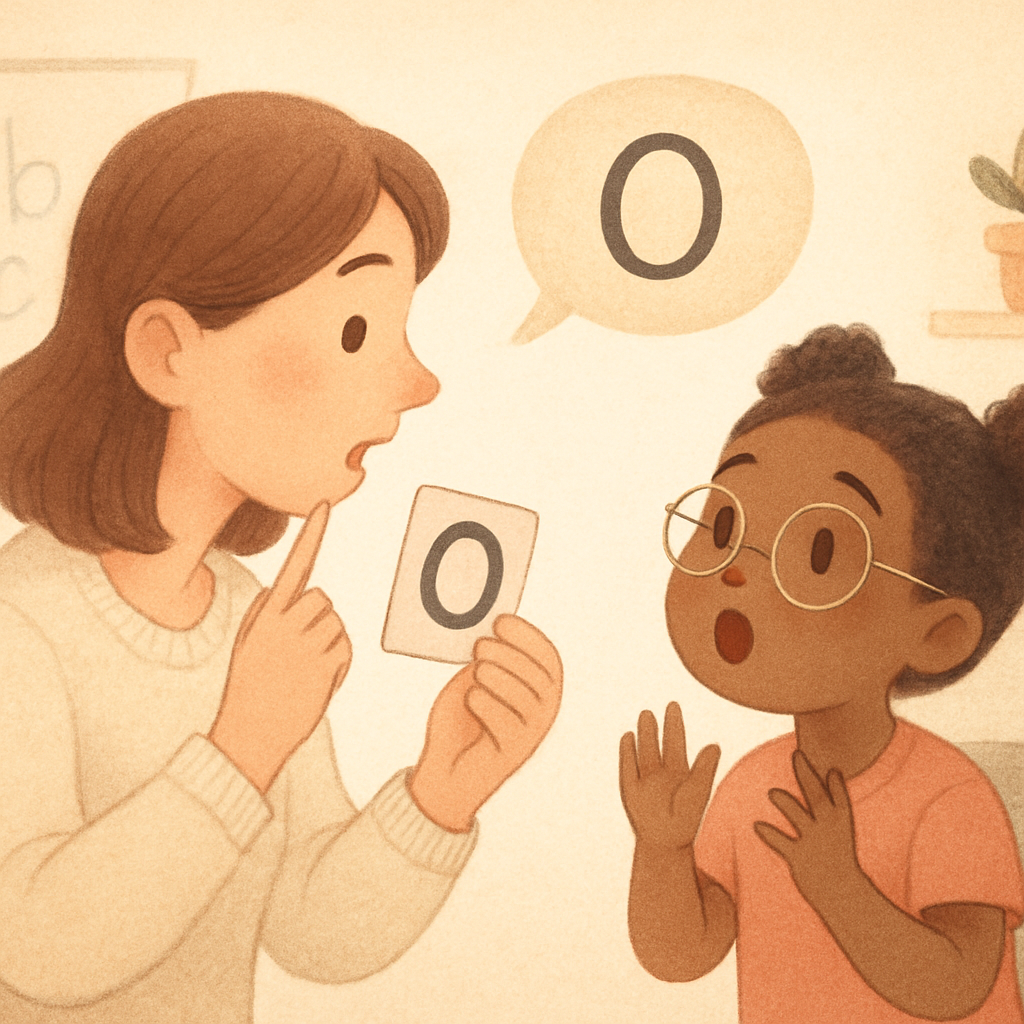
A speech pathologist is trained to support a wide variety of conditions affecting communication. From speech disorders that make it hard to pronounce words to language disorders impacting understanding, these professionals provide targeted interventions. Their work addresses everything from developmental delays in children to acquired issues in adults.
The main conditions treated by speech pathologists include childhood language issues, stuttering, and social communication disorders. Below, we’ll explore some of these common conditions in more detail and explain how a speech pathologist can help manage them effectively.
Childhood Language and Speech Disorders
Childhood is a critical time for language development, but some children face challenges along the way. Speech disorders can affect a child’s ability to produce sounds correctly, including articulation disorders where specific sounds are difficult to make. Another condition, childhood apraxia of speech, is a motor speech disorder where the brain has trouble coordinating the muscle movements needed for speech.
Language disorders, on the other hand, involve difficulty understanding or using words. This can include phonological disorders, where a child has predictable patterns of sound errors. How does speech pathology support children with language delays or disorders? A speech pathologist conducts a thorough evaluation to pinpoint the specific issues.
Based on this assessment, they create a personalized therapy plan with engaging activities to build skills. The goal is to improve how a child understands language and expresses their thoughts, giving them the tools for effective communication and boosting their confidence in social and academic settings.
Stuttering, Articulation, and Fluency Issues
Stuttering, articulation disorders, and other fluency issues can make speaking a frustrating experience. Stuttering is characterized by repetitions, prolongations, or blocks in speech, while articulation problems involve difficulty making certain sounds correctly. These challenges can impact a person's confidence and willingness to communicate.
So, how does speech therapy work, and what should you expect during sessions? The process typically begins with a comprehensive evaluation to understand your specific needs. From there, the speech pathologist creates a customized treatment plan with clear goals. Therapy sessions often involve exercises and activities designed to improve speech clarity and fluency.
In addition to direct therapy, voice therapy might be used to enhance vocal quality and strength. The therapist also tracks your progress and adjusts the plan as needed, ensuring you continue to build your communication skills. You will also learn strategies to practice at home, reinforcing the progress made during your sessions.
Social Communication and Pragmatic Language Disorders
What is social communication, and why is it important in speech pathology? Social communication refers to the use of language in social contexts. It involves understanding social rules, interpreting non-verbal cues, and adapting your language to different situations. For individuals with pragmatic language disorders or social communication disorders, these skills can be challenging.
Difficulties in this area are common among individuals with conditions like autism spectrum disorder. A speech pathologist can provide targeted support to improve these skills, making social interactions more successful and less stressful. This helps build stronger relationships and fosters a greater sense of connection with others.
Effective communication in social settings involves several key abilities, including:
-
Starting, joining, and maintaining conversations.
-
Understanding and using non-verbal cues like body language and facial expressions.
-
Telling stories and sharing information in a clear, organized way.
-
Adjusting your communication style for different people and places.
Conclusion
In summary, speech pathology plays a vital role in the language development of individuals across all ages. By addressing communication challenges early on, speech pathologists help enhance not only verbal skills but also social interactions and overall confidence. Whether it's supporting infants with early speech milestones or assisting adults facing communication difficulties, the impact of this field is transformative.
If you suspect that you or a loved one may benefit from speech pathology services, don’t hesitate to reach out for a consultation or call daar at 02 9133 2500 for professional support.
Frequently Asked Questions
What are the common signs that a child may need speech pathology services for language development?
Common signs include having a limited vocabulary for their age, difficulty following instructions, struggling to form sentences, or being hard for others to understand. If you notice these challenges, considering early intervention with a speech pathologist can lead to more effective communication and prevent future difficulties with language disorders.
How does speech pathology support children with language delays or disorders?
Speech pathology supports children by providing tailored speech therapy services. A therapist will assess communication difficulties, like childhood apraxia of speech, and create a plan to build vocabulary, improve language comprehension, and enhance expression. This targeted support is crucial for healthy language development and building confidence.
At what age should parents seek help from a speech pathologist regarding their child's language skills?
There is no wrong age to seek help, as early intervention is highly effective. If you have any concerns about your young child's communication skills, it is best to consult with a language therapist. A speech pathologist can provide an assessment and guidance, even for toddlers, to support healthy development.
.svg)




.svg)