
.png?width=48&height=48&name=Group%201%20(3).png)























6 March, 2026

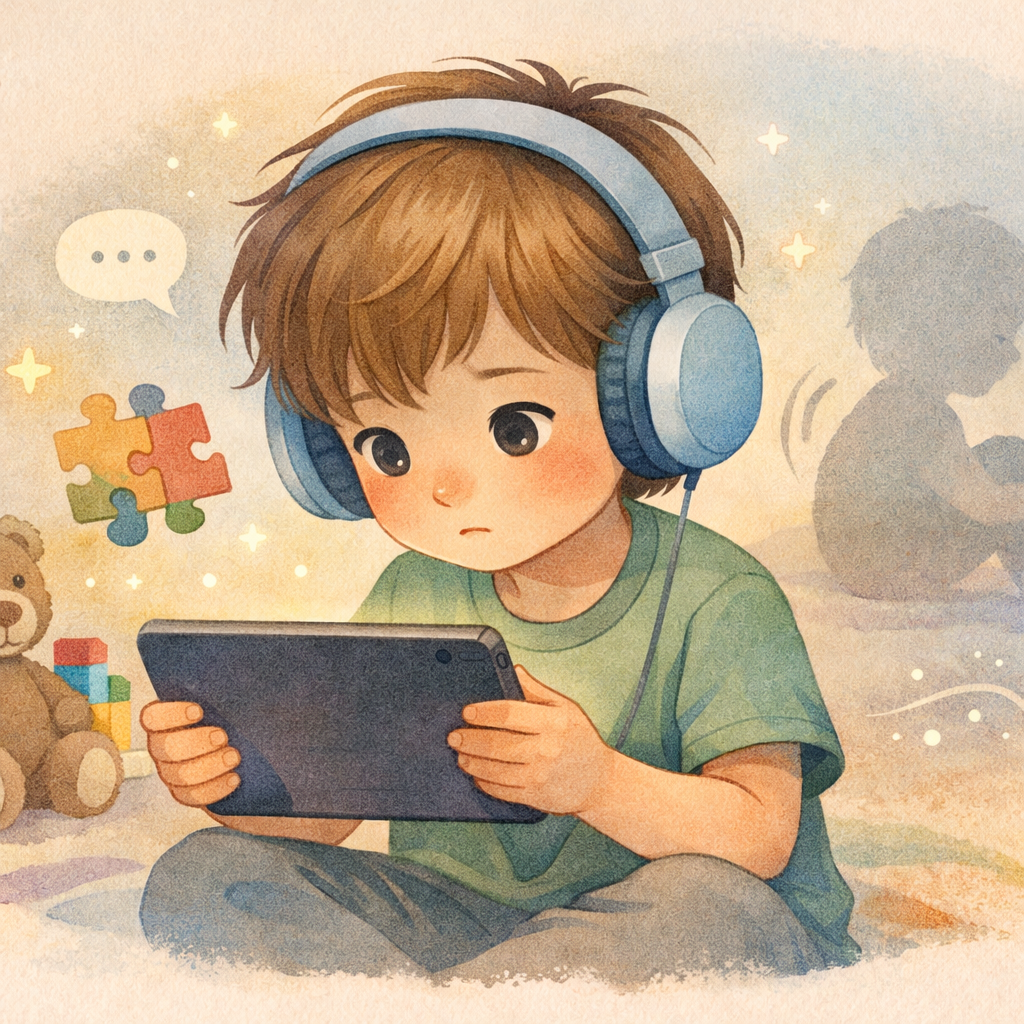
Screen Time and Autism: Balancing Benefits and Risks

Key Highlights
- For children on the autism spectrum, screen use can offer benefits like social connection and a predictable environment.
- However, excessive screen time poses risks, including addiction, sleep problems, and reduced focus for young children.
- Screen time can displace crucial real-world interactions necessary for developing social skills.
- Finding a healthy balance is key, rather than imposing strict time limits.
- Parents can help by observing online habits, setting routines, and encouraging alternative activities.
- Early screen exposure may be linked to a higher risk of autism-like symptoms.
Introduction
In today's digital world, screens are a part of everyday life for most families. When it comes to children with autism spectrum disorder, managing screen time can feel like a balancing act. While experts often warn about the dangers, screens can also play a positive role for neurodivergent kids. This article will explore the benefits and potential risks of technology use for children on the spectrum. We will provide insights to help you navigate this complex topic and support your child’s development in a healthy, balanced way.
Understanding Screen Time in the Context of Autism
For children with autism spectrum disorder, the role of screen use is often different from that of their neurotypical peers. Digital devices can provide a comforting and predictable space in a world that can sometimes feel overwhelming for neurodivergent individuals. They can offer unique opportunities for learning, connection, and self-regulation.
However, it's also important to acknowledge the potential vulnerabilities. Understanding both the positive aspects and the risks associated with digital devices is the first step for parents aiming to create a healthy balance for their child's specific needs. Let's look closer at what screen time means for children and how it presents differently for those with autism.
Defining screen time and its types for children
Screen time is any time spent using devices like TVs, tablets, smartphones, or computers. It’s important to consider not just how long your child spends on screens, but also what they’re doing.
Passive screen time means simply watching content, such as TV shows. Active screen time involves interaction—playing educational games, using learning apps, or video chatting with family. Social media adds another aspect to a child’s digital experience.
For autistic children, screen time can have both benefits and drawbacks. It can support learning and social connections but may also lead to issues like reduced attention, sleep problems, and behavioral challenges if not managed well. Both the content and context of screen use matter as much as the amount of time spent.
How autistic children commonly engage with screens
Autistic people often use screens to meet their unique needs. The predictable, controlled digital environment can offer relief from real-world sensory overload. Familiar games or shows help manage anxiety and provide comfort.
Screens also offer benefits like social connection without the stress of face-to-face interaction. Autistic children may find it easier to build friendships and social skills online, where they can connect with peers who share their interests.
Technology is a valuable learning tool as well. Educational apps, gamified programs, and virtual reality can teach life skills and foster talents such as coding or game design, opening up future career opportunities.
Distinctions between neurodivergent and neurotypical screen use
Neurodivergent and neurotypical children often use screens for different reasons. While many parents worry about screen time, digital media can help neurodivergent kids—such as those with autism or ADHD—regulate emotions and feel safe in an overwhelming world.
Neurotypical children may use screens mainly for entertainment. For neurodivergent kids, screens can also be a crucial way to connect socially, allowing them to build friendships online without the challenges of face-to-face interaction.
Because of these differences, one-size-fits-all screen time rules don’t work. For some neurodivergent children, a video game might help develop social skills; for others, it’s just play. The key is to consider what purpose screen time serves for each child.
Current Trends in Screen Time Among Autistic Children in Australia
Across Australia, screen time use among autistic children reflects global patterns, with digital devices being an integral part of their daily lives. The amount of screen exposure has become a significant topic of conversation for parents and healthcare professionals, especially concerning its impact on development.
Understanding these trends can help families make more informed decisions. Let's examine the popular devices and platforms these children are using, how their habits change with age, and what the statistics tell us about their screen time in the Australian context.
Popular devices and platforms used by autistic kids
Autistic children use a range of electronic devices, with tablets and smartphones being especially popular for their portability and educational apps. These apps teach skills like language and social etiquette in engaging, gamified ways.
Televisions provide entertainment and learning, while computers and gaming consoles become more common for older kids, offering opportunities to explore interests and interact online. Media multitasking—switching between games, videos, and chats—is frequent.
Parents should watch for risks such as:
- Cyberbullying: Neurodivergent children may face higher risks online.
- Risky Situations: Kids might not recognize scams or deceptive people.
- Addiction: Some platforms encourage compulsive use, affecting other aspects of life.
Age-specific patterns and screen habits
Screen habits change as children grow. For preschoolers, especially under age two, experts generally discourage screen time, except for educational content watched with a caregiver. At this stage, screen use is usually passive, like watching shows.
As children reach school age, screen time often becomes more interactive and independent. They may play video games, use educational apps, and explore videos related to their interests, leading to increased screen time.
By adolescence, screens are often used for social media, online gaming, and communication—especially for autistic teens who connect with friends this way. There’s no single “safe” amount of screen time; the American Academy of Pediatrics now recommends a personalized approach. The priority is to ensure screens don’t replace sleep, physical activity, or face-to-face interaction.
Screen time statistics relevant to the Australian context
While specific screen time statistics for autistic children in the Australian context can be hard to pinpoint, general data shows that most children exceed recommended guidelines. Many studies and systematic literature reviews indicate that children are spending more hours in front of a screen than ever before, a trend that includes those on the autism spectrum.
Research suggests that increased screen exposure is a widespread phenomenon. For example, some studies report that children often spend between five to seven hours a day on electronic devices. This high level of use has prompted discussions about creating balanced media plans for families.
Guidelines for balancing risks and benefits focus on a flexible approach rather than strict limits. The goal is to ensure screen time doesn't interfere with other crucial developmental activities. Here's a look at how screen time recommendations vary by age.
|
Age Group |
Recommended Daily Screen Time |
|---|---|
|
Under 2 years |
Avoid, except for video-chatting |
|
2-5 years |
No more than 1 hour of high-quality programming |
|
6 years and older |
Consistent limits, ensuring it doesn't displace sleep or activity |
Risks and Concerns of Excessive Screen Time in Autism
While screens can be beneficial, excessive screen time presents a number of negative effects for children with autism spectrum disorder. When screen use becomes a problem—interfering with hygiene, school, or relationships—it's time to pay attention. Over-reliance on screens can displace critical developmental activities that depend on face-to-face interaction.
This overuse increases the risk for a variety of challenges, from behavioral issues to developmental delays. Let’s explore the specific impacts on behavioral health, physical and cognitive development, and social well-being.
Impact on behavioral health and autism symptoms
Excessive screen time can worsen autism symptoms and impact behavioral health. Studies link high screen use to increased autism-like behaviors, even in typically developing children. For those with autism, it may intensify issues with attention and executive function.
When a child becomes so absorbed in screens that they neglect other important activities, it may signal a problem or underlying mental health issues like depression or burnout, with screens used as a primary coping mechanism.
Research also connects excessive screen use to a higher risk of screen addiction, especially in individuals with ADHD—often seen alongside autism. This cycle can make it harder to focus on other tasks, negatively affecting daily functioning and overall behavioral health.
Physical and cognitive development considerations
Excessive screen time poses several risks for children. It reduces physical activity, which is vital for overall health, brain development, mood, and learning.
Screen exposure also disrupts sleep. Blue light from devices interferes with melatonin production, leading to poor sleep quality that affects mood, attention, and cognitive development. Using screens before bed makes it harder for children to fall asleep and get proper rest.
Cognitively, too much screen time can shorten attention spans and hinder concentration. Studies suggest heavy early screen use may affect white matter development in the brain, impacting language and literacy skills.
Social isolation and emotional well-being challenges
Although screens can foster social connection, they can also lead to social isolation if they replace in-person interactions. Key developmental tasks for young kids rely on engagement with the real world. One of the main effects of excessive screen time is that it displaces these opportunities, potentially hindering the development of social communication skills.
Emotional well-being is another area of concern. Overuse of screens can affect emotional regulation and has been linked to lower levels of emotional understanding. Children may also be exposed to inappropriate content or cyberbullying, which can severely impact their mental health. Autistic children, who can be more literal thinkers, may find it harder to navigate the nuances of online interactions.
Here are some specific challenges to be aware of:
- Emotional Reactivity: Early TV exposure has been associated with more emotional reactivity and aggression.
- Depressive Symptoms: Certain screen activities, like video gaming, have been linked with more severe depressive symptoms.
- Vulnerability: Kids may not recognize when others are taking advantage of them online, leading to risky situations.
Early Screen Exposure and Its Influence on Autism Symptoms
The topic of early screen exposure and its connection to autism symptoms is gaining significant attention. For very young children, the first few years of life are a critical period for brain development. Some studies suggest that introducing screens too early could be one of several risk factors associated with developmental outcomes.
While it's important to state clearly that screen time does not cause autism, research is exploring whether it might influence the presentation of autism symptoms. Let's look at what studies say and how early screen use can affect language and attention.
What studies say about early screen introduction and autism risk
Several studies, including a recent systematic review, suggest a link between early screen exposure and autism-like symptoms. Research on platforms like Google Scholar shows an association: one study found that prolonged screen time at age one increased the risk of an ASD diagnosis by age three, especially in boys.
These findings indicate correlation, not causation. Early and extensive screen time may compete with developing social brain networks, displacing crucial face-to-face interactions needed for social and language development.
Another study found that earlier screen exposure raises the risk of ASD-like behaviors compared to later exposure. The first year is a sensitive period for neurological development, making young children more vulnerable to environmental influences like screen media.
Language development and attention in young children
The early years are crucial for language development, which relies on interactive conversations with caregivers. Excessive screen time reduces these exchanges and can hinder language acquisition.
Studies link high screen use in early childhood to weaker language skills. While educational content watched with a parent can help, passive screen time alone lacks the interactive feedback children need.
Too much screen exposure also affects attention and executive function. Fast-paced digital content makes it harder for kids to focus on real-world tasks. The American Academy of Pediatrics advises avoiding screen time for children under 18-24 months, except for video calls.
Parental awareness of early screen time impact
Increasing parental awareness of early screen use is essential. Many parents rely on screens to occupy their children, often due to busy schedules. While understandable, excessive screen time—especially in early childhood—carries risks.
A major concern is that screen time can replace important activities like interactive play, outdoor time, and face-to-face communication. This displacement can hinder healthy development.
Parents can reduce these risks with simple steps:
- Educate Yourself: Learn age-based screen time guidelines.
- Prioritize Interaction: Schedule daily screen-free play and conversation.
- Offer Alternatives: Encourage activities like reading, drawing, or playing outside instead of screens.
Managing and Reducing Screen Time: Strategies for Parents
Managing screen time is crucial for your child’s development. The goal isn’t to ban screens, but to use them intentionally and in balance. Parental controls can help, but teaching self-regulation is even more important long-term.
Set clear boundaries and encourage other activities to help your child develop a healthy relationship with technology. Let’s look at practical strategies for building routines, choosing social alternatives, and managing digital access.
Setting appropriate boundaries and routines at home
Creating structure around screen time is one of the most effective strategies for managing its use. Instead of setting arbitrary limits, collaborate with your child to establish predictable routines. This helps them know what to expect and reduces conflicts when it's time to switch off.
Provide clear warnings before screen time ends. Giving a five-minute heads-up allows your child to find a natural stopping point in their game or video, making the transition smoother. This respects their engagement while still maintaining the boundary. The goal is to help them learn to self-monitor rather than relying solely on you to enforce rules.
Here are a few tips for setting boundaries:
- Establish Tech-Free Zones: Designate certain areas, like the dinner table and bedrooms, as screen-free.
- Agree on Stopping Points: Work with your child to decide on a good place to stop, such as after finishing a level or an episode.
- Use Parental Controls: Utilize settings on devices to limit access to certain apps or set time restrictions, especially for younger children.
Alternative activities for autistic children
Encouraging screen-free activities is key to well-rounded development. These alternatives build social skills, boost executive function, and provide needed physical activity. Focus on your child’s interests and find ways to engage them offline.
If your child enjoys building video games, try LEGOs or construction toys. For specific passions, visit museums or find related books. Show them their interests can be explored beyond screens. Therapies like ABA can also use these interests for skill-building.
Alternative activity ideas:
- Get Moving: Swimming, hiking, or playing at the park.
- Creative Pursuits: Art, music, or drama.
- Hands-On Fun: Cooking, gardening, or science experiments.
Managing access to social media and digital platforms

Managing social media access requires open communication and careful monitoring, especially for autistic children who may struggle with social rules or recognizing risks. Talk to your child about online safety and what is appropriate to share.
Engage with your child by watching or playing together online. This helps you understand their activities, encourages conversation, and builds digital literacy. It’s more effective than imposing strict limits without explanation.
Parental controls can filter inappropriate content and manage screen time.
- Monitor Activities: Ensure your child interacts with safe, age-appropriate content.
- Set Clear Rules: Establish guidelines for interacting with strangers and sharing personal information.
- Use Privacy Settings: Help your child set strong privacy protections on their accounts.
Conclusion
In conclusion, balancing screen time is essential for the well-being of autistic children. By understanding both the benefits and risks, parents can make informed choices that support healthy development. Setting boundaries, encouraging other activities, and monitoring content can reduce negative effects while allowing for positive learning. Remember, every child is different—what works for one may not suit another.
If you have concerns about your child's screen time, contact our specialists for a consultation or call daar at 02 9133 2500 .Your child's health and happiness come first—take the next step today!
Frequently Asked Questions
How much screen time is safe for children on the autism spectrum?
There's no one-size-fits-all answer. The American Academy of Pediatrics has moved away from strict time limits, instead recommending a personalized media plan. For children on the autism spectrum, the focus should be on ensuring screen time doesn't interfere with sleep, physical activity, and social interaction, regardless of their years of age.
Are there situations where screen time can support autistic kids?
Yes, absolutely. Screen time can be very supportive for autistic kids. Educational apps can help build academic and life skills, while online communities can foster social communication and friendships in a low-pressure environment. For many, screens provide a predictable and calming space to regulate their emotions.
What guidelines exist for balancing screen time benefits and risks?
Guidelines for balancing the benefits and risks of screen time focus on a family-centered approach. This involves co-viewing content with your child, setting routines, establishing tech-free zones, and using parental controls. The main goal is to ensure technology use is intentional and doesn't displace other important developmental activities.
.svg)




.svg)