
.png?width=48&height=48&name=Group%201%20(3).png)























9 January, 2026

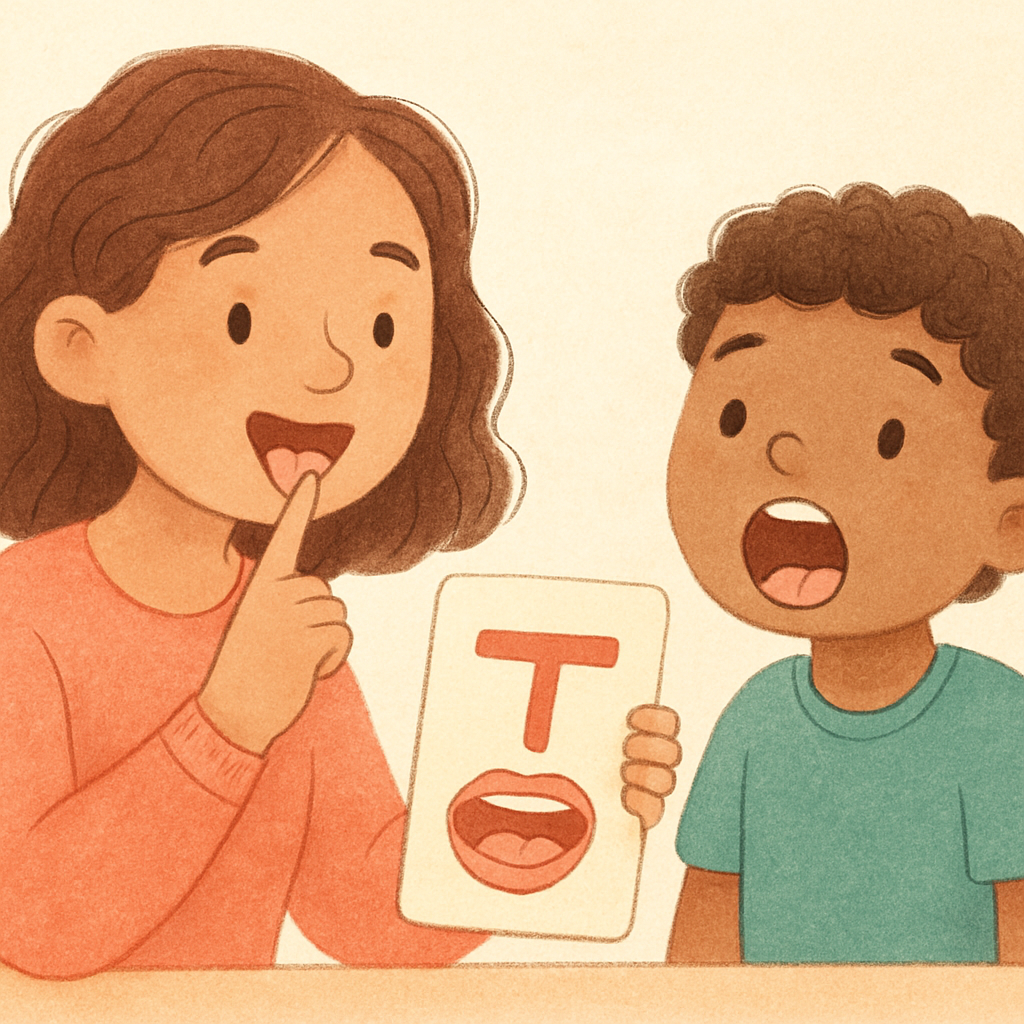
The Importance of Speech Pathology in Communication
Introduction
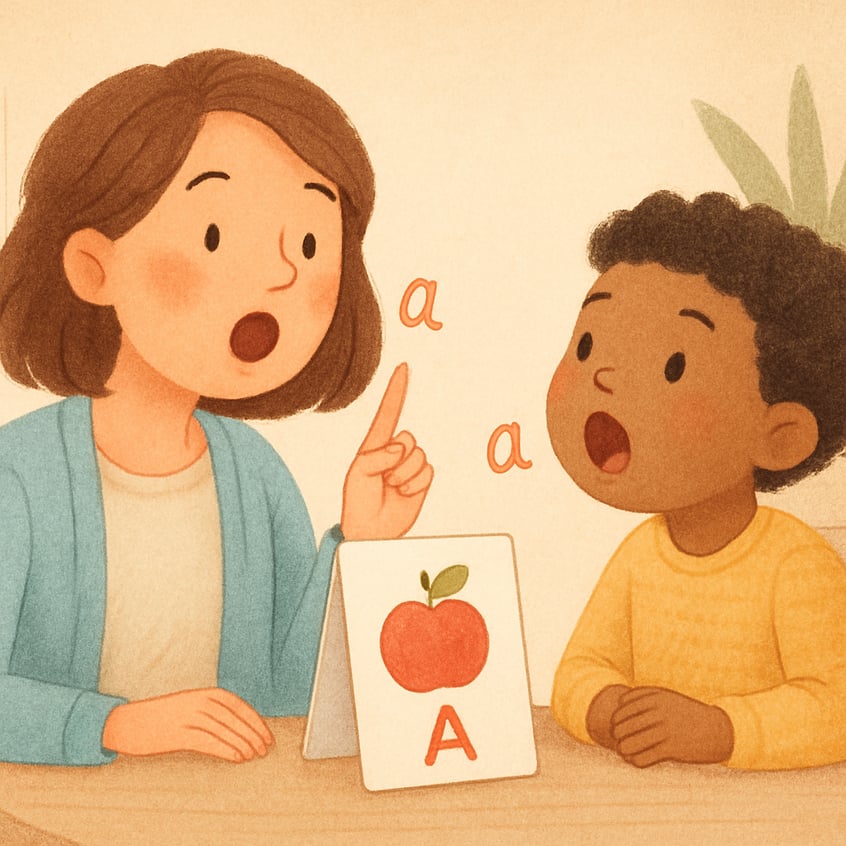
Welcome to the world of speech pathology, a field dedicated to helping people communicate more effectively. Communication is at the heart of how we connect with others, but various communication disorders can create significant barriers. Speech-language pathologists are specialists who assess and treat issues related to speech, language comprehension, and even swallowing. By improving these essential communication skills, they empower individuals to engage more fully with the world around them and enhance their quality of life. To become a speech pathologist, one typically needs to earn a master's degree in speech-language pathology, complete supervised clinical hours, and obtain licensure or certification depending on state requirements.
Key Highlights
-
A speech pathologist diagnoses and treats communication and swallowing issues for individuals of all ages.
-
Speech pathology services are vital for improving communication skills in people with speech disorders.
-
Early intervention in children helps address developmental delays and language difficulties effectively.
-
Therapy also supports those with conditions like autism spectrum disorder to enhance social communication.
-
Speech pathologists create individualized plans to help you achieve your therapy goals.
-
They work in diverse settings, including schools, hospitals, and private practices.
The Importance of Speech Pathology for Children
For children, effective communication is the foundation for learning, forming friendships, and expressing their needs. When a child experiences communication difficulties, it can impact their entire development. This is where early intervention with a speech pathologist becomes crucial for their future success.
A qualified speech pathologist can identify the root of a child's challenges and develop a targeted plan to build their language skills. By starting therapy early, you give your child the best opportunity to overcome obstacles and develop the confidence they need for social and academic achievement. If you are interested in pursuing a career in this field, there are university courses available for studying speech pathology in Australia, offered by many leading institutions.
Supporting Language Development and Overcoming Challenges
Speech pathology plays a pivotal role in supporting a child's language development journey. A speech pathologist can evaluate and diagnose various language disorders, whether they stem from developmental delays or conditions like a brain injury. They work to understand the specific hurdles a child faces in their communication.
Once a diagnosis is made, the focus shifts to creating therapies that build essential skills. This could involve exercises to improve expressive language, which is the ability to share thoughts and feelings. The goal is to strengthen the muscles and cognitive processes needed for clear communication.
Through personalized strategies, children learn how to structure sentences, expand their vocabulary, and communicate more clearly. This support helps them overcome challenges, ensuring they can participate more fully in conversations and learning environments, which is vital for their overall growth.
When to Seek Help for Children Facing Speech and Language Difficulties
Knowing when to seek professional help for your child can be difficult. However, when it comes to speech and language, early intervention is key. If you notice your child struggling to communicate compared to their peers, it might be time to consult a specialist. Addressing communication disorders early can prevent bigger challenges down the road.
Certain signs may indicate that your child could benefit from seeing a speech pathologist. These professionals are trained to identify a wide range of speech disorders, from stuttering to more complex conditions.
Consider seeking an evaluation if you notice your child has:
-
Difficulty being understood by others.
-
Trouble forming sounds or words correctly, which may be a sign of childhood apraxia of speech.
-
Challenges with social interaction, which can be associated with the autism spectrum.
-
A limited vocabulary for their age.
Key Areas Speech Pathologists Address
A speech pathologist is a communication expert who helps people of all ages with a wide range of communication problems. Their work isn't just about correcting a lisp; they diagnose and treat complex speech and language disorders, helping individuals regain or develop the ability to communicate effectively. Anyone who struggles to speak, understand language, or even swallow can benefit from their help.
These specialists work in various settings, from schools to healthcare facilities. In Australia, speech pathology professionals are vital members of healthcare teams. They address everything from articulation to voice issues, making a real difference in people's lives. Let's look closer at some of the specific conditions they treat.
Articulation, Fluency, and Voice Disorders
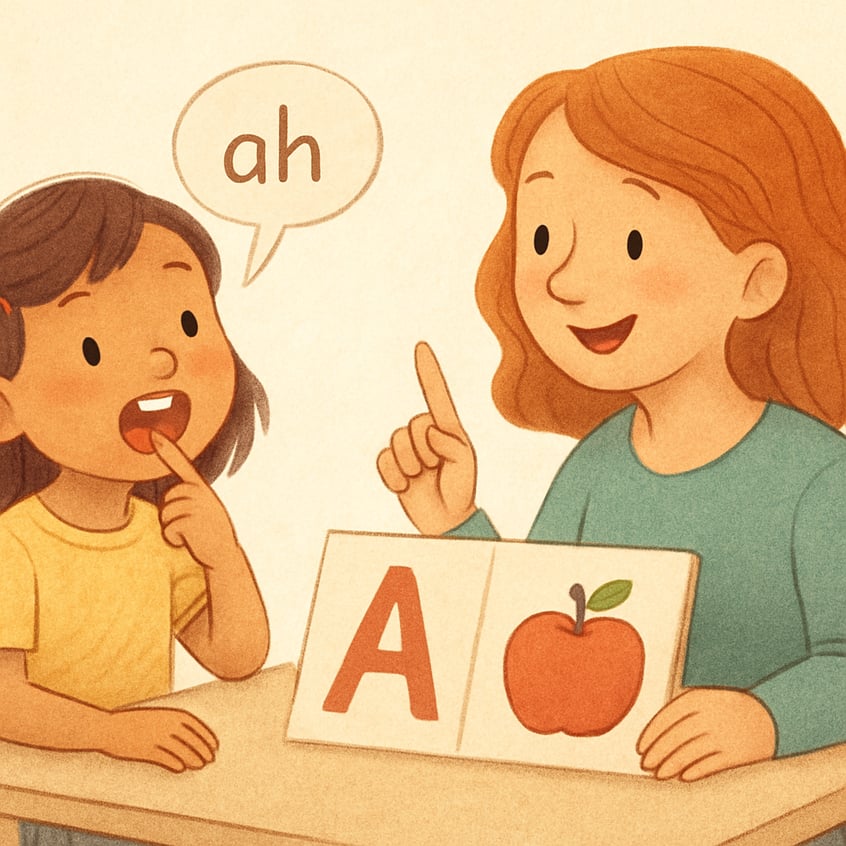
Speech pathologists treat a variety of conditions that affect how we produce sound and speak. An articulation disorder, for instance, involves difficulty controlling the muscles needed to form sounds correctly. They also address fluency disorders, such as stuttering, where the flow of speech is interrupted.
Voice disorders are another key area, involving issues with the vocal cords that can result from lesions, paralysis, or other conditions. In addition, speech pathologists help with resonance disorders, which disrupt sound waves due to physical issues like a cleft palate. Many of these problems can arise from neurological conditions, trauma, or developmental delays.
A speech pathologist can identify the specific type of disorder and create a targeted treatment plan. Here are some of the common speech disorders they address:
|
Disorder Type |
Description |
|---|---|
|
Articulation Disorders |
Difficulty controlling muscle movements to create proper speech sounds. |
|
Phonological Disorders |
Sounds are formed correctly but don't sound as they should. |
|
Resonance Disorders |
Disruption of sound waves due to conditions like a cleft palate. |
|
Fluency Disorders |
Conditions that make it difficult to speak smoothly, like stuttering. |
Autism Spectrum and Social Communication Skills Development
For individuals on the autism spectrum, developing social communication skills can be a significant challenge. Social communication is more than just words; it includes the verbal and nonverbal cues we use to interact in social settings. This is a crucial area of focus in speech pathology because it directly impacts one's ability to build relationships and navigate social situations.
A speech pathologist can help individuals with autism improve their social skills. Therapy often focuses on understanding nonverbal communication, like body language and facial expressions, as well as the unwritten rules of conversation. This support is vital for fostering meaningful connections.
Key areas of social communication skills development include:
-
Learning to take turns in conversation.
-
Understanding and using appropriate body language.
-
Recognizing humor and sarcasm.
-
Starting and maintaining conversations.
How Speech Therapy Sessions Work in Liverpool and Canterbury
If you're considering speech therapy services in Liverpool or Canterbury, you might be wondering what to expect. Sessions are typically held in schools, hospitals, or private practices and are designed to be supportive and goal-oriented. The first step involves a comprehensive assessment to understand your unique needs.
From there, the speech pathologist will develop an individualized plan just for you. They often work as part of a larger team that may include teachers or occupational therapists to provide holistic care. The process is collaborative, ensuring that your therapy is tailored to your specific communication goals.
Assessment, Goal Setting, and Individualized Plans
Your journey in speech therapy begins with a thorough assessment. During this initial phase, a speech pathologist will evaluate your speech, language, and communication abilities to diagnose any underlying issues. This is a critical step in the health care process, as it provides the foundation for your entire treatment.
After the assessment, the speech pathologist will work with you to set clear and achievable therapy goals. These goals are tailored to your specific needs and form the basis of your individualized plan. The plan outlines the strategies and activities that will be used to help you improve your communication skills.
The process is highly collaborative and designed to empower you. Key steps include:
-
An initial evaluation to diagnose disorders.
-
Identifying treatment goals for your therapy.
-
Designing and implementing individualized plans.
-
Regularly reviewing progress to adjust therapy goals as needed.
Techniques and Approaches Used in Therapy
Speech therapists use a wide range of evidence-based techniques to help individuals overcome communication challenges. The therapy approaches chosen will depend entirely on the person's specific needs and goals. The aim is always to find the most effective way to build skills and confidence in communication.
For some, therapy might focus on exercises to strengthen the muscles used for swallowing or speaking. For others, it could involve learning strategies to improve sentence structure or vocabulary. For those with severe communication difficulties, therapists may introduce augmentative and alternative communication (AAC) systems.
Therapy is dynamic and personalized, often incorporating a mix of activities. Common techniques include:
-
Teaching how to properly make sounds.
-
Training to improve voice quality or maintain fluency.
-
Using vocabulary improvement strategies.
-
Demonstrating how to use AAC devices.
Conclusion
In conclusion, speech pathology plays a vital role in enhancing communication skills, particularly for children facing challenges in language development. By addressing key areas such as articulation, fluency, and social communication skills, speech pathologists help individuals overcome obstacles that can hinder their ability to express themselves effectively. With personalized therapy sessions tailored to each child’s needs, families can feel confident in the support they receive. Prioritizing speech therapy not only fosters better communication but also promotes overall confidence and well-being.
If you're looking to improve your child's communication skills or have concerns, reach out today for a consultation or call daar at 02 9133 2500 and take the first step towards positive change.
Frequently Asked Questions
How Do You Find a Qualified Speech Pathologist in Liverpool or Canterbury?
To find a qualified speech pathologist, you can start by checking with Speech Pathology Australia, which maintains a registry of certified professionals. Many practitioners work in private practices, and you can often find them through online searches or referrals from your doctor. Look for certificate holders to ensure they meet national standards.
Why Is Social Communication an Essential Focus in Speech Pathology?
Social communication is vital because it governs how we interact with others. For individuals with communication disorders or those on the autism spectrum, difficulties in this area can lead to isolation. Speech pathology focuses on building these social skills to help people form relationships and navigate social situations successfully.
What are the common disorders that speech pathologists treat?
Speech pathologists treat a wide range of communication challenges. The most common include speech disorders like articulation issues, language disorders affecting comprehension, fluency disorders such as stuttering, and voice disorders related to the vocal cords. They provide solutions for these and many other conditions that impact communication.
.svg)




.svg)