
.png?width=48&height=48&name=Group%201%20(3).png)























9 January, 2026

Speech Pathology Explained: Techniques and Approaches
Introduction
Have you ever wondered what speech pathology is all about? It is a healthcare field focused on helping individuals with communication disorders. A speech pathologist, also known as a speech therapist, works to evaluate, prevent, and treat issues related to speech, language, voice, and swallowing. In places like Australia, these professionals play a vital role in helping people overcome barriers to communication, enabling them to connect more effectively with the world around them.
Key Highlights
-
A speech pathologist assesses, diagnoses, and treats a wide range of communication disorders.
-
Speech therapy services are available for people of all ages, from infants to adults.
-
Early intervention is crucial for children with developmental delays to improve their outcomes.
-
Therapy helps develop essential social skills, leading to more effective interactions.
-
The primary goal is to address communication challenges and improve overall quality of life.
-
Speech pathologists also treat swallowing disorders that can result from various health conditions.
Common Communication Challenges in Children
Children can face a variety of communication challenges, from speech disorders that affect how they produce sounds to language disorders that impact their ability to understand and use words. These difficulties can stem from developmental delays, hearing loss, or conditions like autism spectrum disorder. A speech pathologist is trained to identify and support children with these issues.
By addressing these communication difficulties early, speech pathology helps children build the foundational skills they need for academic success and social interaction. Whether a child has trouble with fluency or forming sentences, targeted support can make a significant difference. Let's explore how to recognize the early signs of these issues and when to seek professional help.
Recognising Early Signs of Communication Issues
Identifying potential communication problems early can pave the way for effective support. Parents and caregivers are often the first to notice that a child's language development may not be on track. Paying attention to certain milestones is a good first step in recognizing if there's a need for early intervention.
Some common indicators that your child might be facing challenges with their communication skills include a limited vocabulary for their age, difficulty following simple directions, or struggling to put words together into sentences. These signs can point to issues with either speech production or language comprehension.
You should watch for specific signs, which can vary by age. Consider if your child:
-
Is not babbling by 12 months.
-
Is not using single words by 16 months.
-
Has trouble being understood by others after age 3.
-
Struggles to make friends due to communication difficulties. Observing these patterns can help you decide if it's time to consult a professional about potential speech disorders.
When Should Parents Seek Support from a Speech Pathologist?
Deciding when to get help for your child's communication problems can feel daunting. However, if you have any concerns about your child's speech or language, it is always best to seek a professional opinion. A speech pathologist can provide a thorough assessment and determine if therapy is needed.
Many parents wonder if their child will simply "grow out of it." While some young children do catch up on their own, others require structured support to develop their skills. Waiting too long can sometimes lead to greater frustration for the child and more significant challenges down the road, especially in school settings.
You should consider seeking support if:
-
Your child shows significant frustration when trying to communicate.
-
Their teacher raises concerns about their language skills.
-
Their speech is noticeably less clear than that of their peers.
-
They seem to have trouble understanding what you say. Many speech pathologists work in private practices and are accessible for consultations to guide you.
Evidence-Based Techniques and Approaches in Speech Pathology
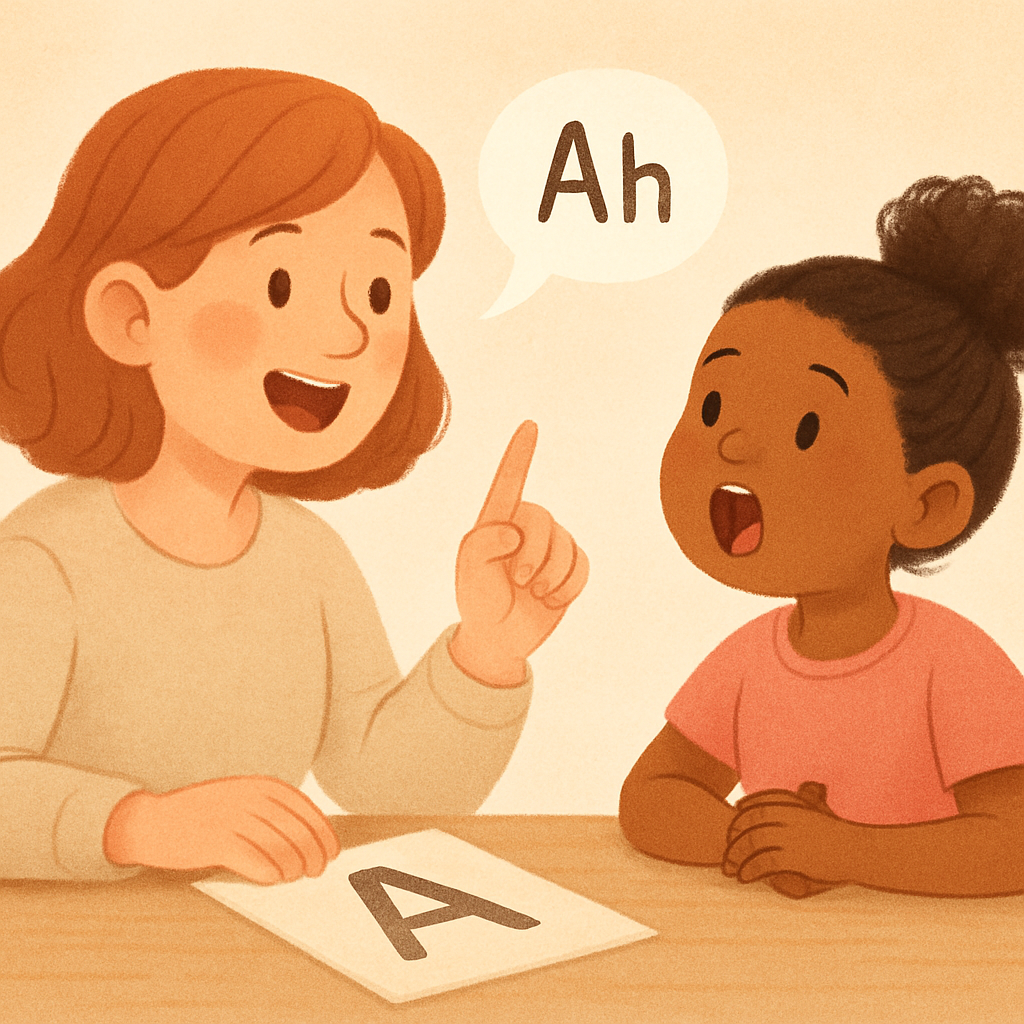
Speech pathology relies on proven, evidence-based methods to help individuals with communication disorders. A speech pathologist begins with a detailed assessment to understand the specific challenges a person is facing. This evaluation forms the basis for a personalized intervention plan, ensuring the selected techniques are right for their needs.
Whether it's for a child with autism spectrum disorder or an adult recovering from a stroke, the goal is to use targeted speech therapy to achieve meaningful progress. The following sections will detail how an assessment works and what therapy methods are commonly used to help patients.
Individual Assessment and Goal Setting
The speech therapy journey begins with a thorough assessment by a speech pathologist, who evaluates specific speech and language skills to identify the root cause of communication issues. Based on these findings, realistic goals are set in collaboration with you and your family, tailored to individual needs for everyday communication. This personalized approach focuses therapy on what matters most. Progress is tracked and plans are adjusted as needed to ensure effective treatment and improve overall quality of life.
Popular Therapy Methods Used in Australia
In Australia, speech pathologists, sometimes called language therapists, use a variety of therapy methods to address speech and communication disorders. The choice of method depends on the individual's specific diagnosis, age, and goals. These approaches are often playful and engaging for children, while for adults, they may focus on rebuilding specific skills.
Many speech therapists work as part of a multidisciplinary team, collaborating with professionals like occupational therapists to provide comprehensive care. This teamwork ensures that all aspects of a person's well-being are considered. For example, exercises to strengthen mouth muscles might be combined with activities that improve fine motor skills.
Here are some common areas of focus in speech therapy:
|
Disorder Type |
Therapy Focus |
|---|---|
|
Articulation Disorders |
Teaching how to produce sounds correctly (e.g., lisps). |
|
Fluency Disorders |
Helping manage stuttering through breathing and pacing techniques. |
|
Language Disorders |
Building vocabulary and improving sentence structure. |
|
Voice Disorders |
Improving vocal quality, volume, and pitch. |
Supporting Social Communication Development
Social communication involves more than just words; it includes nonverbal communication like body language, facial expressions, and understanding social rules. For many individuals, especially those with certain communication disorders, navigating social interactions can be difficult. These essential social skills are a key focus in speech pathology services.
Developing these abilities is crucial for building relationships, succeeding in school, and participating in daily life. A speech pathologist can teach practical strategies to help individuals interpret social cues and express themselves appropriately in different situations. Let's look at the specific skills practiced and their real-world applications.
Social Skills Practiced in Speech Pathology
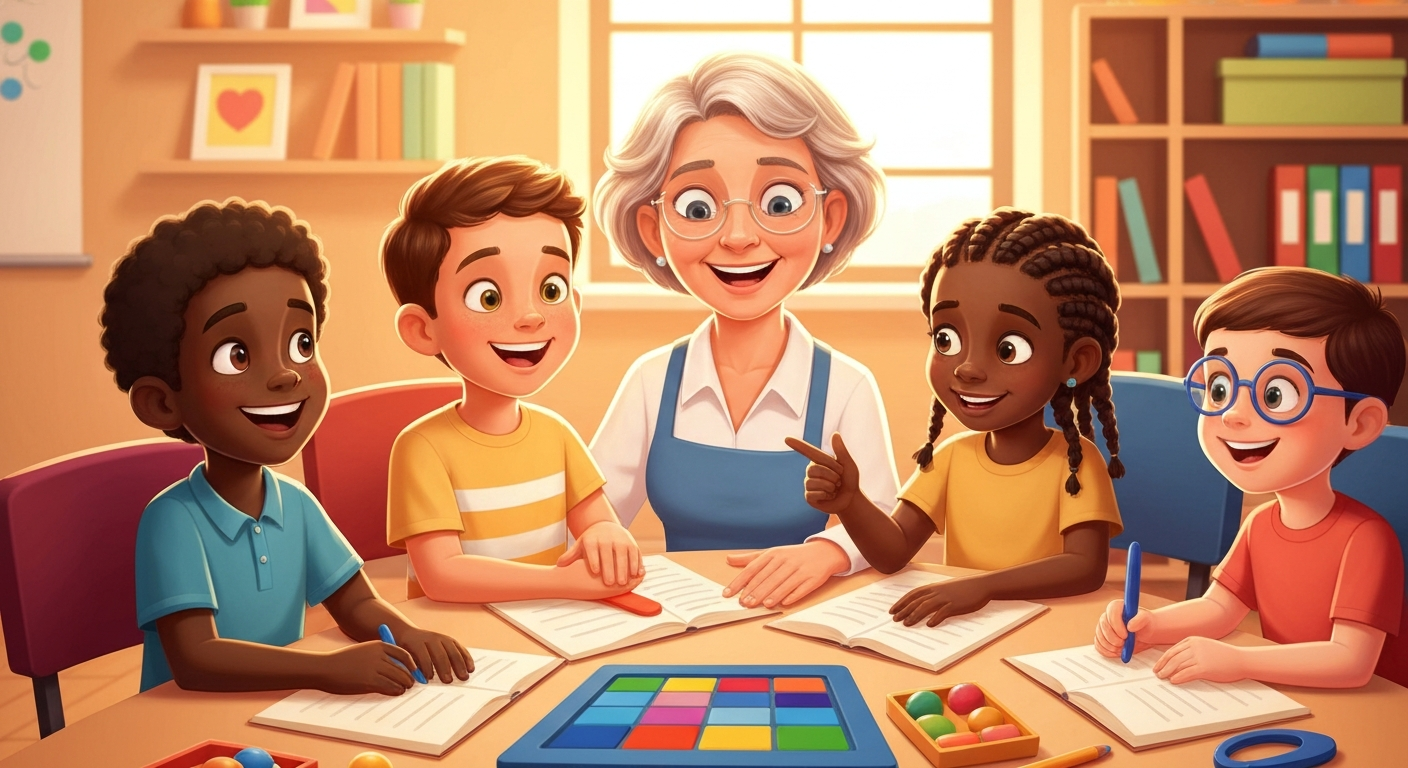
Speech pathology sessions often incorporate activities designed to build crucial social skills. For individuals with communication disorders, particularly those on the autism spectrum, learning how to interact socially is a fundamental part of therapy. These skills are essential for effective communication and forming connections with others.
A speech pathologist will work on a range of abilities, from understanding conversational turn-taking to interpreting nonverbal cues. The therapy is practical and aims to equip individuals with the tools they need to navigate social situations with greater confidence. This can involve role-playing, group activities, and guided conversations.
Key social skills that are often practiced include:
-
Starting and maintaining a conversation.
-
Understanding and using appropriate body language and eye contact.
-
Recognizing emotions in others.
-
Developing expressive language to share thoughts and feelings clearly. Mastering these skills helps individuals engage more successfully in their personal and academic lives.
Real-World Applications for Children in Liverpool and Canterbury
For children living in communities like Liverpool and Canterbury, the skills learned in speech therapy have direct, real-world applications. A speech pathologist helps children transfer their newly developed communication skills from the clinic to their daily life, whether at school, on the playground, or at home.
The goal is to make communication more natural and less stressful. For instance, a child who has been working on language development can better participate in classroom discussions or explain their ideas to a friend. These practical improvements are at the heart of effective speech therapy services.
Here are some real-world examples of progress:
-
A child confidently ordering their own snack at a local café.
-
Being able to join in a game with peers at a park in Liverpool.
-
Following multi-step instructions from a teacher in a Canterbury school.
-
Sharing a story about their day with their family. These everyday victories are a testament to the positive impact of speech pathology.
Conclusion
Understanding speech pathology is key to addressing children’s communication challenges. By spotting early signs and consulting a qualified speech pathologist, parents can support their child’s development. Evidence-based therapy tailored to each child ensures effective results, and real-world practice enhances learning.
For guidance or support, book a consultation or call daar at 02 9133 2500 to speak with a local speech pathologist in Liverpool or Canterbury to help your child’s communication journey.
Frequently Asked Questions
How do I find a qualified speech pathologist in Liverpool or Canterbury?
To find a qualified speech pathologist, you can search the directory on the Speech Pathology Australia website. You can also ask your GP for a referral or look for local private practices in Liverpool and Canterbury. Ensure the professional is a Certified Practising Speech Pathologist, as these certificate holders meet national standards.
What qualifications are needed to become a speech pathologist in Australia?
In Australia, healthcare professionals wanting to become a speech pathologist must complete an accredited university degree in speech pathology. After graduating, they need to register with Speech Pathology Australia to become a Certified Practising Speech Pathologist, which is similar to holding a certificate of clinical competence in other countries.
Are there Australian university courses for studying speech pathology?
Yes, numerous Australian universities offer accredited undergraduate and master's degrees in speech pathology and communication sciences. Eligible students can enroll in these programs to pursue a career in the field. Information on courses and entry requirements can be found directly on university websites or through Speech Pathology Australia.
.svg)




.svg)