
.png?width=48&height=48&name=Group%201%20(3).png)























12 January, 2026

Speech Therapy: Techniques for Improving Social Skills
Introduction
Welcome to the world of better communication! When you hear the term "speech therapy," you might think of correcting a lisp or a stutter. While that’s part of it, speech therapy offers so much more, especially when it comes to building strong social skills. Effective interaction is key to forming relationships and navigating daily life. This guide will explore how specialized therapy techniques can significantly boost your communication skills and confidence, paving the way for more meaningful social connections and language development.
Key Highlights
-
Speech therapy is an effective treatment for improving social skills in both children and adults.
-
A speech pathologist assesses communication challenges and creates personalized therapy plans.
-
Key techniques focus on conversation strategies, nonverbal cues, and understanding social rules.
-
Improving communication skills through speech therapy can help with social anxiety and build self-confidence.
-
Early intervention is crucial for children to support language development and social interaction.
-
Therapy addresses various conditions, including autism, developmental delays, and issues from a brain injury.
Understanding Speech Therapy for Social Skills
So, what exactly is speech therapy when it comes to social interaction? It is the assessment and treatment of communication problems, performed by professionals known as speech therapists or speech-language pathologists (SLPs). This therapy isn't just about the words you say; it’s about how you use them to connect with others. To become a speech pathologist, individuals typically need to earn a master's degree in speech-language pathology from an accredited program. Additional requirements include completing clinical hours, passing a national examination, and obtaining state licensure to practice.
The process involves using specific techniques to improve all aspects of communication. For social skills, this means focusing on both verbal and nonverbal cues to help individuals overcome communication disorders and interact more effectively in social settings.
The Role of Social Communication in Everyday Life
Your social communication skills affect nearly every aspect of daily life—from ordering coffee to workplace meetings. Strong abilities help you build friendships, advance your career, and feel more connected.
Many people struggle with social interactions, which can lead to misunderstandings or anxiety. Improving language and social skills benefits everyone, whether you have a communication disorder or simply want to be more confident.
Enhancing these skills lets you understand others and express yourself clearly. Effective communication involves listening, reading body language, and responding appropriately. Strong social skills are key to a successful, fulfilling life.
How Speech Therapy Works to Improve Social Interaction
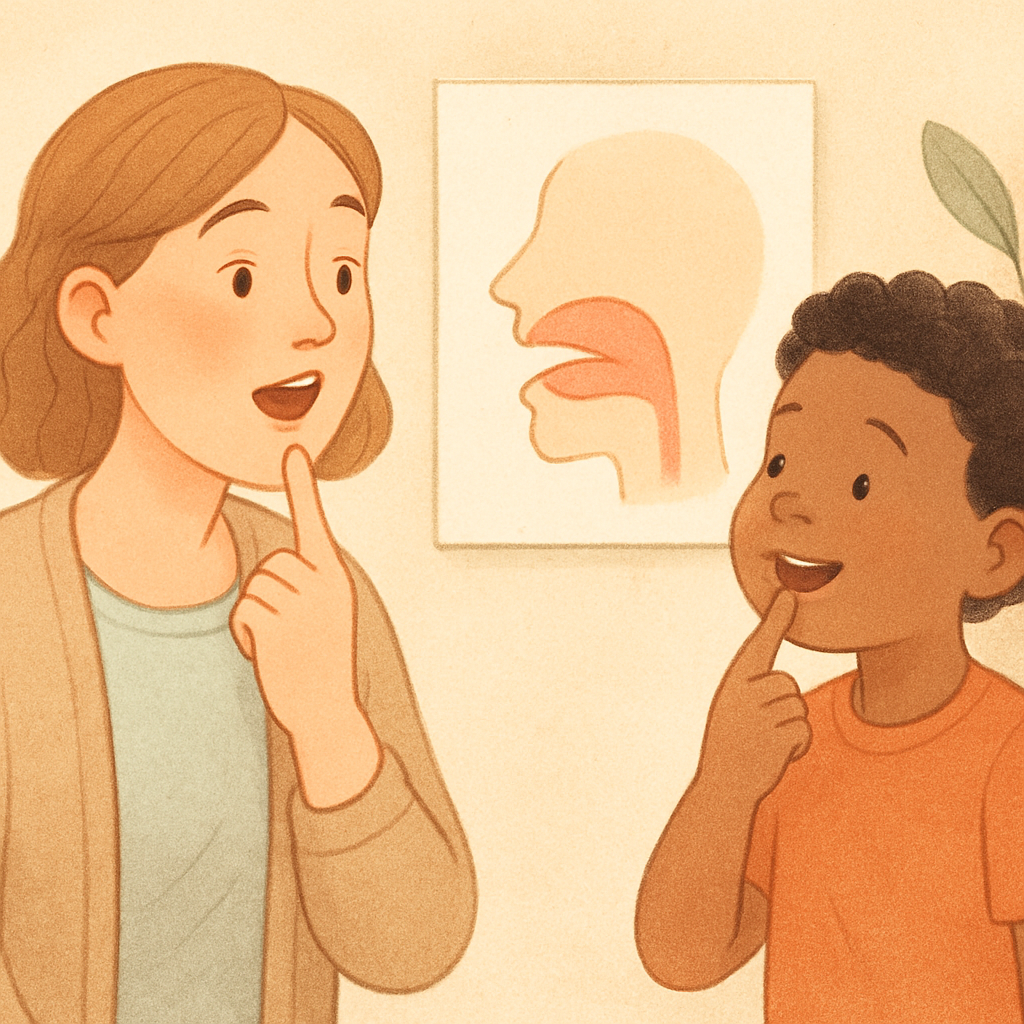
A speech pathologist transforms communication issues into confident social interaction through a personalized approach. First, they assess your unique needs and communication disorder, then create a tailored therapy plan.
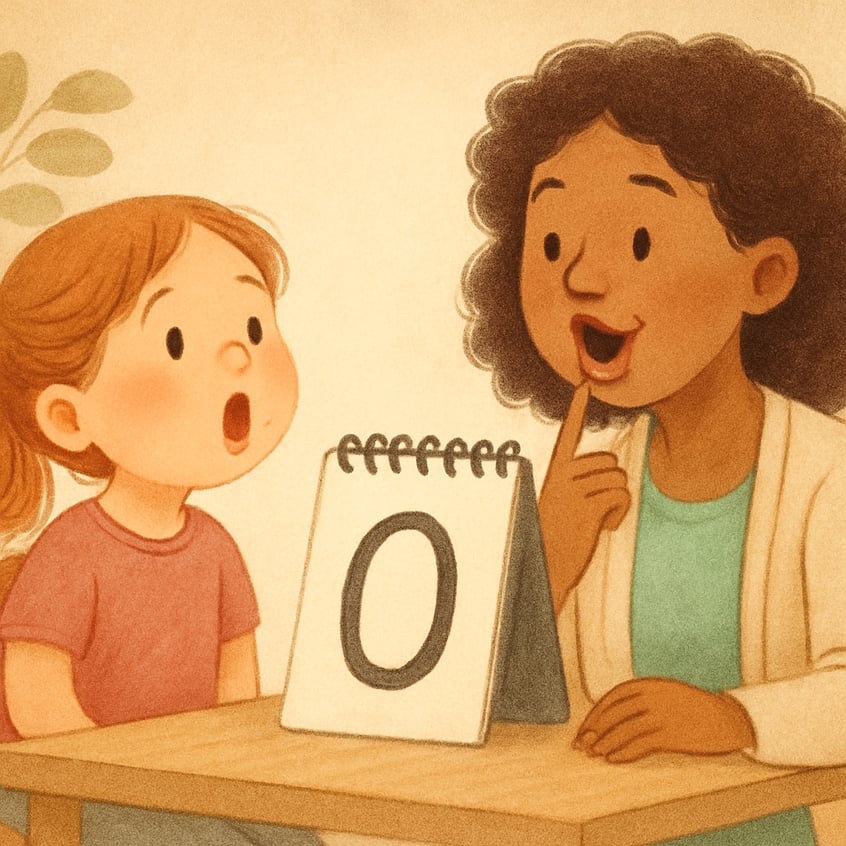
Sessions use targeted exercises—children might play games to encourage turn-taking, while adults practice conversation skills for work or social settings. The aim is always clearer, more natural communication.
Common strategies include:
-
Modeling correct sounds and phrases
-
Using books and pictures to spark conversation
-
Assigning practice activities for home
Common Conditions Addressed by Speech Pathologists
Speech pathologists are trained to help with a wide range of issues that affect communication. These can include speech disorders, where a person has trouble forming certain sounds, or language disorders, which involve difficulty understanding others or expressing thoughts. Conditions can develop in childhood or appear in adulthood after an illness or injury.
From fluency disorders like stuttering to cognitive-communication challenges after a brain injury, speech therapists provide crucial support. They help individuals overcome these hurdles to communicate more clearly and confidently. The following sections will look at a few specific conditions where social skills therapy is particularly beneficial.
Autism Spectrum Disorders and Social Skills Development
For autistic children and adults, developing social skills can be challenging. Speech therapy addresses the unique communication needs of autism by making social rules and cues clearer.
Early intervention is key; starting therapy young greatly improves a child’s ability to form relationships and navigate social settings. Therapists use evidence-based techniques to teach eye contact, reading facial expressions, and conversational turn-taking.
Every approach is personalized, focusing on individual strengths. By providing support, speech therapists help autistic children gain confidence in expressing themselves and connecting with others—building a foundation for lifelong social success.
Addressing Social Anxiety and Pragmatic Language Difficulties
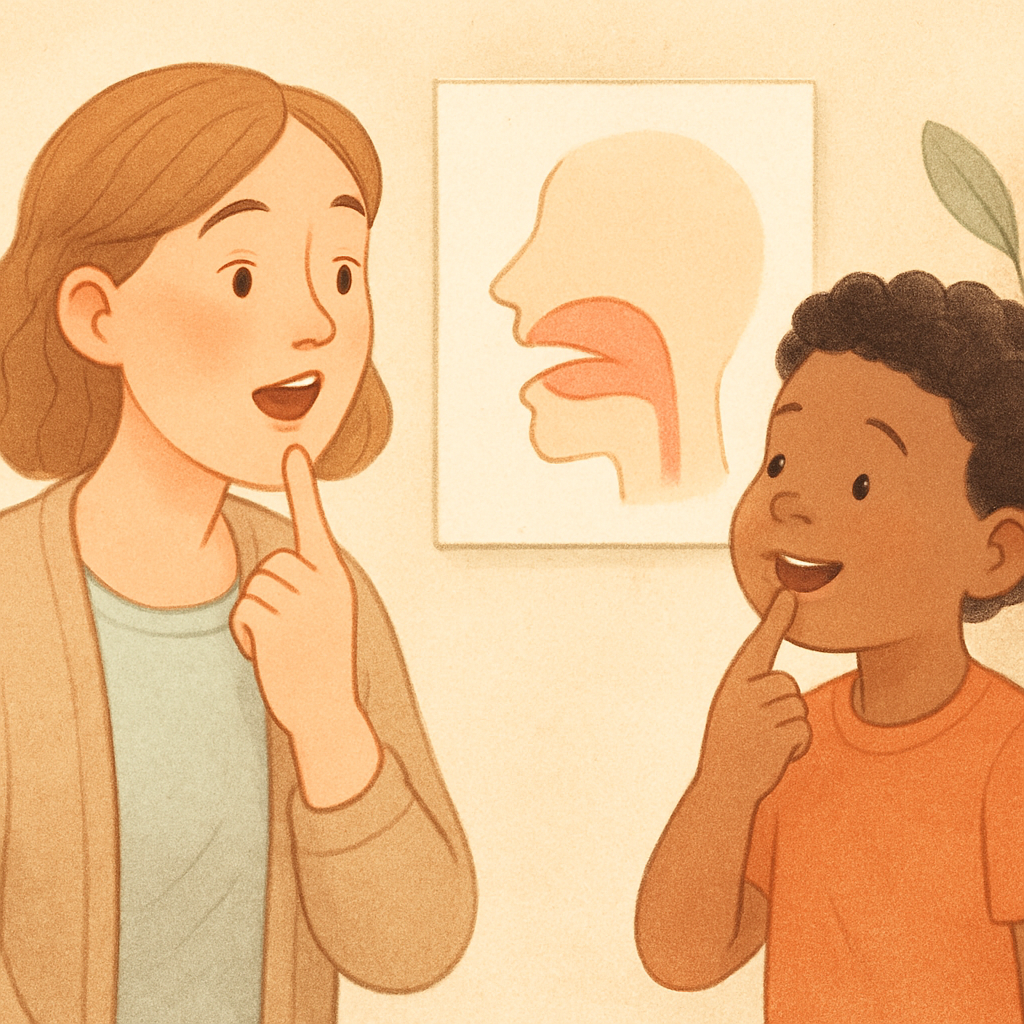
Does you or your child feel anxious in social situations? Social anxiety is often linked to pragmatic language difficulties—challenges in using language appropriately, such as staying on topic, understanding sarcasm, or reading nonverbal cues. Language therapy can help address these issues.
Parents may notice signs like a child seeming uninterested when others speak, struggling to follow directions, or having trouble making friends. These behaviors might indicate receptive or expressive language issues that a speech therapist can assess.
Improving specific communication skills through therapy builds confidence and reduces social anxiety. Targeted support fosters better social development and more positive interactions.
Core Techniques Used in Social Communication Therapy
Social communication therapy uses a variety of proven techniques to achieve its goals. A speech pathologist might use articulation therapy to improve the clarity of speech or introduce language intervention activities to build vocabulary and sentence structure. These methods are designed to be engaging and effective.
Therapy can be conducted one-on-one for highly personalized attention or in a small group setting, which provides a safe space to practice new skills with peers. A therapist carefully selects activities based on a person’s age, disorder, and specific goals to ensure the best possible outcome. Let's look at some of these strategies more closely.
Conversation Strategies and Nonverbal Communication
Effective communication goes beyond words. Speech therapy for social skills teaches practical conversation strategies and the importance of nonverbal cues. It’s about mastering the nuances of social interaction.
Therapists use role-playing to practice starting conversations, asking questions, and staying on topic, helping build confidence in social situations. A key focus is body language, which often communicates more than words.
Core areas include:
-
Taking turns speaking and listening
-
Recognizing emotions from facial expressions and tone
-
Using eye contact to show engagement
-
Understanding personal space and body language
Personalized Therapy Approaches in Canterbury and Liverpool
Whether you need speech pathology services in Canterbury, Liverpool, or a private practice, the best treatment is always personalized. Speech pathologists tailor therapy to each individual—there’s no one-size-fits-all solution.
After an initial assessment, your therapist creates a plan based on your specific goals. This could mean improving cognitive communication after an injury or working on social cues for a child with developmental delays. Therapy challenges you to grow without causing frustration.
Personalized sessions make every visit productive. Here’s how therapy can be customized:
|
Therapy Focus Area |
Example Activity |
|---|---|
|
Conversation Skills |
Role-play ordering food or joining group conversations |
|
Nonverbal Communication |
Use picture cards to identify emotions and body language |
|
Cognitive-Communication |
Play memory games and solve problems to boost organization and thinking |
Conclusion
In summary, effective speech therapy techniques can significantly enhance social skills, fostering better communication and relationships in everyday life. By understanding the nuances of conversation, nonverbal cues, and personalized strategies, individuals can build their confidence and engage more meaningfully with others. Whether addressing challenges from autism spectrum disorders or social anxiety, the right therapeutic approach can lead to profound improvements. If you’re ready to take the next step in enhancing your social skills, consider consulting with a speech pathologist who can provide tailored guidance and support.
Reach out today for a consultation or call daar at 02 9133 2500. Your journey towards better communication starts now!
Frequently Asked Questions
How long does speech therapy take to improve social skills?
The duration of speech therapy varies for each person. It depends on factors like age, the severity of any developmental delays, and the frequency of sessions. With consistent practice and early intervention, many individuals see significant improvement in their social and communication skills over time.
Is speech therapy effective for adults as well as children?
Yes, absolutely. Speech therapy is highly effective for people of all ages. While it helps children with developmental speech disorders, speech pathologists also work with adults who have experienced a brain injury or stroke. The goal is always to improve communication abilities and enhance their quality of life.
What is the difference between speech therapy and language therapy for social skills?
Speech therapy often focuses on articulation therapy—the physical act of producing sounds. Language therapy, on the other hand, deals with understanding and using language skills to communicate, such as vocabulary and sentence structure. Both are critical components used to treat communication disorders and improve social abilities.
.svg)




.svg)