
.png?width=48&height=48&name=Group%201%20(3).png)























9 January, 2026

Transform Lives: The Power of Speech Therapy
Introduction
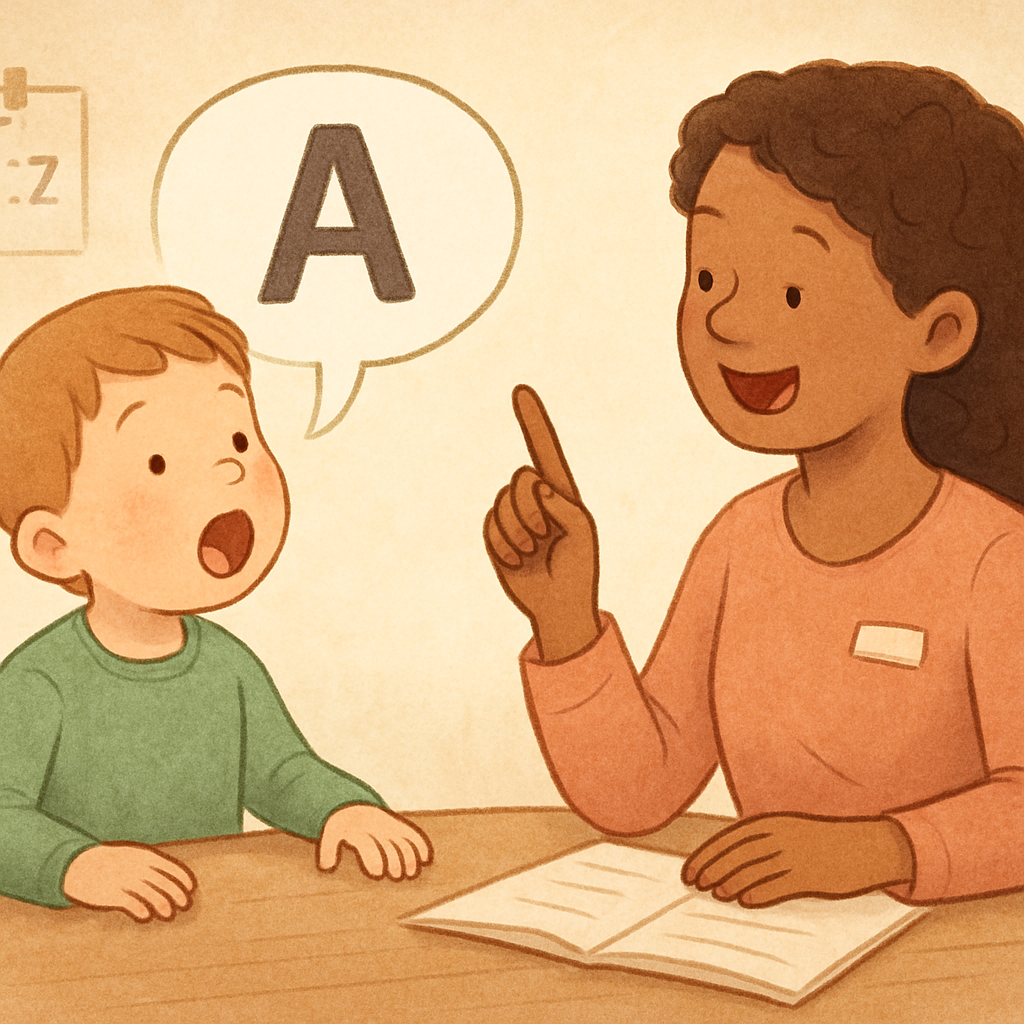
Have you ever wondered what speech therapy is all about? It’s much more than just helping with a lisp. Speech therapy is a specialized treatment that addresses a wide range of communication problems and speech disorders. Performed by speech-language pathologists (SLPs), often called speech therapists, its goal is to improve your communication skills. By focusing on everything from language development to cognitive communication, a speech pathologist can help unlock a person's ability to connect with the world around them.
Key Highlights
Here are the key takeaways about the power of speech therapy:
-
Speech therapy assesses and treats a wide variety of speech disorders and communication problems.
-
Qualified speech pathologists work with people of all ages, from young children to adults.
-
Therapy addresses many conditions, including speech sound issues, language disorders, stuttering, and swallowing difficulties. Speech therapy typically focuses on helping individuals improve their ability to produce sounds and articulate words, while language therapy addresses language disorders by assisting with understanding, processing, and expressing language. Treatment plans are always personalized to address your specific needs and improve your quality of life.
-
Treatment plans are always personalized to address your specific needs and improve your quality of life.
-
The speech therapy work done by professionals can significantly boost communication skills and self-confidence.
-
Early intervention often leads to the most successful outcomes for many communication disorders.
Common Conditions Addressed by Speech Pathologists in Canterbury
Speech pathologists address a wide range of communication challenges. They assess and treat issues like developmental delays in children and problems in adults after injury or illness. If you or a loved one has trouble communicating, a speech therapist can help.
They treat speech sound disorders, complex language difficulties, and speech problems related to medical conditions. Here are some specific conditions that speech therapy can improve.
Speech Sound Disorders
Speech sound disorders are a common reason for seeking therapy. These occur when someone has difficulty forming certain sounds, such as saying “thith” instead of “this.” Such issues can make speech hard to understand.
Resonance disorders, another concern, affect voice quality by blocking airflow in the nasal or oral cavities. Causes include cleft palate, swollen tonsils, or neurological conditions.
Speech therapists identify these problems and use targeted exercises to help you produce sounds correctly. Therapy improves clarity, confidence, and overall communication.
Language Disorders and Treatment Approaches
Therapy addresses more than speech sounds—it also treats language disorders that affect understanding and expression. Receptive language disorders make it hard to process what others say, leading to trouble following directions or limited vocabulary. Expressive language disorders make it difficult to share information, form sentences, or use correct grammar. These issues may be linked to developmental conditions like Down syndrome, head injuries, or occur alone as specific language impairments.
Therapists use targeted activities to build vocabulary, improve grammar, and strengthen sentence structure. This helps you better understand and use language in daily life.
Stuttering and fluency disorders
A fluency disorder affects the flow, speed, and rhythm of speech. Stuttering, where speech is blocked, or sounds are repeated, and cluttering, where words are spoken too quickly and run together, are common examples.
These issues can impact voice quality and make smooth speech difficult, often leading to frustration or self-consciousness. Therapy aims to manage these disruptions and improve the natural flow of speech.
A speech therapist will identify your specific needs and create a personalized plan. Techniques may include slowing down your speech, controlling breathing, and reducing tension. With practice, you can gain more control and communicate with confidence.
Social Communication Disorders and Therapy Strategies
Communication goes beyond words—it's about interacting with others. Social communication disorders can make this difficult, but speech therapy offers strategies to improve social skills and communication. It helps people understand social rules, read body language, and join conversations more easily.
While especially helpful for autistic children, speech therapy benefits anyone who struggles with social cues. Therapists provide tools to improve both verbal and nonverbal skills. Here are some practical applications and techniques used to build these essential abilities.
Real-Life Examples from Liverpool and Canterbury
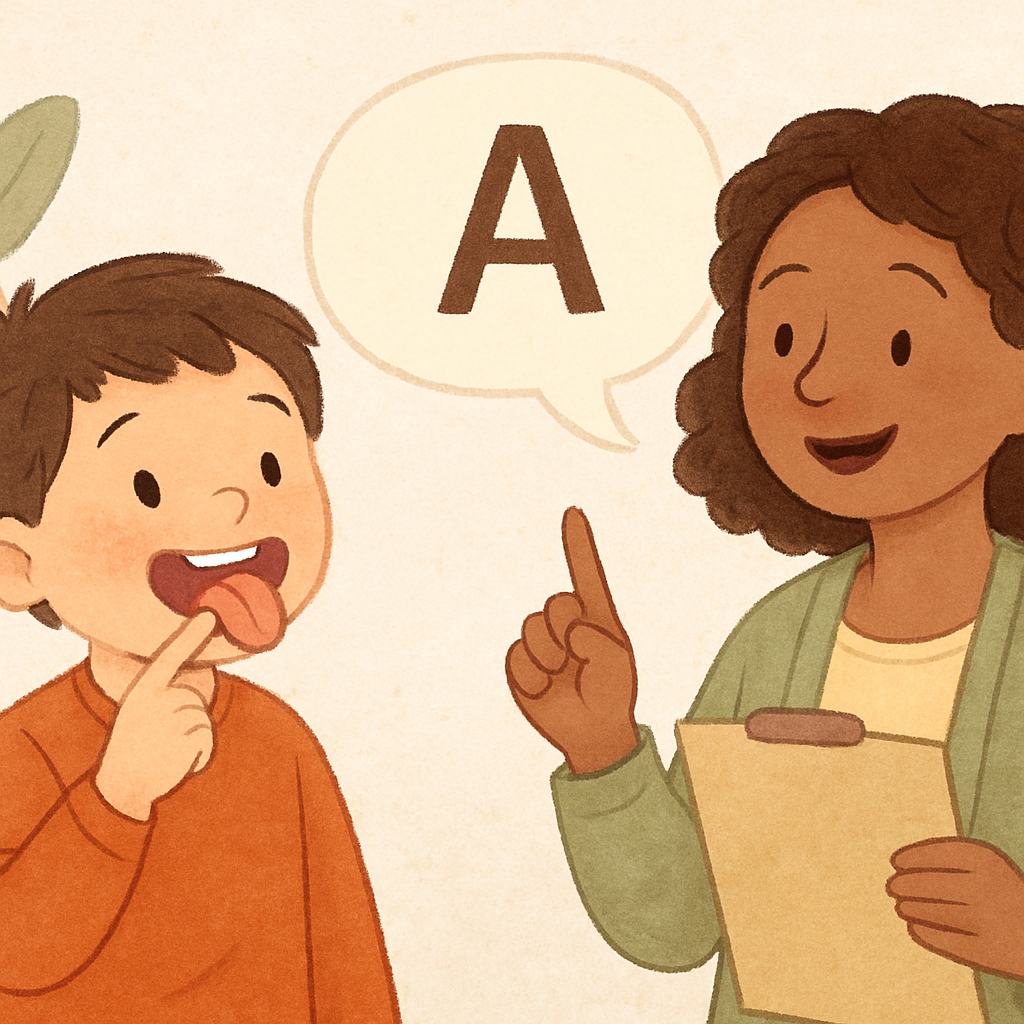
Across the globe, speech pathology services are making a difference in communities from the U.S. to places like Liverpool and Canterbury. Therapists work in schools, hospitals, and clinics to provide accessible care in both cities and small towns.
Services are inclusive, reaching diverse groups such as Torres Strait Islander people in Australia. Speech pathologists may help children keep up with classmates or support adults recovering from strokes.
Speech therapy is life-changing. It helps people overcome communication barriers so they can engage more fully in daily life. While approaches vary, the goal—to improve lives through better communication—is universal.
Therapy Techniques for Improving Social Skills
Improving social skills is a core goal in speech therapy. Therapists use practical, engaging methods like direct instruction, role-playing, and real-world practice to build confidence and clarify social communication.
These strategies teach both what to say and how to say it, helping you understand and use the unwritten rules of conversation. Common techniques include:
-
Conversational Tactics: Starting and ending conversations, taking turns, and staying on topic.
-
Nonverbal Communication: Reading facial expressions, body language, and tone of voice.
-
Role-Playing: Practicing various social situations—like joining a group or asking for help—in a safe setting.
With practice, you’ll strengthen your communication skills and feel more comfortable interacting with others. The ultimate aim is to make social interactions positive and natural.
Inside a Typical Speech Therapy Session with an Australian Speech Pathologist
So, what happens during a typical session? When you work with a speech pathologist, the process is structured and supportive. In Australia, for instance, certificate holders who are registered with organizations like Speech Pathology Australia follow high standards of care, often regulated by the Australian government to ensure quality health services.
The journey begins with a thorough evaluation to understand your unique strengths and challenges. From there, the therapist creates a personalized plan with clear goals. The following steps will give you a better idea of what to expect from assessment to ongoing activities.
Assessment Methods and Individualized Planning
The first step in speech therapy is always a comprehensive assessment. A speech pathologist uses this evaluation to pinpoint the type and severity of any speech disorders or language disorders. This process is crucial for creating an effective, individualized planning document that addresses your specific communication needs.
Parents often wonder how to identify if their child needs therapy. An assessment can answer this question by comparing a child's skills to typical developmental milestones. The therapist may use formal tests, observe you or your child in a natural setting, and discuss your concerns in detail.
This information is then used to create a roadmap for therapy. The plan outlines specific goals and the strategies that will be used to meet them, ensuring that every session is purposeful.
|
Assessment Component |
What It Involves |
|---|---|
|
Initial Consultation |
Discussing concerns and medical history with the patient or parents. |
|
Formal and Informal Testing |
Using standardized tests and observing communication skills. |
|
Observation |
Watching how you communicate in a natural, everyday setting. |
|
Collaborative Goal Setting |
Working together to create an individualized therapy plan. |
Core Activities and Ongoing Progress Tracking
Once your plan is set, therapy begins. A speech pathologist guides you through targeted activities to build your skills. For children, this often means play-based exercises with books, games, and pictures to make learning engaging. For adults, sessions might focus on memory, problem-solving, or speech muscle exercises.
Practicing these skills at home is essential. Your therapist will give you strategies and homework for you and your family to reinforce progress outside of sessions—crucial for lasting results.
Progress takes time, so ongoing tracking is important. Your therapist will monitor improvements and adjust your plan as needed to keep you moving efficiently toward your goals.
Conclusion
In conclusion, speech therapy is a powerful tool that can transform lives by addressing various communication challenges. From speech sound disorders to social communication difficulties, the expertise of speech pathologists plays a crucial role in helping individuals develop essential skills. With personalized assessment and targeted activities, clients can experience significant improvements in their communication abilities over time. Whether it's through one-on-one sessions or group therapy, the strategies employed are designed to foster confidence and fluency.
If you’re ready to take the next step towards effective communication, don’t hesitate to reach out for a consultation or call daar at 02 9133 2500 and explore the benefits of speech therapy today!
Frequently Asked Questions
How long does it take to see results from speech therapy?
The time it takes to see results varies for each person. Factors like age, the severity of the communication problems, and therapy frequency all play a role. Some people may see improvement within their first year, while others might need longer-term speech therapy work to achieve their goals for an effective treatment.
What qualifications are required to be a speech pathologist in Australia?
To become a speech pathologist in Australia, individuals must complete a university degree recognized by Speech Pathology Australia. These certificate holders meet standards often guided by the Australian government. They are qualified to provide health services in various settings, including hospitals, schools, and private practices, ensuring a high level of care.
Is speech therapy effective for adults as well as children?
Yes, speech therapy is highly effective for people of all ages. It can address childhood speech disorders as well as communication issues that arise in adults due to neurological disorders, stroke, or injury. Therapy is tailored to the specific needs of each person to improve their communication and overall quality of life.
.svg)




.svg)