
.png?width=48&height=48&name=Group%201%20(3).png)
























12 January, 2026

Understanding Speech Therapy Canterbury: Benefits Explained
Introduction
Effective communication is a vital part of how we connect with the world. But what happens when you or a loved one faces communication difficulties? That's where speech therapy services come in. What is speech therapy? It is a specialized treatment designed to help people with a wide range of speech and language challenges. A therapist works with you to identify your specific communication needs and develops a plan to help you express yourself clearly and confidently, breaking down communication barriers.
Key Highlights
-
Speech therapy services significantly enhance communication skills for people of all ages.
-
Therapy sessions are tailored to your unique communication needs for the best results.
-
Early intervention can make a major difference in a child’s developmental journey.
-
The overall goal is to improve your quality of life by building confidence in communication.
-
A wide range of conditions, from stuttering to post-stroke recovery, can be treated.
-
Effective therapy builds stronger social skills and boosts academic performance.
Common Conditions Treated by Speech Therapists
Speech therapy can benefit individuals across all age groups who face communication challenges. A speech therapist is trained to diagnose and treat a variety of issues, from developmental delays in children to acquired difficulties in adults. These professionals address speech disorders, language disorders, and problems stemming from neurological conditions.
Whether a toddler is slow to start talking or an adult is recovering from a stroke, a therapist provides targeted support. The goal is always to improve the person's ability to communicate effectively. Understanding some of these specific conditions can help you see how broad and beneficial this field truly is. Speech therapy typically refers to the exercises and techniques used to help individuals improve their speech, language, voice, and communication skills. Speech-language pathology, on the other hand, encompasses a broader scope, including the assessment, diagnosis, and treatment of speech, language, voice, swallowing, and even cognitive-communication disorders. A speech-language pathologist is the licensed professional who provides both speech therapy and broader intervention services.
Stuttering, Autism, and Neurological Issues
Speech therapy helps people who stutter by teaching strategies like slowing speech and controlling breathing, making speaking easier, and boosting confidence in social settings.
Individuals on the autism spectrum also benefit, with therapy focusing on improving verbal and non-verbal communication, understanding social cues, and expressing thoughts clearly.
For those with neurological conditions—such as after a stroke or brain injury—speech therapy aids in regaining lost communication skills. Common issues addressed include:
-
Aphasia from stroke
-
Speech problems after traumatic brain injury
-
Communication challenges linked to Parkinson's disease
Articulation, Voice, and Swallowing Disorders
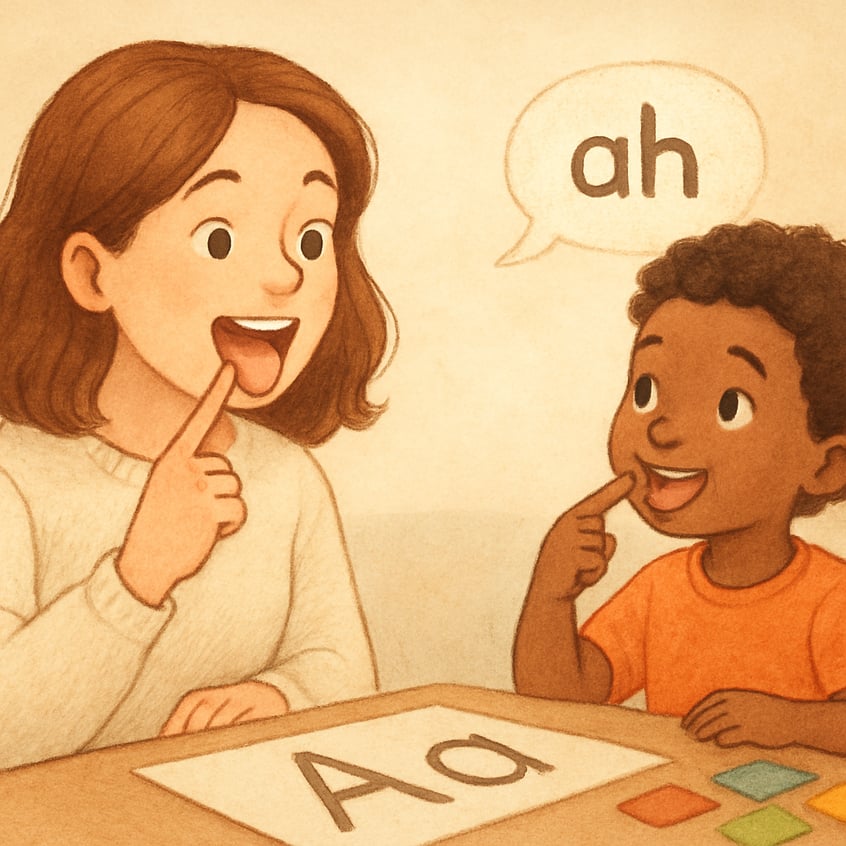
Children with speech delays may struggle to make certain sounds. Articulation therapy teaches correct tongue and lip placement through fun, repetitive exercises, helping them pronounce words clearly and improving communication.
Speech therapy also treats voice disorders like hoarseness or volume issues. Therapists teach healthy voice techniques to prevent damage and restore quality—especially important for professionals who rely on their voices.
Speech therapists can help with:
-
Articulation disorders that make speech hard to understand
-
Voice disorders affecting pitch, volume, or quality
-
Swallowing disorders (dysphagia) that affect safe eating and drinking
How to Choose a Qualified Speech Therapist (Including Speech Therapy Liverpool)

Finding the right professional is a crucial step in your speech therapy journey. When looking for speech pathology services, you’ll want to find a qualified speech pathologist or language therapist who understands your specific communication needs. It’s important to find someone with whom you or your child feels comfortable.
Look for a therapist who creates a supportive environment, whether in a clinic or one of the many private practices available. Asking your pediatrician for recommendations or searching for local providers in areas like Canterbury or Liverpool can be a great starting point. The right fit can make all the difference in achieving your goals.
Qualifications, Training, and Credentials of Speech Pathologists
A qualified speech pathologist undergoes extensive training to develop the skills needed to help people with communication disorders. Their education typically includes a master's degree in speech-language pathology, followed by rigorous clinical practice and certification. This ensures they have the right qualifications to assess and treat a wide variety of issues.
When selecting a therapist, verifying their credentials is key. In many places, including programs recognized by bodies like Speech Pathology Australia, therapists must be licensed or certified to practice. This is your assurance that they meet professional standards.
Always feel free to ask about a therapist's training and experience. A good speech pathologist will be happy to share their qualifications to ensure you feel confident in their ability to help improve your communication skills.
|
Qualification/Credential |
What It Means for You |
|---|---|
|
Certified by a Professional Body |
The therapist meets national standards for education and practice. |
|
Specialized Training |
The therapist has extra expertise in a specific area, like autism. |
|
State Licensure |
The therapist is legally authorized to provide services in your area. |
Proven Strategies Used in Speech Therapy
Numerous proven strategies enhance the effectiveness of speech therapy. Articulation therapy focuses on improving speech sound production, helping individuals articulate words more clearly. Language therapy, on the other hand, targets language development and communication skills, fostering better interactions. For social communication challenges, role-playing in supportive environments can build social skills needed for daily interactions. Tailored interventions, guided by speech therapists, ensure that therapy sessions meet individual needs, allowing people of all ages to overcome communication barriers and achieve their full potential.
Conclusion
In conclusion, understanding speech therapy and its benefits can significantly enhance communication skills and overall quality of life. Whether addressing stuttering, articulation issues, or voice disorders, a qualified speech therapist can tailor strategies to meet individual needs. It's essential to choose a speech therapist with the right qualifications and proven techniques to ensure effective treatment. By taking the time to find the right professional, you're setting the stage for success in overcoming communication challenges.
If you're ready to explore options tailored to your needs, consider reaching out today for a consultation or call daar at 02 9133 2500!
Frequently Asked Questions
What Happens During a Typical Speech Therapy Session?
During typical speech therapy sessions, a therapist works with you one-on-one or in a small group within a supportive environment. The therapy process is tailored to your individual needs and involves targeted activities, games, and exercises designed to improve your specific communication abilities and help you reach your goals.
Is Speech Therapy Effective for Adults After Stroke or Injury?
Yes, speech therapy is a highly effective treatment for adults recovering from a brain injury like a stroke. A speech pathologist can assess the specific needs caused by communication disorders and create a personalized plan to help you regain speaking, understanding, and swallowing abilities, significantly improving your independence and quality of life.
Are There Online Speech Therapy Options Available in Canterbury?
Yes, many speech therapy services now offer online speech therapy, also known as telehealth. These virtual therapy sessions provide a convenient and supportive environment to address communication difficulties from the comfort of your home, making it easier than ever to access the help you need in areas like Canterbury.
.svg)




.svg)