
.png?width=48&height=48&name=Group%201%20(3).png)























28 January, 2026

Overcoming Speech Delay: Effective Strategies to Try
Introduction
As a parent, you eagerly await each of your child’s developmental milestones, especially those related to their speech. But what happens when their communication skills lag behind those of their peers? Understanding speech delay is vital. This guide is here to help you recognize the signs, explore effective at-home strategies, and learn about professional support options. You will gain the confidence to support your child’s journey toward clearer communication and help them reach their full potential.
Key Highlights
-
Recognizing the key signs of speech delay is the first step toward supporting your child's language development. Several factors can cause speech delay in children, including hearing loss, developmental disorders, neurological conditions, or limited exposure to language. Early intervention is crucial and can significantly improve your child's communication skills and prevent future learning difficulties.
-
Early intervention is crucial and can significantly improve your child's communication skills and prevent future learning difficulties.
-
You can create a language-rich environment at home with simple activities to help your child learn new words.
-
If you have concerns, professional help from a speech pathologist is available to provide a diagnosis and speech therapy.
-
Understanding developmental milestones helps you track your child's progress and know when to seek help for a potential speech delay.
-
Treatment options often involve play-based speech therapy that is tailored to your child's individual needs.
Recognizing Speech Delay in Young Children
A speech delay occurs when a child doesn’t meet expected speech milestones. Early recognition is crucial, as prompt support can improve language skills and reduce the risk of future learning or behavior issues.
Knowing what to watch for is important. Next, we’ll cover key signs of speech delay and how to distinguish between a “late talker” and a child who may need formal support.
Key Signs and Developmental Milestones to Monitor
Monitoring your child’s progress against typical developmental milestones helps track their language growth. While every child develops differently, certain skills usually appear around set ages—for example, cooing by 3 months and babbling by 9 months.
As children grow, their vocabulary should expand. By 18 months, most toddlers know 10–25 words; by age 2, they start using two-word phrases. By age 3, strangers should understand about 75% of what your child says. Watching these milestones can help you spot early signs of speech issues.
Watch for these red flags:
-
No babbling by 9 months
-
No pointing or gestures by 12 months
-
No clear single words by 16 months
-
No spontaneous two-word phrases by 24 months
-
Any regression in language or social skills at any age
Differentiating Between Late Talking and Speech Delay
Some children are called "late talkers," usually toddlers aged 18 to 30 months who understand language and meet other milestones but speak less than their peers. Most catch up without intervention.
Speech delay, however, may signal a deeper issue, such as hearing loss, developmental delays, or autism. These children may not catch up on their own and face greater risks for long-term challenges.
If you’re concerned, consult your pediatrician. They can evaluate your child’s development, rule out underlying problems, and advise on whether a specialist referral or early intervention is needed.
Effective Ways Parents Can Support Speech Development at Home
The great news is that you play a powerful role in your child's speech development. Simple, daily interactions can make a huge difference in building their communication skills and encouraging them to use new words. You do not need to be an expert in language therapy to provide meaningful support at home.
Creating a language-rich environment is one of the most effective things you can do. Let’s look at some practical activities and tips you can easily incorporate into your daily routine to encourage your child to talk more and build their confidence.
Everyday Activities to Encourage Talking
You can turn everyday routines into language learning opportunities. While dressing your child, talk about their clothes; during meals, name the foods; at bath time, teach body parts. This ongoing narration naturally builds vocabulary and understanding.
Play is essential for speech development, too. Singing songs, reading picture books, and pretend play all boost language skills in a fun, low-pressure way. These activities encourage your child to practice speech sounds and social interaction.
Try these simple activities at home:
-
Read books together daily and discuss the pictures.
-
Sing songs and nursery rhymes with actions.
-
Narrate daily tasks and describe what you see.
-
Play naming games like "I Spy" to expand vocabulary.
-
Offer choices: "Do you want the red cup or the blue cup?"
-
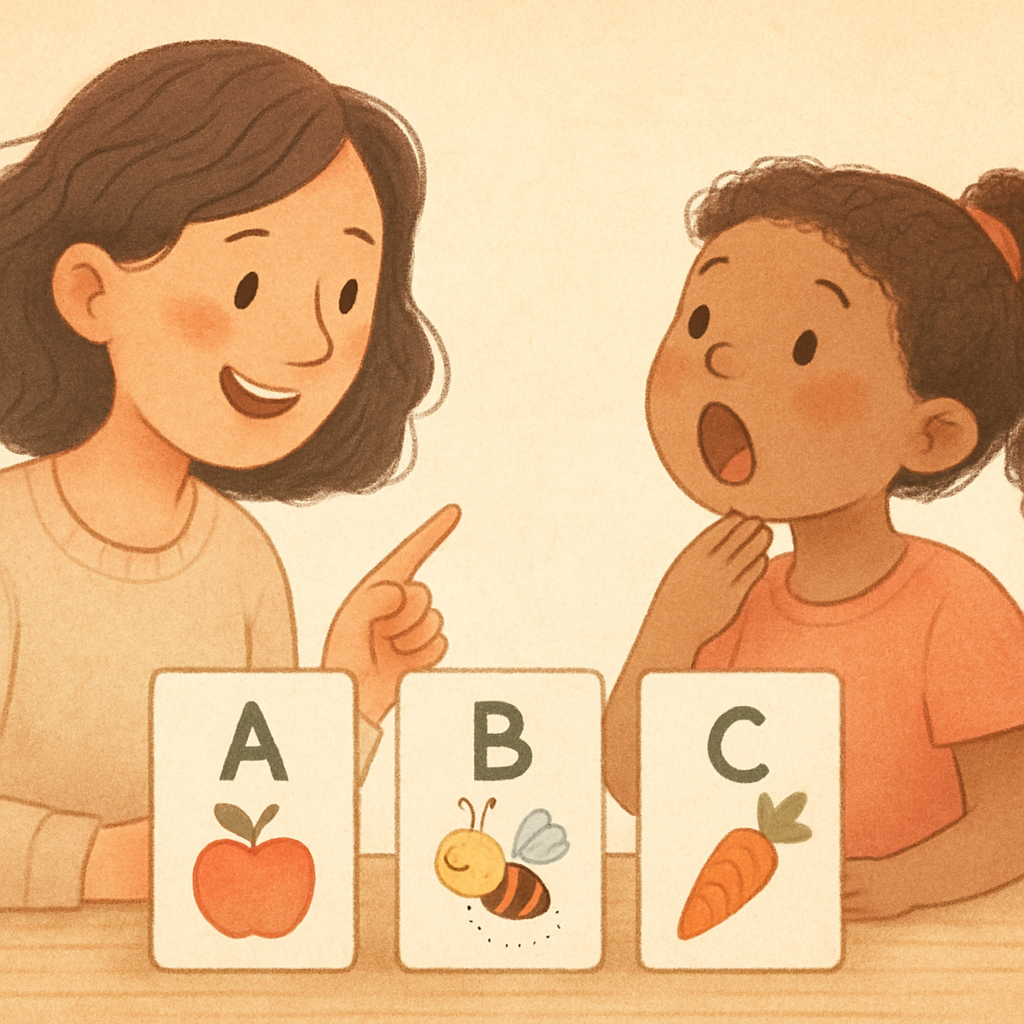
Use flashcards and picture books to introduce new words.
Tips for Creating a Language-Rich Environment
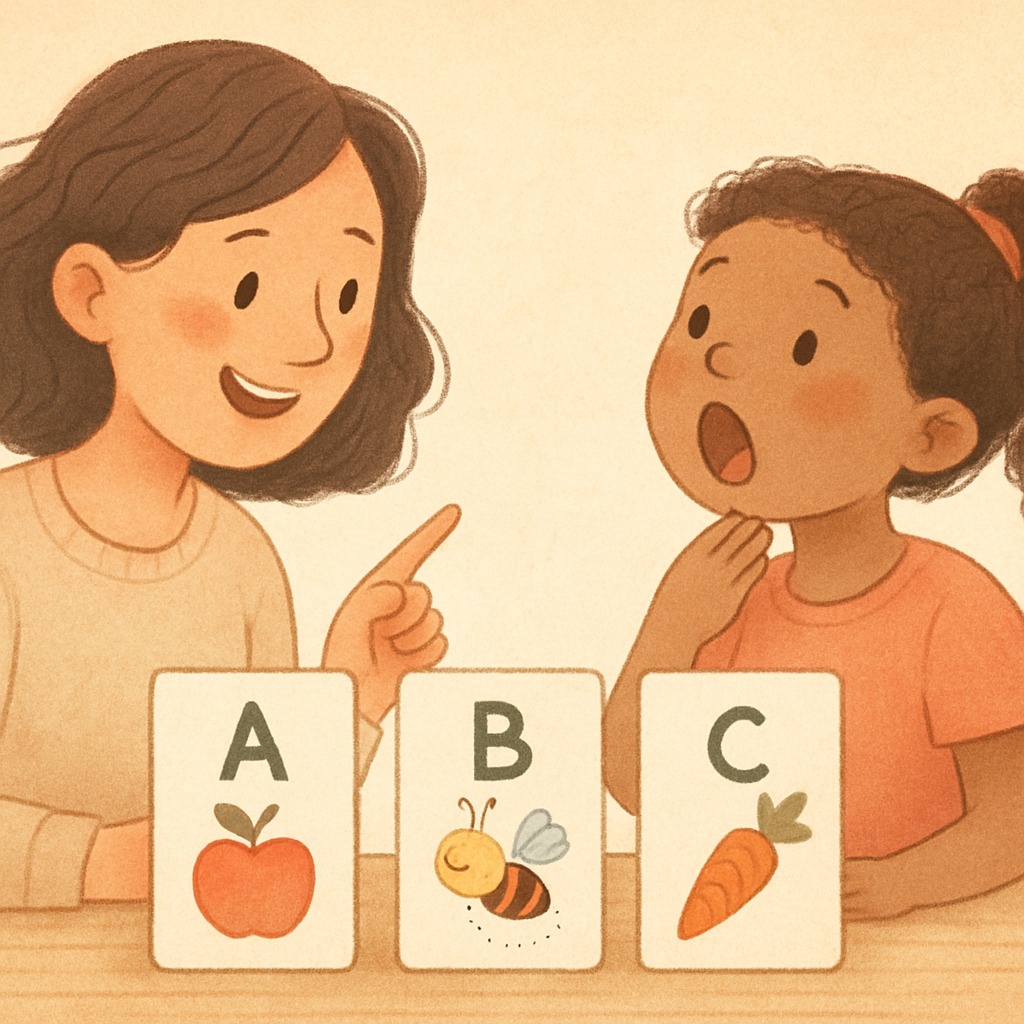
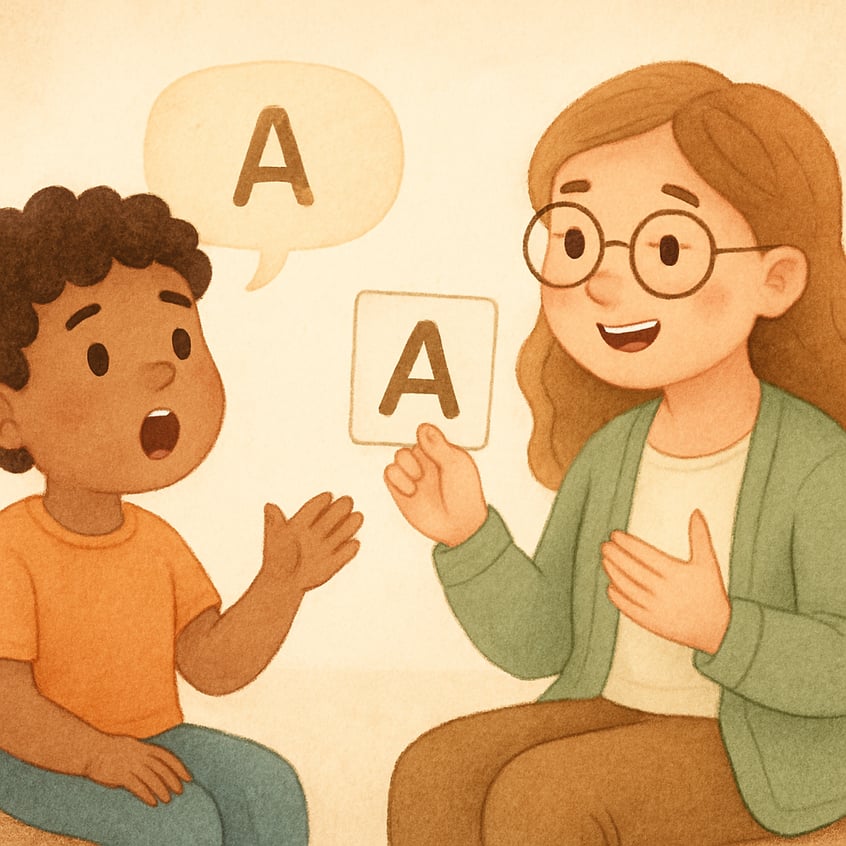
A language-rich environment surrounds your child with words and conversation, making communication a natural part of daily life. Respond enthusiastically to every attempt your child makes to communicate—through sounds, gestures, or words—to show their efforts matter.
Give your child time to respond; this teaches the back-and-forth rhythm of conversation. When your child says something, expand on it. For example, if they say "car," reply with "Yes, a big blue car!" This models longer sentences.
To boost your child's vocabulary and communication skills:
-
Talk about what’s happening throughout the day.
-
Limit screen time, as recommended by the American Academy of Pediatrics.
-
Use clear, simple sentences and repeat new words often.
-
Turn off TVs and devices when not in use to minimize distractions.
Treatment Options for Speech Delay in Australia
If you suspect your child has a speech delay, seeking professional help is a proactive and positive step. In Australia, a range of treatment options and resources are available to support your child’s communication journey. The first step is often getting appropriate referrals from your pediatrician for a formal assessment.
Early intervention is key to helping your child develop the skills they need to succeed. Below, we will explore evidence-based therapies and discuss the important role that speech pathologists and other specialists play in providing language therapy and care.
Evidence-Based Therapies and Interventions
When should you seek professional help for a speech delay? The moment you feel concerned is the right time to talk to your doctor. If recommended, your child may begin speech therapy or language therapy. These evidence-based interventions are designed by speech-language pathologists (SLPs) to target your child’s specific needs and improve their ability to understand and use language.
According to organizations like the American Speech-Language-Hearing Association (ASHA), early intervention yields the best results. Therapy sessions are often play-based to keep young children engaged while they learn new communication skills. An SLP will work on everything from articulating sounds to building vocabulary and using sentences.
The right approach depends on the individual child’s needs. Here’s a look at some common interventions: | Intervention Type | Focus | Speech Therapy | Improving the articulation of speech sounds and the clarity of speech. | | Language Therapy | Building vocabulary, understanding grammar, and using language to communicate wants and needs. | | Parent Coaching | Equipping parents with strategies to support their child's language development at home. | | Play-Based Therapy | Using toys and games to make learning communication skills fun and natural for toddlers. |
Role of Speech Pathologists and Multidisciplinary Teams
Speech pathologists, or speech therapists, are the primary professionals who diagnose and treat speech delays in young children. The process starts with a screening and a caregiver interview, followed by observation, formal assessments, and language sampling to pinpoint strengths and challenges.
They often collaborate with a multidisciplinary team, which may include your pediatrician, an audiologist (for hearing tests), an occupational therapist, and a developmental pediatrician if broader concerns are present. This team approach ensures comprehensive early intervention.
Families play a vital role. Professionals work with you to set goals and share at-home strategies for ongoing support. If necessary, they will refer you to other specialists.
Conclusion
In conclusion, addressing speech delay is crucial for your child's development and overall well-being. Speech delay in children can be caused by a variety of factors, including hearing problems, developmental disorders, genetics, and environmental influences such as limited exposure to language. By recognizing the signs and milestones, creating a supportive environment at home, and exploring treatment options, you can help nurture their communication skills effectively. Remember that every child develops at their own pace, so patience and encouragement are key.
If you're looking for tailored strategies to support your child's speech development, don't hesitate to reach out and get a consultation or call daar at 02 9133 2500 with our experts today!
Frequently Asked Questions
Are speech delay and language delay the same thing?
No, they are different but related conditions. Speech delay refers to an impairment in the actual production of sounds, or articulation. Language delay involves difficulty understanding others (receptive language) or sharing thoughts and ideas (the expression of language). A child can have a speech delay, a language delay, or both, which affects their language development.
At what age should I be concerned if my child isn't talking yet?
While children develop at different rates, you should talk to your pediatrician if you notice certain red flags. Be concerned if your child isn't babbling by 9 months, doesn't have their child’s first words by 16 months, or isn't using two-word phrases by 24 months. Early intervention for delayed speech is key to achieving milestones.
What is the difference between cluttering, dysarthria, apraxia of speech, and stuttering?
These are all different types of speech disorders. Dysarthria is caused by muscle weakness that affects articulation. Childhood apraxia of speech is a motor planning issue, making it hard to sequence sounds correctly. Stuttering involves disruptions in the flow of speech, while cluttering involves a rapid or irregular speaking rate.
.svg)




.svg)