
.png?width=48&height=48&name=Group%201%20(3).png)























26 January, 2026

Unlocking Success: Speech Therapy Children Canterbury
Introduction
Watching your child learn to communicate is one of life’s greatest joys. But what happens when they face challenges along the way? Difficulties with speech and language development can be frustrating for both children and parents. The good news is that support is available. Professional speech therapy provides children with the tools they need to express themselves confidently and learn new skills. With the guidance of skilled health professionals in Canterbury, you can empower your child to find their voice and connect with the world around them.
Key Highlights
-
Speech therapy in Canterbury offers support for a wide range of communication skills, helping with your child’s speech and overall language development.
-
Early intervention is key, and a speech pathologist can create a personalized plan to help your child reach their full potential.
-
Services are available for various challenges, including speech sound issues, language delays, and social communication difficulties.
-
Therapy options are flexible, with individual, group, mobile, and online speech pathology services to fit your family’s needs.
-
A qualified speech pathologist supports not just speech, but also social interaction and confidence.
Understanding Speech Therapy for Children in Canterbury
Speech therapy in Canterbury offers specialized support for children with communication challenges, particularly for those with developmental delays. A speech pathologist assesses your child’s abilities—from speech sounds to understanding language—and develops a personalized plan to help them reach key milestones. These services focus on building confidence and improving communication skills in a fun, engaging way.
Choosing the right professional for your child’s care is essential. Make sure your child’s speech therapist in Canterbury is registered with Speech Pathology Australia, ensuring proper training and adherence to ethical standards. You can search for providers online or ask your doctor for recommendations.
What Is Speech Therapy and How Does It Support Childhood Communication?
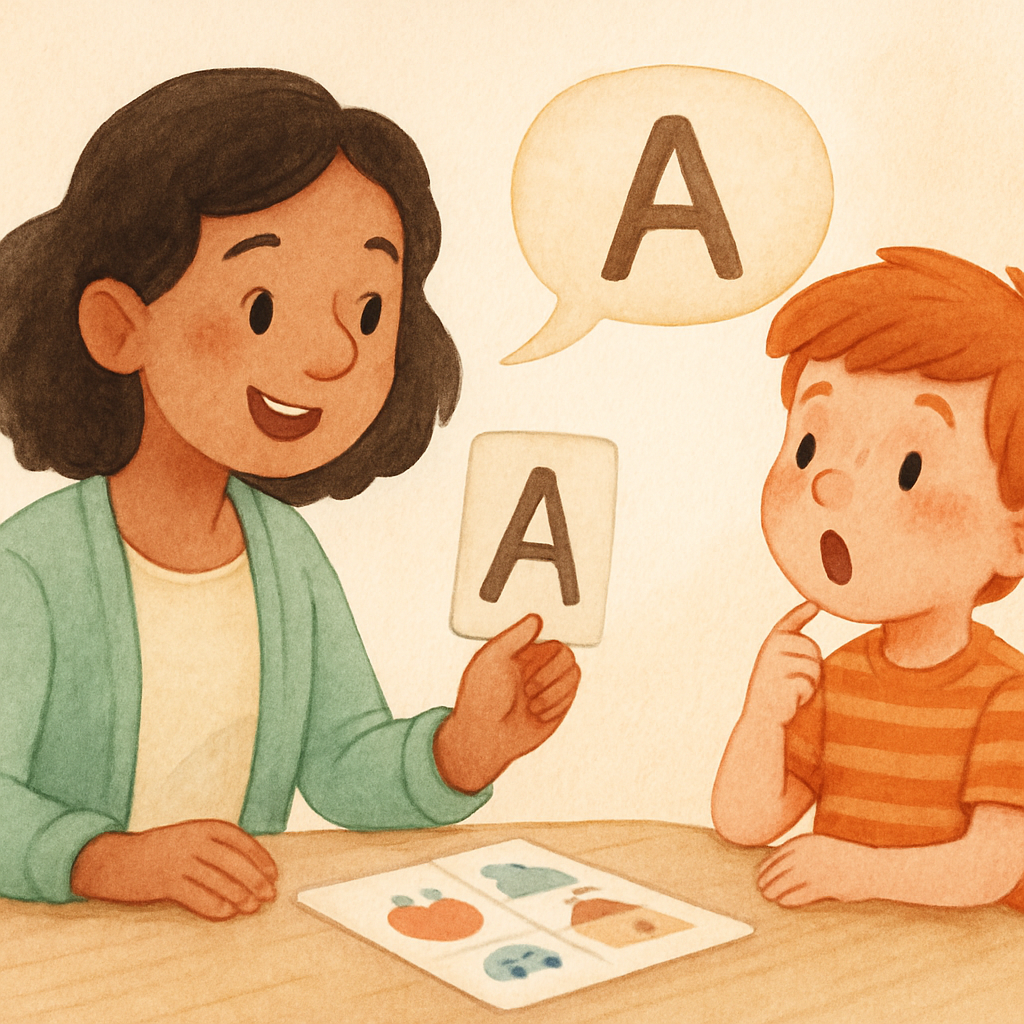
Speech therapy helps children overcome communication challenges and enhance their language expression. A speech pathologist assesses, diagnoses, and treats issues related to speech and language, building a foundation for effective communication—not just correcting sounds.
The process starts with an assessment to identify your child's needs. The therapist then creates a personalized plan with clear goals, such as practicing sounds, expanding vocabulary, or forming sentences. The aim is to boost language skills and confidence.
This support is crucial for your child's speech development and ability to connect with others. Speech therapy addresses both speaking mechanics and broader language abilities, which we will explore next.
Key Differences Between Speech Therapy and Language Therapy for Kids
Although often used together, "speech" and "language" refer to two different aspects of communication. A speech therapist can address both, but it's helpful to understand the distinction between speech therapy and language therapy. A speech disorder, such as apraxia of speech, relates to the physical act of producing sounds, while a language disorder involves understanding and using words to share ideas.
Speech therapy typically focuses on:
-
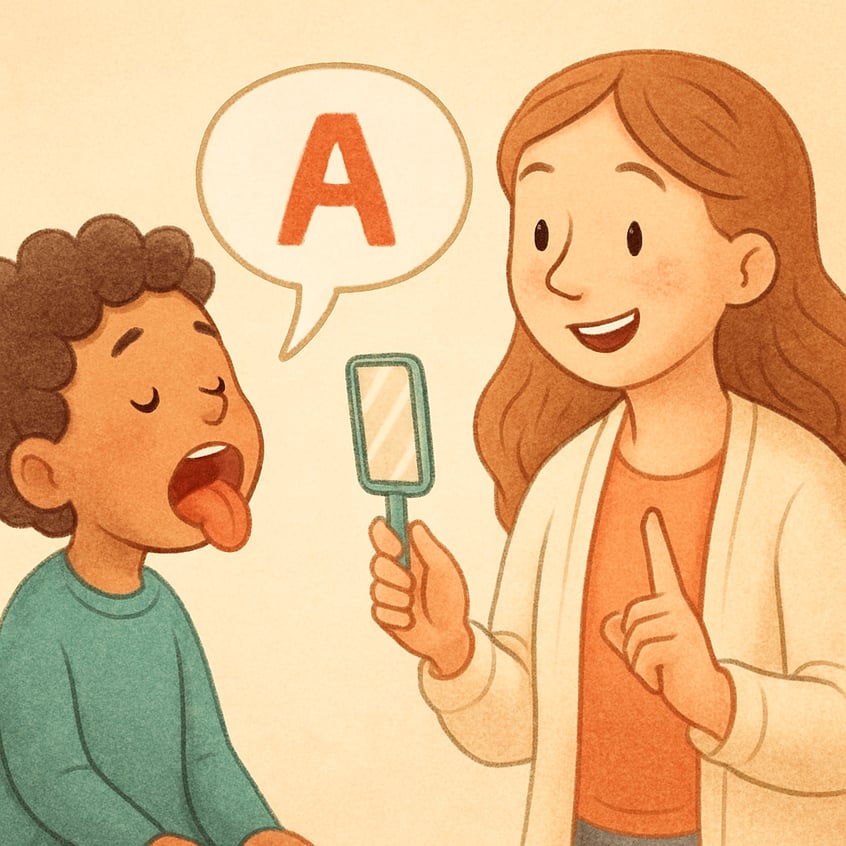
Articulation: How a child produces speech sounds and puts them together to form words.
-
Fluency: The rhythm and flow of speech, addressing issues like stuttering.
-
Voice: The quality, pitch, and volume of the voice.
In contrast, language therapy addresses a child's ability to understand others (receptive language) and share their own thoughts (expressive language). This can help a child overcome a language disorder and other communication challenges by building their vocabulary, grammar, and ability to form complete sentences.
The Importance of Social Communication in Pediatric Speech Therapy
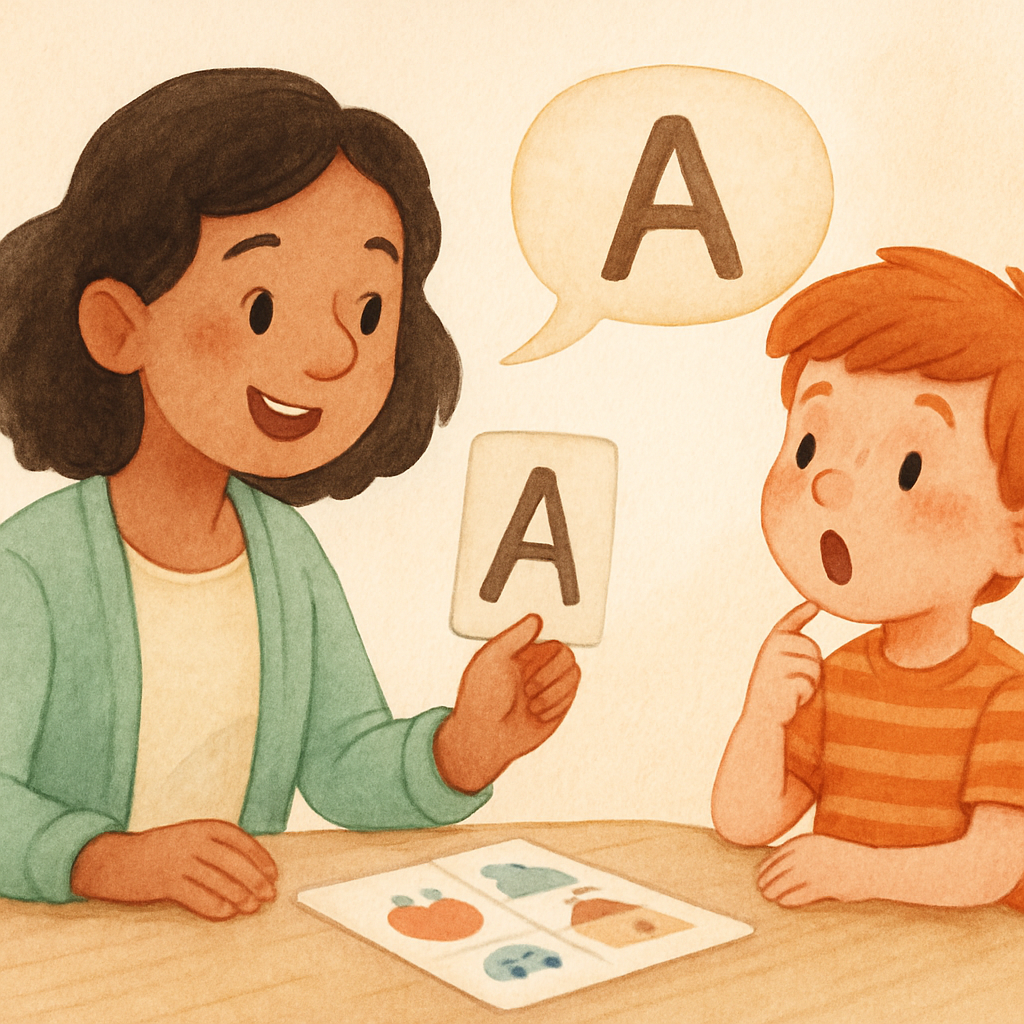
Effective communication is more than just words—it involves social skills, or pragmatics, which are the unwritten rules of interaction. These practical skills help children build relationships and handle social situations. Pediatric speech therapy focuses on developing both language and these essential social skills.
Therapists can teach your child to:
-
Take turns in conversation
-
Use and understand non-verbal cues like eye contact and gestures
-
Stay on topic and recognize humor or sarcasm
Parents play a key role by supporting these skills at home. Therapists offer practical strategies to weave into daily routines, turning everyday moments into learning opportunities and building your child’s confidence.
Common Speech and Language Challenges Addressed in Canterbury
Children in Canterbury may face various speech and communication disorders, from simple language delays to complex developmental issues. A paediatric speech pathology specialist can identify and treat these challenges, helping children communicate better. Whether a child struggles with pronunciation or forming sentences, targeted therapy can make a significant difference.
These difficulties can impact learning, making friends, and expressing needs from a young age. Recognizing common problems that therapy addresses is the first step to getting your child support. The following sections cover early warning signs, specific disorders, and key age milestones.
Early Signs Your Child May Benefit from Speech Therapy
As a parent, you know your child best. Trust your instincts if you’re concerned about their language development. While children develop at their own pace, missing key milestones could signal a speech disorder or hearing loss.
Signs your child may need an assessment include:
-
Not babbling as an infant
-
Limited vocabulary for their age
-
Trouble forming sentences
-
Hard to understand
-
Frustration when trying to communicate
If you notice these signs, seek professional advice. Early intervention is highly effective and can help your child overcome speech and language challenges before they affect social or academic success.
Typical Speech Difficulties and Social Communication Disorders in Children
Speech therapists in Canterbury help with a wide range of speech difficulties and social communication disorders, including various speech problems. These can range from issues with producing sounds to challenges with understanding and using language in social contexts. For example, children on the autism spectrum often benefit from therapy focused on social cues and expressive language skills.
Each speech disorder presents unique challenges, but a trained professional can provide targeted strategies to improve a child's communication skills. Below is a look at some common difficulties.
|
Difficulty Type |
Description |
|---|---|
|
Articulation Disorder |
Trouble making specific sounds correctly (e.g., saying "wabbit" instead of "rabbit"). |
|
Fluency Disorder |
Interruptions in the flow of speech, such as stuttering or stammering. |
|
Receptive Disorder |
Difficulty understanding what others are saying, following directions, or answering questions. Children experiencing developmental language disorder may also encounter challenges with receptive disorders. |
|
Expressive Disorder |
Trouble using words to express thoughts, needs, and ideas. |
Recognizing these distinctions can help you understand the specific communication difficulties your child may be facing.
When to Start Speech Therapy: Age Milestones and Readiness
Parents often ask, "How early can we start?" Early intervention is almost always helpful—children can begin speech therapy as toddlers, as it can prevent lifelong issues. There’s no set age; readiness depends on each child’s needs and development.
A speech pathologist registered with Speech Pathology Australia can assess your child and recommend therapy if needed. General milestones include:
-
By 1 year: Using simple words like “mama” or “dada.”
-
By 2 years: Combining two words, such as “more juice.”
-
By 3 years: Naming most things and being understood by family.
If your child isn’t reaching these milestones, consider scheduling an evaluation. Starting support early leads to better communication outcomes.
Exploring Therapy Options: Sessions, Settings, and Technology
Once you decide to pursue speech therapy, you'll find a variety of options for therapy sessions in Canterbury. A speech language pathologist can offer therapy services in different formats to best suit your child's needs and your family's lifestyle, ultimately improving the quality of life for your loved ones. Funding options, such as NDIS funding, can often be used to cover these services.
From one-on-one sessions to group activities and even online therapy requiring a reliable internet connection, the goal is to find the right environment for your child's professional growth and to thrive. Exploring these choices will help your child build their social communication skills and reach their full potential.
Individual vs. Group Speech Therapy: What to Expect
Both individual and group speech therapy sessions are available in Canterbury, each with unique benefits that highlight the role of speech in effective communication. The best option depends on your child's goals and personality—an assessment with a therapist can help decide.
Individual therapy offers one-on-one attention, ideal for targeting specific communication skills or for children who are easily distracted.
Group therapy provides a supportive environment to practice skills with peers. It’s especially helpful for:
-
Developing social communication
-
Building group confidence
-
Learning from others in a natural, interactive setting
Online and Mobile Speech Therapy Services in Canterbury
For families in Canterbury seeking convenient access to care, online and mobile therapy are excellent options for certificate holders. Online therapy, or telehealth, allows your child to have a speech pathology session from the comfort of home through a secure video call. All you need is a device and a reliable internet connection.
Mobile therapy is another flexible choice. With this service, the speech therapist travels to you, conducting sessions at your home, your child's school, or another familiar setting. This can be especially beneficial for young children and people of all ages who feel more comfortable in their own environment.
Both online and mobile speech therapy offer distinct advantages:
-
Convenience: Reduces travel time and fits easily into busy schedules.
-
Comfort: Allows children to learn in a familiar and relaxed space.
-
Consistency: Makes it easier to maintain regular therapy appointments.
Conclusion
In conclusion, effective speech therapy is pivotal in supporting children’s communication skills and overall development. By understanding the nuances of speech and language challenges, parents and caregivers can identify early signs that may indicate the need for professional help, including early intervention support. Whether through individual or group sessions, traditional or online services, the right approach can make a significant difference. It's essential to stay engaged in your child's therapy journey and support their progress at home.
If you're interested in exploring options for your child, consider booking a consultation or call daar at 02 9133 2500 to get personalized insights and guidance tailored to their unique needs.
Frequently Asked Questions
What Happens During a Child’s First Speech Therapy Session in Canterbury?
During a child’s first speech therapy session, a speech pathologist will conduct an initial assessment of language developmental milestones. This usually involves play-based activities to evaluate your child's communication skills in a relaxed setting. The therapist will also talk with you about your concerns and goals to create a personalized plan for future therapy sessions.
Are Telehealth Speech Therapy Services Effective for Young Children?
Yes, telehealth speech therapy can be very effective for young children, especially under the national disability insurance scheme. Therapists use interactive games and activities to keep kids engaged during online therapy sessions. As long as you have a reliable internet connection, this format offers a flexible and convenient way to improve your child's speech from home.
How Can Parents Support Speech Therapy Progress at Home?
You are a vital part of your child’s supportive team, where you can make a meaningful impact. Your therapist will give you practical strategies to practice at home. Incorporating these activities into daily living, like during playtime or meals, helps reinforce what your child learns in therapy and supports their ongoing language development and communication skills.
What are some techniques that speech therapists use?
Speech therapists in Canterbury employ various techniques to enhance communication skills in children. Common methods include interactive play, visual aids, and repetition exercises. They also focus on articulation, language comprehension, and social communication to ensure a holistic approach, tailoring sessions to each child's unique needs for effective speech development.
.svg)




.svg)