
.png?width=48&height=48&name=Group%201%20(3).png)























27 January, 2026

Paediatric Speech Therapy Liverpool: A Parent's Guide

Introduction
As a parent, you want the very best for your child, and that includes their ability to communicate effectively. If you have concerns about your child's language development, you are not alone. This guide is here to walk you through the world of paediatric speech therapy in Liverpool. We will explore what it is, who it helps, and how it can make a significant difference in your child's life. Understanding how to address communication disorders is the first step toward helping your child thrive.
Key Highlights
-
Paediatric speech therapy helps children improve their communication and language abilities.
-
A speech therapist addresses a wide range of language disorders and speech challenges using proven techniques.
-
Therapy sessions for children are often play-based to stimulate language development and improve communication skills.
-
Early intervention is crucial and has been shown to result in the most significant improvements.
-
Speech therapy techniques are tailored to your child's specific needs, from articulation to social communication.
-
Parents play a vital role by practicing exercises at home to support their child's progress.
Understanding Paediatric Speech Therapy
Paediatric speech therapy is a specialized treatment designed to improve a child's ability to speak and use language. A trained professional, known as a speech therapist, works with children to overcome various speech disorders and communication challenges. This therapy helps children express their thoughts and understand what others are saying.
The process involves assessing a child’s specific needs to create an individualized treatment plan. This form of language therapy can address a wide range of communication disorders, supporting your child’s development and boosting their confidence. The next sections will explain what this therapy involves and its benefits.
What Is Speech Therapy for Children?
Speech therapy helps children with speech and language disorders improve communication. Conducted by a speech-language pathologist, therapy focuses on effective, personalized treatment.
For young children, sessions use play-based activities like books, pictures, and games to keep them engaged while building language skills in a positive setting.
Therapists tailor plans to each child’s needs, breaking big goals into smaller steps. This approach helps children develop strong foundational skills and achieve lasting improvements in speech.
How Speech Therapy Supports Childhood Development
Speech therapy goes beyond teaching clear speech—it is essential for overall childhood development. Strengthening communication skills, it enables children to express their ideas and needs, improving their interactions with others.
These skills benefit many areas of daily life. Better communication supports problem-solving, social growth, classroom participation, and confidence in social situations.
Ultimately, speech therapy equips children to succeed academically and socially. It builds self-esteem and independence, providing a strong foundation for handling challenges and enjoying a happier, more fulfilling life.
Role of Speech Pathology in Paediatric Care
Speech-language pathology is a clinical field focused on human communication disorders. Speech-language pathologists (SLPs) play a key role in paediatric care by preventing, assessing, diagnosing, and treating speech, language, and swallowing issues.
SLPs start with a thorough assessment to identify the disorder and its causes. They then develop an individualized treatment plan to guide therapy and track progress.
Working as part of a healthcare team, SLPs provide comprehensive care for children with developmental delays, brain injuries, or conditions like autism—helping each child communicate as effectively as possible.
Who Can Benefit from Paediatric Speech Therapy?
Paediatric speech therapy helps children with communication difficulties, whether mild or severe. If your child struggles to speak, understand others, or express themselves, an evaluation can clarify their needs.
A speech therapist assesses your child and develops a personalized treatment plan. From developmental delays to speech disorders, paediatric speech therapy supports improved communication and quality of life. Here are common conditions treated and signs to watch for.
Common Speech and Language Conditions in Children
Speech and language conditions can often be treated with therapy. Speech disorders affect sound production, while language disorders impact understanding or using words. These issues may also stem from hearing loss or developmental delays.
A speech therapist can diagnose and treat challenges such as:
-
Articulation disorder: Difficulty producing specific sounds, e.g., saying “wed” instead of “red.”
-
Fluency disorder: Problems with speech flow, like stuttering.
-
Receptive disorder: Trouble understanding what others say.
-
Expressive disorder: Difficulty expressing thoughts or forming sentences.
Other treatable conditions include aphasia from brain injury and resonance disorders linked to cleft palate. Early diagnosis and intervention are essential for improving your child’s communication skills.
Signs Your Child May Need Speech Therapy
It can be hard to tell if your child's communication issues are just a phase or something more serious. Watch for key milestones and warning signs that may mean a professional evaluation is needed.
Signs of possible language delays or communication problems include:
-
Not babbling by 4-7 months
-
Saying only a few words by 12-18 months
-
Not forming sentences by age 2
-
Speech that’s unclear to familiar people
-
Difficulty with social interaction or communication
-
Persistent hoarse voice or unusual speech patterns
If you notice any of these signs, talk to your paediatrician or a speech therapist. Early assessment can help your child get the support they need.
How Early Intervention Makes a Difference
Early intervention in speech and language therapy is crucial. Identifying and addressing communication issues early leads to the best outcomes, as young children’s brains are most adaptable. Early therapy helps prevent minor issues from becoming major obstacles and supports stronger language development.
Effective early treatment boosts confidence, prepares children for school, and reduces long-term impacts of communication disorders. If you have concerns, seeking an evaluation is a valuable first step.
Speech Therapy Techniques Used with Children
Therapists use a variety of speech therapy techniques to help children, and the methods chosen depend on your child's specific disorder, age, and needs. There is no single approach; instead, treatment is highly individualized to ensure the best possible outcome for improving language skills.
These techniques can range from exercises that strengthen the muscles of the mouth to activities that improve cognitive communication. Many therapists use play-based approaches to make learning fun, while others focus on teaching nonverbal communication cues. The following sections will provide more detail on these effective strategies.
Play-Based Approaches and Activities
For toddlers, speech therapy often feels like play because play-based methods are highly effective. Children naturally learn through play, so therapists use activities like blowing bubbles or playing with animal toys to teach communication skills engagingly.
These playful sessions target specific goals—bubbles can strengthen oral muscles, while animal toys encourage sound imitation. Purposeful play also builds a positive bond between the therapist and your child.
Beyond speech, this approach supports problem-solving and social skills. Through interactive play, children practice taking turns, following directions, and using language socially—all while having fun.
Developing Social Communication Skills
Social communication involves not just spoken words but also nonverbal cues like gestures, facial expressions, eye contact, and tone of voice. Developing these skills is crucial for children as they interact with peers and adults at home, in school, and during activities.
Language therapists support children who struggle with social communication. They teach conversational rules such as turn-taking and topic maintenance, help children recognize emotions, and use tools like visual aids, social stories, or video modeling to show appropriate responses in different situations.
Therapists often use role-playing exercises—like greeting someone new or resolving disagreements—to let children practice in a safe setting. These real-life scenarios help kids apply skills outside therapy.
Improving social communication boosts empathy and reduces conflicts. Children with strong skills are more confident in class discussions, make friends more easily, and feel included. Over time, this leads to better academic performance and emotional health.
Early language therapy gives children lifelong tools for effective interactions—skills essential well into adulthood.
Teaching Speech Sounds and Pronunciation
One of the most well-known speech therapy techniques involves teaching children how to produce speech sounds correctly. This is particularly important for children with an articulation disorder, who may substitute, drop, or distort certain sounds. The goal is to make their speech clearer and easier for others to understand.
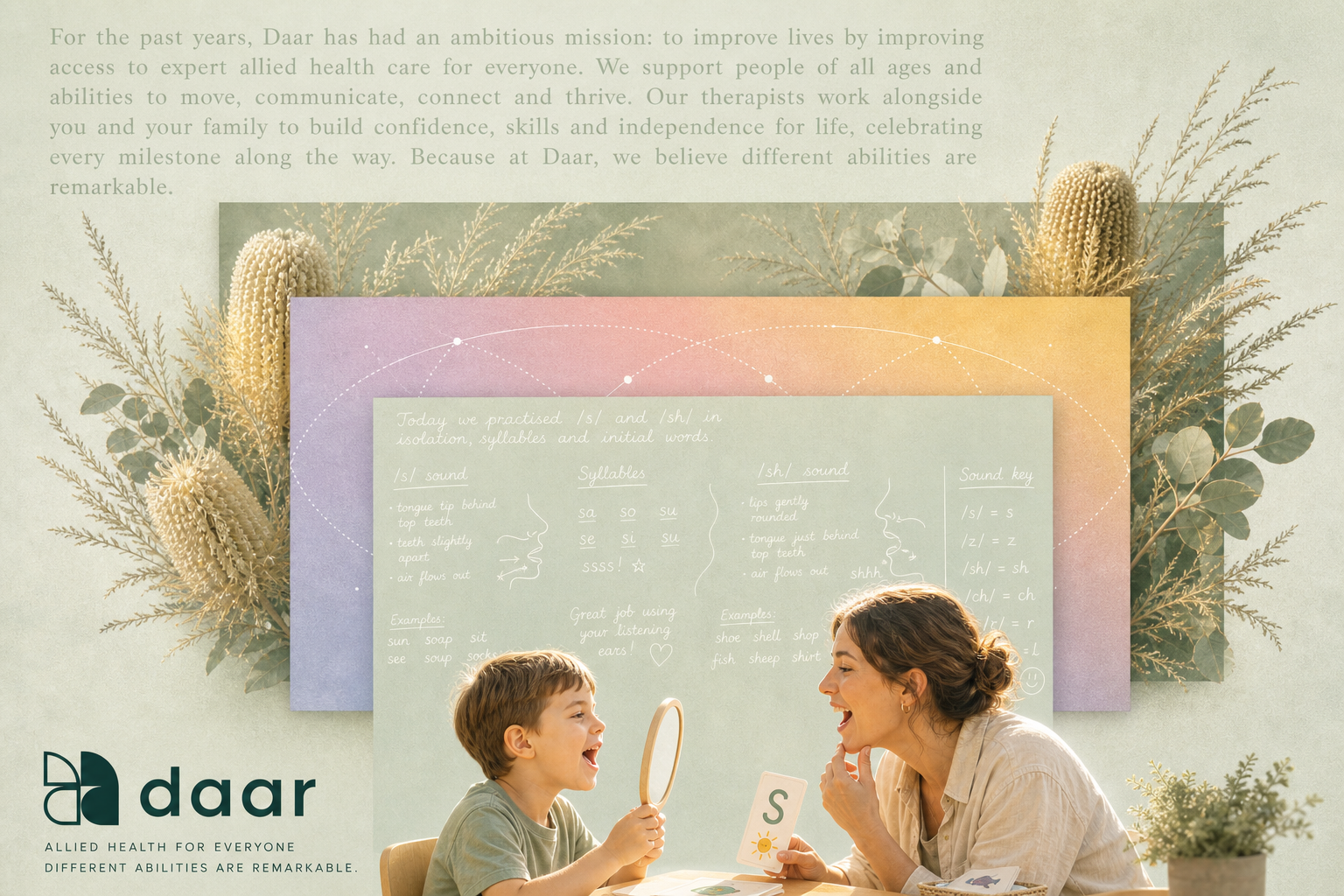
A therapist will model how to make specific sounds by demonstrating the correct placement of the tongue and lips. They may use mirrors to help your child see what their mouth is doing or use exercises to strengthen the oral muscles needed for speech. Repetition and practice are key components of this process.
This type of therapy can also address other issues like a fluency disorder (stuttering) or resonance disorders, which affect voice quality. By breaking down speech into individual sounds and syllables, therapists help children build the foundation for clear and confident communication.
Conclusion
In summary, paediatric speech therapy is an invaluable resource that supports children in overcoming communication challenges and enhancing their overall development. By recognizing the signs that indicate your child may need assistance, you can seek timely intervention that can significantly impact their ability to express themselves and connect with others. Utilizing play-based approaches and tailored techniques, speech therapists cultivate essential skills in a fun and engaging manner. If you have any concerns about your child's speech or language development, don't hesitate to reach out.
Get a consultation or call daar at 02 9133 2500 today to explore how professional guidance can aid your child's journey to effective communication.
Frequently Asked Questions
How long does paediatric speech therapy usually take to show results?
The time it takes to see results varies for every child. It depends on factors like the type and severity of the communication disorders and the frequency of therapy. With consistent attendance and practice at home, progress can often be seen within a few months, especially when early intervention provides an effective treatment plan.
What is the difference between speech therapy and speech-language pathology?
Speech-language pathology is the broad healthcare field dedicated to human communication. Speech therapy is the actual treatment provided by speech-language pathologists (SLPs). These experts assess, diagnose, and treat a wide range of communication disorders, including both speech and language disorders, to help people communicate more effectively.
Can adults access speech therapy services in Liverpool, or is it only for children?
Yes, speech therapy services are available for people of all ages. While this guide focuses on children, adults in Liverpool can also receive therapy for their communication needs. Medical professionals help adults with issues arising from strokes, brain injuries, or other conditions to improve their speech and quality of life.
.svg)




.svg)