
.png?width=48&height=48&name=Group%201%20(3).png)























22 January, 2026

Unlocking Potential: Speech Therapy for Kids Liverpool
Introduction
Watching your child grow is a journey filled with milestones. When it comes to communication development, some children need extra support to find their voice. If you have concerns about your child's speech or language, speech therapy services can make a significant difference. A skilled professional can help identify and address communication disorders, empowering your child to express themselves confidently. This support builds a strong foundation for learning, social interaction, and future success, enhancing their overall quality of life.
Key Highlights
-
A speech therapist offers personalized speech pathology services to help your child overcome communication challenges.
-
Early intervention for language disorders is crucial and can significantly improve your child's long-term outcomes.
-
Therapy sessions are designed to be fun and engaging, helping build confidence and essential communication skills. Speech therapy services support various difficulties, including speech sounds, stuttering, language use, and social communication. The terms 'speech pathologist' and 'speech therapist' are often used interchangeably and generally refer to professionals who provide speech therapy services; however, 'speech pathologist' is the formal title for professionals trained to assess, diagnose, and treat communication disorders, while 'speech therapist' is a commonly used informal term for the same role.
-
Speech therapy services support various difficulties, including speech sounds, stuttering, language use, and social communication.
-
Family involvement is key to success, with therapists working closely with you to support your child’s progress.
-
Assessment is the first step, leading to a custom treatment plan that addresses your child's unique needs.
Early Signs Your Child Might Need Speech Therapy
It can be hard to tell if your child's communication struggles are typical or a sign of something more. Early recognition is key to getting the right help. Issues like unclear pronunciation or social communication challenges may signal the need for early intervention.
If you suspect speech or language difficulties, trust your instincts and seek a professional opinion for clarity and peace of mind. Here are some common signs your child might benefit from speech therapy.
Common Delays in Speech and Language Development
A language delay can affect how your child understands others (receptive language) and expresses their own thoughts (expressive language). While every child develops at their own pace, certain signs may indicate the need for support. You might notice your child has a smaller vocabulary than their peers or difficulty forming sentences.
These challenges can be frustrating and may impact social connections. Watch for signs such as:
-
Difficulty following directions
-
Trouble answering questions
-
Using only single words instead of phrases or sentences
-
Limited vocabulary for their age
If these signs sound familiar, there’s no need to panic. Early intervention can help your child develop strong communication skills. A speech pathologist can assess your child and recommend next steps.
Noticing Difficulties in Pronunciation or Fluency
Is your child’s speech hard for others to understand? Pronunciation or articulation disorders—such as substituting sounds (“wed” for “red”) or trouble making certain sounds—are common reasons parents seek speech therapy. Sometimes, these issues stem from motor speech disorders like apraxia, where the brain struggles to coordinate speech muscles.
Fluency is another concern. Stuttering—interruptions in speech flow through repetitions or blocks—can affect a child’s confidence. While some disfluency is normal in young children, ongoing stuttering may need intervention.
Poor speech clarity can impact your child at school and socially. If you’re worried about their pronunciation or speech rhythm, a speech pathologist can assess the issue and suggest a therapy plan.
Challenges With Social Communication and Listening
Communication is more than just words; it’s also about how we interact with others. Difficulties with social communication can make it hard for a child to build meaningful relationships. You might notice your child struggles to understand non-verbal cues, take turns in a conversation, or stay on topic. These challenges can be signs of communication disorders that affect social skills.
Developing strong language skills is essential for successful social interactions. For some children, navigating the unwritten rules of conversation is a significant hurdle. Are you noticing challenges in these areas?
-
Difficulty making and keeping friends
-
Trouble understanding jokes or sarcasm
-
Not engaging in back-and-forth conversations
If your child finds social situations overwhelming or confusing, it could be impacting their confidence and happiness. A speech pathologist can help them develop the social communication abilities they need to connect with their peers and thrive in social settings.
Types of Pediatric Speech Therapy Services in Liverpool
Once you've decided to seek help, you'll find that speech therapy services are not one-size-fits-all. A qualified speech pathologist will create a personalized plan based on your child’s needs, whether they are dealing with speech disorders, language difficulties, or other communication challenges. The goal is to provide targeted support that makes a real difference.
In Liverpool, pediatric speech therapy can address a wide range of issues. From language therapy designed to expand vocabulary to interventions for stuttering, the right approach will empower your child. The following sections explore some of the specific services available to help your child unlock their full communication potential.
Articulation and Speech Sound Therapy
If your child has trouble with pronunciation, a speech therapist can help them with articulation disorders. These therapies focus on teaching children how to produce sounds correctly to improve their speech clarity. Addressing speech sound disorders is key to effective communication, as it helps your child be more easily understood by family, teachers, and friends.
For more severe issues like childhood apraxia of speech, therapists use specialized techniques. These methods focus on the motor planning and coordination required to produce speech sounds. The goal is to build muscle memory and improve the accuracy of speech movements through intensive, repetitive practice.
A speech pathologist uses evidence-based methods to target specific challenges. Here are a few advanced approaches:
|
Therapy Technique |
Focus Area |
|---|---|
|
PROMPT (Prompts for Restructuring Oral Muscular Phonetic Targets) |
Uses tactile cues on the face to guide articulators for specific sounds, ideal for motor speech disorders. |
|
DTTC (Dynamic Temporal and Tactile Cueing) |
An intensive, hands-on method for severe apraxia, focusing on the timing and coordination of speech. |
|
ReST (Rapid Syllable Transition Treatment) |
Practices rapid transitions between sounds and syllables in real words to improve speech fluency and accuracy. |
Language Delay and Disorder Support
Speech pathology supports not only speech sounds but also language disorders and delays. If your child struggles to understand language (receptive) or express thoughts (expressive), a speech pathologist can create a personalized program.
Therapy focuses on building essential language skills through engaging activities. Targeted strategies help expand vocabulary, improve sentence structure, and boost comprehension, accelerating your child’s ability to understand and use language.
The goal is to increase your child's confidence and independence. Strengthened language skills enable them to participate in conversations, follow instructions at school, and clearly express their needs and ideas.
Stuttering and Fluency Intervention
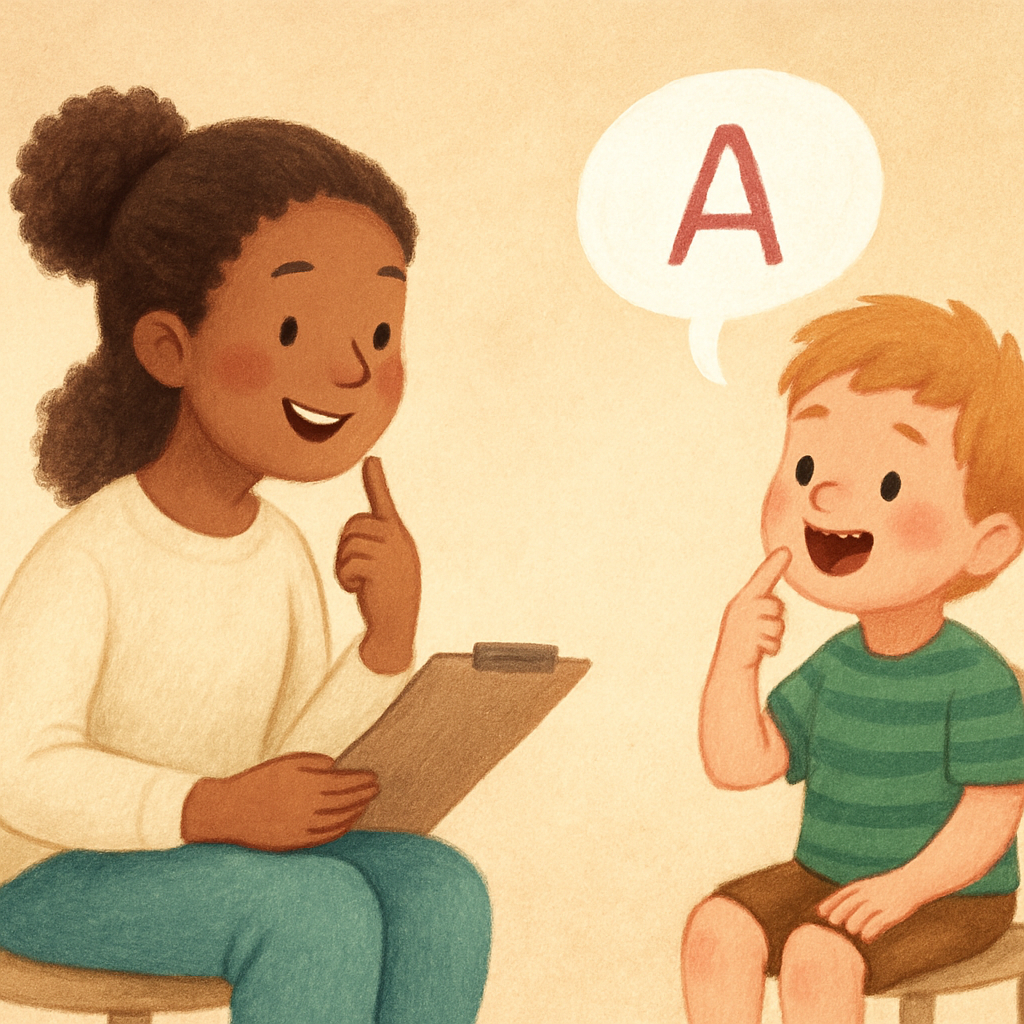
Stuttering can hinder communication and affect a child’s self-esteem. A speech pathologist offers tailored fluency interventions to help children speak more smoothly, using strategies to reduce stuttering’s frequency and severity.
Therapy may include teaching breathing techniques, pacing, and other tools to manage speech. For young children, the evidence-based Lidcombe Program is especially effective; it trains parents to give positive feedback for fluent speech in daily conversations under a pathologist’s guidance.
These interventions aim not only to reduce stuttering but also to boost confidence. By creating a supportive environment and working closely with families, speech pathologists help children feel more confident and comfortable communicating at home, school, and in social settings.
The Assessment Process in Speech Therapy Liverpool
Starting the journey with speech pathology services begins with a thorough assessment. This initial step is essential for understanding your child's unique strengths and challenges in communication development. A comprehensive evaluation allows the therapist to gather all the necessary information to create effective, individualized treatment plans.
The assessment is often a collaborative effort. A speech pathologist may work with a multidisciplinary team and, most importantly, with you and your family. This ensures that the goals set are meaningful and that the therapy plan is tailored to fit your child's life. Here’s a closer look at what the assessment process involves.
Steps to Getting Your Child Assessed
Getting your child assessed is simple. Start by contacting a clinic to discuss your concerns—the reception team will guide you through the next steps.
During this first contact, share your observations about your child’s communication. The clinic will then schedule a comprehensive assessment with a speech pathologist to understand your child’s needs and create a personalized therapy plan.
The typical process includes:
-
Contacting the clinic by phone or email
-
Discussing your child’s history and concerns
-
Scheduling an assessment with a speech pathologist
-
Setting therapy goals based on assessment results
This structured approach ensures all aspects of your child’s communication are addressed for effective support.
What to Expect During the Initial Consultation
During the initial consultation, the speech pathologist will get to know you and your child in a comfortable setting. They’ll assess your child's communication skills—both strengths and challenges—using standardized tests, observation, and play-based activities.
The therapist will also talk with you about your child’s developmental history, your concerns, and goals for therapy. Your input is essential in understanding your child’s needs.
By the end of the session, the speech pathologist will share their initial findings and recommend next steps, which may include a personalized therapy plan.
How Family Input Shapes the Assessment
Your involvement as a family member is not just helpful—it's essential to the assessment process. Therapists recognize that the more involved you are, the faster your child will see results. Your observations about your child’s communication in different environments provide crucial context that can’t be captured in a clinical setting alone.
During the assessment, the speech pathologist will actively seek your input to understand your child's communication development and daily life. You’ll collaborate to establish meaningful goals that reflect what’s important to your family. This partnership ensures that the therapy plan is practical and relevant.
Your role continues long after the initial assessment. Family members are key partners in therapy by:
-
Providing feedback to the therapist about your child’s progress between sessions.
-
Helping to practice skills and strategies at home to reinforce learning.
This collaborative approach ensures that the therapy is aligned with your family’s goals and sets your child up for the best possible outcomes.
How Speech Therapy Sessions Work for Kids
Have you ever wondered what actually happens during speech therapy sessions for kids? These sessions are carefully structured by a speech therapist to be both fun and effective, with activities tailored to your child’s age and specific goals. The aim is to improve your child's communication in a supportive and engaging environment.
Individualized treatment plans guide each session, ensuring that every activity is purposeful. The therapist uses evidence-based strategies to target your child’s goals, from practicing speech sounds to building social skills. Let's look at how these speech therapy services are structured to help your child thrive.
Individual vs Group Pediatric Speech Therapy Approaches
Speech therapy can be delivered in different formats, primarily through individual therapy or group therapy. The best approach depends on your child’s needs and therapy goals. Individual sessions offer one-on-one attention from the therapist, allowing for highly focused work on specific skills.
On the other hand, group therapy provides a fantastic opportunity for children to practice their social communication skills in a supported environment. Interacting with peers in a group setting can help a child generalize the skills they've learned in individual therapy to real-world social settings.
Both approaches have unique benefits, and sometimes a combination of the two is most effective. Here’s a simple comparison:
|
Therapy Approach |
Best For |
|---|---|
|
Individual Therapy |
Targeting specific, individualized speech and language goals with focused, one-on-one attention. |
|
Group Therapy |
Practicing social skills, turn-taking, and conversation in a setting with peers. |
Tools and Strategies Used by Therapists
Speech therapists use a variety of tools and strategies tailored to your child’s goals and interests, making learning feel like play while building communication skills.
Play-based therapy uses games and toys to naturally encourage language and social development. For children with limited verbal speech, therapists may introduce Augmentative and Alternative Communication (AAC) tools, such as picture boards or speech-generating devices.
Therapists also coach parents on integrating these strategies at home. Common approaches include:
-
Play-based activities for language and social skills
-
AAC devices
-
The HANEN approach for supporting language in daily routines
-
Phonological awareness games for early literacy
Monitoring Progress and Celebrating Milestones
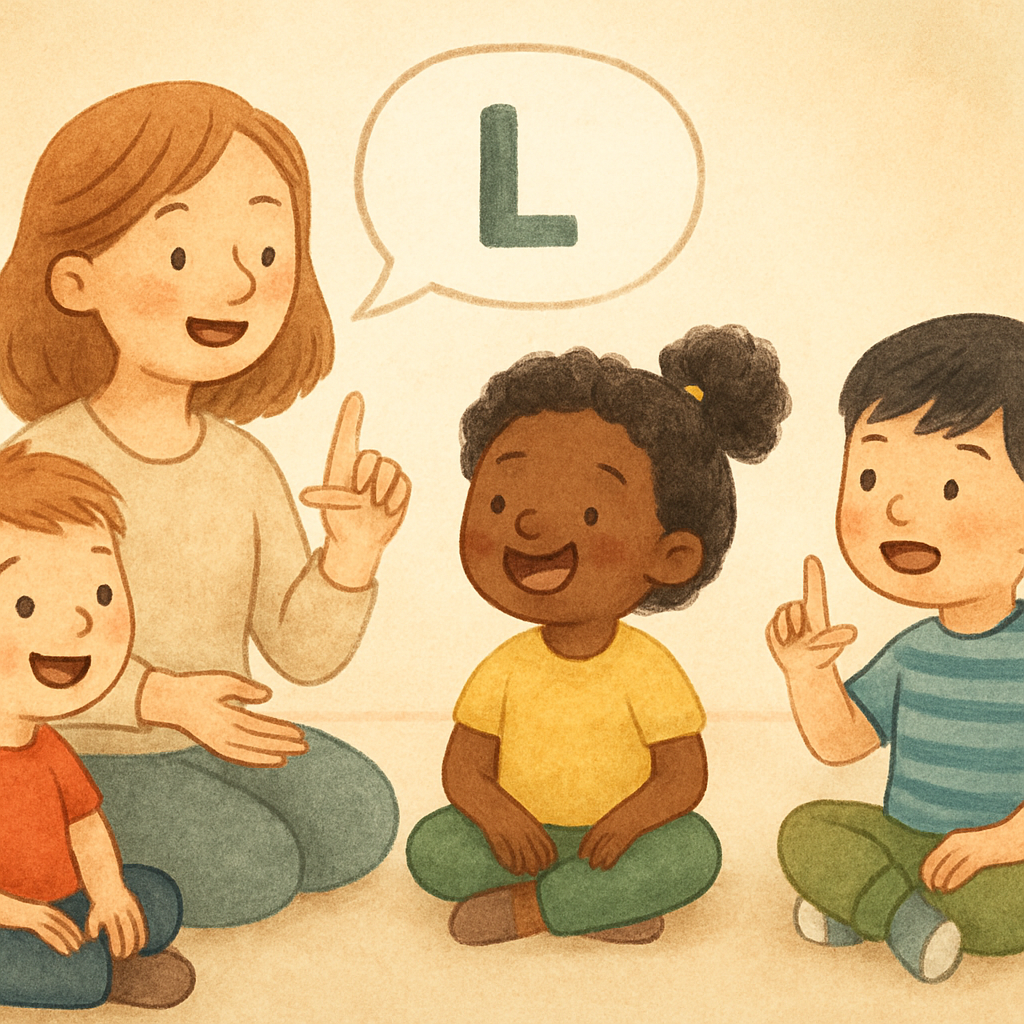
Monitoring your child’s progress is essential in speech therapy. Therapists track development against treatment goals and adjust plans as your child gains new skills. This keeps therapy effective and tailored to their needs.
Communication between you and the therapist is vital. After each session, the therapist shares updates, while your feedback about your child’s progress at home or school helps guide therapy. This collaboration supports language development.
Celebrating milestones, big or small, boosts confidence and motivation. Key steps include:
-
Regularly updating therapy goals to reflect growth
-
Acknowledging “I can do it now!” moments to keep your child engaged
Accessing Speech Therapy in Liverpool: Options for Parents
Finding the right speech therapy services in Liverpool may feel overwhelming, but there are many options available to support you and your child. From locating a qualified speech pathologist to understanding funding options like the NDIS, resources are available to make the process easier.
Navigating the system of support services is a journey you don't have to take alone. Whether you prefer in-clinic sessions or the flexibility of online therapy, you can find speech pathology services that fit your family’s needs. The following sections will guide you through your options.
Finding Qualified Pediatric Speech Pathologists
When seeking support for your child, it’s important to find a qualified, trustworthy pediatric speech pathologist. These specialists understand children’s unique developmental needs and treat various communication disorders. Choose a reputable clinic with experienced professionals—ideally one with a multidisciplinary team for a well-rounded approach.
In Liverpool, clinics like South West Kids Clinic offer personalized speech therapy from skilled pathologists who work closely with families. When contacting a clinic, ask about the therapists’ qualifications, experience with your child’s challenges, and their therapy methods. A 15-minute discovery call can help determine if they’re the right fit for your family.
Navigating NDIS and Other Support Services
Funding for speech pathology can make essential support more accessible. In Australia, several options help families cover therapy costs and ensure early intervention without financial strain.
The National Disability Insurance Scheme (NDIS) is a primary funding source. If your child has a developmental delay or disability, you may use your NDIS plan to fund speech therapy under “Improved Daily Living.” Registered NDIS providers serve families who are NDIA-managed, plan-managed, or self-managed.
Other funding options include:
-
Medicare: A Chronic Disease Management Plan from your doctor may provide rebates for up to five sessions per year.
-
Private Health Insurance: Many plans offer rebates for speech therapy—check with your provider for details.
These resources can greatly reduce the financial burden of accessing therapy.
Online and In-Clinic Speech Therapy Choices
Families now have more options for speech therapy: traditional in-clinic sessions or online therapy. Both are effective, so the right choice depends on your lifestyle and your child’s needs.
In-clinic therapy offers a dedicated space with specialized equipment and face-to-face interaction. Online therapy provides convenience, flexibility, and comfort at home—often involving parents more closely. Many Liverpool clinics offer both options.
Here’s a quick comparison:
|
Therapy Format |
Key Benefits |
|---|---|
|
In-Clinic |
Purpose-built space, specialized equipment, face-to-face social interaction |
|
Online |
Convenient, flexible, home-based access; can be more comfortable for some children |
Conclusion
Unlocking your child’s potential with speech therapy can greatly improve their communication skills and confidence. By recognizing early signs of speech delays and exploring therapy options, you’re taking important steps toward their success. Tailored assessments and sessions address individual needs, helping your child communicate more effectively.
Don’t hesitate to seek support in Liverpool—book a consultation or call daar at 02 9133 2500 to get started on your child’s journey to clearer communication today.
Frequently Asked Questions
How do I know if my child needs speech therapy or will outgrow their issues?
While some issues resolve on their own, it's best not to wait and see if you have concerns about speech disorders or a language delay. A speech therapist can assess your child to determine if early intervention is needed. Addressing challenges with speech or social communication early often leads to better outcomes.
How long does pediatric speech therapy typically take in Liverpool?
The duration of speech therapy services varies for each child. It depends on their individual needs, the goals in their treatment plans, and their rate of progress. Many children benefit from weekly therapy sessions for at least two school terms, but the timeline is adjusted based on your child's progress in developing their communication skills.
Can speech pathology help with both speech and language delays?
Absolutely. A speech pathologist is trained to address both speech disorders (like pronunciation) and language disorders (like understanding or using words). They provide specialized language therapy and speech exercises to support all aspects of your child’s communication development, helping them build skills in both areas.
.svg)




.svg)