
.png?width=48&height=48&name=Group%201%20(3).png)























28 January, 2026

Helping Your Child with Speech Delay: Key Insights
Introduction
It’s natural for young children to learn and grow at different rates. As with walking or crawling, the age at which kids learn to talk can vary. However, understanding the basics of speech and language development can help you identify if there is a cause for concern. If you’ve wondered about your child’s progress, you are not alone. Knowing the signs of a speech delay and how to help is the first step in supporting your child’s communication journey.
Key Highlights
-
A speech delay involves issues with the verbal expression of language, while a language delay relates to understanding or using words to communicate.
-
Key milestones include babbling by 9 months, first words by 12-16 months, and two-word phrases by 24 months.
-
The causes of speech delay can range from hearing loss and oral impairments to developmental disorders and environmental factors.
-
Parents play a vital role in supporting language development through daily activities like reading, singing, and talking.
-
Early intervention with a speech-language pathologist is the most effective approach for addressing a speech delay.
-
Improving communication skills is crucial for a child's social interactions and future academic success.
Common Signs and Symptoms of Speech Delay
It can be hard for parents to tell if their child is simply a late bloomer or has a speech delay. While every child develops at their own pace, there are common signs to watch for. Not responding to sounds, trouble imitating noises, relying on gestures instead of words by 18 months, or only repeating specific words are early indicators. Spotting these signs is the first step in getting your child the right support. We'll cover more milestones and red flags next.
Typical Milestones and When to Be Concerned
Monitoring speech development milestones helps you track your child’s progress. While there is a range of normal, significant delays may indicate a speech issue. Key signs include late first words or slow vocabulary growth.
Watch for these milestones:
|
Age |
Milestone |
|---|---|
|
12 months |
Uses gestures like pointing or waving bye-bye |
|
16 months |
Says clear single words |
|
18 months |
Has a vocabulary of 10–25 words |
|
24 months |
Uses two-word phrases |
|
3 years |
Has over 200 words and uses three-word sentences |
Be concerned if your child misses these milestones, such as not babbling by nine months, not saying single words by 16 months, or not using two-word phrases by age two. Parents should understand about half of their child's speech at age two and three-quarters at age three; by four, most speech should be clear to everyone. If you're concerned, consult your doctor.
Red Flags: Cluttering, Stuttering, Dysarthria, and Apraxia of Speech
Missing speech milestones or unusual speech patterns can indicate specific disorders beyond simple delays. These may stem from issues with how the brain or body controls speech, making early detection and professional evaluation important.
Key warning signs include:
-
Stuttering: Repeating sounds, syllables, or words that disrupt speech.
-
Dysarthria: Slurred or slow speech due to weak facial muscles.
-
Childhood Apraxia of Speech: Difficulty planning and coordinating speech movements.
-
Cluttering: Fast, irregular, or jerky speech that’s hard to understand.
Consult a professional if you notice these issues. Other red flags are loss of language or social skills, not following simple directions by age two, frequent frustration with communication, or an unusual voice quality (raspy or nasal).
Causes and Risk Factors for Speech Delay
There is a wide range of reasons why a child might experience a speech delay, and for many children, the exact cause is never known. Understanding the potential causes of speech delays can help you and your pediatrician identify the right path forward for evaluation and intervention.
Some children are at a higher risk due to various risk factors, which can be grouped into several categories. These include medical conditions like hearing problems, developmental disorders, and even environmental influences. We will now look at how these different factors can impact a child’s ability to develop speech and language.
Genetic, Environmental, and Medical Influences
Medical issues often cause speech delays, especially hearing loss; children who can't hear well struggle to imitate language. Chronic ear infections, oral impairments (like palate or tongue problems), and conditions such as cerebral palsy also hinder speech development.
Genetics plays a role, too. A family history of speech or language problems increases risk, and genetic syndromes like Down syndrome are linked to delays.
Environmental factors matter. Limited language exposure—due to neglect, minimal parent interaction, or excessive screen time—can hold children back. A rich language environment is crucial for strong communication skills.
When Speech Disorders Like Cluttering or Apraxia Play a Role
Speech problems can sometimes indicate an underlying disorder, not just a delay. These disorders disrupt how the brain signals speech muscles, making word formation difficult.
Childhood apraxia of speech (CAS) is one example. Children with CAS know what they want to say but struggle to coordinate their lips, jaw, and tongue, causing inconsistent errors. Dysarthria involves muscle weakness and slurred speech, while cluttering leads to rapid, disorganized speech.
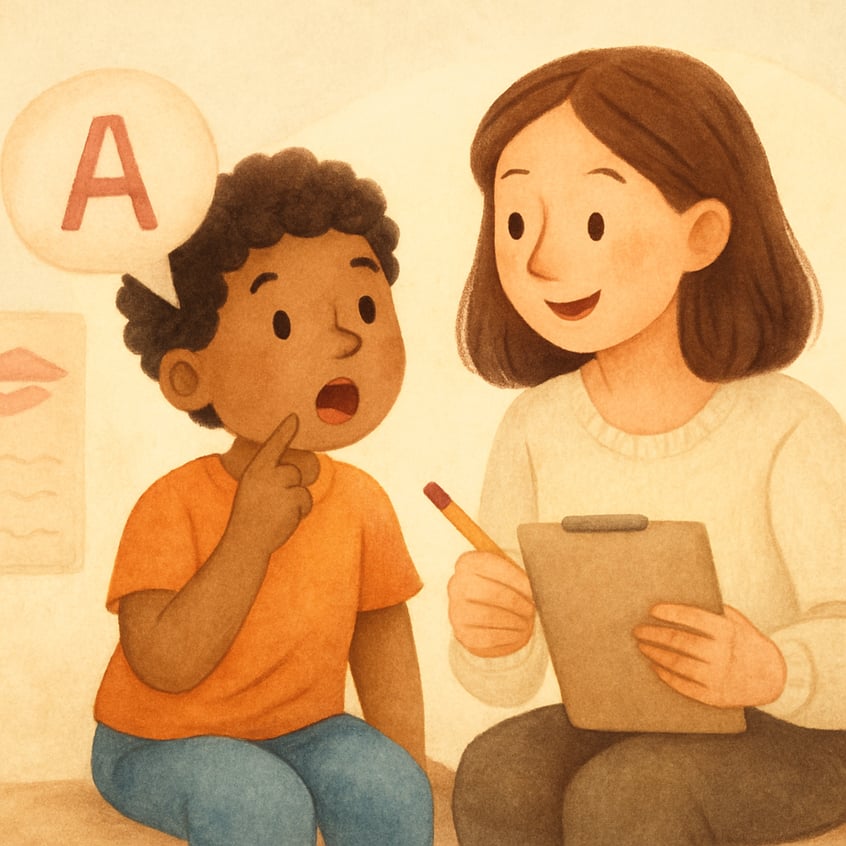
Speech therapy is the main treatment. A speech-language pathologist assesses your child, diagnoses the issue, and creates a personalized plan. They also guide you on practicing at home to support progress.
Supporting Your Child’s Speech at Home
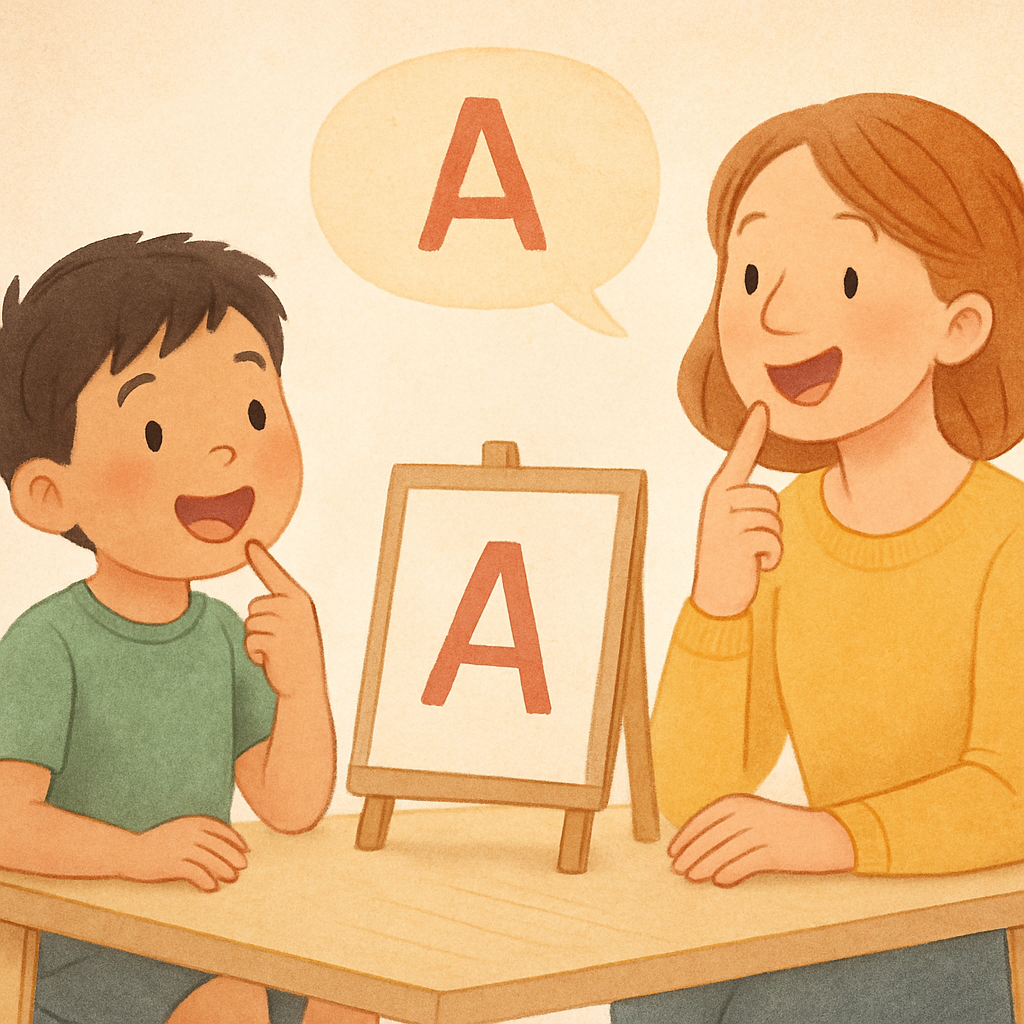
As a parent, you are your child's most important teacher. While speech therapy is essential for addressing delays, the progress your child makes is greatly influenced by the support they receive at home. Early intervention is most successful when therapy is reinforced with daily practice and encouragement.
Simple changes to your daily routine can have a big impact on your child's speech development. By focusing on communication and turning everyday moments into learning opportunities, you can help build your child’s language skills. The following strategies offer practical ways to get started.
Activities and Strategies Parents Can Use Daily
You can support your child’s speech delay at home by weaving language activities into daily routines—no special tools needed. Use everyday moments like grocery shopping or bath time to introduce new words.
Try these simple activities:
-
Read together daily. Use picture books and encourage your child to point and name objects.
-
Sing songs and nursery rhymes, especially those with actions, to make language fun.
-
Narrate your activities—talk through cooking, cleaning, or getting dressed—to expose your child to more vocabulary.
-
Offer choices (“Do you want the red shirt or the blue shirt?”) to prompt a verbal response.
Create a positive, supportive atmosphere. Expand on what your child says—for example, if they say “ball,” respond with “Yes, that’s a big red ball!” These simple techniques can make a meaningful difference in your child’s speech development.
Encouraging Communication and Social Interaction
A speech delay can affect a child’s learning and social skills. Communication struggles may lead to judgment from peers, making it harder to form friendships and join activities, which can lower self-esteem. Encouraging positive social interaction is essential.
Respond to all your child’s communication—whether words, sounds, or gestures—and give them time to reply. This exchange shows their efforts are valued and builds confidence.
Strong communication skills support learning. Early speech is linked to later success in reading and spelling. By fostering social interaction and simple sentence building now, you support your child’s future academic and social development.
Conclusion
In conclusion, early recognition and support for speech delay are vital for a child’s development and confidence. Parents can help by encouraging daily communication, understanding potential causes, and fostering a supportive environment. Every child develops differently, so professional guidance is often beneficial.
For personalized strategies, contact us for a consultation or call daar at 02 9133 2500 today!
Frequently Asked Questions
What are the common signs of speech delay in children?
Common signs of speech delay in children include limited vocabulary, difficulty forming sentences, trouble pronouncing words clearly, and challenges in following simple directions. If your child shows these signs, it may be time to consult a speech-language pathologist for further evaluation.
How can I determine if my child's speech delay is a cause for concern?
To determine if your child's speech delay is concerning, assess their progress against typical milestones. If they exhibit multiple red flags, such as difficulty forming words or unclear speech patterns, it's advisable to consult a pediatrician or a speech-language pathologist for further evaluation.
What activities can I do at home to support my child's speech development?
Engaging in daily activities such as reading together, singing songs, and playing interactive games can significantly enhance your child's speech development. Encourage storytelling and conversation during these activities to foster language skills and boost their confidence in communication.
.svg)




.svg)