
.png?width=48&height=48&name=Group%201%20(3).png)























3 February, 2026

How to Address Behavioural Concerns of a Child Effectively
Introduction
It’s normal for children to test boundaries and show defiance from time to time. However, when these actions become persistent and disruptive, they can point to deeper behaviour problems. Understanding how to effectively address these challenges is vital for your child’s development and long-term mental health. Navigating your child’s behaviour can feel overwhelming, but you are not alone. There are strategies and support systems available to help you and your child, promoting better children's mental health and a happier home environment.
Key Highlights
- Recognizing behavioural concerns in young children involves looking for patterns that are outside the norm for their age.
- Frequent and intense tantrums can sometimes signal underlying frustration or a lack of problem-solving skills.
- Understanding the difference between typical development and symptoms of a disorder is key to supporting your child's mental health.
- Positive discipline and behaviour therapy training for parents are effective ways to manage challenging behaviours.
- Knowing when to seek professional help from a child psychologist or pediatrician is crucial for a child's well-being.
Recognizing Early Signs of Behavioural Concerns in Children
Early identification of behavioural concerns in young children can make a big difference. While occasional defiance is normal, ongoing emotional outbursts, aggression, or frequent arguments with adults may signal a deeper issue. Noticing these patterns helps distinguish between typical phases and more serious problems.
Frequent tantrums often occur because children lack the skills to manage or express their feelings. They may feel overwhelmed by frustration or anxiety. Recognizing these early signs allows you to explore helpful strategies. Next, we’ll review common behavioural issues and how they vary by age.
Common Behavioural Issues: Tantrums, Defiance, and Angry Outbursts
Tantrums, defiance, and angry outbursts are common behavioural issues for parents. While all children have these moments, frequent or intense episodes may signal a deeper problem. Often, these behaviours are a child’s way of expressing emotional distress when they lack the words.
Aggressive behaviour can be concerning, but identifying specific actions helps you understand the cause. For example, your child may deliberately annoy others or have a low frustration tolerance. Recognizing these signs is the first step to addressing them.
Common indicators of possible mental health concerns include:
- Frequent arguments with adults, especially parents or caregivers
- Refusing to follow rules or comply with requests
- Being easily annoyed or angered
- Blaming others for their own mistakes
Behavioural Differences: Toddlers Versus School-Aged Children
A child's behaviour reflects their developmental stage. For toddlers, frequent tantrums and emotional outbursts are normal as they learn to manage their feelings. In school-aged children, issues may show up as defiance, aggression, or trouble with peers. Recognizing these age-related differences is key to understanding your child’s mental health and knowing how to respond.
Here's how behaviours can differ by age:
|
Toddlers |
School-Aged Children |
|---|---|
|
Frequent tantrums over small things |
Arguing and defying adult rules |
|
Trouble sharing or playing together |
Bullying or fighting with peers |
|
Hitting when frustrated |
Lying, stealing, or skipping school |
|
Saying "no" to test limits |
Showing little empathy for others |
Identifying Red Flags for More Serious Issues
While many behaviours are just part of growing up, certain red flags can signal more serious issues. Persistent, severe emotional outbursts that disrupt family life or school may point to underlying behaviour disorders. It’s important to know what these signs are so you can act early.
If you notice that your child's behaviour seems extreme for their age, or if it has been going on for a long time, it might be time for a comprehensive evaluation by a professional. Looking at specific signs and underlying conditions can help you decide when to seek help.
Signs a Child’s Tantrums May Be Beyond Typical Development
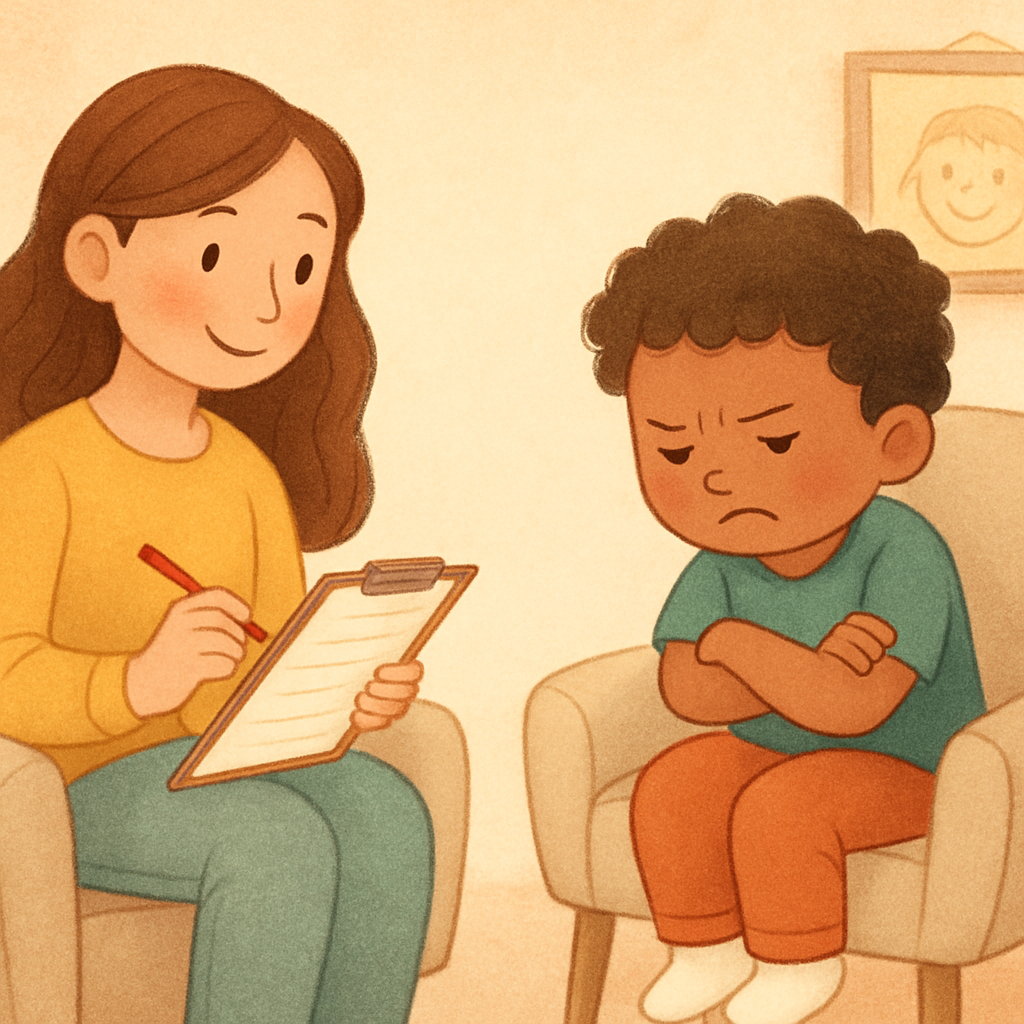
How can you tell if your child's tantrums are more than just a passing phase? The key is to look at their frequency, intensity, and context. While tantrums are common in toddlers, they become more concerning if they continue into the school-age years or become physically aggressive.
These extreme outbursts are often symptoms of a disorder and can cause significant emotional distress for both you and your child. They may indicate that your child is struggling to cope with their feelings, which can impact their mental health. In some cases, very aggressive behaviour could be a sign of conduct disorder.
Here are some signs that a child's tantrums may be beyond typical development:
- The tantrums are extremely frequent and intense.
- The child tries to harm themselves or others during an outburst.
- The tantrums continue regularly past the preschool years (age 5).
- The child is destructive of property during a tantrum.
When to Consider Underlying Behavioural Disorders
Persistent and challenging behaviours may be linked to behavioural disorders that require professional diagnosis and support. Common disruptive behaviour disorders include Oppositional Defiant Disorder (ODD), Conduct Disorder (CD), and Attention-Deficit/Hyperactivity Disorder (ADHD).
Children with ODD often show anger, irritability, and defiance toward authority. CD involves more severe behaviours, such as aggression and serious rule breakingking. ADHD is marked by inattention, impulsivity, and hyperactivity, which can cause frustration and outbursts.
Other conditions—like autism spectrum disorder, anxiety, or sensory processing issues—can also contribute to these behaviours. A mental health professional’s diagnosis is essential for understanding the cause and finding effective treatment.
Positive Discipline Techniques for Managing Challenging Behaviours
When faced with challenging behaviours, it's easy to get caught in a cycle of negativity. Positive discipline offers a different approach, focusing on teaching and guiding rather than punishing. This method uses reinforcement, clear boundaries, and strong communication skills to encourage better behaviour and build your child’s self-esteem.
Adopting these techniques can help you manage difficult situations without making them worse. By focusing on what you want to see, you empower your child to make better choices. Next, we will explore how to set boundaries effectively and use reinforcement to your advantage.
Setting Boundaries Without Escalating Conflict
Setting boundaries is essential for every child, but it can be tricky when you're trying to avoid a major conflict. The key is to remain calm and consistent. When you get upset and start yelling, it can make your child even more defiant, escalating the situation instead of resolving it.
Using clear and simple communication skills helps your child understand your expectations without feeling attacked. Your goal is to guide their behaviour in a way that supports their mental health, not to win a battle of wills. Effective de-escalation starts with your own calm and confident approach.
Here are some tips for setting boundaries effectively:
- Stay calm and use a steady, neutral tone of voice.
- State the rule or limit clearly and simply.
- Be consistent with consequences every time a boundary is crossed.
- Avoid giving in to demands during a tantrum to make it stop.
Encouraging Positive Choices Through Reinforcement
Positive reinforcement is a powerful tool. Instead of focusing on mistakes, catch your child doing something right and praise them for positive choices—this encourages repeat behaviour.
This builds confidence and social skills. Praising your child for calming down or expressing feelings teaches valuable communication. Over time, this approach is often more effective than punishment.
Ways to encourage positive choices:
- Give specific praise (e.g., “I love how you shared your toy”).
- Use a reward system with points or tokens.
- Recognize effort, even if results aren’t perfect.
- Support talents like sports or art to build self-esteem.
Addressing Explosive and Angry Behaviour in Everyday Situations
Dealing with an angry child, especially one prone to explosive behaviour, can be incredibly stressful. These intense emotional outbursts can disrupt everyday situations and take a toll on the whole family's mental health. Anger is often a secondary emotion, masking feelings like frustration, anxiety, or hurt.
However, there are practical strategies you can learn to manage these moments more effectively. By understanding what triggers your child and how to respond calmly, you can help them learn to regulate their emotions. Below, we'll cover specific de-escalation strategies and tips for handling frequent tantrums.
De-Escalation Strategies for an Angry Child
When your child has an outburst, matching their energy only escalates the situation. The best way to de-escalate is to stay calm—your steady presence can anchor an angry child.
Teach communication and coping skills when your child is calm, so they can recognize frustration and manage anger before it builds up. This supports their mental health and self-regulation.
In the moment, try these strategies:
- Speak in a calm, quiet voice.
- Validate their feelings: "I can see you're very upset."
- Don’t argue or reason during the outburst.
- Give them space to cool down safely.
Practical Tips for Handling Frequent Tantrums
If your child has frequent tantrums, having a plan helps. For non-violent outbursts, ignoring the behaviour is often effective—any attention, even negative, can reinforce it. If the tantrum turns physical, step in to keep everyone safe.
Tantrums are often predictable during transitions like ending playtime, starting homework, or going to bed. Identify triggers and prepare your child ahead of time. Providing structure and reassurance can reduce meltdowns and support their mental health.
Tips:
- Use brief time-outs for misbehaving younger children.
- Give warnings before transitions (e.g., “10 more minutes of play”).
- Break tasks into simple steps.
- For older or aggressive children, remove yourself to stay safe and avoid reinforcing the behaviour.
Conclusion
In conclusion, addressing behavioural concerns in children requires compassion and an understanding of their emotional needs. Early recognition and positive discipline help create a nurturing environment for healthy behaviour. Distinguish between typical behaviours and signs of more serious issues andes, and seek support from teachers or child psychologists if needed. Working together helps children develop essential skills.
For personalized strategies, contact us for a consultation or call daar at 02 9133 2500.
Frequently Asked Questions
What are some common behavioural concerns parents face with their children?
Parents often encounter behavioural concerns such as tantrums, defiance, and angry outbursts. These issues can vary with age, as toddlers may struggle more with emotions compared to school-aged children. Addressing these behaviours early helps in effectively managing them in the long run.
How can I identify if a child’s behaviour is part of normal development or something more serious?
To determine if a child's behaviour is typical or indicates a more serious issue, observe the frequency, intensity, and duration of their actions. Consider if these behaviours disrupt daily life or social interactions significantly; consulting a professional may be beneficial for clarity.
What strategies can I use to address behavioural issues in a constructive way?
Implementing positive discipline techniques, such as setting clear boundaries and reinforcing good behaviour, can significantly improve a child's conduct. Focus on consistent communication, patience, and understanding their emotional needs to foster a cooperative environment that encourages constructive behaviour change.
.svg)




.svg)