
.png?width=48&height=48&name=Group%201%20(3).png)























9 January, 2026

Enhance Communication Skills with Speech Therapy
Introduction
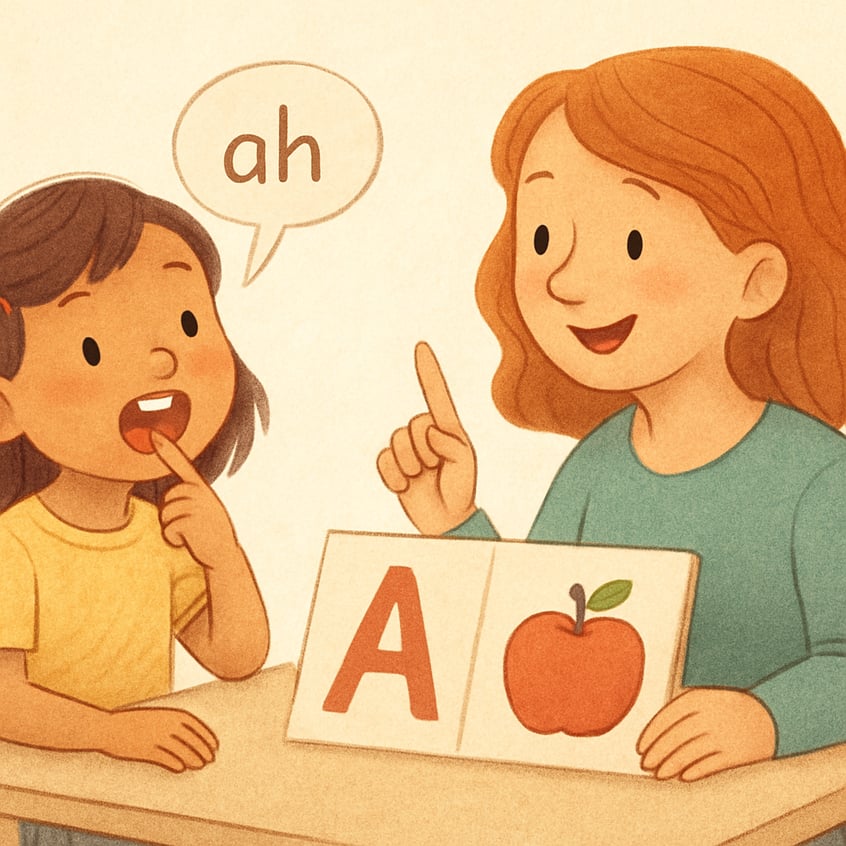
Have you ever wondered what speech therapy is really about? It's more than just correcting a lisp. Speech therapy is a specialized treatment designed to help people with communication problems. Professionals known as speech therapists, or speech-language pathologists, work with individuals to improve their communication skills. By assessing speech, language, and swallowing challenges, they create personalized plans to enhance language skills, build confidence, and improve your ability to connect with others in your daily life.
Key Highlights
-
Speech therapy is an effective treatment for a wide range of communication problems and speech disorders.
-
It helps people of all ages, from children with language development issues to adults recovering from a brain injury.
-
Speech-language pathologists use targeted techniques like articulation and voice therapy to improve communication skills. While speech therapy focuses on helping people produce sounds correctly and improving speech clarity, language therapy targets the understanding and use of words, sentences, and conversation. Understanding how speech therapy works can show you how it addresses specific challenges to improve daily interactions.
-
Understanding how speech therapy works can show you how it addresses specific challenges to improve daily interactions.
-
Ultimately, therapy enhances overall quality of life by boosting confidence and making communication easier.
Common Conditions Treated by Speech Pathologists
Speech pathologists treat a wide range of conditions in all age groups. They help children with developmental delays or speech disorders like stuttering and support adults recovering from strokes or managing Parkinson’s disease. Speech therapy plays a key role in recovery and daily communication.
Whether you face long-term or sudden speech challenges, a pathologist can help. Their expertise covers autism, genetic disorders, brain injuries, and dementia. They address many speech and language disorders to help you regain or build essential communication skills. Now, let’s look at some specific disorders in more detail.
Speech and Language Disorders Explained
Communication disorders include speech and language issues. Language therapy targets understanding and expressing thoughts, addressing receptive (difficulty understanding) and expressive (difficulty communicating) disorders. Speech therapy focuses on producing sounds.
Common issues are articulation disorders (trouble forming specific sounds, e.g., saying "wain" for "rain") and fluency disorders (such as stuttering), which affect speech flow. Voice disorders involve changes in voice quality due to blockages in the nasal or oral cavities.
Each condition needs a different therapy approach. A speech pathologist determines the best treatment based on whether the problem is with language comprehension or speech mechanics.
What Happens in a Speech Pathology Session?
Your speech pathology journey begins with an assessment, where a specialist identifies your communication issues and creates a personalized treatment plan. Sessions are tailored: children may engage in play, books, and pictures to boost language skills, while adults might work on problem-solving, memory, or conversation strategies. Therapists use proven methods in a supportive environment, available through various support systems.
Techniques and Approaches Used
Speech pathologists use personalized techniques to meet each person's communication needs. For social communication disorders, they may use role-playing and conversation practice to improve interactions.
Therapy exercises are tailored to the diagnosis and can include oral muscle strengthening, breathing practice, or specific sound drills. This customized approach is key to effective speech therapy.
Common methods include:
-
Articulation therapy for correct sounds
-
Language activities with books, pictures, and games
-
Voice therapy for hoarseness or vocal strength
-
Cognitive-communication exercises for memory and problem-solving
Role of NDIS in Accessing Services Across Australia
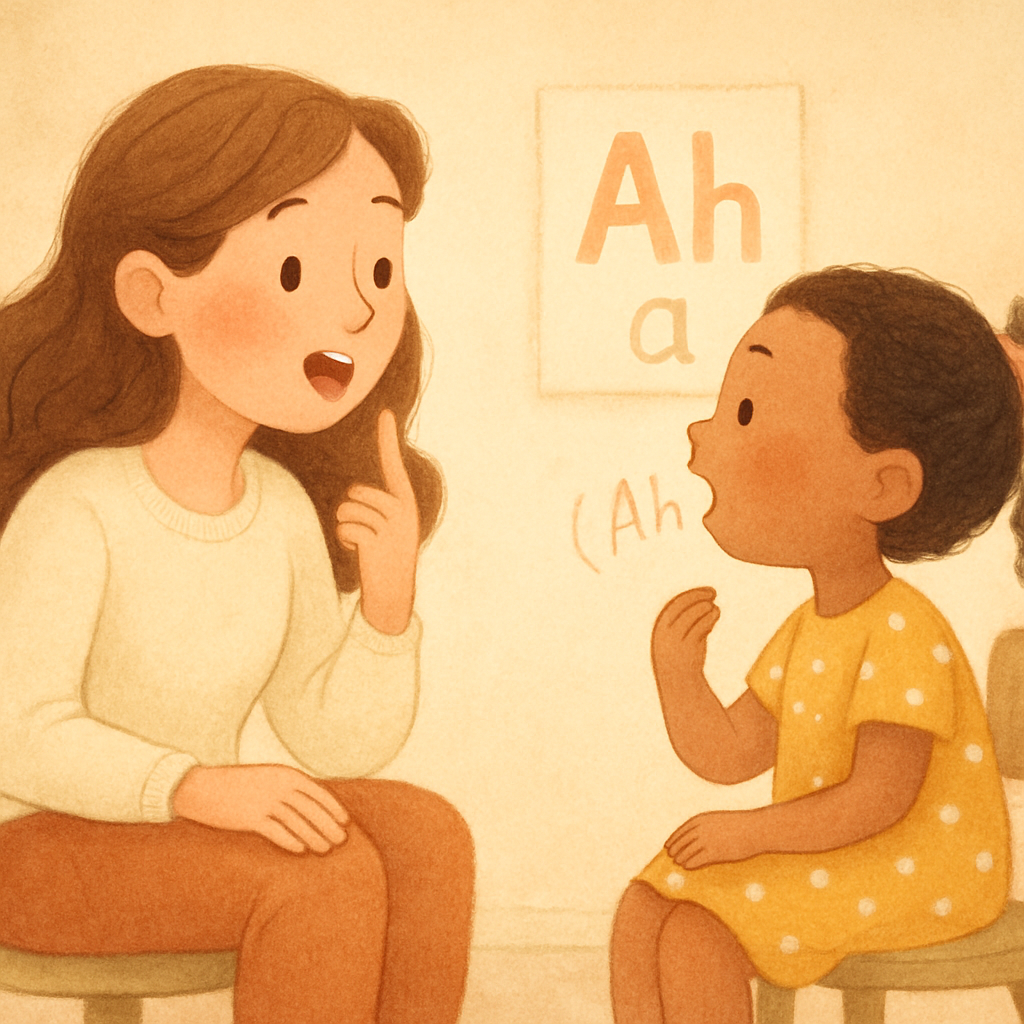
Accessing speech therapy is crucial for anyone with communication challenges. Programs like Australia’s NDIS support people with permanent disabilities, including speech-related conditions, by connecting them with certified professionals.
Speech therapy benefits both children and adults. Early intervention helps kids overcome developmental issues, while adults may need therapy after injury or as conditions progress. The type and frequency of therapy depend on individual needs.
Parents often struggle to know when to seek help. Here are common signs a child may have a speech or language disorder:
|
Age Range |
Signs to Watch For |
|---|---|
|
4-7 months |
Does not babble |
|
7 months–2 years |
Does not understand what others say |
|
12-18 months |
Says only a few words |
|
1.5–3 years |
Does not put words together into sentences |
|
2–3 years |
Speech is unclear, even to familiar people |
Speech Therapy Services in Canterbury and Liverpool
If you need speech pathology services in Canterbury or Liverpool, there are many options available. These services help children with speech delays and adults recovering from strokes improve their communication and quality of life.
Support is offered through hospitals, schools, and private practices, each providing programs tailored to community needs. Exploring these local resources can connect you with professionals who can guide you or your loved one toward clearer communication.
What local options and community programs are available?
Local Clinics and Support Options
Finding the right support starts with exploring local clinics and other available options. Speech therapy is offered in a variety of settings, including outpatient clinics, home care, and schools. Each setting is equipped to address different community needs, so it’s important to talk to your doctor to get a referral and find the best fit for you.
When you connect with a local speech pathologist, they will design a plan of care that is tailored to your unique challenges. This plan will outline the frequency of your visits and the specific goals you'll work toward. For those with social communication disorders, this might involve specific strategies like practicing conversational skills in a safe environment.
Here are some common places where you can find support:
-
Acute care hospitals for post-injury rehabilitation.
-
Outpatient clinics for ongoing therapy.
-
Skilled nursing facilities for residents needing support.
-
Schools for children with developmental delays.
Community Initiatives and Programs
Community initiatives make speech therapy more accessible and practical, supporting people beyond individual treatment. Early intervention in schools and community centers greatly benefits children's academic and social development.
Small group settings foster real-world social communication skills, building confidence and encouraging everyday use of new strategies.
These programs benefit everyone—parents seeking help for their children or adults wanting to improve communication—and are vital for promoting speech therapy as part of community health and wellness.
Conclusion
Improving communication skills through speech therapy can greatly impact your personal and professional life. With support from trained speech pathologists, individuals gain confidence and express themselves more effectively. Therapy techniques and community resources ensure access for everyone. Whether for children or adults, investing in speech therapy leads to lasting positive change.
If you're ready to improve your communication, book a consultation or call daar at 02 9133 2500 explore speech therapy services in Canterbury and Liverpool.
Frequently Asked Questions
How can parents tell if their child needs speech therapy?
Parents can watch for signs of communication problems or developmental delays. If your child isn't meeting typical language development milestones, says only a few words, or has speech problems that make them hard to understand, it may be time to consult a professional. Difficulties with social skills can also be an indicator.
What qualifications do speech pathologists hold in Australia?
In Australia, a speech pathologist is a university-educated professional. They hold degrees in speech pathology and must be certificate holders to practice. Organizations like Speech Pathology Australia ensure that practitioners meet high standards of education and are equipped to treat a wide range of communication disorders related to any underlying medical condition.
How long does it take for speech therapy to show results?
The time it takes to see results varies. It depends on factors like age, the severity of the disorder, and the frequency of speech therapy exercises. For children, early intervention is crucial for brain development. Meeting your specific needs with a consistent plan is the best way to improve your quality of life.
What is speech therapy and how can it help me?
Speech therapy is a specialized form of treatment designed to improve communication skills. It helps individuals overcome speech disorders, articulation issues, and language difficulties. By working with a speech therapist, you can enhance your clarity, fluency, and overall communication effectiveness, leading to greater confidence in social interactions and daily conversations.
.svg)




.svg)