
.png?width=48&height=48&name=Group%201%20(3).png)























30 January, 2026

Overcoming Misbehaviour: Effective Techniques for Parents
Introduction
Dealing with misbehaviour is a universal challenge for parents. Whether you have young children testing boundaries or older children pushing back, these moments can be stressful and confusing. But what if you could understand the "why" behind their actions? This guide offers effective techniques to help you navigate defiance, tantrums, and outbursts. You can learn to respond with confidence and help your child develop healthier ways to express themselves, strengthening your relationship along the way.
Key Highlights
Here are the key takeaways for managing your child's behaviour: Understanding that misbehaviour is often a form of communication is the first step. Tantrums can be a response to big emotions that children can't express with words. Similarly, the film 'Misbehaviour' explores how people's actions, which may be seen as disruptive or rebellious, can serve as powerful communication about their beliefs or feelings. Just as children use misbehaviour to express big emotions, the characters in 'Misbehaviour' use their actions to challenge norms and convey their perspectives.
- Understanding that misbehaviour is often a form of communication is the first step.
- Tantrums can be a response to big emotions that children can't express with words.
- Identifying emotional triggers helps you proactively prevent outbursts.
- Staying calm and consistent is crucial when addressing misbehaviour.
- In some cases, persistent issues may signal underlying behavioural disorders.
- Teaching new skills encourages your child to make positive choices in the future.
Understanding Misbehaviour in Children
All children can be defiant or impulsive from time to time, and this is a perfectly normal part of growing up. However, misbehaviour becomes a concern when it is extreme, challenging, and outside the norm for their age. Understanding your child’s behaviour is key to responding effectively.
Sometimes, this disruptive behaviour can result from temporary stressors, but in other cases, it might point to more enduring behavioural disorders. By developing your child's emotional intelligence, you can help them manage their actions better. The following sections will explore what defines misbehaviour and how common tantrums fit into this picture.
Defining Misbehaviour and Its Common Forms
Misbehaviour in children refers to challenging, defiant, or socially inappropriate actions. Young children may whine or ignore instructions, while older ones might argue, lie, or break rules. These behaviours often signal unmet needs or emotions kids can't express. Occasional defiance is normal; however, persistent misbehaviour can indicate underlying issues like Oppositional Defiant Disorder (ODD), Conduct Disorder (CD), or attention deficit hyperactivity disorder (ADHD). Distinguishing typical acting out from more serious problems is key to finding the right support.
How Tantrums Fit into Childhood Misbehaviour
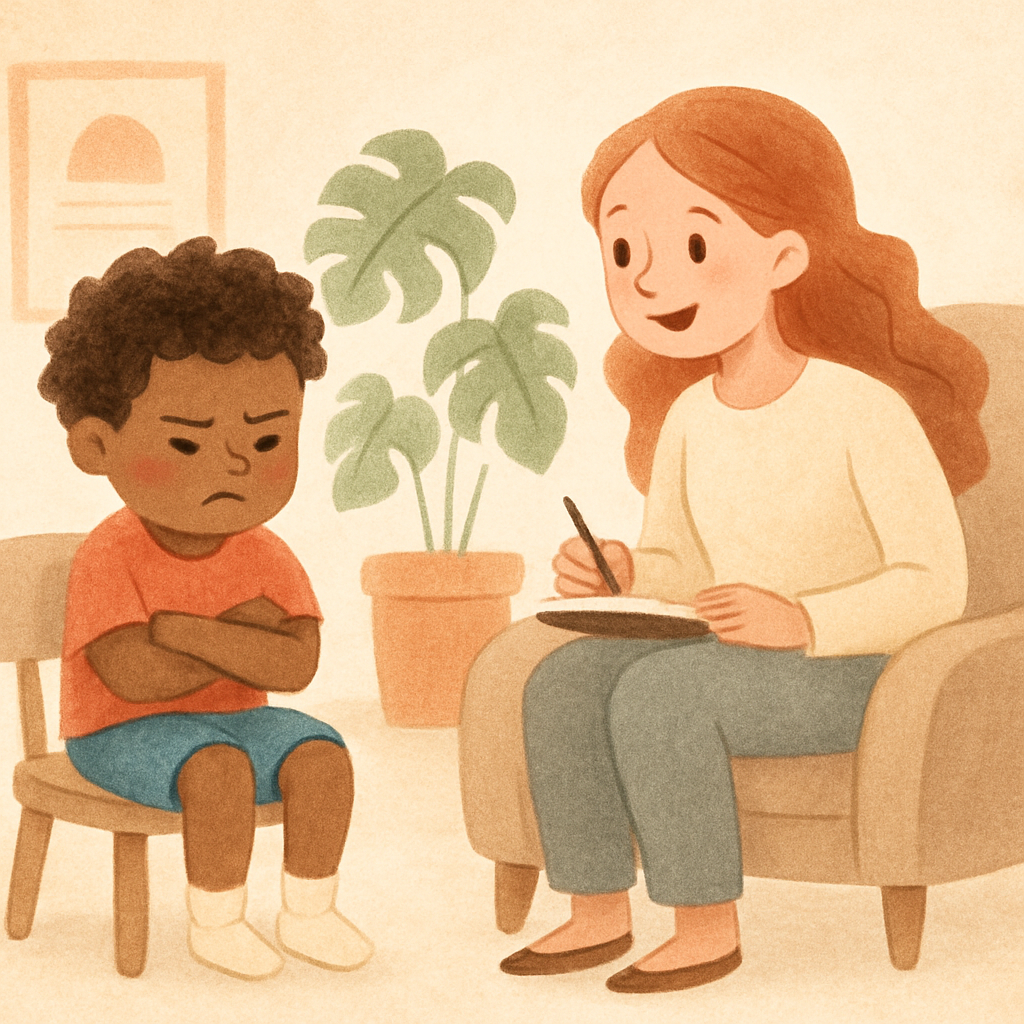
Tantrums are a common and frustrating part of childhood, especially for toddlers who lack strong communication skills. They’re often a child’s way of expressing overwhelming emotions like anger or frustration. While occasional tantrums are normal, frequent or intense outbursts may indicate your child is struggling to cope.
Tantrums usually happen at predictable times, such as when a fun activity ends. Viewing them as signs of distress—not manipulation—can help you respond with empathy and effectiveness.
Typical Causes of Misbehaviour in Kids
The reasons behind a child's misbehaviour are often complex. For both young children and older children, actions are a way to express feelings or needs they can't otherwise articulate. Common causes often fall into a few key categories, including emotional triggers and unmet needs.
Environmental factors, such as a chaotic home life or challenges at school, also play a significant role. Additionally, peer influence can become a powerful motivator for behaviour as children get older. Let's look closer at the emotional and environmental roots of these challenging behaviours.
Emotional Triggers and Unmet Needs
Misbehaviour often stems from strong emotions. Children overwhelmed by feelings may act out simply because they lack the skills to manage them, leading to aggressive or defiant behaviour when angry, sad, or frustrated.
Unmet needs are another common trigger. A hungry, tired, or unwell child may struggle to regulate their actions and lash out, unable to express discomfort constructively. This can result in power struggles.
Recognizing these triggers helps prevent outbursts. Watch for patterns like:
- Overwhelmed by emotions
- Lacking problem-solving skills
- Frustration they can't express
- Needing more connection or attention
Environmental Factors and School Challenges
A child’s environment greatly influences their behaviour. Stress at home—like family conflict or poverty—can cause behavioural problems. Even minor changes in routine may lead to acting out.
School challenges are also significant. Difficulties with reading or writing often result in frustration and misbehaviour. Daily pressures, from homework to social situations, add stress. As children grow, peer influence increases, and they may mimic friends’ actions.
Understanding these factors is key. Here are examples of how environment shapes behaviour:
|
Environmental Factor |
Possible Behavioural Response |
|---|---|
|
Family conflict |
Aggression or withdrawal |
|
Homework difficulties |
Avoidance, frustration, tantrums |
|
Negative peer influence |
Risky or defiant behaviour |
|
Unexpected change |
Anxiety and acting out |
Effective Techniques for Parents to Address Misbehaviour
When faced with misbehaviour, your response matters. The goal is to guide your child toward making positive choices, not just to punish them for their mistakes. Effective strategies focus on teaching new skills and strengthening your connection. This involves helping your child develop better impulse control and communication skills.
By remaining calm and consistent, you can de-escalate difficult situations and create learning opportunities. The following sections offer specific techniques for handling tantrums and teaching anger management, helping you turn behaviour problems into moments of growth.
Strategies for Handling Tantrums and an Angry Child
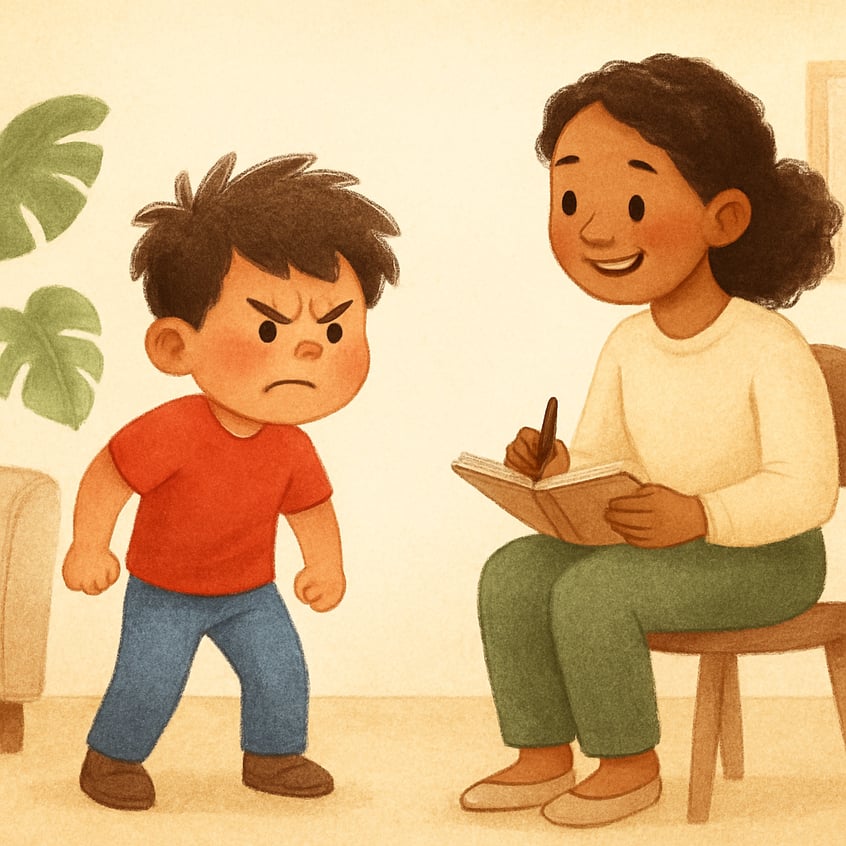
When your child has a tantrum, staying calm is key. Yelling only increases defiance and aggression; your composure teaches self-control.
Don’t give in to demands just to end the tantrum—this reinforces negative behaviour. For young children, a time-out in a quiet space helps. With older kids, temporarily leaving the room can remove the attention they seek.
When tantrums happen, remember:
- Stay Calm: Show the behaviour you want to see.
- Don’t Give In: Avoid rewarding outbursts.
- Use Time-Outs: Give your child space to settle down.
- Praise Calmness: Recognize when they regain control.
Step-by-Step Methods to Help Kids Manage Anger
Teaching a child to manage anger builds emotional intelligence and empowers positive choices. Begin when your child is calm by helping them recognize and name their feelings.
Discuss what anger feels like physically—clenched fists, a hot face—so they can spot frustration early. Once they identify anger, teach healthy coping strategies:
- Take deep breaths.
- Go to a quiet space.
- Use words to express feelings.
- Safely release energy (punch a pillow or run outside).
- Think of solutions to the problem.
Conclusion
In conclusion, understanding and addressing misbehaviour in children is crucial for fostering a healthy parent-child relationship. By identifying the underlying causes and implementing effective techniques, parents can guide their children toward better behaviour and emtional regulation. Techniques such as acknowledging feelings, setting clear expectations, and maintaining consistent discipline can make a significant difference. Remember, patience and empathy play vital roles in this process.
If you're looking for personalized guidance on managing your child's behaviour, consider reaching out for a consultation or call daar at 02 9133 2500!
Frequently Asked Questions
When Should Parents Be Concerned About Repeated Misbehaviour?
You should be concerned about repeated misbehaviour if it's extreme for your child's age, disrupts family life, or causes problems at school. If behavioural issues persist despite your efforts, it may be time to talk to your child’s pediatrician to rule out underlying mental health issues.
Are Toddler Tantrums Normal?
Yes, toddler tantrums are a normal form of communication. Toddlers have a wide range of emotions but lack the vocabulary to express them. However, if tantrums are unusually frequent, intense, or continue past the preschool years, they could signal a bigger problem that needs attention.
What Are the Early Warning Signs of Serious Misbehaviour?
Early warning signs of serious issues include extreme aggression toward people or animals, deliberately destroying property, frequent lying, and stealing. These behaviours, along with poor impulse control, can be indicators of a condition like conduct disorder and warrant a professional evaluation for your children's mental health.
.svg)




.svg)