
.png?width=48&height=48&name=Group%201%20(3).png)























29 January, 2026

Understanding Behaviour Therapy for Kids and Its Benefits
Introduction
Is your child struggling with big emotions or challenging behaviours? You're not alone. Many parents seek ways to support their children's mental health and well-being. Behaviour therapy is a powerful and effective approach that helps kids learn to manage their feelings and actions healthily. This form of therapy can equip your child with valuable skills to navigate life’s challenges, improving their confidence, social interactions, and overall happiness. Let’s explore what this therapeutic approach involves and how it can benefit your child.
Key Highlights
- Behaviour therapy helps children modify negative behaviours by promoting healthy habits and coping skills.
- This effective treatment for children’s mental health addresses the link between thoughts, feelings, and actions.
- Techniques like positive reinforcement are used to encourage better choices and reduce challenging behaviours.
- It is a powerful tool for helping kids with behaviour disorders improve their social skills and confidence.
- Therapy sessions are often fun and engaging, using games and role-playing to teach new skills.
- Parental involvement is key to supporting a child's progress and ensuring long-term positive outcomes.
What is Behaviour Therapy for Kids?
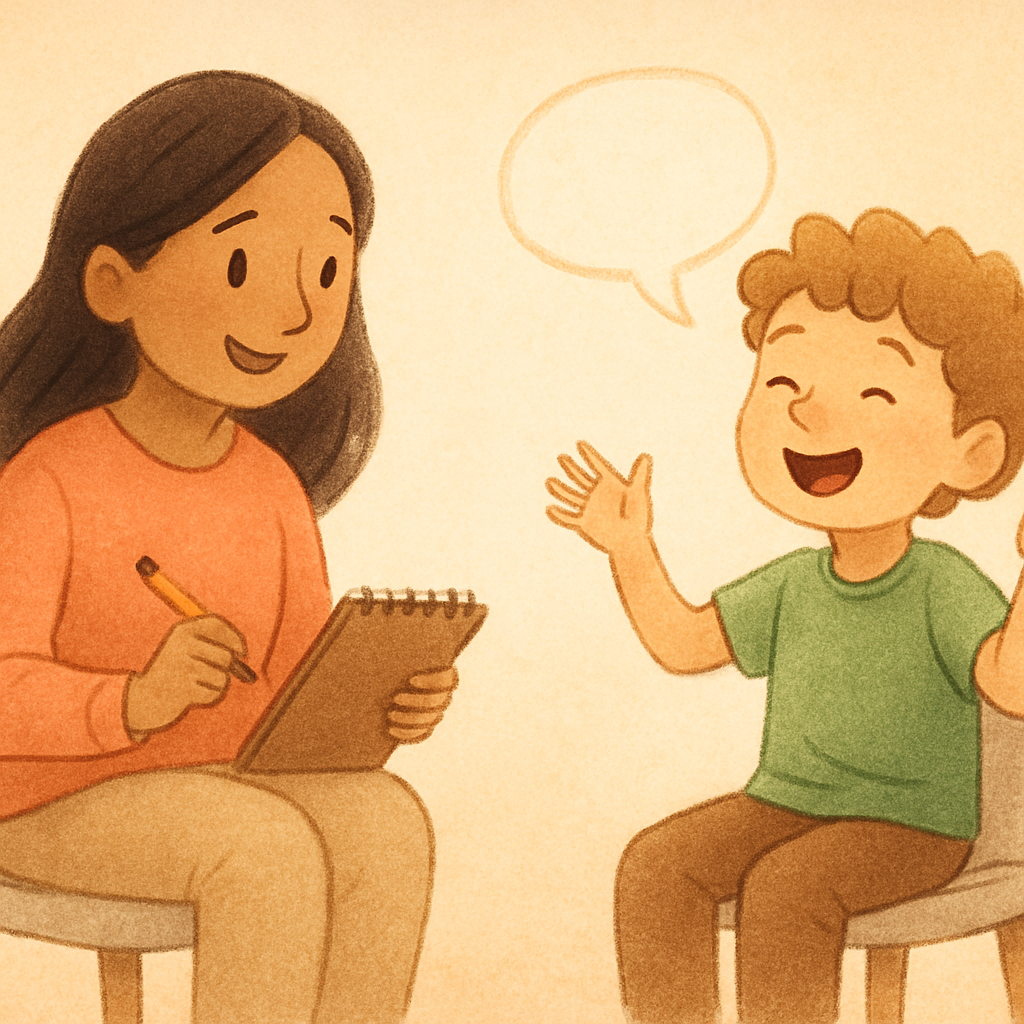
Behaviour therapy for kids focuses on changing negative behaviours through hands-on activities and goal-setting. Instead of just talking, it teaches children new, constructive ways to act and react, helping them understand the link between thoughts, feelings, and actions.
With a therapist’s guidance, children build social skills and gain confidence in handling challenging situations. The aim is to replace problem behaviours with positive ones for better overall well-being. Next, we’ll explore the core principles of this therapy and how it differs from other approaches.
Definition and Core Principles
Behaviour therapy focuses on identifying and changing a child's problematic behaviours. Based on the idea that behaviours are learned, this approach helps children unlearn harmful habits by addressing the links between thoughts, feelings, and actions.
The goal is to understand behaviour triggers and teach new skills—not to punish. Therapists reinforce positive actions, helping children respond better to situations and build self-control and confidence.
Collaboration is key: parents and caregivers learn strategies to support progress at home, creating a supportive environment that encourages lasting positive change for the whole family.
Key Differences Between Behavioural and Occupational Therapy
When seeking support for your child, you may encounter behavioural therapy and occupational therapy. Both help children thrive but focus on different areas.
Behavioural therapy targets a child’s behaviours and thought patterns, aiming to improve mental health by teaching coping strategies and social skills.
Occupational therapy helps children build everyday skills, like writing, sensory processing, and self-care. It addresses physical, sensory, or cognitive challenges that affect daily activities.
In short, Behavioural therapy focuses on the “why” behind actions and emotions; occupational therapy targets the “what” of completing daily tasks.
|
Aspect |
Behavioural Therapy |
Occupational Therapy |
|---|---|---|
|
Primary Focus |
Modifying behaviour and emotional responses |
Building skills for daily activities |
|
Goal |
Improve mental health and coping |
Increase independence in daily life |
|
Treats |
Behaviour disorders, anxiety, ODD, ADHD |
Sensory issues, developmental delays, motor |
How Behaviour Therapy Works in Practice
Behaviour therapy begins with a therapist assessing your child’s challenges, identifying triggers, and setting goals together. This helps create a personalized treatment plan.
Therapists then use practical techniques, like role-playing and modeling, to teach new skills your child can apply right away. Sessions are interactive—often using games and art—to keep learning fun and low-pressure.
Parents also learn these strategies to support progress at home, making treatment a collaborative effort.
Understanding Behaviour Disorders in Children
Some children experience behavioural problems that go beyond typical childhood defiance. These are known as behaviour disorders, which are mental health issues that involve a persistent pattern of challenging behaviours. These can significantly impact a child's ability to function at home, in school, and with friends.
Recognizing the signs of these disorders is the first step toward getting your child the help they need. Early intervention can prevent more serious issues from developing later in life and improve your child’s overall well-being. Let's look at the common types of disorders and what symptoms to watch for.
Common Types of Behaviour Disorders
Several behaviour disorders can affect children, each with distinct patterns. Oppositional Defiant Disorder (ODD) is marked by persistent anger, stubbornness, and arguing with authority. Conduct Disorder (CD) involves more severe actions like aggression, property destruction, or theft.
Other related conditions include Intermittent Explosive Disorder, with sudden aggressive outbursts, and kleptomania, a compulsive urge to steal.
Attention-Deficit/Hyperactivity Disorder (ADHD) and Autism Spectrum Disorder may also contribute to behavioural challenges. While not strictly behaviour disorders, their symptoms can make it hard for children to manage actions and emotions, often requiring similar therapeutic approaches.
Signs and Symptoms to Watch For
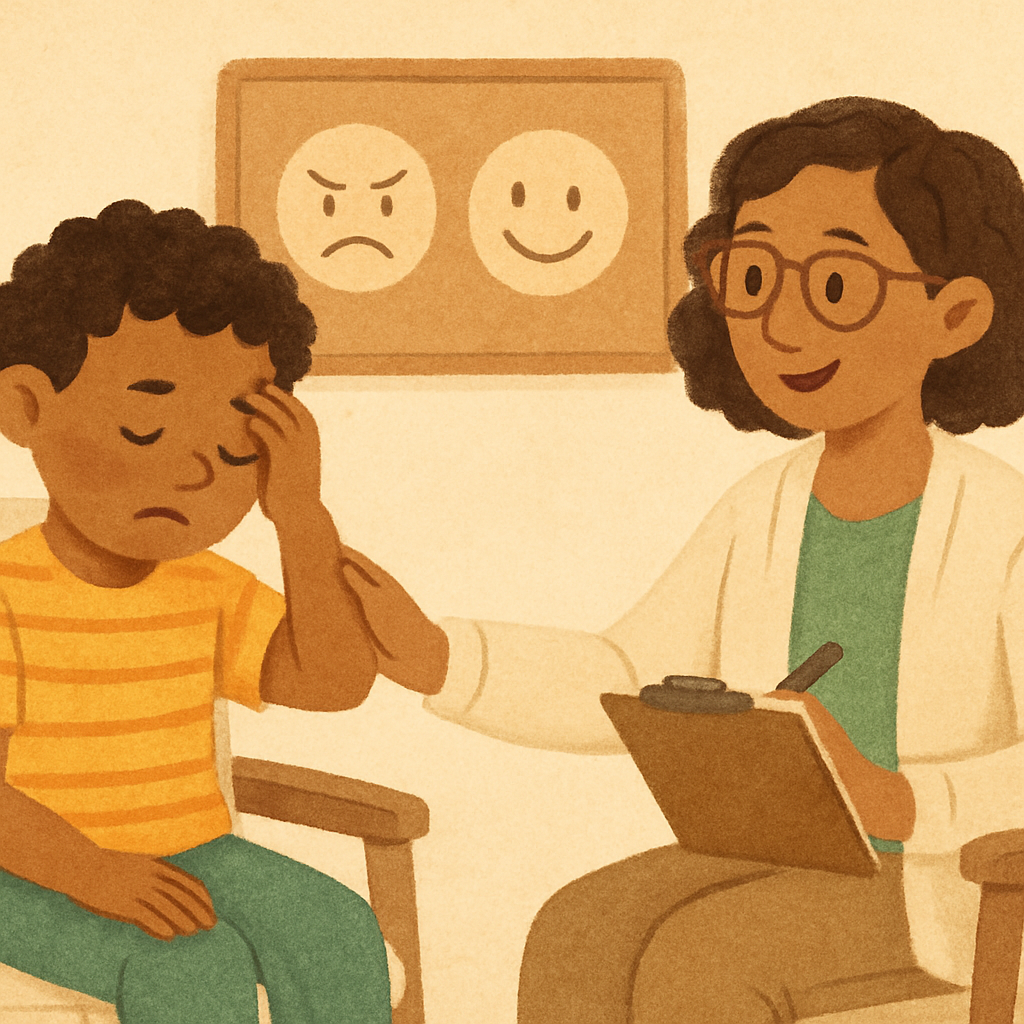
It can be hard to tell the difference between normal childhood phases and signs of a deeper issue. However, persistent problematic behaviours that interfere with daily life may signal a need for support. These behavioural challenges often impact school performance and relationships with family and peers.
Watching for consistent negative behaviours is key to early identification. Do you notice your child having more frequent or intense tantrums than other kids their age? Are they constantly testing limits or arguing with adults? These could be signs of an underlying disorder.
Pay attention to these red flags in your child’s mental health:
- Frequent anger and temper loss
- Constant arguing with adults or refusing to follow rules
- Purposely trying to annoy or upset others
- Blaming others for their own mistakes
- A sudden withdrawal from social activities or interests
- Aggressive behaviour toward people or animals
When Should Parents Seek Behaviour Therapy?
Seeking help is a positive step. If your child's behaviour causes ongoing problems at home, school, or with friends, behavioural therapy may be necessary. When negative thinking or challenging behaviours impact their happiness and learning, professional support can make a big difference.
If your usual parenting strategies aren’t working and your child seems stuck in anger, defiance, or anxiety, it’s a strong sign that expert guidance could help. Behavioural therapy offers structured solutions before issues worsen.
Reach out for help if you feel overwhelmed or worried about your child’s mental health. A therapist can diagnose concerns and create a treatment plan with new coping strategies for your child and support for your family. Don’t hesitate to seek a consultation.
Popular Techniques Used in Behaviour Therapy for Kids
Behaviour therapy utilizes a toolkit of proven techniques to help children learn and grow. These methods are designed to be practical, engaging, and highly effective. Instead of focusing on problems, they build skills and reinforce positive actions. Common approaches include positive reinforcement, which rewards good behaviour, and exposure therapy, which helps children face their fears in a controlled way.
Another powerful technique is response prevention, which helps break the cycle of compulsive habits. These strategies are often adapted into fun games and activities to keep children motivated. Let's explore some of these key techniques in more detail.
Positive Reinforcement Strategies
Positive reinforcement is a cornerstone of behavioural therapy. The idea is simple: rewarding a desired behaviour increases the likelihood that it will happen again. This technique shifts the focus from punishing negative actions to celebrating positive ones, which can greatly improve a child's motivation and quality of life.
To use this strategy effectively, it’s important to be clear and consistent. Instead of vague goals like "be good," you define specific actions, such as "sharing toys graciously." Rewards don't have to be big; praise, extra playtime, or a sticker chart can be very effective. This process helps children see a direct link between their positive habits and a pleasant outcome.
Here are the key steps for setting up a reward system:
- Define Clear Behaviours: Use precise and positive language to describe the target behaviour.
- Choose Meaningful Rewards: Work with your child to pick incentives that are motivating to them.
- Set Achievable Goals: Ensure the targets are reachable to keep your child engaged.
- Be Consistent: Reward the behaviour every time it occurs to strengthen the connection.
Graded Exposure and Fear Hierarchies
Graded exposure is an effective technique for children with anxiety or phobias. It involves gradually facing fears, step by step. First, the therapist helps the child create a “fear hierarchy”—a list of fear-related situations ranked from least to most scary.
For example, a child afraid of dogs might start with seeing a dog on TV and work up to petting a small dog. This breaks the fear into manageable steps, giving the child control and a clear path forward.
The child then begins exposure at the easiest level, staying in each situation until their anxiety lessens. With therapist support, they learn coping skills and gain confidence as they realize they can handle their fears without avoidance. Celebrating each step encourages bravery for future challenges.
Response Prevention and Behavioural Modification
Response prevention is a behavioural therapy technique for children with OCD. It helps them face fears without engaging in compulsive behaviours—like touching a doorknob and delaying hand washing. This teaches that anxiety lessens on its own, breaking the link between obsession and compulsion.
Through guided practice, children learn to manage anxiety and resist repetitive habits. Over time, this reduces challenging behaviours and empowers them to overcome anxiety. Therapists explain the process, support children through discomfort, and help them realize they can tolerate unpleasant feelings without negative consequences.
The Role of NDIS in Behaviour Therapy for Children in Australia
Accessing therapeutic services is crucial for supporting children’s mental health in Australia. National support schemes fund essential services, such as behaviour therapy, for individuals with significant and permanent disabilities. These programs ease the financial burden on families, offering a pathway to high-quality care that enhances skills and well-being.
Funding for behaviour therapy helps children develop coping strategies, social skills, and emotional regulation—key factors for better long-term outcomes and fuller participation in daily life. Access to these services can be transformative for both children and their families. Understanding eligibility and the application process is an important first step.
NDIS Coverage and Access to Services
The National Disability Insurance Scheme (NDIS) helps Australian children with permanent disabilities access behavioural therapy. If a child’s behavioural issues are linked to a disability like autism or an intellectual disability, NDIS may fund therapy to improve their quality of life and community participation.
To receive these services, the child must be an NDIS participant, and the therapy must be deemed “reasonable and necessary” for achieving their goals—such as better social skills, emotional regulation, or reduced harmful behaviours. Funding can cover sessions with qualified behavioural therapists or psychologists.
Key points about NDIS and behavioural therapy:
- The therapy must relate to the child’s disability.
- It should help achieve goals in the child’s NDIS plan.
- Funding may cover assessments and ongoing sessions.
- Support is available through "Improved Daily Living" or "Improved Relationships" budget categories.
Conclusion
In conclusion, understanding behaviour therapy is key for parents supporting their child’s emotional and behavioural growth. This approach addresses behaviour disorders and teaches effective coping strategies, leading to better outcomes. By recognizing when therapy is needed and using techniques like positive reinforcement, parents play a crucial role in their child’s development. Resources such as the NDIS in Australia can also improve access to tailored support.
To learn how behaviour therapy can help your child, contact us for a consultation or call daar at 02 9133 2500!
Frequently Asked Questions
Are there effective strategies parents can use at home to support behaviour therapy?
Yes, absolutely. Parents can support behaviour therapy at home by using positive reinforcement to reward good behaviour, maintaining consistent rules, and practicing new coping strategies with their child. Participating in family therapy sessions can also provide you with effective tools and strengthen your ability to help your child succeed.
What treatments are recommended for children with disabilities?
For children with disabilities like autism spectrum disorder or intellectual disabilities, treatments are tailored to their unique needs. Cognitive behavioural therapy (CBT) and other forms of behavioural therapy are highly effective. These approaches are often modified to be more hands-on and may involve a family member to ensure support.
How do specialists tailor behaviour therapy to each child?
Specialists tailor behaviour therapy by first assessing each child's individual needs, strengths, and the triggers for their behaviour. Based on this, they create a personalized therapeutic approach. This plan selects the most appropriate techniques and goals to help the child develop new skills and manage their specific mental health conditions effectively.
.svg)




.svg)