
.png?width=48&height=48&name=Group%201%20(3).png)























2 February, 2026

5 Effective Ways to Handle an Angry Child
Introduction
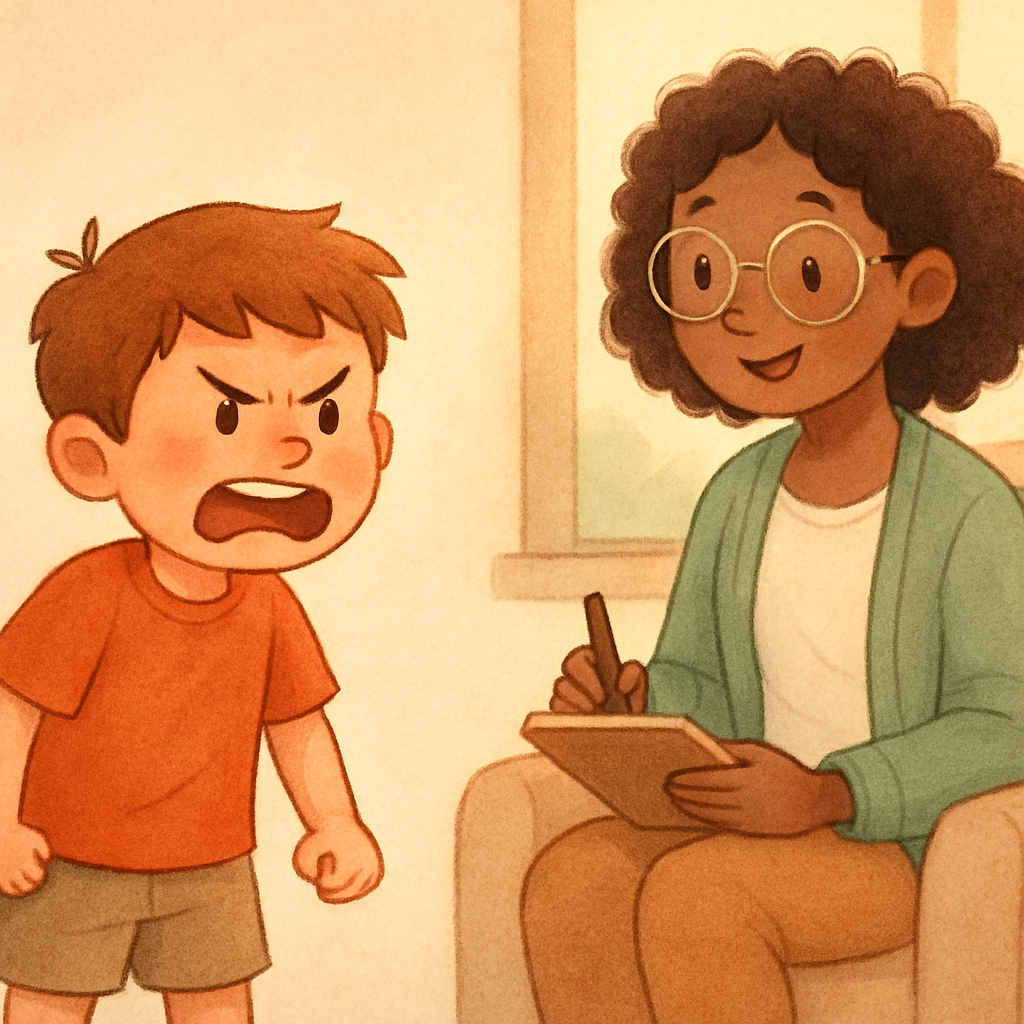
Watching your child struggle with anger can be a stressful and scary experience for everyone. When young children have explosive outbursts, it’s often because they are overwhelmed by strong emotions and lack the coping skills to manage them. This behaviour is a form of communication, signaling that they are distressed and need help. Understanding the root of these outbursts and how to respond can transform these challenging moments into opportunities for growth and learning.
Key Highlights
- A child’s anger often comes from frustration and not having the skills to solve problems. If a child’s anger is left unmanaged over time, it can lead to long-term effects such as poor emotional regulation, difficulties in relationships, academic struggles, and increased risk of mental health challenges. Parents can help by staying calm, not giving in to demands, and praising good emotional expression.
- Parents can help by staying calm, not giving in to demands, and praising good emotional expression.
- Teaching young children coping skills and problem-solving helps reduce challenging behaviours.
- Underlying issues like ADHD, anxiety, or autism can contribute to explosive anger.
- Improving a child's emotion regulation is a key part of their development and mental health.
- Consistent strategies and professional help can make a big difference.
Common Causes of Anger and Explosive Behaviour
Explosive behaviour in children often results from difficulty handling frustration and underdeveloped emotional regulation skills. Lacking language, impulse control, or problem-solving abilities, they may act aggressively instead of expressing their feelings. These behaviours can signal distress or a need for help.
Sometimes, underlying mental health issues like ADHD, anxiety, trauma, or learning disabilities make it even harder for children to manage emotions. Identifying triggers is the first step in helping your child develop healthier coping strategies. Let’s look at common triggers and contributing factors.
Triggers for Tantrums in Kids
Tantrums are common in young children, especially during transitions or when asked to do something they dislike. Triggers often include demands they don’t like, ending a preferred activity, homework time, and bedtime routines. Unexpected changes can be particularly challenging for children with autism or sensory processing issues, who rely on routine for comfort.
Frequent or intense tantrums may signal behavioural disorders such as ADHD, DMDD, or autism spectrum disorder. These conditions make it harder for children to manage their emotions, leading to more frequent outbursts.
The Role of Stress, Fatigue, and Hunger
Basic physical needs greatly affect a child's ability to manage emotions. Like adults, children are more likely to lose their temper when tired, hungry, or stressed. Fatigue and hunger lower frustration tolerance and increase the chance of meltdowns. Older children may become irritable from school and social pressures.
Recognizing these states helps prevent outbursts. Making sure your child gets enough sleep and regular meals can significantly improve their mood and emotional control. Toddlers are especially prone to tantrums driven by these factors—a normal stage in their development.
How these factors affect behaviour: | Factor | Impact on Behaviour | Stress | Triggers "fight or flight" responses and lashing out | | Fatigue | Lowers impulse control and frustration tolerance | | Hunger | Causes irritability, poor focus, and difficulty staying calm |
Developmental Milestones and Anger Expression
Managing anger is a normal part of childhood development. Outbursts are common in toddlers and preschoolers as they learn to handle big feelings. With age, children should improve at managing frustration.
The difference between normal anger and a potential issue is in the frequency, intensity, and duration of outbursts—especially as kids get older. Tantrums are expected at age 3, but frequent, intense meltdowns at age 8 may signal a deeper problem. Knowing what’s typical for each age helps you track your child’s progress and spot red flags.
What to Expect at Different Ages
Anger expression changes as children grow. What’s normal for toddlers differs from older kids. Toddlers often have frequent tantrums because they’re learning independence, but haven’t developed language or emotional regulation skills.
As kids reach school age, physical outbursts should decrease as they learn better ways to express feelings. Frustration is still common, especially with homework or social issues.
General guide:
- Toddlers (2-3): Frequent, physical tantrums (hitting, biting) are typical.
- Preschoolers (4-5): Outbursts are less frequent but may include yelling or stomping.
- Older Children (6+): Physical aggression is rare; they should begin using words to express anger.
If an older child still has toddler-like tantrums, it may signal a delay in emotional development.
When Frequent Tantrums Signal a Deeper Issue
Tantrums are normal, but frequent, intense, or destructive outbursts—especially beyond preschool—may signal deeper issues. If your child’s behaviour causes significant problems at home or school, or leaves you feeling overwhelmed or scared, consider seeking professional help.
Such outbursts can indicate underlying behavioural disorders. For example, children with ADHD may react explosively due to impulsivity and low frustration tolerance. Kids with autism might have meltdowns from sensory overload or routine changes. Anxiety and learning disabilities can also cause anger and defiance.
If you’re concerned about your child’s anger, talk to your pediatrician. They can rule out medical causes and refer you to a specialist if needed. Getting an accurate diagnosis is essential for effective support and treatment.
Practical Strategies to Manage Anger at Home
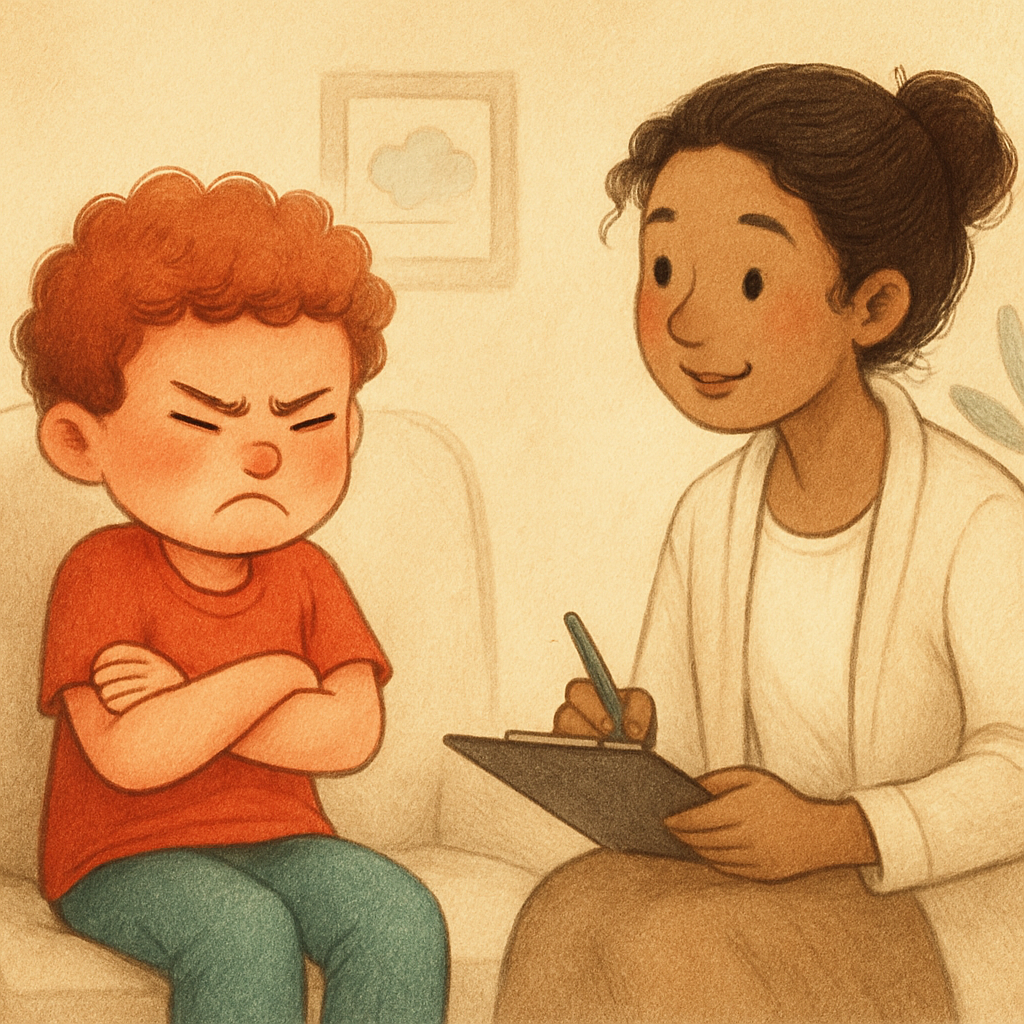
During a child’s meltdown, stay calm yelling only makes things worse. Create a safe space and set clear expectations. Use consistent consequences for misbehaviour and praise positive actions to guide better choices.
Effective management combines immediate responses with proactive teaching. Show your child how to manage anger before it escalates. Next, we’ll cover calming techniques for tantrums and ways to set boundaries that prevent misbehaviour.
Calming Techniques to Diffuse Tantrums
When your child has a tantrum, your goal is to help them calm down. Model calmness by speaking softly and keeping your body language relaxed. Avoid lecturing—children overwhelmed by big feelings can’t process information, so this isn’t a teachable moment.
Set up a safe space in your home where your child can go to cool off, free of objects they could throw or break. Stay nearby and offer reassurance, such as, “I’m here for you.” Once they’re calm, discuss what happened. Helpful coping techniques include:
- Taking deep breaths together
- Letting them rip paper or squeeze a stress ball
- Using a time-out for space
Praise your child when they calm down—this reinforces their ability to manage anger.
Setting Clear Boundaries to Prevent Misbehaviour
Setting clear, consistent boundaries is key to managing behaviour. When children know what to expect—especially during common conflict times like homework or bedtime—they are less likely to test limits. Avoid giving in to angry outbursts, as this only reinforces negative behaviour.
Parent Management Training (PMT) teaches parents to use consistent consequences for misbehaviour and positive reinforcement for good behaviour, improving impulse control and cooperation. Praising small successes motivates children.
Effective strategies include:
- Giving time warnings before transitions (“We’re leaving in 10 minutes”).
- Breaking tasks into simple, one-step directions.
- Using reward systems like tokens or points.
Consistency helps children understand that their actions have predictable outcomes, guiding them toward better choices.
Building Emotional Skills and Self-Regulation
Helping your child manage anger is about building lifelong skills, not just stopping tantrums. Teach them to understand and express emotions with words—children who can name their feelings are less likely to act out. This takes patience, coaching, and repetition.
By guiding them to communicate needs instead of reacting in anger, you empower them to handle challenges constructively. Strong communication skills are key. The next sections will show how to help your child recognize anger and express it with words.
Teaching Kids to Recognize Physical Signs of Anger
Many children don’t recognize their anger until they’ve already lost control. You can help by teaching them to notice physical signs when strong emotions build—like clenched fists, feeling hot, or faster breathing. This self-awareness is the first step to using coping skills before anger escalates.
Talk with your child about how their body feels when mad. Try using a “feelings thermometer”: draw one and have your child describe their behaviours and body language at different anger levels, from mild annoyance to rage. Signs might include:
- Loud voice or growling
- Stomping feet
- Tightness in chest or stomach
Once they spot these signals, teach coping strategies for each level to help them calm down.
Helping Children Communicate Their Feelings
Communication is key to managing anger. When children can’t express big feelings with words, behaviour problems often follow. As a coach, help them build an emotional vocabulary so they can talk about what’s bothering them instead of acting out.
When your child is calm, discuss different feelings using books, real-life examples, or the “anger iceberg” to show that anger often covers other emotions like sadness or frustration. Help them connect feelings to words by:
- Naming their emotions (“It looks like you’re feeling frustrated”)
- Asking open-ended questions (“How did that make you feel?”)
- Praising them for expressing themselves with words
These coaching buildshing builds vital communication skills and teaches your child that talking about feelings is a safe way to solve problems.
Conclusion
In conclusion, managing anger in kids is a vital aspect of their emotional development and overall well-being. By understanding the common causes of anger, recognizing developmental milestones, and implementing practical strategies, you can create a supportive environment where your child feels safe to express their feelings. Teaching emotional skills and self-regulation not only helps them navigate their anger but also fosters healthier communication. Remember, patience and consistency are key.
If you're looking for more personalized strategies or guidance, don’t hesitate to reach out for a consultation or call daar at 02 9133 2500. Your child's emotional health deserves the best support!
Frequently Asked Questions
When Should I Seek Professional Help for My Child’s Anger?
You should seek professional help if your child's anger is frequent, intense, and causing significant behaviour problems at home or school. If you feel scared by their behaviour or suspect an underlying issue like ADHD or autism, consult your pediatrician or a mental health professional for guidance.
What are some effective techniques for helping children express their anger in a healthy way?
Effective techniques include teaching coping skills like deep breathing, creating a calm-down space, and coaching them to use their words. Improving their communication skills helps with emotion regulation, allowing them to express anger by talking about their feelings rather than acting out physically or aggressively.
What role does communication play in managing a child's anger?
Communication is crucial. By coaching children to use emotional words, you help them develop the communication skills to express big feelings constructively. This shifts their mindset from reacting with outbursts to proactively sharing what’s wrong, which is a key part of managing anger effectively.
.svg)




.svg)