
.png?width=48&height=48&name=Group%201%20(3).png)























2 February, 2026

Understanding Toddler Tantrums: Tips for Parents
Introduction
Dealing with a toddler’s temper tantrums can be one of the most frustrating parts of parenting. These sudden outbursts of crying, screaming, and kicking can test your patience. However, instead of viewing them as disasters, you can see them as opportunities. A tantrum is your toddler’s way of communicating overwhelming feelings. Understanding the root causes of this behaviour is the first step toward helping your child and supporting their mental health as they grow.
Key Highlights
- Temper tantrums are a normal part of child development, typically occurring in young children between the ages of one and three. These emotional outbursts happen because toddlers have big feelings but lack the impulse control and communication skills to express them calmly. If a toddler has a temper tantrum in a public place, it’s important to stay calm and offer reassurance, making sure your child is safe. Try to acknowledge your child’s feelings without giving in to demands that reinforce negative behaviours, and use gentle guidance to help them regain control.
- These emotional outbursts happen because toddlers have big feelings but lack the impulse control and communication skills to express them calmly.
- Common triggers include fatigue, hunger, frustration, or not getting something they want.
- Parents can manage tantrums by staying calm, offering comfort, or using distraction techniques.
- While most tantrums are normal, frequent or aggressive outbursts may signal underlying issues that require professional attention.
What Are Toddler Tantrums and Why Do They Happen?
Temper tantrums can range from simple whining and crying to intense screaming, kicking, and even breath-holding. These outbursts are equally common in boys and girls and are a part of normal development, especially for young children between the ages of one and three. They represent your child's struggle to express frustration when they're upset.
Often, tantrums happen when a toddler is tired, hungry, or uncomfortable. They might have a meltdown because they can't get a toy they want or because they're unable to communicate their needs effectively. Learning to manage frustration is a skill that children develop over time.
Defining Tantrums in Young Children
A tantrum is an emotional outburst showing a child’s frustration or upset, common in young children. Behaviours can include screaming, crying, kicking, hitting, going limp, or even holding their breath.
Tantrums are especially frequent around age two, when language skills are still developing. Toddlers often get frustrated because they can't express their needs or feelings with words.
This age also brings a strong desire for independence. When toddlers realize they can’t do things on their own or can’t get what they want, the resulting frustration often leads to tantrums.
Common Triggers and Causes of Tantrums
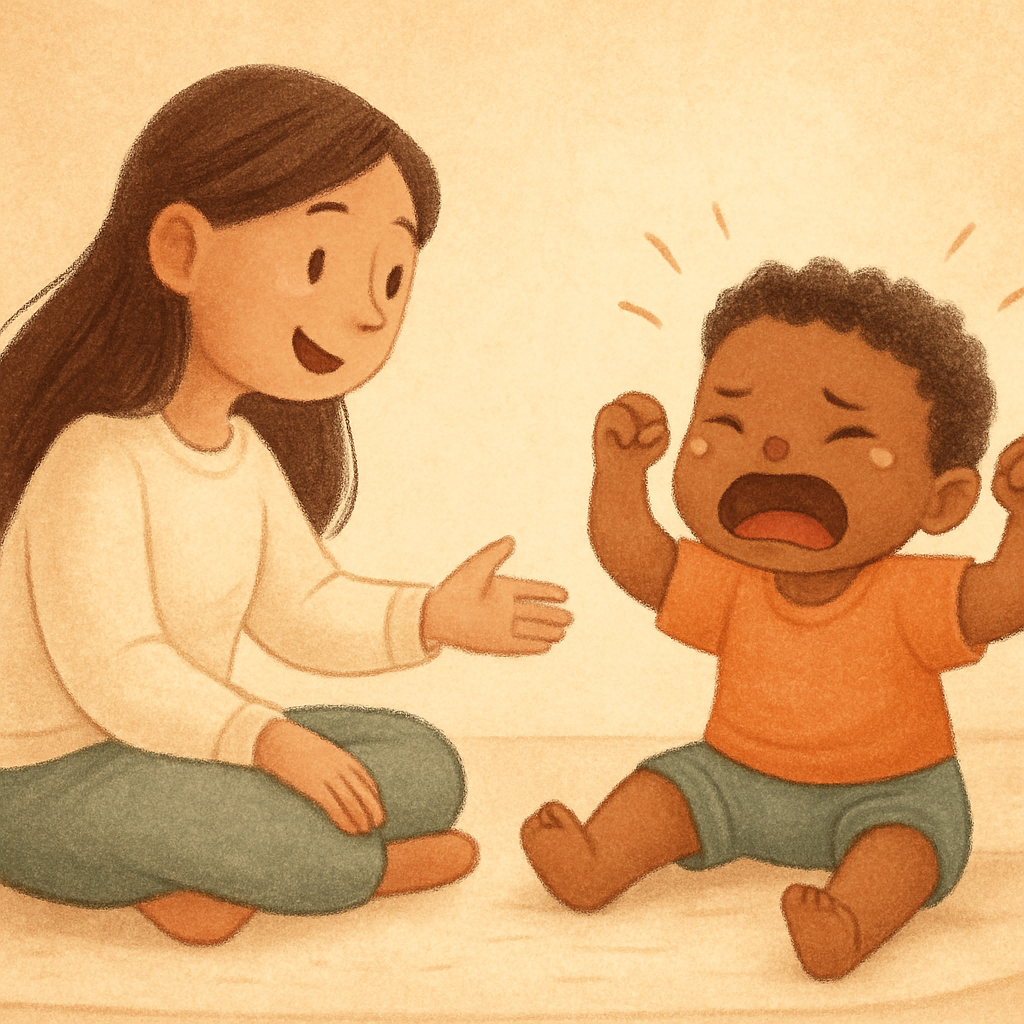
Most tantrums in young children happen for very predictable reasons. The key triggers are often related to a child's physical or emotional state. When your toddler lacks the words to express what’s wrong, their frustration can boil over into a full-blown tantrum.
Some of the most common causes include:
- Being tired or needing a nap
- Feeling hungry and needing a snack
- Being uncomfortable or feeling overstimulated
- Wanting a toy or treat they can't have
- Feeling jealousy toward a sibling
- Seeking attention from a parent
Certain times of the day can also be flashpoints for tantrums. These often occur when a child is asked to do something they don’t want to do, like get ready for bed, or stop doing something they enjoy, like playing. Excessive stimulation or an overwhelming environment can also contribute to a meltdown.
The Connection Between Tantrums, Angry Child Reactions, and Misbehaviour
A child who lashes out is often in distress, lacking the skills to manage anger and frustration. Their behaviour is a way of communicating, not intentional misbehaviour.
Toddlers have tantrums because they’re overwhelmed and lack impulse control or problem-solving skills. Viewing their actions as manipulative is usually a mistake; it’s more likely a sign they can’t cope with the situation. Their temper reflects their struggle.
Your response to these outbursts directly affects your child’s ability to learn healthier coping strategies. Reacting calmly—not with frustration—teaches them how to manage strong emotions.
Understanding the Emotional Development Behind Toddler Tantrums
Toddler tantrums are deeply connected to your child's emotional growth and overall mental health. These emotional outbursts are not a sign of bad parenting but a signal that your child is navigating a complex stage of development. They are learning to identify and manage powerful emotions for the first time.
Understanding that tantrums are a normal, albeit challenging, part of this process can help you respond with more patience and effectiveness. It reframes the situation from a battle of wills to a teaching moment, which is crucial for your children’s mental health. Recognizing this link helps you support their journey toward emotional maturity.
How Tantrums Relate to Emotional Growth
Tantrums are a clear indicator of where a child is in their emotional growth. Young toddlers simply do not have the developed brain pathways for strong impulse control. When they feel frustrated or angry, their immediate reaction is to express it physically and loudly because they haven't learned other ways to cope.
As children mature, their communication skills improve. The ability to use words to say "I'm mad" or "I want that" reduces the need for a tantrum. This progression is a key part of their development. They slowly learn to delay gratification, negotiate, and handle frustration without melting down.
This is where you come in. By modeling calm behaviour and teaching coping strategies, you can guide your child's emotional development. Techniques taught in parent management training can be very effective, as they focus on building your child's communication skills and self-control, helping them move beyond tantrums.
Recognising Normal vs. Concerning Tantrum Patterns
While frequent temper tantrums are normal, there are times when they might signal deeper behaviour problems. It's important to know the difference so you can seek help if needed. Most tantrums are temporary and will fade as your child develops better coping skills.
However, if you notice the tantrums are becoming much more frequent, intense, or lasting longer, it may be time to consult a professional. Other red flags include your child hurting themselves or others during an outburst or showing extreme, constant opposition. Sometimes, underlying issues like ADHD, anxiety, or disruptive mood dysregulation disorder can cause explosive behaviour. A clinical psychologist can provide a proper diagnosis and reassurance.
Here is a simple guide to help you tell the difference:
|
Normal Tantrums |
Concerning Tantrums |
|---|---|
|
Occur between ages 1-3. |
Persist or worsen past preschool age. |
|
Triggered by clear causes like hunger or frustration. |
Occur more frequently, last longer, or are more intense. |
|
The child is consolable or calms down eventually. |
The child regularly tries to harm themselves or others. |
|
Behaviour improves as language skills grow. |
The child is extremely irritable and angry even between tantrums. |
Conclusion
In conclusion, understanding toddler tantrums is essential for fostering a nurturing environment for your little one. By recognizing the triggers and emotional development behind these outbursts, parents can approach these challenging moments with patience and empathy. Implementing strategies such as consistent routines, open communication, and emotional validation will not only help manage tantrums but also promote healthy emotional growth in your child. Remember that tantrums are a normal part of development, reflecting your toddler's journey toward self-regulation.
If you’re looking for personalized guidance, don’t hesitate to reach out for a consultation or call daar at 02 9133 2500 to support your parenting journey.
Frequently Asked Questions
Is it normal for my toddler to have frequent tantrums?
Yes, it is completely normal for young children and preschoolers to have frequent temper tantrums. This is a part of normal development and serves as their primary way of expressing frustration before they have the words to do so. With reassurance and time, this phase will pass.
How do I teach my toddler to regulate emotions after a tantrum?
Once your toddler is calm, praise them for regaining control. Help them learn self-regulation by naming their feelings and talking about what happened. This improves communication skills and impulse control. For future emotional outbursts, you can introduce simple anger management strategies, like taking a moment to breathe.
Are toddler tantrums the same as anger issues?
No, temper tantrums are not the same as anger issues. Tantrums are a normal developmental behaviour where a child struggles with feelings of anger. An angry child with potential anger issues may show persistent misbehaviour and aggression that does not improve with age and may require professional support.
What should I do if my child’s tantrums don’t improve?
If you notice your child's tantrums are worsening or not improving with age, it's a good idea to seek help. You can start by speaking with your GP for reassurance. They may refer you to a clinical psychologist to rule out underlying behaviour problems and support your children’s mental health.
.svg)




.svg)