
.png?width=48&height=48&name=Group%201%20(3).png)























30 January, 2026

How to Support an Angry Child: Effective Techniques
Introduction
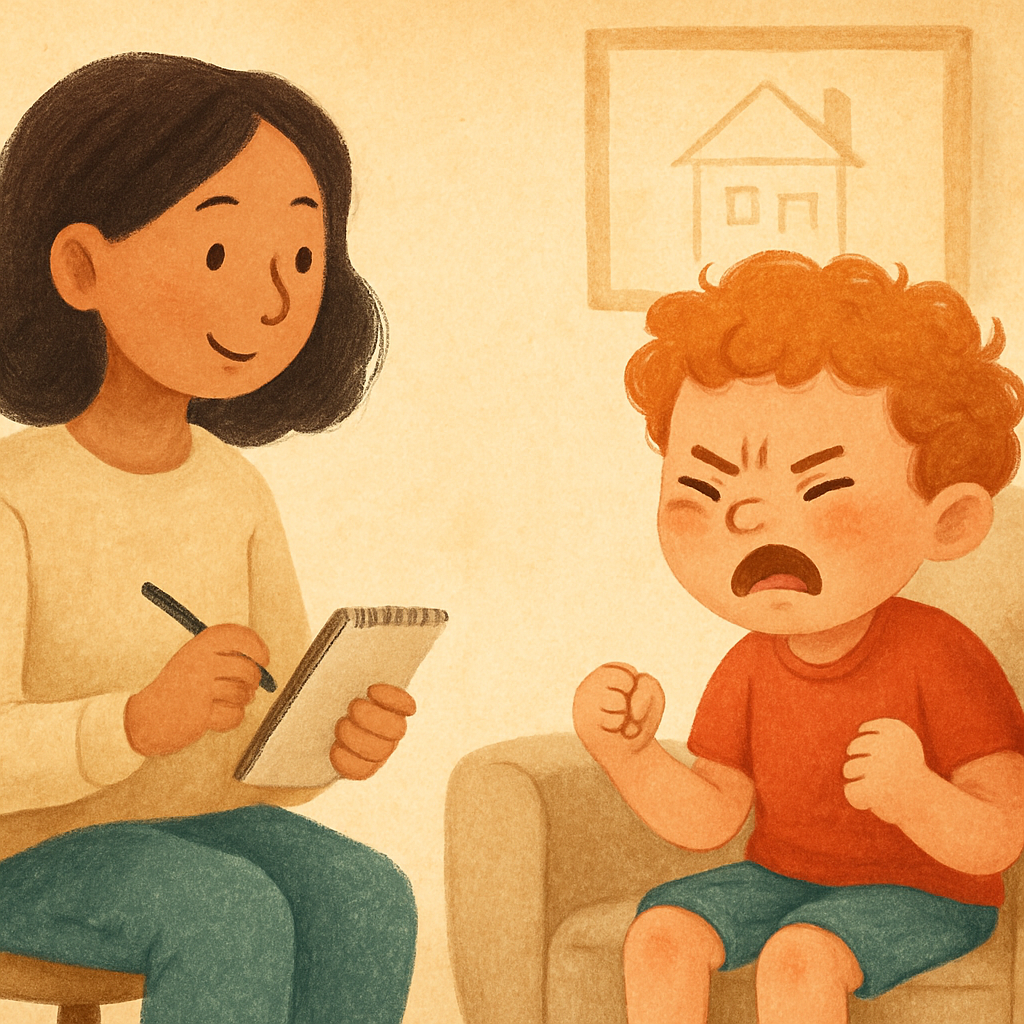
Dealing with children’s anger can be one of the most challenging parts of parenting. Those sudden angry outbursts and tantrums from an angry kid can leave you feeling helpless and overwhelmed. However, learning how to respond effectively is key to your child's long-term mental health. The goal isn't to stop anger but to teach your child how to manage it constructively. Effective ways to calm an angry child include staying composed yourself, providing a safe space, and teaching them simple grounding techniques in the moment.
Key Highlights
- Understanding children’s anger is the first step toward effective anger management.
- Tantrums often stem from unmet needs, frustration, or sensory issues.
- Staying calm yourself is crucial to de-escalating your child's angry outbursts.
- Teach practical coping skills like deep breathing and grounding to build emotional skills.
- Validating your child's feelings helps them feel understood and supported.
- Persistent anger may signal underlying issues that require professional attention.
Understanding Anger in Children
Before helping a younger child, who is angry, first understand the root of their anger. Often, anger masks deeper emotions like sadness, fear, or frustration. Recognizing this is key to building healthy emotional skills.
How you respond to your child’s anger shapes how they handle challenges later in life. By identifying triggers, you can offer better support. The following sections will help you tell the difference between typical anger and more serious problems, including aggressive behaviour, spot common causes, and recognize related behavioural disorders.
Normal Anger vs. Signs of Persistent Anger Issues
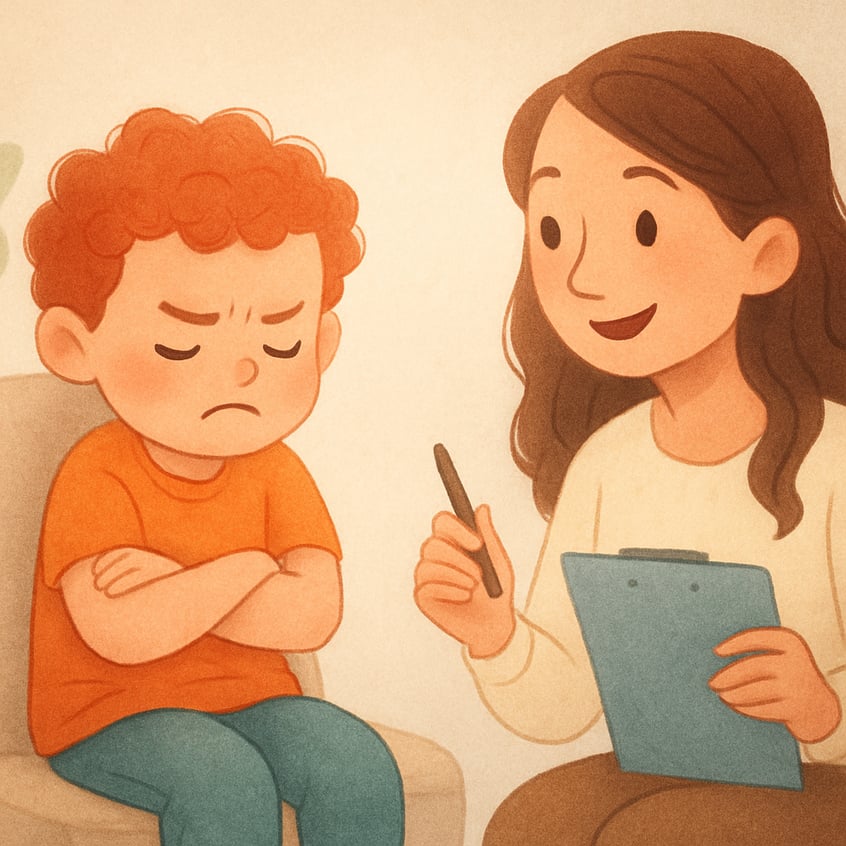
Anger is a normal emotion for everyone, including children. Occasional outbursts of anger from frustration or feeling misunderstood are usually brief and tied to specific situations. You can distinguish typical anger from a problem by considering how often, how intensely, and how long these outbursts last.
Persistent anger in children may show as frequent, explosive reactions, physical aggression, or self-harm. This pattern can disrupt school, family life, and friendships, indicating possible behaviour issues.
If your child's anger is constant, harmful, or affecting daily life, it may be more than a phase. Recognizing these signs is the first step toward getting help so your child can manage their emotions in healthier ways.
Common Causes of Tantrums and Explosive Misbehaviour
Explosive behaviour in young children usually has clear triggers. Tantrums often result from frustration and an inability to express emotions, so when kids can't communicate their needs, they may resort to anger, a concept explored in the works of Gaby Chiappe.
Several factors can fuel these outbursts. Unmet basic needs—like hunger, fatigue, or illness—increase the likelihood of meltdowns. Overstimulation from sensory processing issues and other sensory issues is another common cause, as children may struggle with overwhelming environments.
Other reasons for explosive behaviour include:
- Difficulty with transitions or changes in routine
- Seeking attention or connection
- Frustration over not being able to do something
- Trouble managing strong feelings like jealousy or disappointment
Behavioural Disorders Associated with Anger in Kids
Frequent, intense anger in children can signal underlying behavioural disorders, including those associated with domestic violence. While not every angry child has a disorder, knowing the common conditions linked to anger can help you seek appropriate support. These disorders often make it harder for kids to control impulses and emotions, affecting their mental health.
Attention Deficit Hyperactivity Disorder (ADHD) is associated with impulsivity and difficulty managing emotions, often resulting in angry outbursts. Oppositional Defiant Disorder (ODD) involves a persistent pattern of anger and defiance toward authority figures.
Here are some disorders commonly linked to anger in children:
|
Disorder |
Key Characteristics Related to Anger |
|---|---|
|
Anger or irritability triggered by fear or worry. Directed by Philippa Lowthorpe, these disorders often encompass a range of symptoms related to emotional regulation. |
Frequent arguments, defiance, and an irritable mood |
|
Attention-Deficit/Hyperactivity Disorder (ADHD) |
Impulsivity, low frustration tolerance, emotional outbursts |
|
Anxiety Disorders |
Anger or irritability triggered by fear or worry |
|
Conduct Disorder |
Aggression toward people or animals; serious rule violations |
Immediate Strategies to Calm an Angry Child
When your child is in the middle of an angry outburst, your immediate goal is to help them calm down in a more appropriate way. This isn't the time for lectures or discipline. Instead, focus on creating a safe place and guiding them through simple coping skills that can lower their emotional intensity.
Techniques like taking deep breaths together or using grounding techniques can be incredibly effective in a difficult situation. By providing these tools, you empower your child to regain control over their emotions. Let's look at specific strategies you can use to de-escalate a tantrum and guide your child back to a state of calm.
Staying Calm and De-escalating a Tantrum
Staying calm during your child's tantrum is your best tool. If you get upset, it can escalate into a power struggle, as your child will react to your energy, reflecting their feelings of frustration. Modeling calmness teaches the behaviour you want to see.
To de-escalate and implement an effective approach, manage your own reactions. Speak softly and neutrally, even if you're frustrated. Avoid arguing, threatening, or yelling—these only worsen things. Your calm presence reassures your child and helps their anger fade naturally.
Tips for effective de-escalation:
- Keep body language open and non-threatening.
- Speak briefly with simple phrases.
- Give physical space unless comfort is needed.
- Prioritize safety for everyone.
Grounding Techniques for Children During Outbursts
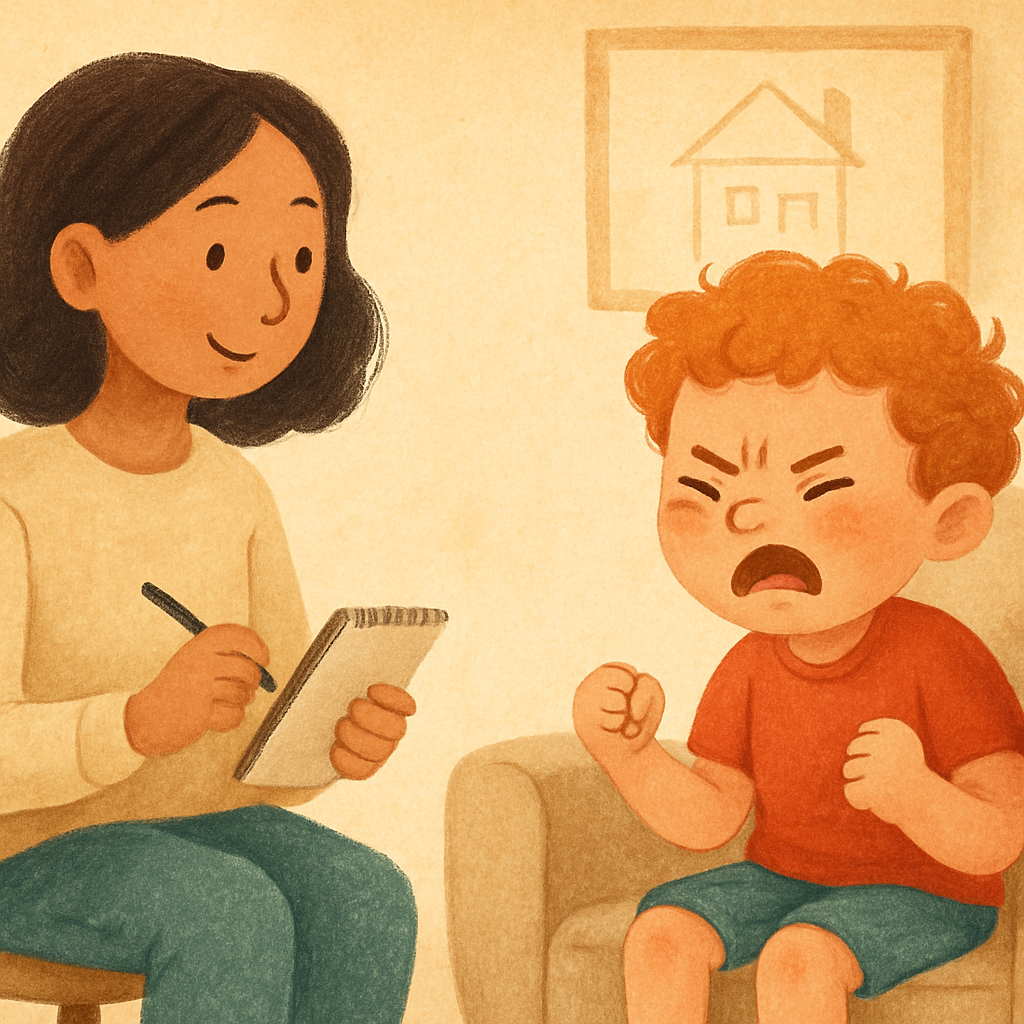
Grounding techniques are simple yet powerful tools to help a child self-regulate and reconnect with the present moment during an outburst. These methods shift their focus from their intense emotions to their physical senses, which can rapidly decrease their level of anger. The goal is to guide them out of their emotional storm, especially when they are having a hard time, and back to a safe place mentally.
One of the most effective grounding techniques is deep breathing. You can ask your child to "smell the flower and blow out the candle" with you. Using a tangible object like a stress ball can also help by giving them a small incentive and a physical outlet for their tension. These actions provide a constructive way to release energy.
To support your child, specifically 5 year olds, in self-regulating their anger, you can try these grounding exercises:
- The 5-4-3-2-1 method: Name 5 things you see, 4 you can touch, 3 you can hear, 2 you can smell, and 1 you can taste.
- Stomping their feet to "stomp the anger out."
- Holding a cool or warm object.
- Listening to calming music or sounds.
Communication Tools to Support Your Child
Once the storm has passed, communication becomes your most important tool. Helping your child understand their feelings of anger, including understanding their child’s angry behaviour, is crucial for their long-term emotional growth. This involves more than just talking; it means paying attention to their body language and practicing empathetic listening.
When you teach your child how to identify and talk about their own emotions, including older children, you give them an alternative to explosive outbursts. The following sections offer guidance on how to help your child express themselves with words, what to avoid saying, and how to validate their feelings effectively.
Helping Kids Express Their Feelings with Words
A key part of emotional development is learning to connect words to feelings. Many children resort to physical outbursts because they lack the vocabulary for verbal expression, especially when dealing with strong emotions related to a family member. Your role is to help them build this vocabulary so they can communicate what’s happening inside.
Start by labeling the child’s emotions for them in a non-judgmental way. You might say, "It looks like you feel really angry that your tower fell down," or "I can see you're frustrated." This not only validates their experience but also gives them the words to use next time when discussing their feelings with mental health services.
To help your child express their feelings with words during a stressful time, you can:
- Use a feelings chart with different facial expressions.
- Read books that talk about different emotions.
- Share your own feelings in simple terms.
- Praise them when they use words to express their anger.
What Not to Say or Do When Your Child Is Angry
What you don't do during your child's outburst can be just as important as what you do. Certain reactions can escalate bad behaviour and damage your connection with your child, much like the tension seen in performances by Jessie Buckley. It's essential to avoid responses that dismiss their feelings or turn the situation into a power struggle.
Showing your own anger is one of the biggest mistakes. Yelling or using a harsh tone of voice will only intensify their emotions. Similarly, giving the silent treatment can be a contributing factor, as it sends the message that their feelings are unacceptable and that you are withdrawing your love. These approaches can make a child feel ashamed or even more defiant.
To avoid making things worse, here are some things you should not say or do:
- "Calm down!" or "Stop crying!"
- Dismiss their feelings by saying, "It's not a big deal."
- Threaten punishments in the heat of the moment.
- Try to reason with them during the peak of the tantrum.
Empathetic Listening and Validation
Empathetic listening and validation are key to supporting your child’s mental health in different environments. When your child is upset, show that you’re on their side by acknowledging their feelings, even if you don’t agree with their behaviour. Validation means recognizing their emotions as real and understandable—not condoning outbursts.
Simple statements like “That sounds frustrating” or “I understand why you’re upset—especially during a difficult time”—can help defuse frustration and make your child feel safe. This shows you’re there to support them, not punish them for their emotions.
Over time, this approach builds trust and strengthens your relationship. It teaches your child that their feelings matter and that they can turn to you for support, much like Jo Robinson advises in her work. If you find this challenging, parent support groups can offer helpful practice and encouragement.
Conclusion
In conclusion, supporting an angry child requires patience, understanding, and effective communication. By recognizing the root causes of their anger outbursts and implementing immediate strategies to calm them, you can help them navigate their emotions. Encourage open dialogue, empathetic listening, and validation of their feelings, which fosters trust and emotional intelligence. Remember, every child is unique, and it may take time to find what works best for your little one. If you're looking for more personalized guidance or techniques, consider reaching out for expert advice. Supporting your child's emotional development is a journey worth taking!
If you're interested in learning more, feel free to reach out for a consultation or call daar at 02 9133 2500!
Frequently Asked Questions
Is it normal for toddlers to have frequent tantrums?
Yes, frequent tantrums are very normal for young children, especially two and three-year-olds. At this age, their brains are still developing, and they lack the language and impulse control to express big feelings. These angry outbursts are a typical part of their emotional development and usually decrease as their communication skills improve.
What are the long-term effects of unmanaged anger in children?
Unmanaged anger can lead to significant long-term effects on a child’s life. It can contribute to ongoing behaviour problems at school and home, difficulty forming relationships, and an increased risk for mental health challenges like anxiety and depression. Addressing these emotional issues early is crucial for healthy emotional development. Just like in a film featuring Keira Knightley, early intervention can change the narrative for children.
What practical strategies can I use at home to manage my child’s anger?
At home, you can create a "calm-down corner" or safe place your child can go to when angry. Teach practical coping skills like deep breathing or squeezing a stress ball. Praising good behaviour and considering parent management training can also provide you with effective strategies to encourage positive changes and help them manage similar situations better in the future.
.svg)




.svg)