
.png?width=48&height=48&name=Group%201%20(3).png)























8 January, 2026

Understanding Speech Pathology: What It Can Do for You
Introduction
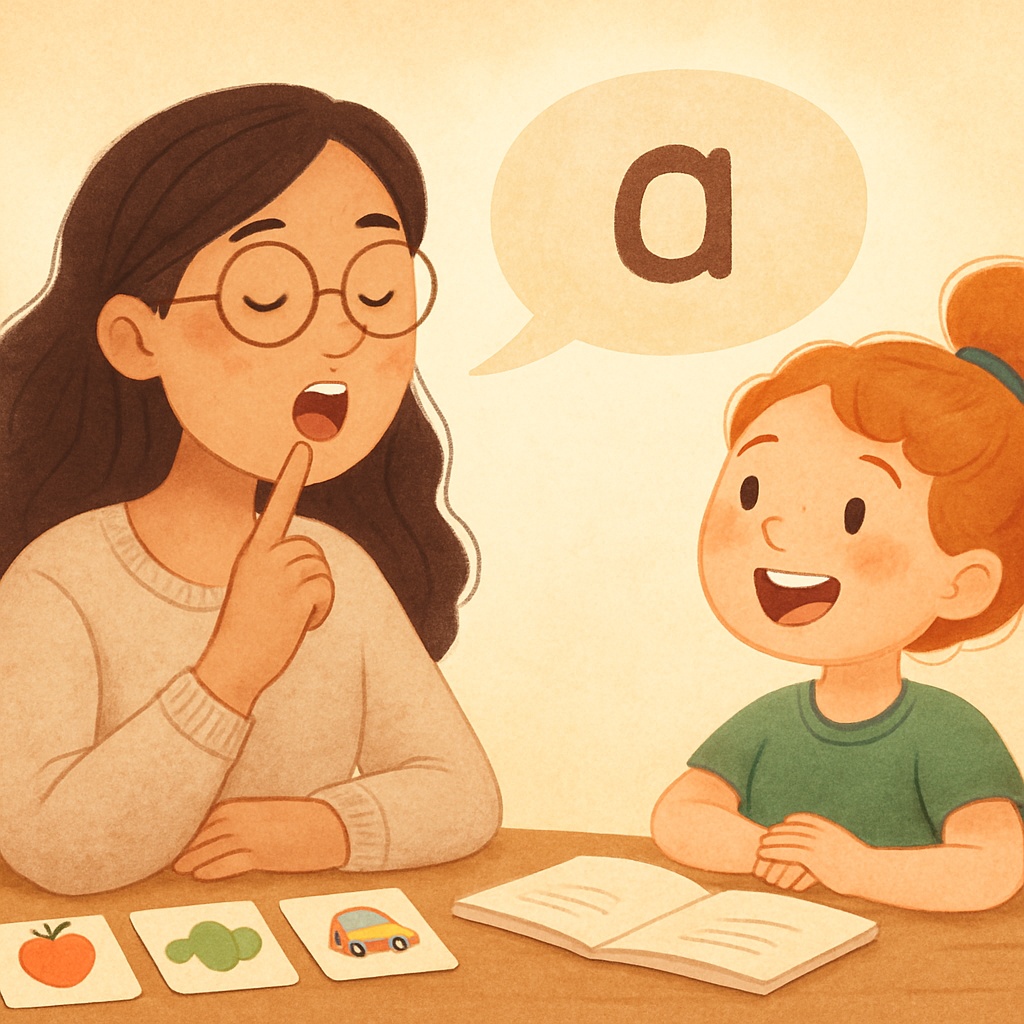
Have you ever wondered what speech pathology is all about? It is a vital healthcare field focused on one of the most fundamental human abilities: communication. When communication is challenging, it can impact every aspect of your life. Speech pathology offers solutions to a wide range of communication disorders, helping people connect with the world around them and significantly improve their quality of life. This field provides the tools and support necessary to overcome these hurdles and communicate with confidence.
Key Highlights
-
A speech pathologist is a healthcare professional who assesses and treats communication and swallowing disorders.
-
Speech pathology helps individuals of all ages, from infants with feeding issues to adults recovering from a stroke.
-
Commonly treated conditions include speech disorders, language disorders, voice disorders, and social communication difficulties.
-
Speech therapy services involve creating personalized plans to improve a patient's quality of life.
-
Social communication is a key area, helping people with conditions like autism spectrum disorder navigate social interactions.
-
Therapy begins with a thorough assessment to diagnose the issue and determine the best course of action.
The Role of Speech Pathology in Modern Healthcare
Speech pathology is vital in modern healthcare. Speech-language pathologists work alongside doctors, occupational therapists, and psychologists to provide comprehensive care for individuals of all ages with communication disorders from developmental delays, brain injuries, strokes, or other conditions.
Their main goal is to improve communication and often swallowing abilities. These professionals diagnose and treat a range of issues, helping people express themselves and understand others. Let’s explore what speech pathologists do and how they diagnose these complex disorders.
What Does a Speech Pathologist Do?
A speech pathologist, or speech therapist, is a communication expert who evaluates, diagnoses, and treats speech, language, communication, and swallowing disorders. They work in schools, clinics, hospitals, and nursing homes.
Their duties are patient-focused and varied—from helping with sound production to restoring language skills after illness. Treatment is always personalized to each patient’s needs.
Key services include:
-
Creating individualized treatment plans
-
Setting specific goals for each patient
-
Teaching exercises to strengthen speaking or swallowing muscles
-
Helping improve sentence structure and vocabulary
How Speech Pathologists Diagnose Communication Disorders in Liverpool
The first step in speech therapy is a thorough assessment and diagnosis. A speech pathologist in Liverpool uses various tools to identify the specific communication disorder—whether it involves producing sounds, understanding language, or social use of language.
This diagnostic process is essential for developing an effective treatment plan. For example, assessments differ between language disorders and voice problems. Accurate diagnosis is the foundation for all future therapy.
Speech pathology evaluations typically cover these key areas:
|
Area of Assessment |
What It Involves |
|---|---|
|
Speech Production |
Assessing articulation, fluency (stuttering), and voice quality |
|
Language |
Evaluating comprehension (understanding) and expression (sharing ideas) |
|
Cognitive-Communication |
Reviewing attention, memory, and problem-solving related to communication |
|
Swallowing |
Observing swallowing to detect any difficulties (dysphagia) |
The Importance of Social Communication in Speech Pathology
Speech pathology goes beyond words and sounds to focus on social communication—how we use language in social situations, follow unspoken conversation rules, interpret nonverbal cues, and share stories clearly. Strong social communication skills are vital for building relationships and managing daily life.
For those with communication disorders, especially autism spectrum disorder, social communication can be challenging. These difficulties may impact language development and peer connections. Let’s explore what these skills involve and how therapy can help improve them.
Understanding Social Communication Skills
Social communication, or pragmatics, is the set of skills we use to interact effectively in social situations. It goes beyond vocabulary, focusing on using language appropriately—like taking turns in conversations, staying on topic, and understanding sarcasm or humor.
Nonverbal communication is also key. This means reading body language, facial expressions, and tone of voice. For people with autism or brain injuries, these unwritten rules can be confusing and lead to challenges in daily life.
Difficulties with social communication can make it hard to form friendships, succeed at school or work, and feel understood. Speech therapy breaks these skills into manageable steps, offering strategies to improve interactions and boost confidence.
Strategies for Improving Social Communication
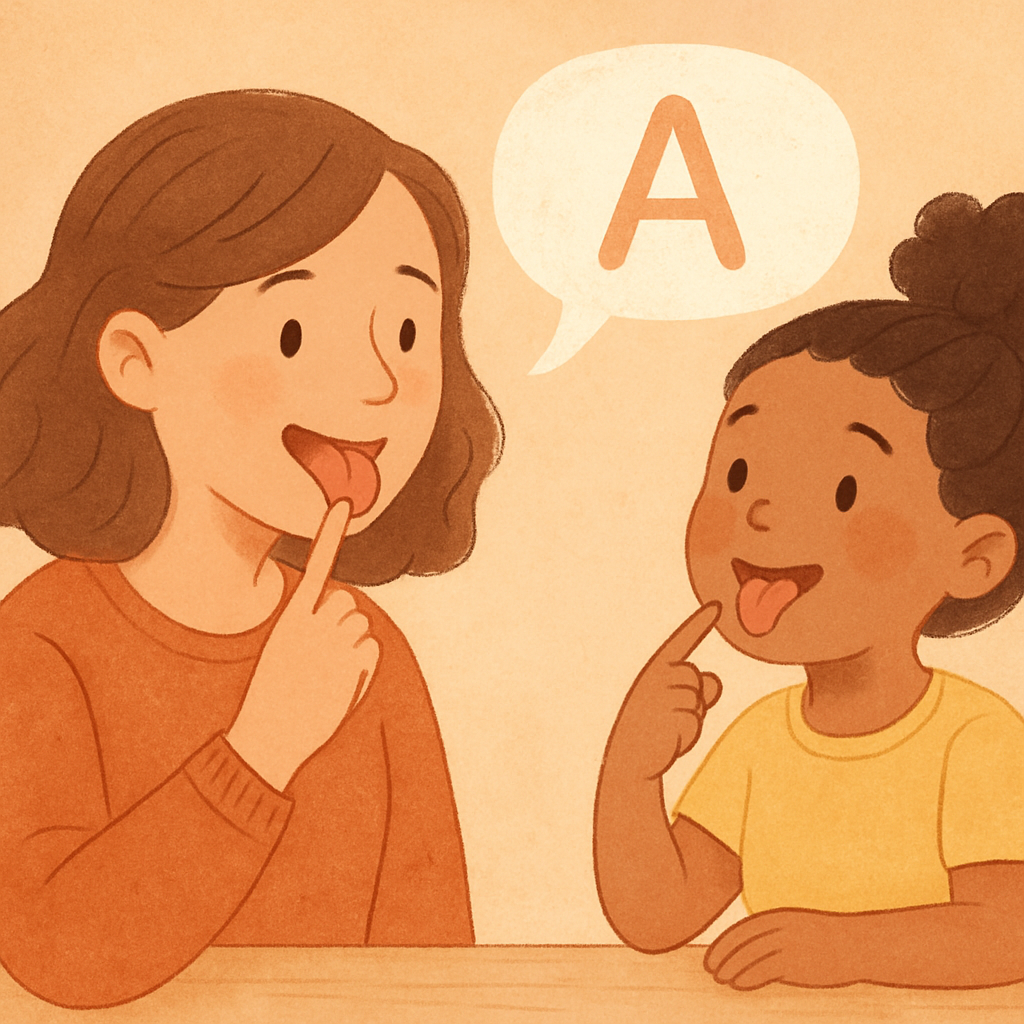
How can a speech pathologist help someone improve their social skills? They use a variety of therapy approaches designed to teach and practice social communication in a supportive environment. The goal is to make social rules more explicit and help individuals apply them in real-world situations for more effective communication.
These strategies are often tailored to the person's age and specific challenges. For young children, therapy might be play-based, while for adults, it could involve practicing conversations for work or social events. The focus is always on building practical skills that can be used right away.
Some common strategies include:
-
Using role-playing to practice different social scenarios.
-
Analyzing video clips to identify and discuss nonverbal cues.
-
Coaching parents and caregivers on how to support skill development at home.
-
Working in group therapy sessions to practice skills with peers.
The Speech Therapy Journey: What to Expect
Embarking on a speech therapy journey can feel like a big step, but understanding the process can make it less intimidating. It all begins with a comprehensive assessment to identify any communication problems or speech disorders. This initial evaluation is key to understanding your unique strengths and challenges.
From there, the speech pathologist will develop a personalized plan. Speech therapy services are not one-size-fits-all; they are tailored to your specific goals. Whether you're a parent seeking help for your child or an adult looking to improve your own skills, the journey is a collaborative one. The following sections will detail the assessment process and the types of therapy you might encounter.
Assessment and Diagnosis in Speech Pathology
The assessment is the cornerstone of effective speech therapy in Liverpool and Canterbury. During this phase, a speech pathologist conducts a detailed evaluation to understand every aspect of your communication abilities. This isn't just a simple conversation; it involves standardized tests and informal observations to get a complete picture. The therapist will look at speech sounds, vocabulary, sentence structure, and language comprehension.
For example, the assessment might involve tasks like naming pictures, retelling a story, or following multi-step directions. This helps the therapist determine if a communication disorder is present and what its specific characteristics are. The information gathered is essential for making an accurate diagnosis.
Once all the information is collected, the speech pathologist will explain the findings to you. The diagnosis will clarify the nature of the communication challenge and provide a clear path forward for treatment. This collaborative discussion ensures you understand the "why" behind the recommended therapy plan.
Types of Therapy Approaches Used
Once a diagnosis is made, the speech pathologist will select from a variety of therapy approaches to best suit your needs. There is no single method for treatment; instead, therapists use evidence-based techniques designed for specific types of disorders. The approach will depend on whether the issue relates to speech, language, voice, or fluency.
For instance, someone with voice disorders may work on breathing exercises and vocal hygiene, while a person with fluency disorders like stuttering might practice strategies to speak more smoothly. The goal is always to find the most effective way to help you communicate.
Here are a few examples of different therapy approaches:
-
Articulation therapy focuses on correcting sound production errors.
-
Language intervention activities help with building vocabulary and grammar skills.
-
Voice therapy is used to improve vocal quality, pitch, and loudness.
-
Augmentative and alternative communication (AAC) involves using tools like tablets or picture boards to help individuals who have severe communication impairments.
How to Find a Qualified Speech Pathologist in Australia
If you’re in Australia and need a qualified speech pathologist, start with Speech Pathology Australia—the national body regulating the profession. Their website features a “Find a Speech Pathologist” tool for locating certified professionals, including those in private practice. You can also ask your general practitioner or child health nurse for referrals to public services, which may be available through the government health system.
If you want to pursue a career in speech pathology, several Australian universities offer accredited degrees that provide required education and clinical training. Entry is competitive, so check individual university requirements and application processes.
Conclusion
In conclusion, understanding speech pathology is a vital step toward enhancing communication skills and overall well-being. Speech pathologists play a crucial role in diagnosing and treating communication disorders, helping individuals navigate their challenges with effective therapy strategies. Whether it's improving social communication skills or addressing specific speech issues, the journey can significantly impact one's daily life. If you or someone you know is experiencing communication difficulties, don't hesitate to seek help.
Reach out for a consultation or call daar at 02 9133 2500 to explore how a qualified speech pathologist can support you on this journey to better communication.
Frequently Asked Questions
When Should You See a Speech Pathologist for Your Child?
You should consider seeing a speech pathologist if you notice any communication difficulties or delays in your child’s language development. Early intervention is key for young children, as it can address issues before they become more significant. Trust your instincts—if you have concerns, an assessment can provide clarity and support.
What Happens During Speech Therapy Sessions?
Speech therapy sessions are structured, goal-oriented activities tailored to the individual. Depending on the need, a session might involve games to practice sounds, exercises to improve language comprehension, or role-playing to build communication skills. The therapist uses various therapy approaches to make sessions engaging and effective for treating speech disorders.
Who Can Benefit From Seeing a Speech Pathologist?
Individuals of all ages can benefit from speech pathology services. This includes children with developmental delays, adults recovering from strokes or brain injuries, and anyone with communication disorders affecting their speech or language. The ultimate goal is to improve communication abilities and enhance overall quality of life.
.svg)




.svg)