
.png?width=48&height=48&name=Group%201%20(3).png)























12 January, 2026

Essential Guide to Speech Therapy Liverpool Services
Introduction
Have you ever wondered how you can improve your ability to speak or understand others? If you face communication problems, speech therapy offers a path toward clearer expression and better comprehension. A trained speech pathologist can work with you to identify your specific communication needs and develop a plan to build your skills. This process can boost your confidence and make daily interactions much easier. Exploring speech therapy is the first step toward finding your voice and enhancing your quality of life.
Key Highlights
-
Speech therapy helps both children and adults improve their communication skills and overall quality of life.
-
Qualified speech therapists in Liverpool treat a wide range of communication disorders, from stuttering to issues caused by a brain injury.
-
Speech pathology services also address feeding and swallowing difficulties (dysphagia) that can result from medical conditions.
-
A speech pathologist creates a personalized treatment plan after an initial assessment of your unique communication needs.
-
Therapy involves targeted exercises and strategies to strengthen muscles and improve language skills.
-
Even mild speech problems can benefit from speech therapy, highlighting the importance of seeking help when you notice issues.
Overview of Speech Therapy in Liverpool
In Liverpool, speech therapy is a specialized service designed to help people of all ages who need assistance with their speech and language. Whether challenges arise from an injury, illness, or developmental delays, support is available.
Trained speech therapists provide expert speech pathology services to guide you. They work with you to build or recover your communication skills, helping you speak more clearly and confidently. Below, we’ll look at the principles behind this therapy and why getting help early is so important.
Key Principles of Speech Therapy and Speech Pathology
Speech pathology is a crucial healthcare field focused on diagnosing and treating communication disorders. A speech pathologist begins by assessing your specific challenges, forming the foundation for treatment.
Therapy is collaborative. Your therapist helps you build or regain speech and language skills, whether improving articulation or word choice. The process supports your journey to clearer communication.
The ultimate goal is to enhance your quality of life. By addressing communication issues, a speech pathologist helps you connect with others more effectively, empowering positive change.
Importance of Early Intervention for Communication Challenges
Address communication challenges early to prevent them from worsening. Speech therapy isn't just for severe issues—even mild problems benefit from prompt intervention.
For children with developmental delays or adults experiencing changes after injury, early action is key. Therapists can teach strategies that build essential skills before habits become fixed, setting you up for long-term success.
Don’t wait to seek help. Early treatment improves social interactions, boosts confidence, and enhances self-expression—making a real difference in daily life.
Common Conditions Addressed by Speech Pathologists
A speech pathologist can assist with a wide range of conditions that affect communication. These include speech disorders that may appear after a stroke, brain injury, or as a symptom of a neurological condition like Parkinson's disease. They also support individuals with developmental disorders, such as autism spectrum disorder.
Beyond speaking, therapists also treat issues like hearing loss that impact communication. Importantly, their work extends to helping with swallowing difficulties. Let’s look at some of these conditions in more detail.
Speech, Language, and Voice Disorders
Speech and language disorders make it hard to express thoughts. Aphasia, often caused by stroke, affects sentence formation. Apraxia is a motor speech disorder that disrupts planning mouth movements for speech.
Voice disorders cause hoarseness, pitch problems, or vocal strain from overusing the vocal cords. Resonance disorders affect the tone and clarity of your voice.
Speech therapists help manage these challenges. Common conditions they treat include:
-
Stuttering: Disrupted speech flow, such as repeating sounds
-
Aphasia: Difficulty understanding or forming sentences
-
Apraxia: Problems planning mouth movements for speech
-
Voice Disorders: Issues with pitch, volume, or voice quality
Feeding and Swallowing Difficulties (Dysphagia)
Speech therapy isn’t just about talking—it also helps with feeding and swallowing difficulties, known as dysphagia. Dysphagia makes eating and drinking hard and increases choking risk, especially in older adults or those with medical conditions.
Swallowing problems can result from brain injuries or progressive diseases. Speech therapists teach exercises to strengthen throat and tongue muscles, making swallowing safer and easier. Therapy is personalized to improve function over time.
For many, this support is life-changing, making meals safer and boosting confidence.
|
Medical Condition |
Impact on Swallowing |
|---|---|
|
Parkinson’s Disease |
Throat muscle weakness makes swallowing difficult |
|
Brain Injury |
Damaged nerves impair swallowing muscles |
|
ALS |
Progressive muscle weakness affects swallowing |
|
Dementia |
Cognitive decline leads to forgetting how to chew/swallow |
What to Expect in a Speech Therapy Session
When you begin speech therapy, you can expect a process that is built around you. A speech therapist starts by getting to know your specific challenges and goals. From there, they create a personalized treatment plan to address your communication needs.
Each session focuses on helping you improve. The speech pathology services you receive will include exercises and strategies designed to build your skills step-by-step. Let’s explore what happens during the initial assessment and the techniques used in therapy.
Initial Assessment and Goal Setting
Your speech therapy journey starts with an initial assessment focused on understanding your unique needs. The therapist evaluates your communication skills to identify challenges and set achievable goals together, such as clearer speech or safer swallowing.
This personalized approach ensures therapy is targeted and effective, with a treatment plan tailored to you that guides your progress toward better communication.
Techniques and Approaches Used During Therapy
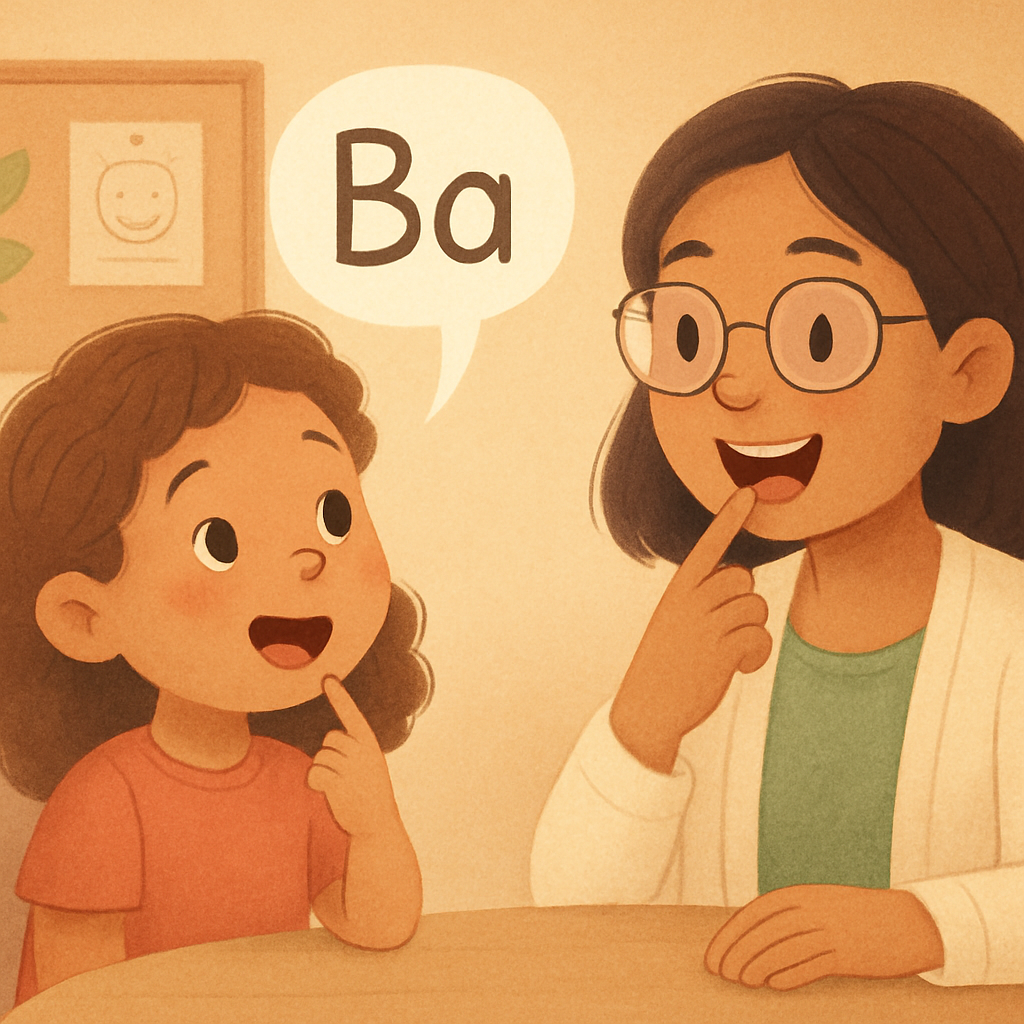
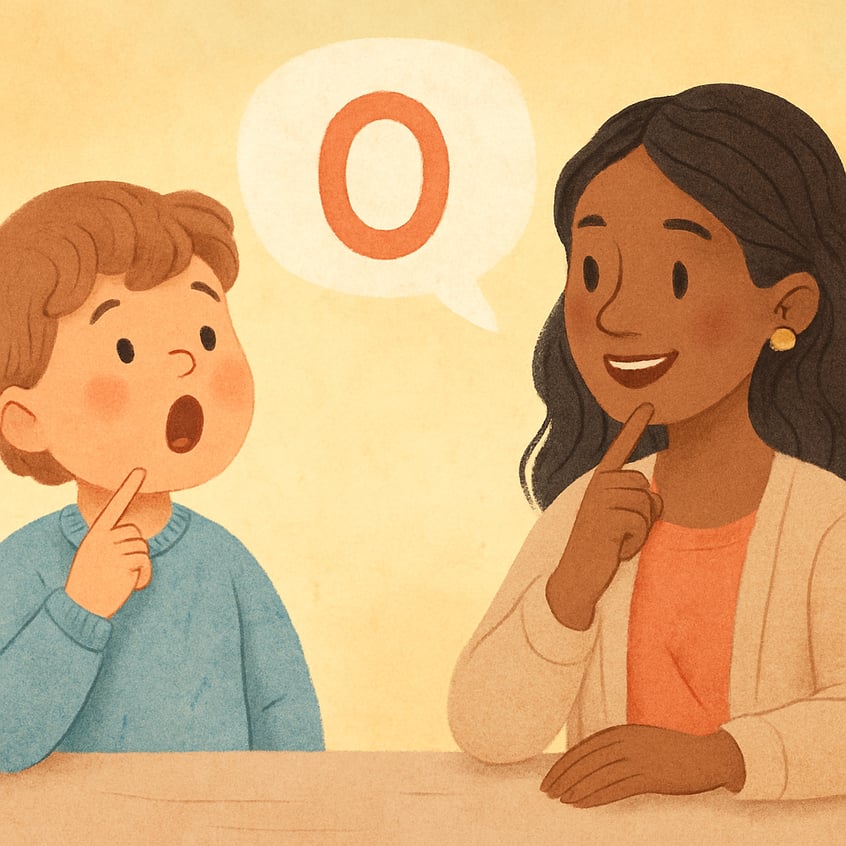
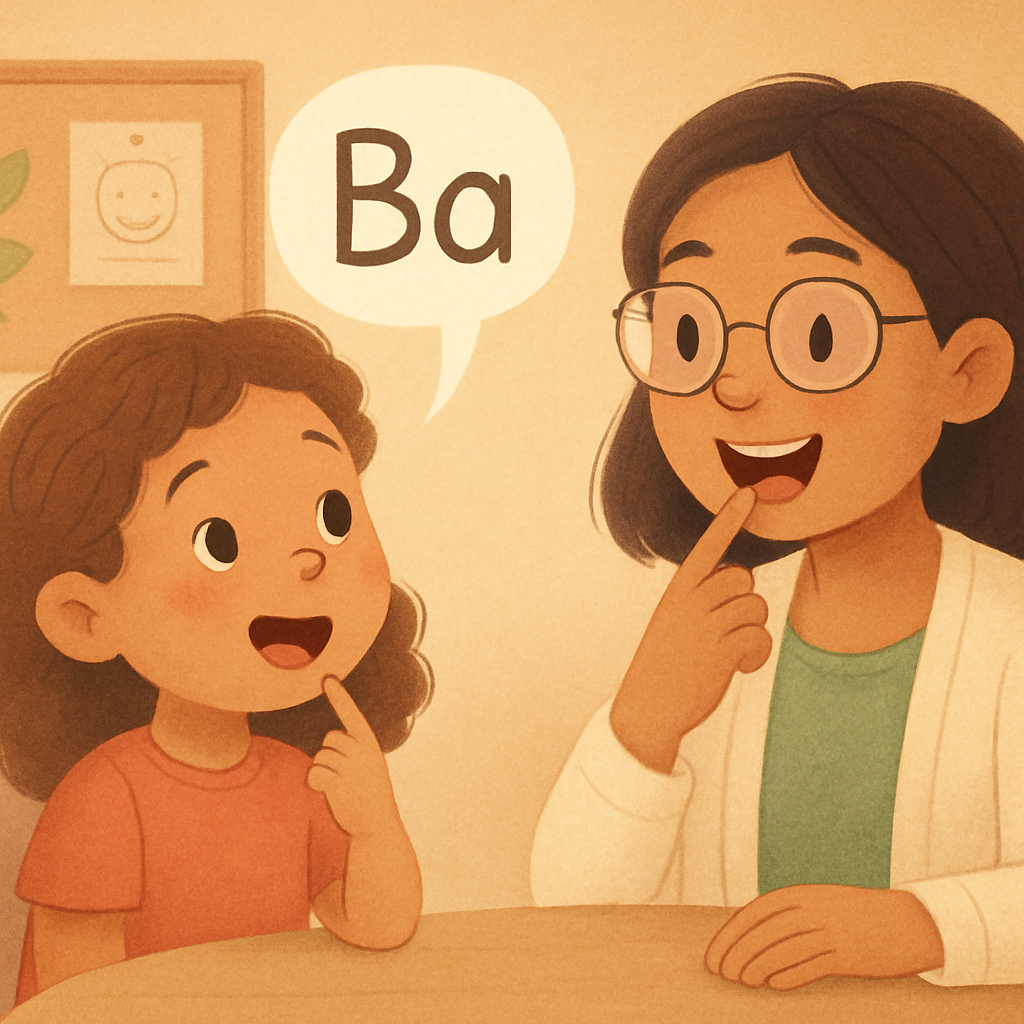
During your sessions, your therapist will use targeted techniques to address your specific communication challenges. Treatment may include language therapy, memory exercises, and problem-solving activities tailored to your needs. You might practice articulation games or work on smoothly combining syllables.
Active participation is essential for progress. Your therapist will assign at-home tasks to reinforce skills and encourage consistency. Common techniques include:
-
Reading aloud to improve fluency
-
Practicing facial movements, like lip puckering
-
Vocal cord strengthening exercises
-
Memory and focus activities
Conclusion
Speech therapy services in Liverpool offer vital support for those with communication challenges. Focusing on early intervention and personalized techniques, these therapies address various issues, including speech, language, and feeding difficulties. Knowing what to expect can ease concerns and encourage participation. By learning about speech therapy, you empower yourself or your loved ones to seek help and improve communication.
If you’re ready to take the next step, consider scheduling a consultation or call daar at 02 9133 2500 to find the best approach for your needs.
Frequently Asked Questions
How do I find a qualified speech therapist in Liverpool?
You can find qualified speech therapists in Liverpool through recommendations from your health care provider or by searching for private practices. Look for certificate holders who are registered professionals. It’s a good idea to find a therapist who has experience with your specific communication needs to ensure the best fit.
How long does speech therapy usually take to see results?
The time it takes to see results from speech therapy varies for each person. It depends on the type and severity of the communication disorder, the consistency of attendance, and dedication to the treatment plan. Regular practice is key to improving your communication skills and achieving a better overall quality of life.
How long does it usually take to see progress from speech therapy?
The timeline for progress depends on your individual communication difficulties and commitment to the treatment plan. While some people notice small improvements in their communication skills within a few weeks, addressing more complex speech disorders may take several months or longer. Consistency is the most important factor in making steady progress.
.svg)




.svg)