
.png?width=48&height=48&name=Group%201%20(3).png)























8 January, 2026

Speech Therapy: Overcoming Common Communication Challenges
Introduction
Have you ever wondered what speech therapy in Liverpool is and how it works? It is a specialized treatment designed to enhance your ability to communicate and utilize language skills effectively. This therapy helps you express your thoughts clearly and understand what others are saying. By addressing communication problems, speech therapy can greatly enhance your social development and overall quality of life. If you or a loved one faces challenges with speech, it’s a proven path toward clearer communication and greater confidence.
Key Highlights
Here is a quick overview of what you will learn about overcoming communication challenges: Speech therapy helps people of all ages improve their communication skills. It addresses a wide range of speech disorders, from stuttering to issues caused by neurological conditions. To become a speech pathologist in Liverpool, you typically need to earn a master's degree in speech-language pathology, complete supervised clinical hours, and obtain state licensure, which usually requires passing a national exam. These qualifications ensure that speech therapists are prepared to deliver effective speech therapy and meet the needs of people of all ages with speech disorders.
-
Speech therapy helps people of all ages improve their communication skills.
-
It addresses a wide range of speech disorders, from stuttering to issues caused by neurological conditions.
-
Therapy can significantly boost language development and social skills in children and adults.
-
A trained speech pathologist creates a personalized plan to meet your specific needs.
-
Effective treatment can lead to greater confidence and a better quality of life in your daily life.
Who Can Benefit from Speech Therapy?
Speech therapy benefits people of all ages with communication challenges, from toddlers with developmental delays to adults recovering from strokes. Speech-language pathologists (SLPs) tailor therapy to individual needs, addressing speech disorders, language difficulties, and neurological issues.
Therapy aims to improve overall communication—including speech, memory, problem-solving, and swallowing. If you or a loved one struggles to communicate or understand others, speech therapy provides effective support. The following sections will cover common challenges for children and adults and how therapy can help.
Common Communication Challenges in Children
Pediatric speech therapy plays a crucial role in a child's language development. Early intervention is key, as it can help resolve speech challenges before they impact a child’s academic performance and social life. Parents often wonder how they can identify if their child needs speech therapy. Watching for developmental milestones is a great first step.
If you notice your child isn't meeting typical communication goals for their age, it might be time to consult a professional. For example, some common warning signs include:
-
Not babbling between 4-7 months
-
Saying only a few words by 12-18 months
-
Struggling to put words together into sentences between 1.5-3 years
For many children, including autistic children, therapy sessions use play, games, and books to stimulate language and social interaction. A speech pathologist can provide guidance and activities for you to practice at home, ensuring your child gets the support they need to thrive.
Adults and Age-Related Communication Issues
Speech therapy is as effective for adults as it is for children. Many adults seek therapy after a stroke, brain injury, or conditions like Parkinson’s disease, which can cause slurred speech, word-finding difficulty, or a hoarse voice.
Communication issues may also result from hearing loss or dementia. Speech therapists help manage these challenges to improve communication and quality of life. Adults may benefit from therapy if they speak in short, fragmented phrases or frequently cough or choke while eating.
Adult therapy focuses on rebuilding skills and strengthening the brain-mouth connection. Targeted exercises help restore confidence and independence in communication.
Conditions Addressed by Speech Therapy
Speech pathology services can help with a vast array of conditions beyond just speech impediments. Speech therapy addresses communication disorders that affect how you speak, understand, process, and use language. Whether it is a child with a developmental delay or an adult recovering from a medical event, therapy offers targeted support.
From speech disorders and language disorders to cognitive-communication issues, a therapist can diagnose the root cause and develop an effective plan. Let’s look at some of the specific conditions that speech therapy can improve.
Social Communication Disorders
Social communication disorders make it hard to use verbal and nonverbal language in social settings, especially for autistic children who may struggle with social cues. Speech therapy builds key social skills needed for relationships and everyday interactions.
Therapy covers more than speaking—it teaches the subtleties of communication, such as:
-
Using appropriate body language
-
Taking turns in conversation
-
Staying on topic
Practicing these skills in a supportive environment helps individuals interact more confidently and comfortably, making social situations less stressful and more rewarding.
Language and Speech Sound Disorders
It is common to hear the terms "speech therapy" and "language therapy" used interchangeably, but they address different challenges. Speech sound disorders, like an articulation disorder, involve difficulty producing specific word sounds correctly. You might, for example, substitute one sound for another, such as saying "wed" instead of "red."
On the other hand, language disorders relate to understanding and using words to communicate ideas. This could mean having a limited vocabulary or struggling to form sentences. A speech pathologist can determine whether the challenge lies with speech, language, or both.
Here is a simple breakdown of the difference between the two:
|
Speech Disorders |
Language Disorders |
|---|---|
|
Difficulty with the physical production of sounds (articulation). |
Difficulty understanding what others are saying (receptive). |
|
Issues with the flow and rhythm of speech, like stuttering. |
Trouble sharing thoughts, ideas, and feelings (expressive). |
Inside a Speech Therapy Session
A typical speech therapy session is customized to your needs. A speech pathologist uses targeted exercises and activities to improve communication skills—children may play language-based games, while adults might do muscle-strengthening exercises. Sessions can take place in schools, hospitals, or private practices. The main goal is to create a treatment plan that helps you reach your communication goals.
Role of the Speech Pathologist
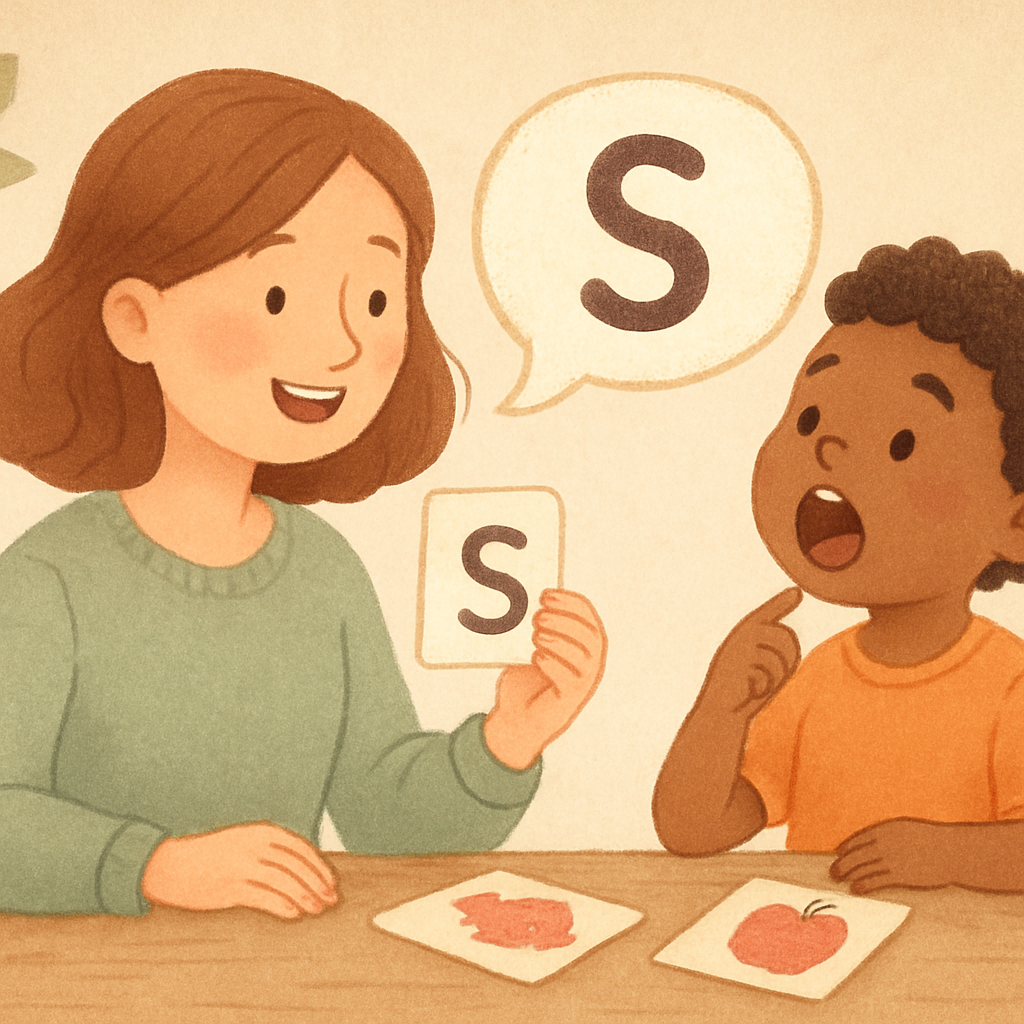
A speech-language pathologist (SLP) in Liverpool diagnoses and treats communication and swallowing disorders for all ages, from infants to seniors. SLPs assess your needs, identify underlying issues through tests and observation, and consider your overall situation.
They then create a personalized therapy plan, guide you through exercises, offer feedback, and adjust the plan to ensure effective care.
Strategies Used for Social Communication
Speech therapy for social communication disorders uses targeted strategies to build confidence in social settings. Therapists teach the unwritten rules of conversation through language activities, often in small groups for a safe, structured environment.
Therapy focuses on real-life situations, such as:
-
Role-playing to practice taking turns and staying on topic
-
Analyzing body language and facial expressions in images or videos
-
Storytelling to strengthen narrative skills and emotional expression
These practical techniques help turn knowledge into action. As social skills improve, you can feel more connected and understood by others.
Conclusion
In conclusion, speech therapy is essential for overcoming communication challenges at any age. Whether addressing childhood speech disorders or age-related issues in adults, tailored strategies can greatly improve skills and confidence. Understanding the role of a speech pathologist and their techniques empowers you to take action. Seeking help is a sign of strength, and starting therapy can lead to real change.
If you're ready to improve your communication, book a consultation today or call daar at 02 9133 2500!
Frequently Asked Questions
How long does speech therapy usually take to show results?
The timeline for seeing results from speech therapy varies for each person. It depends on factors like age, the type and severity of the disorder, and any underlying developmental delays. Consistent attendance and practice are key to making progress, as an effective treatment plan is tailored to your specific needs.
Is speech therapy effective for adults as well as children?
Yes, speech therapy works for people of all ages. While early intervention is beneficial for children, adults can also see significant improvements. Therapy helps adults manage age-related communication issues and challenges stemming from neurological disorders, improving their ability to communicate in daily life and enhancing their independence.
What is the difference between speech therapy and language therapy?
Speech therapy focuses on the physical act of speaking, addressing speech disorders like stuttering or articulation problems. In contrast, language therapy deals with language disorders, which involve understanding others (receptive language) and expressing thoughts and ideas (expressive language). A therapist can address one or both areas.
.svg)




.svg)