
.png?width=48&height=48&name=Group%201%20(3).png)























22 January, 2026

Speech Pathology: Overcoming Communication Challenges
Introduction
Have you ever wondered how people overcome challenges with speaking, understanding, or even swallowing? This is the world of speech pathology. This vital health care field helps individuals facing communication problems, whether they have been present since childhood or appeared later in life. A speech pathologist, or speech therapist, is a trained professional who helps you improve your communication skills. They provide the tools and support needed to address various speech disorders and enhance your ability to connect with others effectively.
Key Highlights
-
Speech pathology is a field dedicated to helping people of all ages with communication and swallowing disorders.
-
A speech pathologist assesses, diagnoses, and treats a wide range of issues, from speech sounds to language comprehension.
-
Speech therapy services can significantly improve communication skills, confidence, and overall quality of life.
-
Communication disorders can be developmental in children or acquired in adults due to injury or illness.
-
Treatment involves personalized plans with targeted activities to strengthen communication abilities.
Core Areas Treated by Speech Pathologists
Speech pathologists work with people of all ages, addressing a wide range of communication challenges. They help children develop speech and support adults recovering from conditions like strokes. Trained to evaluate and treat various disorders, speech pathologists create individualized treatment plans for issues such as language disorders, speech sound difficulties, and swallowing problems. Their work significantly improves the quality of life. Let’s explore some specific conditions they treat and who can benefit from their services.
Childhood Speech and Language Disorders
Children’s communication skills are essential for their growth and learning. Speech pathologists support early language development by addressing speech disorders like articulation issues, which affect sound production.
They also treat conditions such as childhood apraxia of speech, where children struggle to coordinate the movements needed for speech. Therapy teaches them how to plan and produce sounds correctly. For many children on the autism spectrum, speech therapy improves both verbal and nonverbal communication.
Using targeted activities and play-based learning, therapists help children develop clear speech and effective expression, boosting confidence and social skills.
Adult Communication Disorders and Acquired Brain Injury Impacts
Communication difficulties aren’t limited to childhood—many older adults face challenges due to medical conditions or injury. Acquired brain injuries from strokes, accidents, or trauma can severely impact speech and language, making it hard to find the right words (expressive language). For those interested in pursuing a career in speech pathology to help individuals with adult communication disorders, study options typically include a bachelor’s degree in speech pathology or a related field, followed by a master’s program in speech-language pathology. Accredited programs offer a mix of coursework and supervised clinical practice to prepare graduates for professional certification and employment.
These issues can be frustrating and isolating. Speech pathologists help adults relearn lost skills and develop new ways to communicate. For those with cognitive-communication disorders after a brain injury, therapy supports organizing thoughts, paying attention, and problem-solving—crucial for regaining independence and reconnecting with others.
Social communication may also suffer. Brain injuries can make it difficult to understand social cues or join conversations, leading to isolation. Therapy helps rebuild these skills to improve relationships and daily life.
Voice, Fluency, and Swallowing Conditions
Speech pathology goes beyond forming words—it addresses issues like voice disorders, which affect vocal quality, pitch, or loudness. Speech pathologists diagnose these problems and teach techniques to improve vocal health.
They also treat fluency disorders, such as stuttering, by offering strategies to improve speech flow and confidence in a supportive environment.
Additionally, speech pathologists manage swallowing disorders (dysphagia), which can make eating or drinking difficult due to stroke, injury, or illness. They diagnose the condition and provide exercises to strengthen swallowing muscles.
Signs Your Child May Need Speech Therapy
As a parent, you are the first to notice if your child is struggling to communicate. Recognizing the early signs of speech disorders or language disorders is the first step toward getting them the help they need. These signs can range from unclear speech to difficulties interacting with others.
Issues like social communication problems or childhood apraxia of speech can impact a child’s development and self-esteem. Paying attention to these red flags allows for early intervention, which can make a world of difference. So, what are the common signs that a child might need speech therapy?
Early Communication Red Flags for Parents
Watching your child’s language development is an important part of parenting. While every child develops at their own pace, certain signs may indicate underlying communication problems. If you notice your child is having trouble, it might be time to consider an assessment.
Some common red flags include difficulty understanding what others say or being unable to share their own thoughts and feelings clearly. These issues can affect their ability to learn and make friends. Children with autism spectrum disorder often have social communication challenges, such as trouble understanding social cues.
Look out for these specific signs:
-
Difficulty producing speech sounds correctly for their age.
-
Trouble following rules for conversation, like taking turns.
-
Not using gestures or nonverbal communication.
-
Struggling to communicate for social purposes, like greeting people or asking questions.
-
Having a very limited vocabulary for their age.
Social Communication Difficulties in Young Children
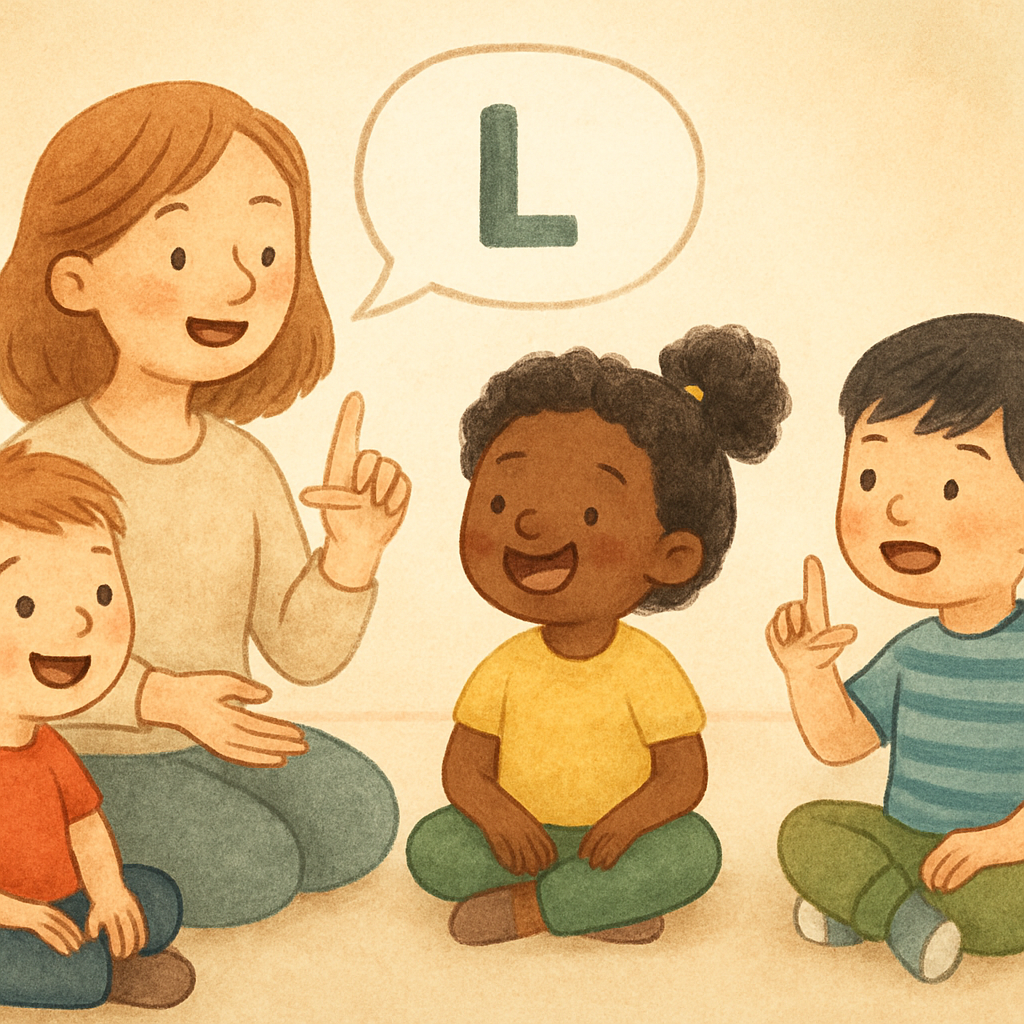
Social communication goes beyond words; it’s how we use language to connect. Some children struggle with social communication, making interactions difficult. They may not grasp the unwritten rules of conversation or understand nonverbal cues like body language, facial expressions, or tone, leading to misunderstandings. Adjusting speech for different listeners or situations can also be challenging.
Key aspects of social communication include using language for various purposes, adapting it for the listener, and following conversational rules. A speech pathologist can help children develop these skills and build stronger peer relationships.
When to Seek Assessment from a Speech Pathologist
If you have concerns about your child's communication skills, seeking an assessment from a speech pathologist is a proactive step. You don't need to wait and see if they "grow out of it." Early therapy services can address issues before they become more significant hurdles.
A professional assessment will determine if there is a problem and what the best course of action is. The speech pathologist will evaluate your child’s speech, language, and social communication abilities to identify specific areas of need. This process is the foundation for creating a personalized therapy plan.
Consider seeking an assessment if you notice:
-
Your child is significantly behind their peers in speech or language milestones.
-
Others have a hard time understanding what your child says.
-
Your child becomes frustrated or withdrawn because of communication difficulties.
-
You have concerns about their ability to interact socially.
Inside a Speech Pathology Session
What does a typical speech pathology session look like? When you begin speech pathology services, the first step is always a thorough assessment. A speech therapist will evaluate your or your child’s specific challenges to understand the root cause of the difficulties.
Based on this evaluation, the therapist will create a personalized treatment plan with clear goals. This plan acts as a roadmap for therapy, guiding the activities and strategies that will be used in each session to build skills and confidence. The following sections will give you a closer look at how this process unfolds.
Assessment Techniques and Goal Setting
A successful treatment plan starts with a comprehensive assessment. A speech pathologist uses various techniques to evaluate a person's speech and language abilities. This may involve standardized tests, informal observations, and discussions with the individual and their family. The goal is to get a complete picture of their strengths and weaknesses.
Once the assessment is complete, the therapist works with you to set achievable goals. These goals are tailored to the individual’s specific needs, whether it's improving sound production, understanding language, or communicating more effectively in social situations. This collaborative goal-setting ensures the treatment plan is meaningful and motivating.
The assessment process examines several key areas to inform the speech therapy services.
|
Assessment Area |
What It Involves |
|---|---|
|
Articulation |
Evaluating the production of speech sounds. |
|
Receptive Language |
Testing the ability to understand spoken or written language. |
|
Expressive Language |
Assessing the ability to share thoughts, ideas, and feelings. |
|
Fluency |
Observing the rhythm and flow of speech for issues like stuttering. |
|
Voice & Resonance |
Checking vocal quality, pitch, loudness, and airflow. |
Therapy Activities for Children and Adults
Therapy activities are central to speech pathology sessions, designed to build communication skills in engaging ways. For children, therapy often involves play, using games and books to target specific speech and language issues.
Adult sessions are usually more structured, focusing on real-life communication—such as practicing conversations, memory exercises, or strengthening muscles for speaking and swallowing. Activities are always personalized to each person's age, interests, and goals.
Examples include:
-
Practicing sounds and words for better articulation
-
Reading stories and answering questions to boost comprehension
-
Role-playing social situations to improve communication
-
Using AAC devices for severe expressive disorders
Tracking Progress and Adjusting Strategies
Tracking progress is essential in speech therapy to ensure effective treatment. Speech pathologists regularly monitor performance against set goals by collecting data and observing communication in various settings.
This ongoing evaluation allows therapists to adjust the therapy plan as needed, introducing new techniques or activities if current strategies aren’t working. This flexible approach helps achieve better communication outcomes.
By continuously refining treatment based on progress, speech pathologists make each session productive and move individuals closer to their communication goals.
Conclusion
In conclusion, speech pathology plays a crucial role in helping people of all ages overcome communication challenges. Recognizing the signs that someone may need support and understanding the areas speech pathologists address can greatly improve communication and quality of life. Whether for children or adults, professional help makes a significant difference. Don’t hesitate to seek assistance if you or a loved one is struggling.
Effective communication is essential for building relationships—reach out today for a consultation or call daar at 02 9133 2500 to get started.
Frequently Asked Questions
How can someone become a qualified speech pathologist in Australia?
While specific requirements vary, becoming a qualified professional in speech pathology Australia generally requires completing an accredited university degree. The provided information focuses on the U.S. path, which includes a master's degree, supervised clinical experience, and passing a national exam. Check with Australian professional bodies for their specific requirements.
What does a typical session with a speech pathologist look like?
A typical session starts with an evaluation by the speech therapist to understand the needs of the patient. Based on this, they create a personalized treatment plan with targeted exercises. The activities are tailored to the individual's age group and condition, making speech pathology services both personal and effective.
What types of communication disorders does speech therapy address?
Speech therapy addresses a wide variety of communication disorders. These include articulation disorders (trouble with sounds), language disorders (difficulty with understanding or using words), and fluency issues like stuttering. It also helps with voice problems, social communication skills, and challenges with expressive language.
.svg)




.svg)